



In tableware design, cultural tableware or colour and shape considerably impact diners’ perceptions. Combinations of colour and shape influence taste and quality judgments, guiding diners’ meal experiences. Selecting the right tableware can uplift dining experiences, and there’s more to discover about how strategic design choices play a role.
Alongside this piece, our tableware for restaurant range is worth exploring to see how colour and shape translate into the real products available to your venue.
For the cultural and cuisine-focused perspective that sits behind many of the design choices covered here, our cultural and cuisine-based restaurant tableware style and function guide is well worth reading alongside this one.
Summary
- Warm colours in tableware stimulate appetite and enhance food vibrancy, while cool colours offer calmness but may reduce appetite.
- Round plates evoke comfort and enhance the perception of sweetness. In contrast, square plates contribute to a modern and sophisticated dining experience.
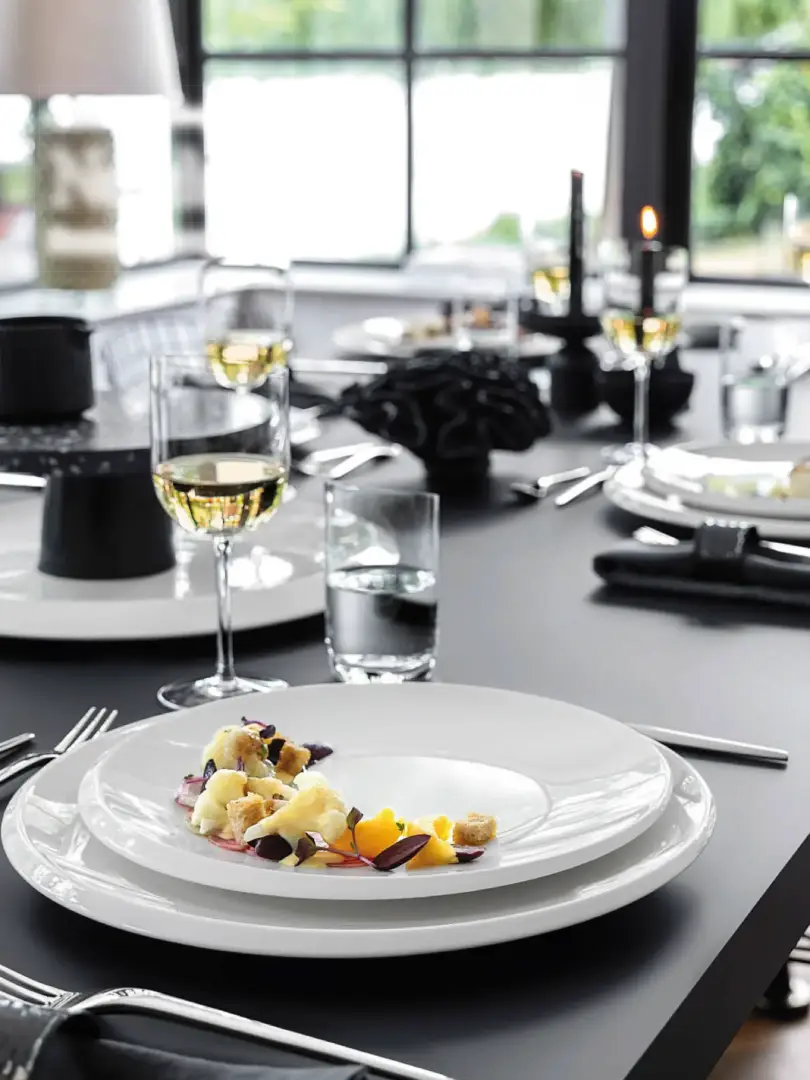
- White plates serve as neutral canvases, making food colours stand out and enhancing visual appeal and meal enjoyment.
- The combination of colour and shape in tableware influences taste perception, appetite, and overall dining satisfaction.
- Thoughtful tableware design enhances dining experiences, with strategic colour and shape choices impacting diners’ perceptions and emotional responses.
The Role of Colour in Dining Experiences
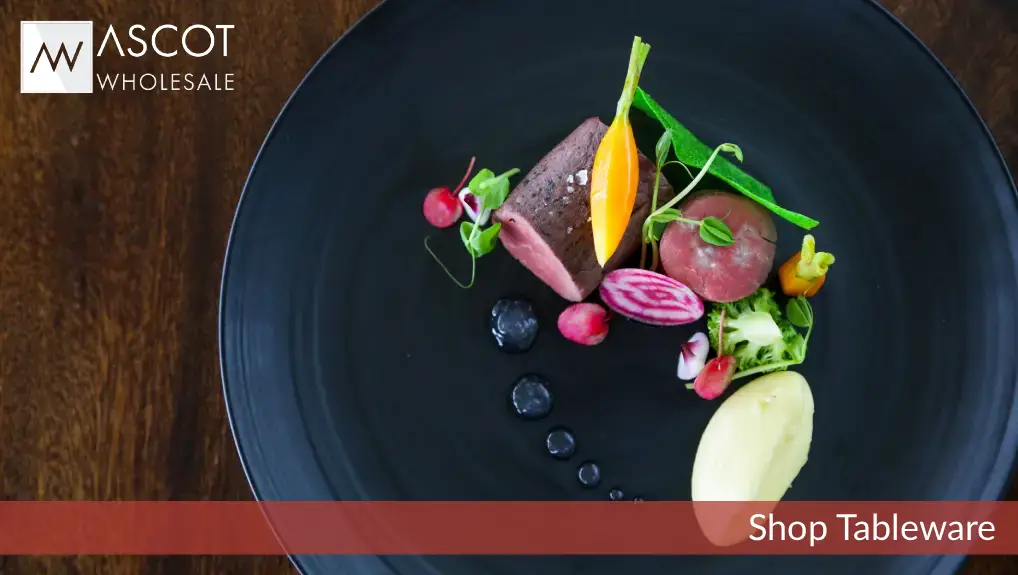
When it comes to dining experiences, the colour of your tableware plays an essential role in shaping the overall atmosphere and influencing diners’ perceptions of their meals.
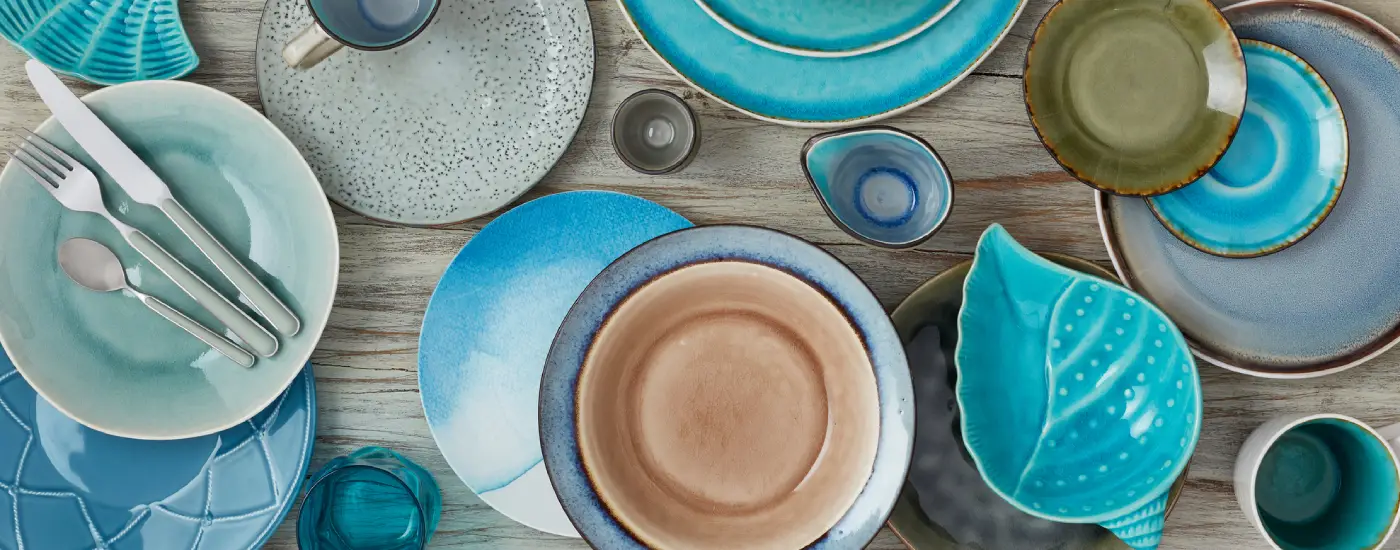
Warm colours like red and orange can improve food’s vibrancy. In contrast, cooler hues such as blue and green offer a calming visual experience. White plates act as neutral canvases, allowing the food’s colour to pop, improving meal quality perception.
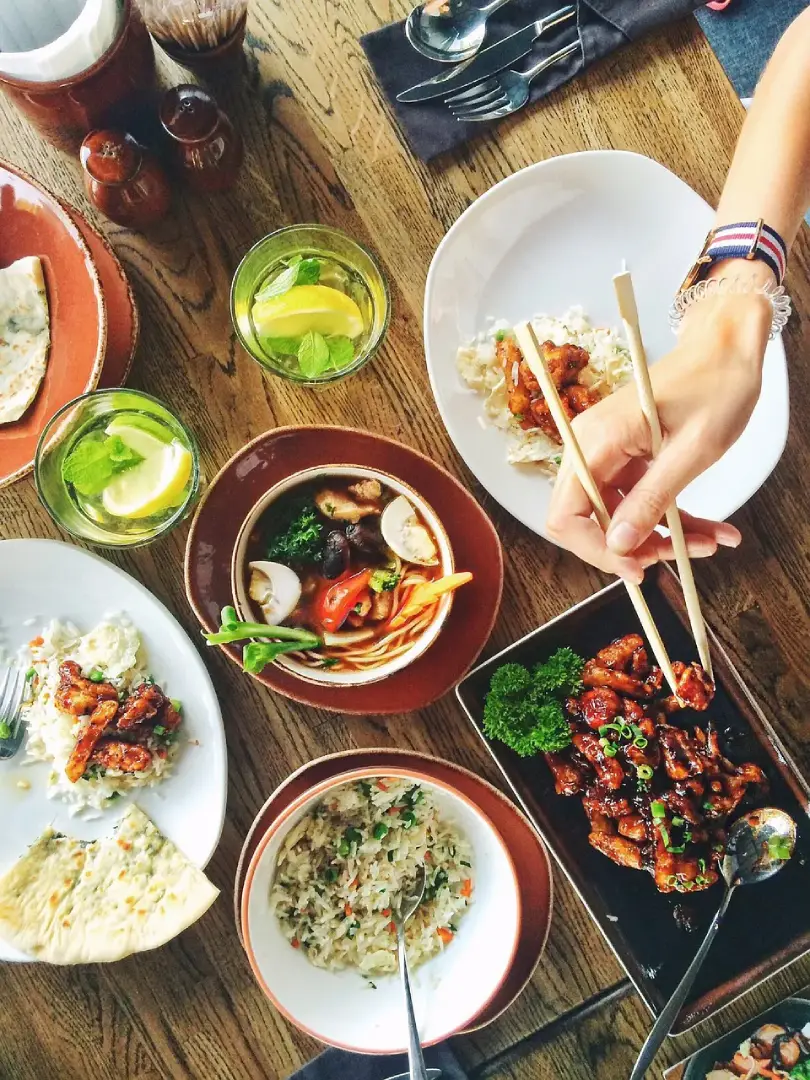
Choosing the right plate colour can shape the dining experience and influence how guests perceive the food’s quality. Contrasting plate colours with the dish creates visual intrigue, while harmonious colour combinations guarantee a pleasant dining atmosphere.
Plate Psychology Effects of Colour on Appetite
When choosing tableware, it’s important to understand how plate colours can affect your appetite and dining experience. The emotional response evoked by plate colours, such as the sophistication of darker tones or the cheerfulness of bright hues, can significantly impact your meal’s overall visual appeal and enjoyment.
Appetite Stimulation by Plate Colour
Understanding how colour influences appetite can transform a dining experience, especially regarding tableware. The right plate colour can boost the taste’s visual appeal and perception.
Warm colours like red, orange, and yellow increase appetite stimulation, making food presentations more inviting. Combined with thoughtful shape and colour choices, these colours leverage colour psychology to improve appetite. The influence of plate colour in tableware design is significant; it affects how sweet or intense a dish seems. For instance, dishes on white plates often taste sweeter compared to those on darker plates.
Choosing the right colours can guide diners’ perceptions, making meals more enjoyable and memorable. This can benefit caterers and restaurateurs.
Emotional Response to Tableware
In tableware design, colour influences and evokes emotional responses that can shape your dining experience. Plates of different colours affect your perception and presentation of food. The colour and shape of tableware can affect how you perceive food quality, impacting your overall dining experience.
| Plate Colour | Emotional Response |
|---|---|
| Red | Stimulates, may signal stop |
| Blue | Calms, reduces appetite |
| White | Neutral, highlights food |
The Delboeuf illusion shows that darker plates may make portions look smaller, potentially encouraging larger servings. Your psychological response to plate colour can even influence taste perception.
Visual Impact on Dining
Though you mightn’t realise it, the colour of your tableware can greatly impact your dining experience by influencing your appetite and perceptions. Using a white plate provides a neutral backdrop that accentuates food quality and freshness. Your colour scheme can alter emotional responses, with bright colours creating a lively atmosphere.
Visual impact, through the contrast between plate colour and food, can make your meal more appealing and improve your overall dining experience.
The Impact of Plate Shape on Perception of Food Quality
When choosing tableware, you mightn’t realise how much the shape of a plate can influence your perception of food.
Round plates are often linked to sweetness and comfort, enhancing the overall enjoyment of a meal. In contrast, square plates offer a sleek, modern aesthetic without notably altering taste perception. Curiously, the shape of the plate interacts with the shape of the food itself, where round items are perceived as sweeter and angular items as saltier, subtly guiding your taste experience.
Round Plates Enhance Sweetness
Round plates have a surprising effect on how we perceive sweetness. Serving food on round plates taps into a sense of comfort and familiarity. This shape can improve the perceived sweetness, making your dining experience more enjoyable.
Combining roundness with the right colour, like white, can raise perceived quality and flavour intensity. Research shows that round plates improve the sweetness of desserts, such as cheesecake, more effectively than angular shapes. The emotional responses elicited by their shape and colour play an essential role in the overall experience. Food presented on round plates feels inviting, positively influencing your taste judgments.
Square Plates for Sophistication
Incorporating square plates into your tableware collection can instantly improve the sophistication of your dining experience. These plates offer a modern presentation that sets the stage for elegance and contemporary dining. Their angular design creates visual intrigue, encouraging chefs to explore innovative plating styles. This shape can also influence taste judgments, often making dishes seem saltier, which triggers unique emotional responses.
Square plates don’t just hold food; they uplift it, signalling high-quality food that demands attention. The distinct shape encourages creativity, inviting you to redefine traditional dining experiences.
Shape Influences Taste Perception
Asymmetrical plates add a layer of visual experience that intrigues diners and suggests creativity. These shapes influence your overall dining experience by impacting your perception of food quality. Whether you choose traditional round plates or modern asymmetrical designs, understanding these nuances can refine your dining experience and transform how you enjoy meals.
How Colour Interacts with Shaped Tableware
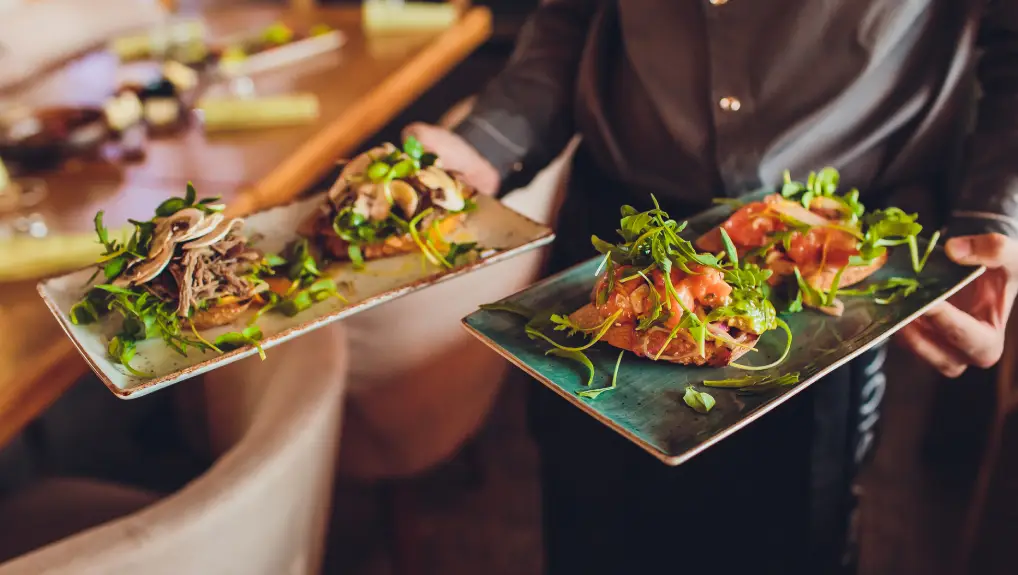
When exploring the interaction between colour and shape in tableware, it is essential to note that it plays an essential role in dining experiences. The combination of plate colour and shape can greatly influence taste and improve appetite. Contrasting colours on these plates create visual interest, elevating the presentation of food and making it more appetising.
The thoughtful blending of these elements improves the dining experience. It impacts how diners perceive the flavours and overall enjoyment of the meal.
Black Plates
The impact of plate colour is notable, as visual cues from contrasting colours affect perceived flavours. Round plates evoke comfort, positively influencing emotional responses and perceived quality. Meanwhile, black square plates provide visually intriguing presentations that mightn’t improve the overall dining experience as much.
Therefore, the colour and shape affect how we enjoy our meals, shaping expectations and satisfaction.
Practical Applications for Restaurants and Caterers
Choosing the right tableware is more than just a matter of aesthetics; it’s a strategic decision that can greatly boost the dining experience in restaurants and catering services. You can stimulate appetite and improve emotional responses by selecting plate colours that align with your restaurant atmosphere.
The plate shape also matters; round plates provide comfort, whereas square plates introduce sophistication, impacting the dining experience. Incorporating a cohesive colour palette can raise food presentation and quality perception.
| Plate Colour | Plate Shape | Effect on Dining Experience |
|---|---|---|
| Warm | Round | Appetite stimulation, comfort |
| Cool | Square | Calming, modern sophistication |
| Contrasting | Varied | Visual appeal, emotional engagement |
Clever choices can transform your restaurant’s atmosphere, making each meal memorable.
Tips for Selecting Tableware for Various Occasions
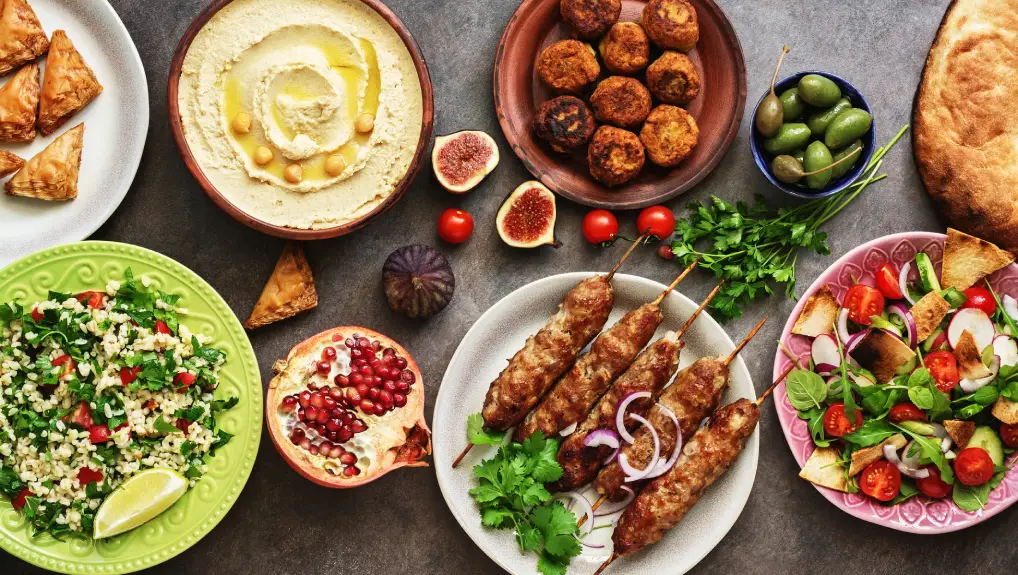
When selecting tableware for various occasions, it’s crucial to contemplate how different designs and colours can improve the dining experience. For formal events, black plates or those with elegant patterns enhance food presentation and maintain high contrast, ensuring the food is presented with sophistication. A white round plate offers a comforting and familiar dining experience, allowing the colours of a dish to shine and evoke tradition.
Choose yellow, orange, or soft pink plates to stimulate appetites and make food appealing, especially for kids. If promoting healthy eating is your aim, blue plates can help manage portions due to their appetite-suppressing colour. Opt for colourful, durable options for casual outdoor settings to match the vibrant atmosphere.
Last Orders
When selecting your tableware design, consider how colour and shape influence diners’ perceptions. Colour can affect appetite and mood, while plate shape impacts food perception.
Together, they shape the dining experience and influence taste and quality judgments. For restaurants and caterers, thoughtful design can improve customer satisfaction.
Choose tableware that suits the occasion, balancing aesthetics with functionality.
Understanding these elements allows you to create memorable dining experiences that leave a lasting impression.