
Up to 40% off
Glassware
Shop
Bar Accessories
Get 30% off
Tableware
Shop
Refrigeration

Save Up To 30%
Front of House
Shop
Kitchen Accessories
Shop
Catering Equipment
Shop
Cleaning
Get 30% off
Disposables
Category
- Catering Equipment Wholesale (7)
- Servery & Display Equipment (7)
- Catering Hotplates (7)
- Servery & Display Equipment (7)
Brand
- Uropa (3)
- Lincat (4)
- Buffalo (2)
Colour
- Silver (1)
Material
- Stainless Steel (1)
Product Type
- Hot Cupboards & Plate Warmers (1)
- Hotplates (6)
Warranty
- 2 Years (4)
Price
Min: £
Max: £
Catering Hotplates
Showing all 7 results
-
£94.49 Ex. VAT
-
£57.63 Ex. VAT
-
£116.99 Ex. VAT
-
£270.05 Ex. VAT
-
£316.80 Ex. VAT
-
£365.20 Ex. VAT
-
£447.70 Ex. VAT

Showing all 7 results
Catering Hot Plates That Hold the Plate, Not the Queue
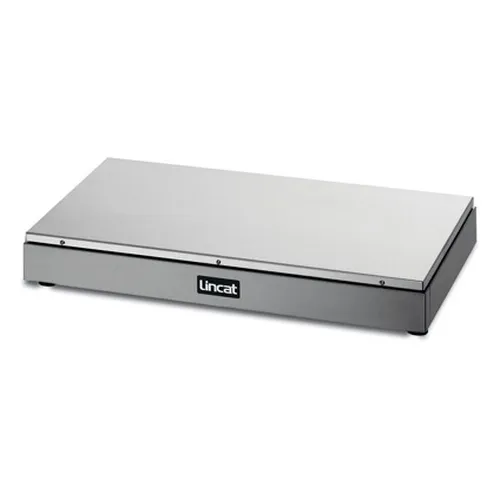
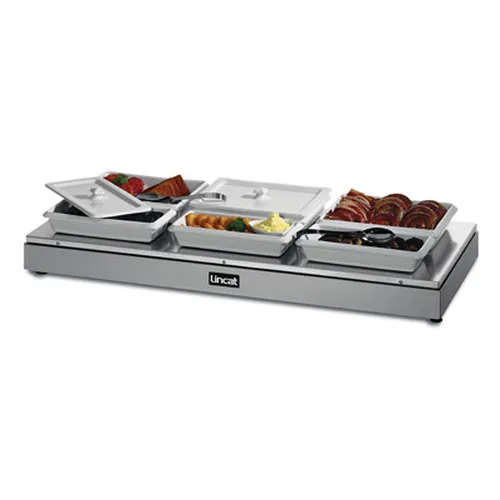
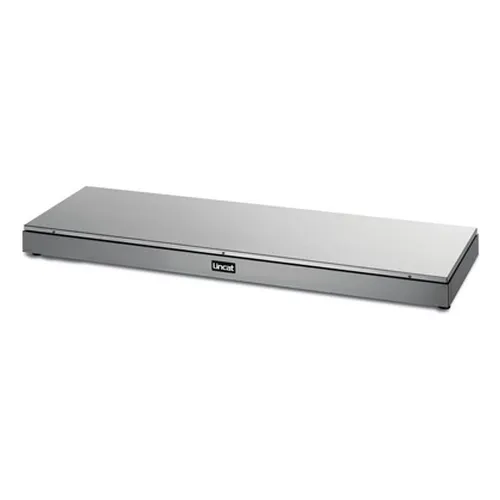
Catering hot plates keep cooked food hot between the kitchen and the table. Seven models sit in this range, from the 330mm twin coffee jug hotplate to the 1,434mm Lincat HB4, each with adjustable heat and built to hold plates, pans, and gastronorm trays at serving temperature through a whole service.
Two different things get sold as a hot plate, so check which one you need. A serving hotplate is a heated holding base: it keeps cooked food warm on the pass or the buffet. A cooking hotplate is a solid-top hob used for searing, frying and finishing. Everything on this page is the first type – buy elsewhere if you want a cooking surface. Every model carries adjustable heat, so you set a holding temperature rather than switching on and off.
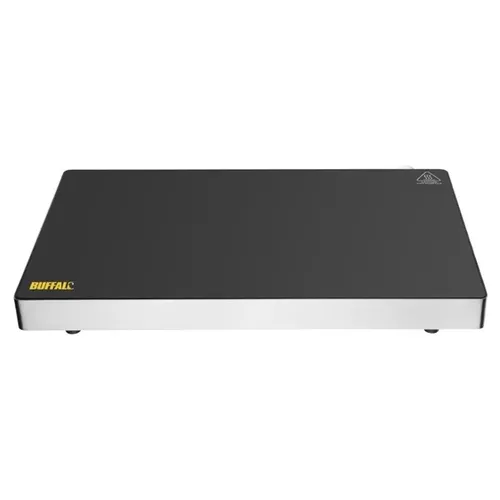
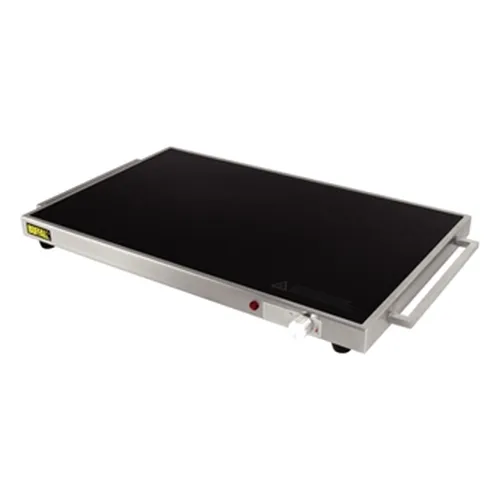
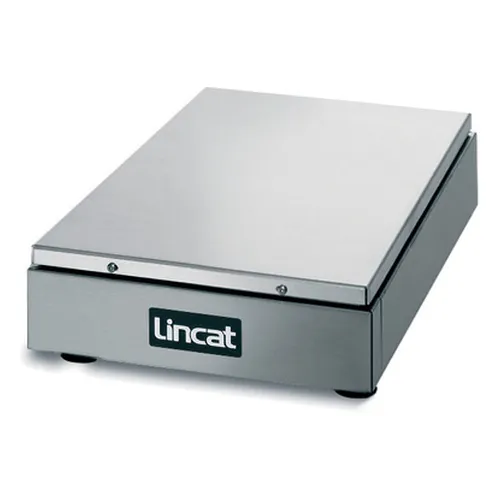
Stainless steel construction runs through the range, with flat tops that wipe down between services: a ceramic glass induction surface on the Buffalo large plate, single-thermostat heated bases across the Lincat HB1 to HB4, and a compact warming tray for a carvery or breakfast station.
The Key Decision: Plate Width, Zone Count and What Your Bench Will Take
Start with the bench, then the plate. The four Lincat heated bases run 308mm, 754mm, 1,094mm and 1,434mm wide and all are 531mm deep with a 115mm profile, so a spare metre of pass needs the 754mm HB2, not the 1,434mm HB4.
- Width buys volume. A 308mm plate holds a single dish or a short row of plates; 1,434mm holds a full run for a carvery or a busy lunch pass. Count how many plates leave the pass in your busiest 20 minutes, then size to that.
- Zone count buys flexibility. One thermostat across a wide surface holds everything at the same temperature, which suits most menus. Where you need a hot hold and a gentler hold side by side, two smaller plates set separately beat one wide unit.
- Match the plate or pan to the surface. The Buffalo induction hot plate takes pan bases from 120mm up to 510 x 310mm and fits a full-size GN 1/1 tray. Oversized trays overhang the edge, lose heat and waste energy.
- Pick control you can hold steady. Thermostatic or digital control holds a set temperature through service; a plain on/off switch lets the surface swing too hot and too cool.
- Buy the build, not just the output. Stainless steel bodies take knocks, resist staining and clean quickly, and the four Lincat models come with a two-year on-site parts and labour warranty.
Trade Insight: Heat-Up, Recovery and the Daily Grind
Preheat before service starts, not as the first order lands. A cold hotplate drags the first courses down with it. Switch it on at the start of prep, set the holding temperature, and let the surface settle before plating anything.
Recovery matters more than the top temperature. Every tray that lands on the plate pulls heat out of it. A thermostatic or digital control keeps working to bring the surface back up; a basic on/off control waits for its next cycle while your food cools.
Buffet and pass work the surface in opposite ways. A buffet plate holds one open tray for hours in front of guests, so width and even heat matter; a pass plate takes constant traffic – plates in, plates out – so recovery speed and a cleanable top matter more than surface area.
- Hold at 63°C or above. Food that is not served straight away must be held at 63°C or higher; below that, it has two hours before it must be cooled fast to 8°C or thrown away. Set the plate above the minimum and probe the food, not the metal.
- Warm plates hold heat longer. Pulling plates from a hot cupboard or plate warmer keeps a portion hot for longer than loading cold crockery onto a hot plate.
- Back-of-house holding is about timing. A hotplate in the kitchen keeps a batch alive between orders; on the pass it warms plated food while the rest of the table is finished. Buy for the job you are actually doing.
- Clean cool, clean often. Switch off, unplug and let the plate cool completely, then wipe the stainless body with a food-safe sanitiser. Keep water out of the controls, never immerse the unit, and check the cable and plug as part of your portable appliance testing.
- Safety is built in, so keep it working. The Buffalo induction plate has no flames, overheat protection and a pan detection cut-out that switches off when the pan lifts. Induction pans only – aluminium and glass will not heat.
Why Buy from Ascot Wholesale
- Trade pricing on every line. All seven models are listed at trade pricing, with bulk pricing when you are fitting out more than one site.
- Free delivery on qualifying orders – UK mainland orders ship carriage-free above our free-delivery threshold, with a flat carriage charge below it.
- Price match on like-for-like quotes. Send us a written quote on the same model and we will match it.
- 25 years of hospitality supply. Serving restaurants, hotels, cafés and event caterers, with leasing options on larger equipment.
- Two-year warranty support on Lincat. The four Lincat heated bases carry a two-year on-site parts and labour warranty, and the team is on the phone if a unit plays up mid-service.
Planning the whole servery? Start with the Servery & Display Equipment range, add chafing dishes for buffet hot holding and finish with hot cupboards and plate warmers for warm plate storage.
Frequently Asked Questions
Do catering hot plates cook food or just keep it warm?
They keep cooked food warm; they do not cook. Every model on this page is a holding surface for plates, pans and gastronorm trays – for searing and frying you need a solid-top cooking range instead.
How many heat zones do I need on a hotplate?
One is enough when everything on the plate is held at the same temperature, which covers most passes. Buy two smaller plates when you need a hot hold and a gentler hold side by side, and check your bench width before adding a second unit.
What temperature should a hotplate hold food at?
Food that is not served straight away must be held at 63°C or above, and can stay below 63°C for up to two hours before it must be cooled quickly to 8°C or discarded. Set the plate above that minimum and probe the food, not the surface.
Can I use any pan on an induction hot plate?
No. The Buffalo induction hot plate needs induction-compatible pans, takes pan bases from 120mm up to 510 x 310mm and fits a GN 1/1 tray. Aluminium and glass pans will not heat on it.
How wide a hotplate do I need for my pass?
Measure the free bench first, then pick the nearest width: 308mm, 754mm, 1,094mm or 1,434mm across the Lincat HB range, or a 550 x 350mm warming tray for a carvery. Leave front clearance for plating and keep the unit clear of the pass door.
How do I clean and look after a stainless steel hotplate?
Switch off, unplug and let it cool fully, then wipe the stainless body with a food-safe sanitiser. Keep water out of the controls, never immerse the unit, and check the cable and plug as part of your portable appliance testing.
Useful Sources
- GOV.UK – Food hygiene for businesses: cooking food safely, including the 63°C hot holding rule.
- HSE – Catering and hospitality, health and safety guidance for hospitality businesses.
- Gas Safe Register – check an engineer’s registration before installing or servicing any gas-fired hotplate or range.