

Up to 40% off
Glassware
Shop
Bar Accessories

Get 30% off
Tableware
Shop
Refrigeration

Save Up To 30%
Front of House
Shop
Kitchen Accessories
Shop
Catering Equipment
Shop
Cleaning

Get 30% off
Disposables
Category
- Catering Equipment Wholesale (3)
- Commercial Food Preparation Equipment (3)
- Juice Extractors (3)
- Commercial Food Preparation Equipment (3)
Brand
- Hamilton Beach (1)
- Ceado (2)
Product Type
- Juice Extractors (3)
Warranty
- 1 Year (2)
Price
Min: £
Max: £
Juice Extractors
Showing all 3 results
-
£1,499.00 Ex. VAT
-
£2,199.00 Ex. VAT
-
£2,047.50 Ex. VAT
Showing all 3 results
Commercial Juice Extractors for Cafés, Bars and Restaurants
A commercial juice extractor is built to handle continuous juice service at volume – breakfast rushes, juice bars, cocktail prep and fresh juice menus – without the motor overheating or juice quality dropping across a service. Centrifugal juice extractors spin fruit and vegetables at high speed, separating juice from pulp fast – suited to high-volume fresh juice service where speed and output matter. Citrus extractors press citrus fruit directly – lemons, limes, oranges and grapefruits – for bars, cocktail programmes and breakfast service.
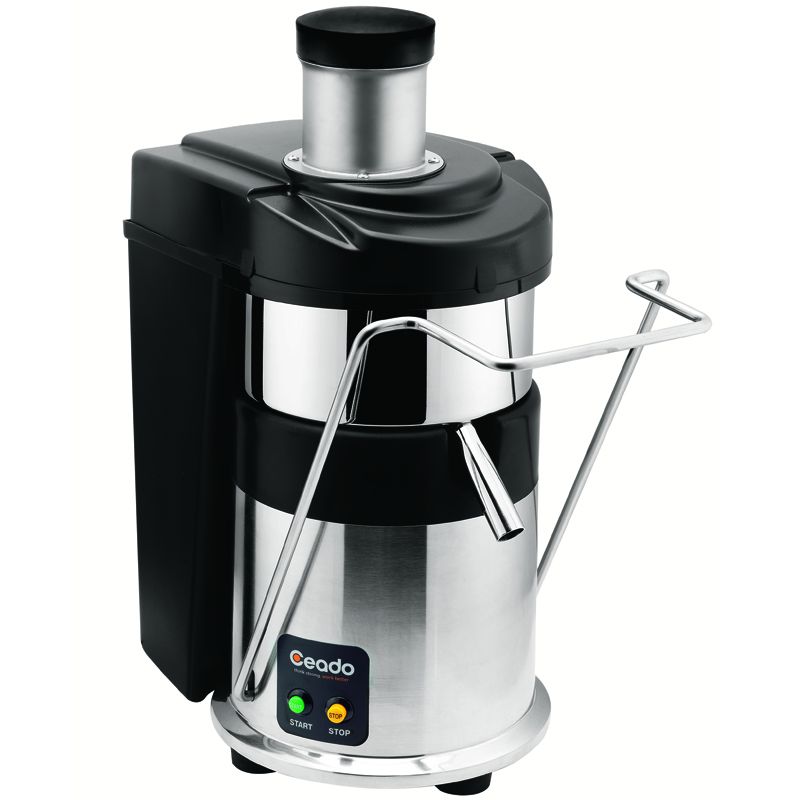
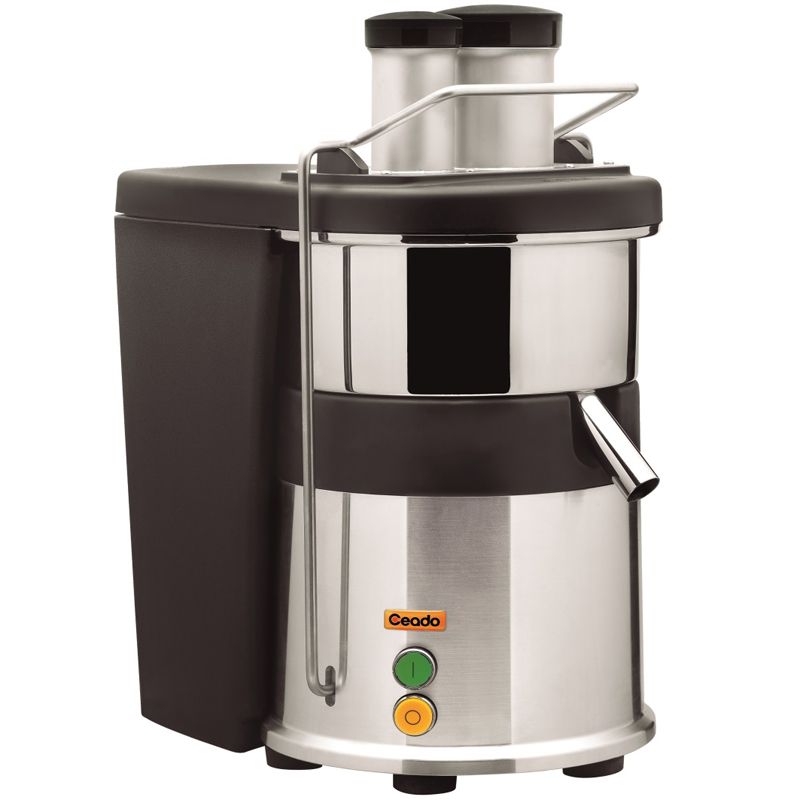
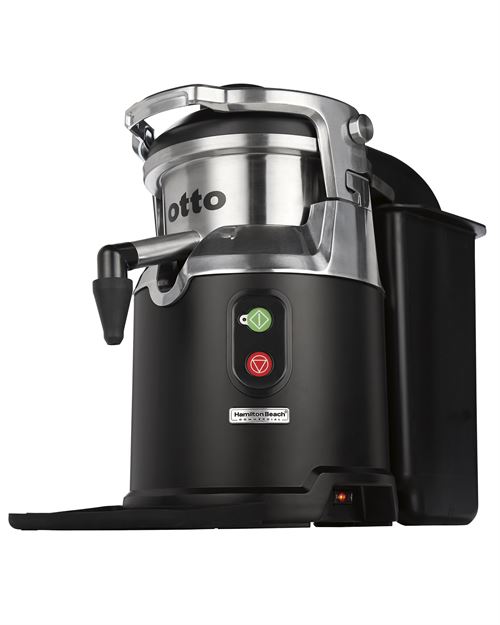
Ascot Wholesale stocks commercial juice extractors from Ceado and Hamilton Beach – the Ceado ES500 and ES700 centrifugal extractors and the Hamilton Beach Otto centrifugal juice extractor. All three are purpose-built for commercial service environments, not domestic use. Trade pricing, reliable stock, UK delivery.
How to Choose a Commercial Juice Extractor
- Centrifugal vs citrus extractor – A centrifugal juice extractor handles a wide range of fruit and vegetables – apples, carrots, beetroot, ginger, celery – at high speed and high output. A citrus extractor is designed specifically for citrus fruit: oranges, lemons, limes and grapefruits. For a juice bar or breakfast menu running mixed fruit and vegetable juices, a centrifugal extractor is the right choice. For a bar or restaurant running citrus juice for cocktails and dressings only, a dedicated citrus extractor is faster and easier to clean.
- Motor power and duty cycle – Commercial juice extractors run continuously during service. Check the motor rating and the duty cycle – how long the machine can run before it needs to rest. A machine that overheats mid-service is a machine that stops production. Ceado and Hamilton Beach Otto are rated for continuous commercial use.
- Output volume – Match the machine to your peak juice demand. The Ceado ES500 and ES700 are high-output centrifugal extractors suited to juice bars and high-volume breakfast service. The Hamilton Beach Otto suits bars and restaurants running fresh juice as part of a wider drinks programme.
- Ease of cleaning – A juice extractor that is difficult to clean will not be cleaned properly between services. Look for removable filter baskets, dishwasher-safe components and smooth internal surfaces. Ceado extractors are designed for fast disassembly and cleaning between rushes.
- Footprint and counter space – Commercial juice extractors are countertop units. Check the footprint against your available counter space before ordering – a unit that doesn’t fit the prep area won’t be used efficiently.
Trade Insight
Ceado is the specialist in commercial centrifugal juice extraction. The ES500 and ES700 are used in juice bars, hotels and high-volume café operations across Europe. The ES700 runs a larger feed chute and higher motor output than the ES500 – suited to operations running continuous juice service across a full breakfast or lunch service. Both models are built in Italy to commercial specification, not rebranded domestic units.
The Hamilton Beach Otto is a high-output centrifugal extractor suited to bars and restaurants running fresh juice as part of a cocktail programme or breakfast menu. At £2,047 ex. VAT it sits at the premium end of the range – the Otto is built for sustained commercial use and delivers consistent juice quality across a full service.
Juice temperature matters for quality and shelf life. Centrifugal extractors generate heat through high-speed spinning – juice served immediately after extraction is at its best. Juice held for service should be chilled immediately after extraction and consumed within four hours for optimal quality. HACCP records for fresh juice holding temperature and time are required under UK food safety regulations.
Filter maintenance is the most common cause of output drop. A blocked or partially blocked filter basket reduces juice yield and increases pulp content in the juice. Clean the filter basket between batches during service – a 60-second rinse under running water restores full flow. Replace filter baskets at the manufacturer’s recommended interval, not when they visibly fail.
Why Buy from Ascot Wholesale
- Competitive trade pricing – across the Ceado and Hamilton Beach commercial juice extractor range.
- Specialist brands – Ceado ES500 and ES700, and Hamilton Beach Otto – purpose-built for commercial juice service, not domestic rebrands.
- Centrifugal extractors for high-volume service – suited to juice bars, hotel breakfast, café service and cocktail bar programmes.
- Free delivery on qualifying orders – across the UK mainland.
- Trade accounts for regular buyers – cafés, bars, hotels and contract caterers placing ongoing orders.
- 25 years supplying UK hospitality – trade authority built on real commercial experience across restaurants, hotel kitchens and bar operations.
Browse our full Food Preparation Equipment range, or explore related categories: Blenders and Commercial Food Mixers.
Frequently Asked Questions
What is the difference between a centrifugal juicer and a citrus extractor?
A centrifugal juicer spins fruit and vegetables at high speed to separate juice from pulp – suited to a wide range of produce including apples, carrots, beetroot and ginger. A citrus extractor presses citrus fruit directly – oranges, lemons, limes and grapefruits. For a juice bar or breakfast menu running mixed produce, a centrifugal extractor is the right choice. For a bar running citrus juice for cocktails only, a dedicated citrus extractor is faster and easier to clean.
How long can a commercial juice extractor run continuously?
This depends on the motor rating and duty cycle of the specific model. Ceado ES500, ES700 and Hamilton Beach Otto are all rated for continuous commercial use during a full service. Check the duty cycle on the product spec sheet – some models require a rest period after extended continuous use. Running a machine beyond its duty cycle causes motor overheating and premature failure.
How do I clean a commercial juice extractor between services?
Remove the filter basket and pulp collector after each service and rinse under running water. During a busy service, a 60-second rinse of the filter basket between batches maintains juice flow and output quality. Ceado extractors are designed for fast disassembly – the filter basket, juice collector and pulp tray all remove without tools. Check the manufacturer’s cleaning instructions for dishwasher-safe components.
How long can fresh juice be held before service?
Fresh juice should be chilled immediately after extraction and consumed within four hours for optimal quality and food safety compliance. HACCP records for fresh juice holding temperature and time are required under UK food safety regulations. Juice held beyond four hours at incorrect temperatures presents a food safety risk and must be discarded.
What is the difference between the Ceado ES500 and ES700?
The Ceado ES700 runs a larger feed chute and higher motor output than the ES500 – suited to higher-volume operations running continuous juice service across a full breakfast or lunch service. The ES500 suits smaller cafés and juice bars with moderate output requirements. Both are centrifugal extractors built to the same commercial specification – the ES700 is the higher-capacity model.
Do I need a separate citrus extractor if I already have a centrifugal juicer?
Not necessarily. A centrifugal extractor handles citrus fruit alongside other produce. However, a dedicated citrus extractor is faster for high-volume citrus-only output – bars running large volumes of fresh lemon or orange juice for cocktails often run a dedicated citrus press alongside a centrifugal extractor for efficiency. For most operations running a mixed juice menu, a centrifugal extractor alone is sufficient.