





To vet a commercial catering equipment supplier, check their industry experience, reputation and certifications. Check online reviews, contact references, and review customer testimonials for reliability.
Evaluate design and installation expertise, ensure industry standards. Confirm transparency in quotes, costs and warranty coverage. Assess the quality, durability and regulatory compliance of equipment. Investigate scalability for future growth. Prioritise solutions for your specific operational needs.
There’s more to discover about finding the perfect supplier for your business and supplier evaluation tips for catering equipment ahead.
Summary
- Check the supplier’s reputation by checking online reviews and contacting references for feedback on service quality and delivery reliability.
- Ensure technicians have necessary certifications for installation and layout expertise, including electrical and gas connections.
- Confirm equipment compliance with industry standards and regulations, including safety and environmental certifications.
- Get detailed, transparent quotes that cover all costs and verify warranty coverage and after-sales support.
- Assess the supplier’s ability to provide scalable, durable equipment that supports current needs and future growth plans.

Assess Industry Experience and Reputation
When choosing a catering equipment supplier, evaluating their industry experience and reputation is key. Start by checking their years of experience in the commercial catering industry. This means they understand professional kitchen equipment. Evaluating a catering equipment supplier’s industry experience is key to understanding a professional kitchen.
Next, check their reputation by reading customer testimonials, case studies and references. These will give you an idea of their service quality. Look for industry certifications, awards or memberships in professional associations as an indicator of credibility and expertise. These often show a commitment to industry standards and expertise.
Ask about current industry standards and compliance regulations. A supplier with industry experience and a good reputation will provide reliable equipment and support for your catering business.
Evaluate Design and Installation Expertise
To evaluate a supplier’s design and installation expertise, start by checking that their technicians have the necessary certifications in electrical, gas and HVAC systems for installation. Request project references or case studies that show their experience in designing and installing commercial kitchens like yours.
Check if they work with architects or design specialists to create layouts that optimise space and workflow. Also, ensure they provide post-installation support, staff training and maintenance.
Assess Layout Planning Skills
Evaluating a catering equipment supplier’s layout planning skills is crucial to ensure your commercial kitchen runs smoothly and efficiently. Begin by asking for case studies or project references to check their layout planning skills.
Check their understanding of industry standards for equipment placement, ventilation and safety compliance.
| Consideration | Importance |
|---|---|
| Layout Planning | Ensures seamless workflow |
| Equipment Placement | Maximises space utilisation |
| Safety Compliance | Adheres to industry regulations |
| Space Utilisation | Optimises operational efficiency |
Make sure they provide detailed schematic layouts for your specific needs. These should optimise workflow and consider ergonomics. Confirm they can fit the equipment through existing doorways and ensure proper clearance and accessibility.
Post-installation support and site visits are also crucial to verify efficient operation and compliance with safety standards.
Verify Installation Qualifications
Ensuring your catering equipment supplier has the correct installation qualifications is key to a successful kitchen setup. Start by checking that they employ licensed and certified technicians, ensuring safety standards. This means your equipment is installed correctly and safely.
Ask for case studies or references to check their experience with similar commercial kitchens. Their team should be experts in system integration, managing complex elements like ventilation, gas and electrical connections seamlessly.
Site visits and custom design solutions for your needs are critical. Check that they follow industry regulations and manufacturer guidelines during the installation process. This attention to detail prevents operational or safety issues down the line, so your kitchen runs smoothly and safely from day one.
Evaluate Workflow Optimisation
Once you’ve checked installation qualifications, it’s time to evaluate how well your catering equipment supplier can optimise workflow in your kitchen. Look for a supplier with experience in designing layouts that improve workflow efficiency and reduce staff movement.
They should provide detailed installation plans, guaranteeing equipment placement supports smooth operation and meets safety standards.
Consider these:
- Review case studies: Ask for examples where their design minimised bottlenecks and increased productivity.
- Seek expert advice: Assure they can advise on equipment positioning, space constraints and future growth.
- Check qualifications: Their team should include qualified engineers who understand kitchen workflows.
- Tailored solutions: Confirm they can customise layouts for your operational needs.
This thorough evaluation will lock in an efficient kitchen setup.

Review Customer Feedback and References
To gain a clear picture of a supplier’s reputation and consistency in service quality, start by checking online reviews and testimonials. Contact previous clients or request references to confirm details about their service delivery times, equipment performance, and after-sales support.
Ensure the feedback comes from businesses similar to yours, ensuring the insights are relevant and applicable to your specific needs. To get a clear picture of a supplier’s reputation and service quality, start by checking online reviews and testimonials.
Contact previous clients or request references to confirm their service delivery times, equipment performance and after-sales support. Make sure the feedback comes from businesses like yours so the insights are relevant to your needs.
Check Past Client Experiences
Why is it essential to check past client experiences when vetting a catering equipment supplier? Customer reviews and client feedback give you an insight into the supplier’s reputation. It helps you measure the service quality and product reliability.
Reach out to past clients directly. Ask about their experience with delivery times and after-sales support.
This will uncover patterns and highlight potential risks such as:
- Delays in delivery that disrupt operations.
- Poor communication leads to misunderstandings.
- Equipment faults that affect performance.
- Compliance with industry standards.
Ask for references for similar projects to ensure the supplier meets your expectations. Analyse the feedback for recurring issues that could impact your business.
Check Supplier Reputation Online
How can you ensure your catering equipment supplier is reputable? Start by checking online reviews on Google, Trustpilot or industry-specific forums to get customer feedback. A good supplier reputation is reflected in consistent positive reviews about delivery times, product quality and after-sales support. This will give you an idea of the supplier’s reliability.
Next, request references from previous clients and contact them directly. This will verify satisfaction levels and the quality of service. Look out for any issues with warranty claims, repairs or customer service.
Review supplier ratings and testimonials to evaluate their industry standing. This will ensure you’re making an informed decision and minimising risks when buying commercial catering equipment.
Check Service Quality Consistency
When evaluating a catering equipment supplier, you need to ensure their service quality is consistent. Start by reviewing customer feedback and online reviews. Look for patterns in response and professionalism.
Don’t hesitate to contact previous clients or request client references to verify reliability and after-sales support.
- Check testimonials for mentions of handling urgent issues quickly to minimise downtime.
- Confirm they maintain product quality and support over time, not just during the sales period.
- Evaluate their communication clarity and transparency on service records, warranties and post-purchase support.
- Guarantee they have detailed service records to back up their claims.

Verify Transparency in Quotes and Costs
Evaluating a catering equipment supplier’s transparency in quotes and costs is vital for avoiding unexpected expenses. Start by insisting on transparent quotes with detailed estimates that outline each cost, including delivery, installation, freight, gassing, and warranties.
This level of supplier transparency ensures you’re aware of all potential expenses upfront, reducing the risk of hidden fees. Request written estimates and compare multiple quotes to verify consistency and supplier transparency.
A thorough cost breakdown is essential; suppliers offering vague, lump-sum pricing may be attempting to conceal additional charges. Always confirm that the quote covers everything you need, and be cautious of those who are reluctant to provide detailed explanations.
This careful approach helps you make an informed purchasing decision.
Check Warranty and After-Sales Support
Transparency in quotes is just the beginning of making a wise decision. Next, you should also check the supplier’s warranty and after-sales support. A comprehensive warranty covering parts and labour for at least 12 months is a must. Make sure they provide clear documentation on warranty terms, conditions and procedures for repairs and replacements.
Consider these points:
- Verify their after-sales support system is reliable, with responsive customer service and quick technician availability.
- Do they offer routine maintenance plans or service contracts to extend the equipment’s life?
- Check customer testimonials or industry reviews to gauge the quality of their support.
- Do they have service contracts to prevent breakdowns?
This will protect your investment and support it.
Check Compliance With Local Regulations
Before you make your final decision on a catering equipment supplier, you need to confirm that the equipment complies with local regulations. You need to ensure the supplier provides equipment that meets local health and safety standards, such as the NT Food Safety Regulations and Australian Standards.
Verify the equipment comes with necessary certifications, such as CE, NSF or Australian Compliance Labels that show compliance with regulations.
| Compliance Aspect | Verification Needed |
|---|---|
| Health and Safety | NT Food Safety, Australian Standards |
| Certifications | CE, NSF, Australian Compliance Labels |
| Installation | Legal standards for extraction and fire safety |
| Documentation | Compliance tests, environmental, safety laws |
Request documentation to verify compliance and ensure the supplier is up-to-date with regulatory changes. This will ensure ongoing compliance.
Check Equipment Quality and Durability
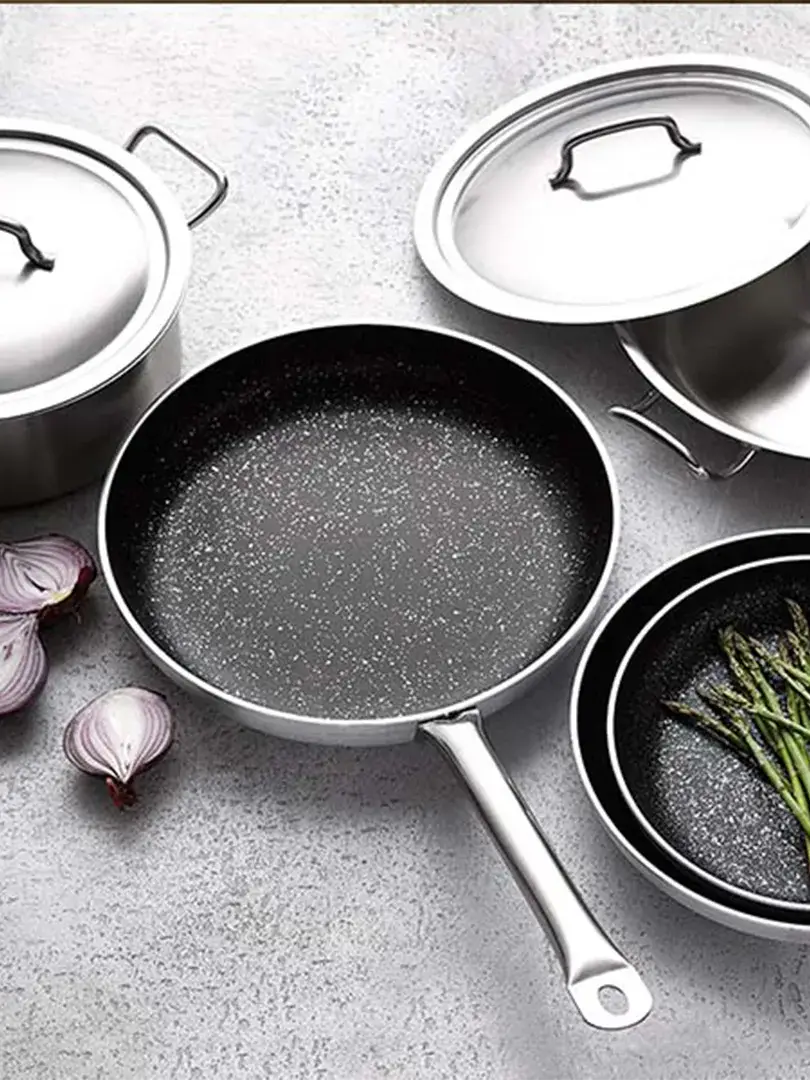
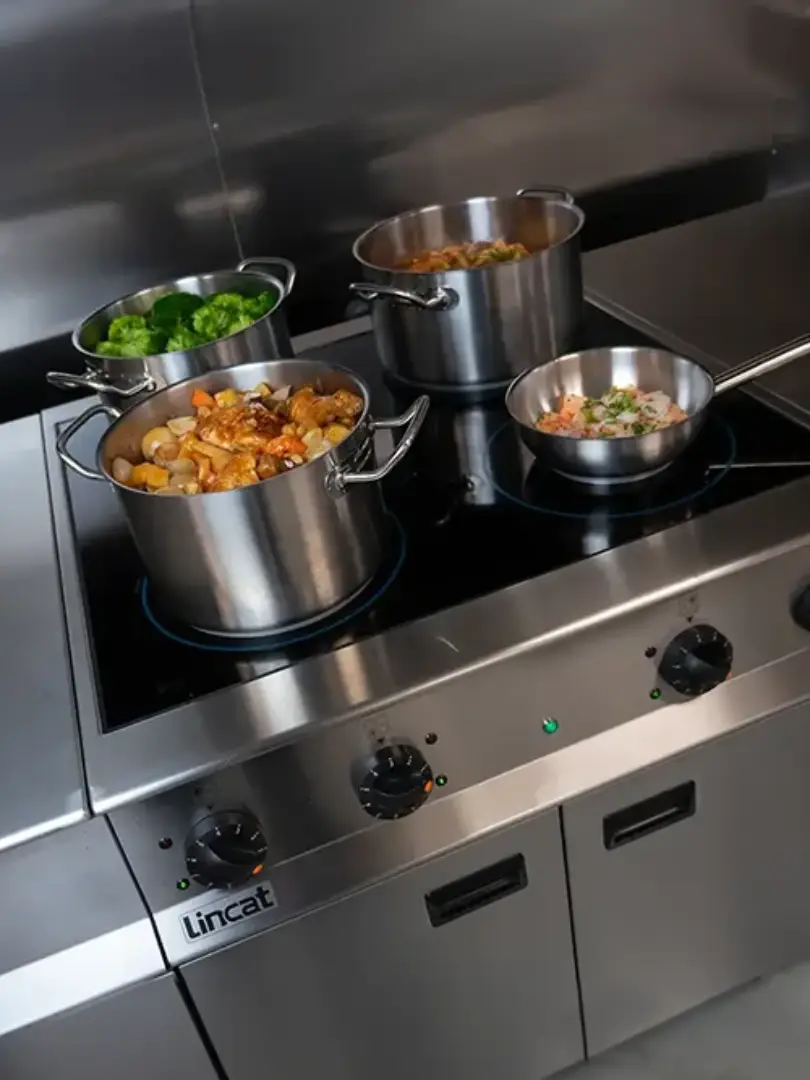
Once you’ve checked compliance with local regulations, it’s time to focus on the equipment quality and durability. Reputable suppliers provide equipment made from durable materials like stainless steel, which is known for its corrosion and wear resistance. Choosing high-quality equipment means long-term operational efficiency.
Consider these:
- Reputable brands: Choose equipment from well-known brands with a proven track record.
- Heavy-duty components: Opt for equipment designed for continuous heavy use.
- Industry certifications: Look for NSF or CE markings to confirm compliance with standards.
- Comprehensive warranties: Ensure suppliers provide warranties that guarantee resilience.
Investing in robust, reputable equipment minimises the risk of breakdowns, costly repairs and replacements and keeps your operations running smoothly in high-demand environments.
Check Scalability and Future-Proofing
As you plan for growth, you need to choose a catering equipment supplier that supports scalability and future-proofing. Start by ensuring they offer modular equipment with flexible features that can be easily expanded or upgraded as your business grows.
Verify they provide full future-proofing advice to ensure compatibility with changing industry standards and technology. Check their track record of supporting clients through business growth with scalable solutions.
Confirm they have spare parts and service support for larger or newer models to cater for future equipment needs.Do they have high-capacity or multi-functional equipment that can adapt to increased demand over time?
Choose a supplier who guarantees that your equipment support aligns with your long-term goals.
Prioritise Solutions for Your Business
When choosing a catering equipment supplier, you need to prioritise solutions for your business. A reputable supplier will assess your menu, kitchen layout and volume to ensure the equipment meets your operational needs. Look for suppliers who offer customised solutions over generic packages, aligning equipment with your space and workflow.
Consider these:
- Site visits: Suppliers should visit your site to understand your setup and offer tailored layouts to maximise space.
- Equipment options: Choose suppliers who provide a range of options to cater for different budgets and growth plans.
- Operational needs: Vendors should recommend equipment that can handle the complexity of your menu and peak times.
- Independent advice: Prioritise suppliers who offer unbiased advice to get the best fit for your business.

Last Orders
When choosing a commercial catering equipment supplier, you need to do your due diligence. Check that they have design and installation expertise and customer references.
Transparency in quotes and extended warranties is a must, and compliance with local regulations is a must. High-quality, durable equipment that meets your needs and is scalable for growth.
Then you’ll have a solid partnership for your business’s long-term success and efficiency.