




Commercial equipment maintenance is key. Regular maintenance means efficient operations, longer equipment life and high safety standards.
Follow the equipment maintenance basics for hospitality, manufacturer’s guidelines, do regular checks and train staff to prevent misuse and prolong appliance life.
Keep detailed records of cleaning and repair tasks, and use professional services as needed to identify issues quickly. This prevents costly breakdowns and compliance with safety regulations. There’s more to read on optimising equipment for peak performance.
Summary
- Regular maintenance prevents breakdowns, ensures smooth operations and reduces downtime in commercial kitchens.
- Following manufacturer guidelines prevents costly repairs and maintains equipment warranties for long-term reliability.
- Proper staff training minimises misuse, reduces equipment wear and promotes a proactive maintenance culture.
- Detailed documentation of maintenance tasks supports compliance and future planning.
- Early fault recognition through monitoring prevents major failures in catering equipment.
Why Maintenance is Important
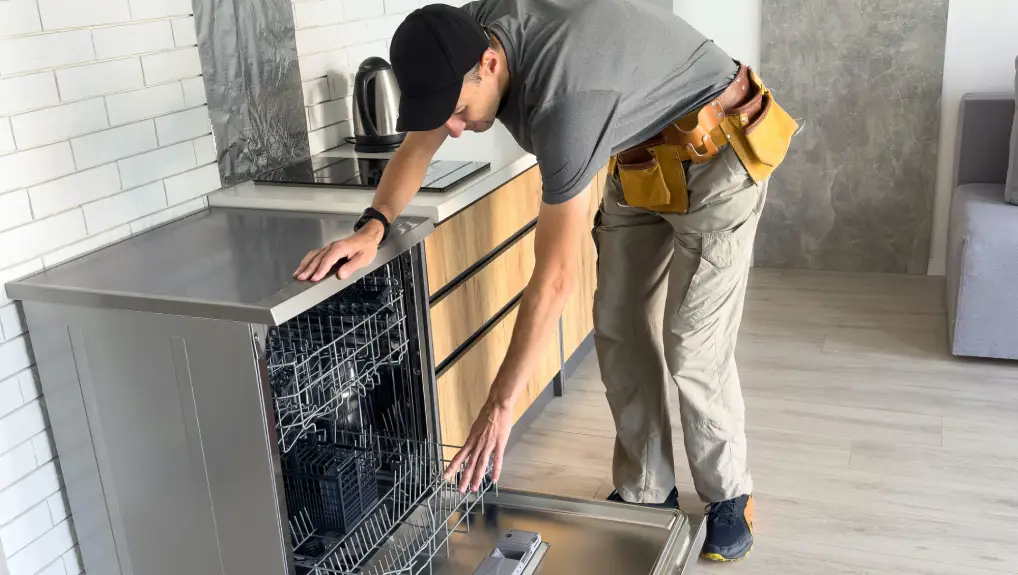
When it comes to commercial catering equipment, regular maintenance isn’t just good practice, it’s essential. Maintenance means your commercial kitchens run smoothly, with no unexpected breakdowns to disrupt operations.
By cleaning and maintaining your equipment regularly, you can extend the life of your appliances, save money on replacements and repairs in the long run. It’s not just about functionality; regular cleaning plays a big part in high hygiene standards.
Grease and dirt buildup are common issues that can compromise cleanliness, so consistent upkeep is crucial. Regular maintenance also means compliance with health and safety regulations, staff and customer safety. A proactive approach prevents safety hazards, and your kitchen will be efficient and safe.
Manufacturer’s Guidelines for Equipment Care
Before installing or using your commercial catering equipment, read the user manual provided by the manufacturer thoroughly. Stick to the manufacturer’s instructions for installation, regular use and equipment maintenance. This will keep your warranty valid and headache-free.
Each piece of equipment has its own care requirements; if overlooked, it can lead to costly repairs or void your warranty. By following these guidelines, you’ll maximise equipment life and safety.
Don’t forget to sign up and maintain the manufacturer’s warranty. It provides recommended servicing and support, which is priceless. Ultimately, following these steps means smooth operations and longer equipment life.
Make sure your staff are trained on equipment use and maintenance, as it is a critical step for any commercial catering operation. Proper staff training reduces misuse by up to 30% and damage and repairs.
Regular training sessions keep your team informed on manufacturer guidelines and cleaning and maintenance procedures. Train your staff to recognise early warning signs of equipment faults to minimise downtime and repair costs. Well-trained staff maintain hygiene standards, and equipment is cleaned safely and effectively by industry regulations.
By incorporating maintenance into staff training, you’ll foster a proactive approach that extends the life of your commercial catering equipment. Investing in staff training will save you money and improve the efficiency and safety of your operation.
Creating a Cleaning Schedule
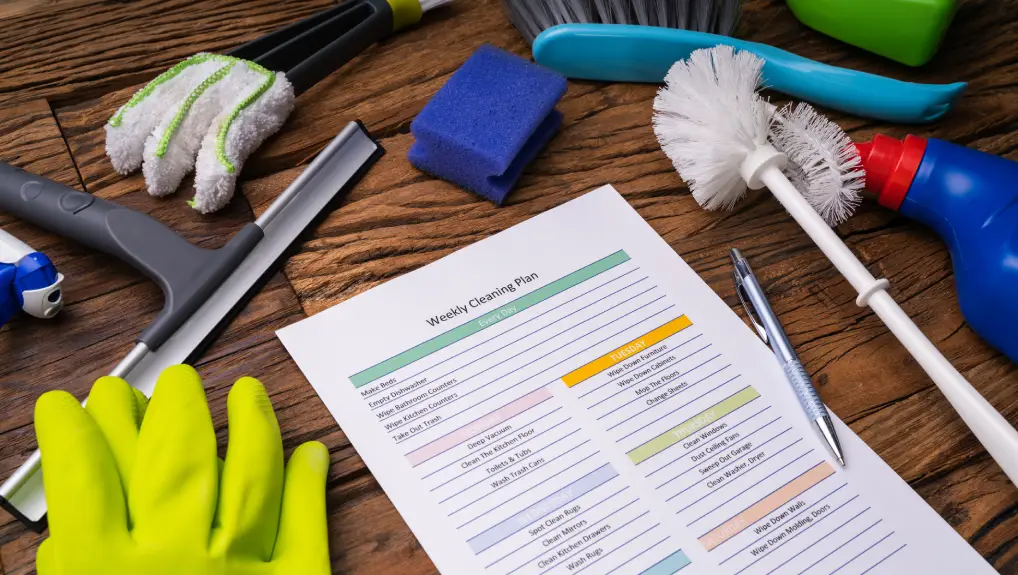
To keep your catering equipment in top shape, create a cleaning schedule that includes daily routines and periodic deep-cleaning tasks. Assign specific tasks to trained staff members, and they will use the correct cleaning agents and tools recommended by the manufacturer.
Daily and Periodic Cleaning
How often do you think about the grime building up on your kitchen appliances? Regular cleaning and maintenance mean smooth operations. Daily cleaning removes grease and food residue, ensuring peak performance and hygiene.
Focus on key components like filters and burners to prevent blockages and costly repairs. Create a schedule for daily and periodic cleaning to maintain equipment life.
Here’s a simple guide:
| Task | Frequency |
|---|---|
| Clean surfaces | Daily |
| Empty trash bins | Daily |
| Clean filters | Weekly |
| Deep-clean ovens | Monthly |
| Check refrigeration | Monthly |
Use the right cleaning agents for surfaces like stainless steel to prevent damage and keep your appliances in top condition. Consistent cleaning routines improve kitchen safety and compliance with regulations.
Assigning Cleaning Tasks
After you have a solid cleaning routine in place, you need to assign tasks to ensure this is followed. Clearly define cleaning tasks in your maintenance plan so every piece of kitchen equipment is properly cared for.
Assign dedicated staff to specific tasks based on shifts, skill levels and availability. This will promote accountability and prevent neglect of duties. Use manufacturer-recommended cleaning agents and techniques, and make sure staff know how to use them correctly to protect delicate components.
Schedule deep cleaning sessions to tackle grease and residue, especially in hard-to-reach areas. Document completed tasks to track compliance and identify patterns of neglect. This will maintain hygiene standards and support audits to ensure your kitchen meets all regulations.

Regular Inspections and Professional Servicing
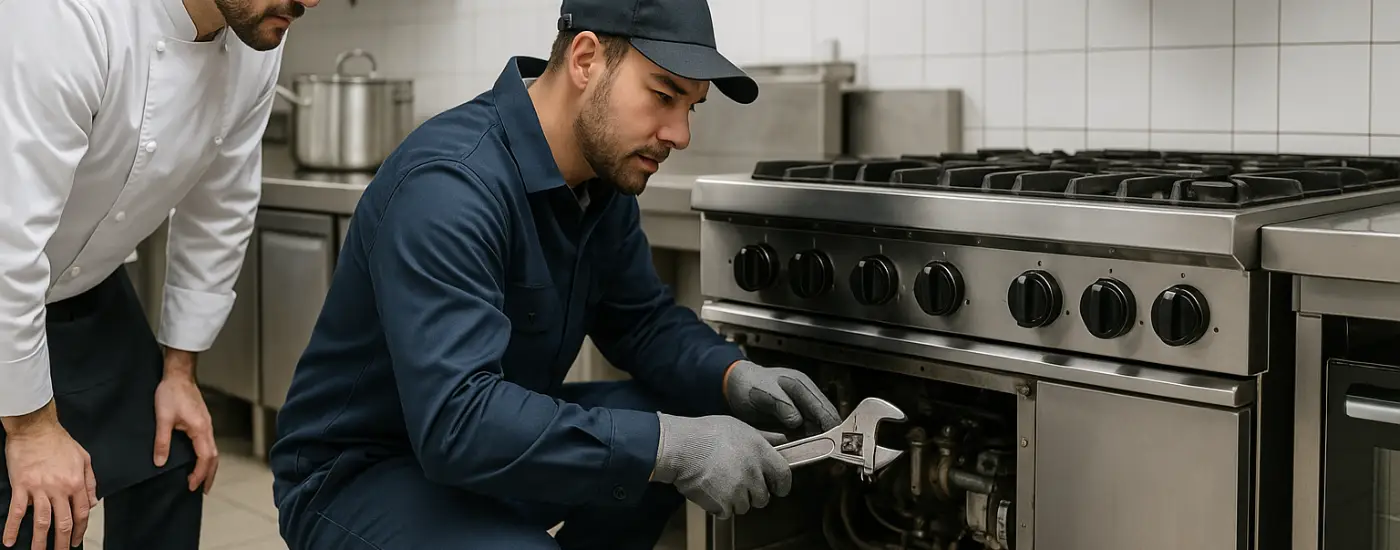
Regular inspections are key to identifying issues early and preventing breakdowns and downtime. By scheduling professional servicing, you ensure your equipment gets thorough cleaning, safety checks and calibration to keep everything running smoothly.
Don’t forget that tracking your equipment’s performance and maintaining detailed service records also supports warranty compliance and a maintenance history.
Early Issue Detection
When it comes to commercial catering equipment, regular inspections and professional servicing are your best friends in spotting issues early. Preventive maintenance, including thorough equipment inspections, guarantees early fault detection, which can save you from costly repairs and downtime.
Here’s how it works in practice:
- Wear and Tear: Regular inspections catch wear, corrosion or faulty components before they cause major failures.
- Critical Systems: Professional servicing checks gas connections and electrical systems to prevent dangerous malfunctions.
- Hidden Problems: Scheduled maintenance uncovers leaks or blockages that aren’t visible during daily clean-ups.
- Performance Tracking: Documented service records help track your equipment’s health to make informed decisions about repair or replacement.
Expert Maintenance Checks
How often do you think about the maintenance checks your commercial catering equipment needs? Regular professional inspections are essential to identify minor faults before they become costly breakdowns.
Scheduled servicing by qualified engineers involves thorough cleaning, safety checks and part replacement to keep your equipment running smoothly and safely. Routine inspections also verify compliance with safety standards, reducing risks like gas leaks and electrical faults.
Consider this:
| Benefits | Details |
|---|---|
| Continuous Operation | Minimises downtime and disruptions |
| Extended Lifespan | Part replacements and thorough cleaning |
| Safety Compliance | Reduces gas, electrical and fire risks |
Equipment Performance Tracking
While expert maintenance checks ensure your equipment is safe and compliant, it’s also essential to focus on performance tracking to guarantee peak efficiency. Equipment performance tracking involves regular inspections and professional servicing to identify wear and prevent unexpected breakdowns.
Routine maintenance ensures your appliances run efficiently, and food quality and safety standards. By keeping detailed records of inspections and repairs, you can track performance trends and schedule future maintenance.
Here’s how you can manage it:
- Schedule regular inspections: Qualified technicians can spot early signs of wear.
- Do routine maintenance: Disassemble, deep clean, and replace parts.
- Use professional servicing: Ensure appliances run at peak efficiency
- Keep records: Helps track trends and schedule maintenance.
Professional Maintenance Services
When it comes to your commercial catering equipment, using professional maintenance services can make a big difference in efficiency and reliability. Certified engineers do thorough cleaning, inspection and repair, reducing breakdowns. They use advanced tools and genuine parts to diagnose and repair on the first visit.
Certified engineers keep efficiency and reliability through thorough cleaning, inspection and genuine parts for accurate diagnostics. Regular servicing catches early signs of wear, prevents costly callouts and extends equipment life.
Here’s why you should use professional maintenance:
- Compliance and Warranty: Maintenance providers follow manufacturer guidelines, compliance and warranty.
- Reduced Downtime: Partner with experienced companies like NWCE to minimise downtime and maintain high standards.
- Safety: Professional services reduce safety hazards with faulty equipment.
- Cost: Regular servicing prevents expensive callouts and saves you money.
Accurate Maintenance Records
To manage your catering equipment, you need to keep accurate maintenance records of service history and repair frequency. By documenting maintenance, you comply with health and safety standards and extend equipment life. Digital record systems can make this easier, schedule maintenance and avoid downtime.
Service History
Keeping accurate records of your commercial catering equipment’s maintenance is key to optimal performance and industry standards. Proper record keeping of your equipment’s service history gives you a clear picture of past maintenance logs and identifies patterns or recurring issues. This, in turn, supports timely interventions and safety standards.
Here’s how to do it:
- Record Service Dates: Log every maintenance activity, dates and services performed.
- Track Repairs and Parts: Keep records of all repairs and parts replaced to assess the equipment.
- Use Digital Tools: Implement digital systems for easy access and maintenance of data.
- Compliance: Log to meet health and safety regulations and warranty claims.
Repair Frequency
Although it may seem tedious at times, monitoring the repair frequency of your commercial catering equipment is essential. Keeping repair records helps you identify patterns and issues, so you can schedule maintenance proactively. This proactive approach prevents breakdowns and downtime.
By documenting repair history, you support warranty claims and gain valuable insights into equipment performance over time. Tracking repair frequency can tell you when it’s more cost-effective to replace rather than repair specific equipment.
Detailed records improve communication with service providers so maintenance interventions are timely and targeted. Ultimately, meticulous record keeping helps you maintain efficiency and reliability of your catering operations, optimise performance and cost.
Maintenance Procedures
Ever wondered how record-keeping can transform your catering operations?
Maintaining accurate records is key to compliance with health and safety regulations and extending equipment life.
Here’s how you can document maintenance procedures:
- Keep Detailed Logs: Record all servicing, repairs and inspections, dates, tasks performed and technician notes. This helps identify recurring issues and warranty claims.
- Use Digital Tools: Implement digital record-keeping systems or spreadsheets. They make it easier to access and schedule maintenance.
- Analyse Data: Regularly updated maintenance records enable you to make informed decisions on repairs, replacements and budgeting.
- Compliance: Accurate documentation ensures compliance with safety standards and reduces future repair costs through targeted maintenance.
Identifying and Fixing Equipment Issues Quickly
When it comes to commercial catering equipment, identifying and fixing issues quickly is key to preventing downtime and seamless operations.
Maintenance and inspections are your first line of defence.
Listen for unusual noises and watch for leaks or performance drops; these are signs of equipment issues. Monitoring energy consumption and operational efficiency can also highlight hidden problems that need attention.
Don’t ignore minor faults like loose connections or worn-out parts; they can lead to bigger breakdowns if left unaddressed. Keep detailed logs and service records to track recurring issues and warranty compliance.
Also, schedule professional inspections at least twice a year so trained engineers can identify hidden faults that may be missed during daily checks.
Kitchen Safety and Performance Through Maintenance
To improve kitchen safety and performance, the maintenance of commercial catering equipment is essential. It ensures appliances run efficiently, reducing the risk of malfunction that can compromise safety.
Deep cleaning and inspections are key to preventing grease buildup and blockages that reduce fire hazards and health regulations. Servicing helps detect early signs of wear or damage, and prevents gas leaks or electrical faults. Proper care of ventilation and extraction systems is crucial for good air quality and the prevention of carbon monoxide poisoning.
Here are four benefits of regular equipment maintenance:
- Kitchen safety
- Equipment efficiency
- Contamination risks
- Health standards

Last Orders
By servicing regularly, you ensure your commercial catering equipment runs smoothly and safely. Follow manufacturer guidelines, train your staff and have a cleaning schedule.
Regular inspections and servicing help catch issues early, save you time and money. Use professional services as needed and keep records to track your equipment.
Fixing issues quickly improves safety and performance, so your kitchen runs efficiently all the time.