
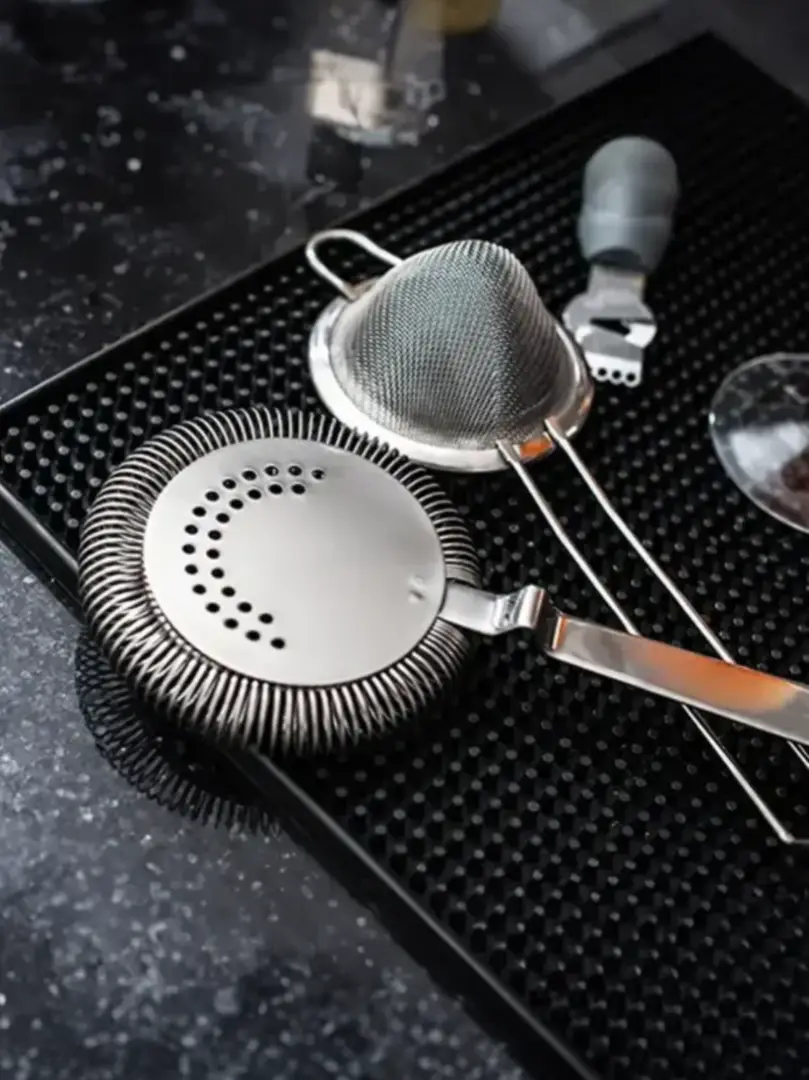

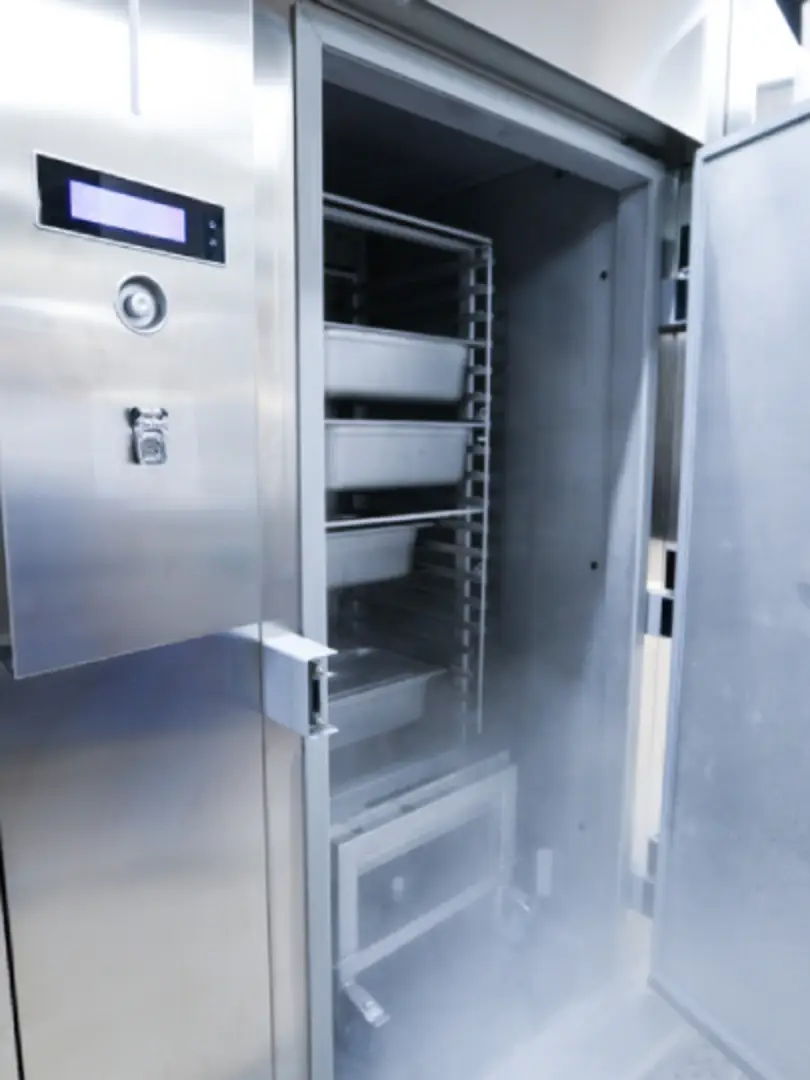

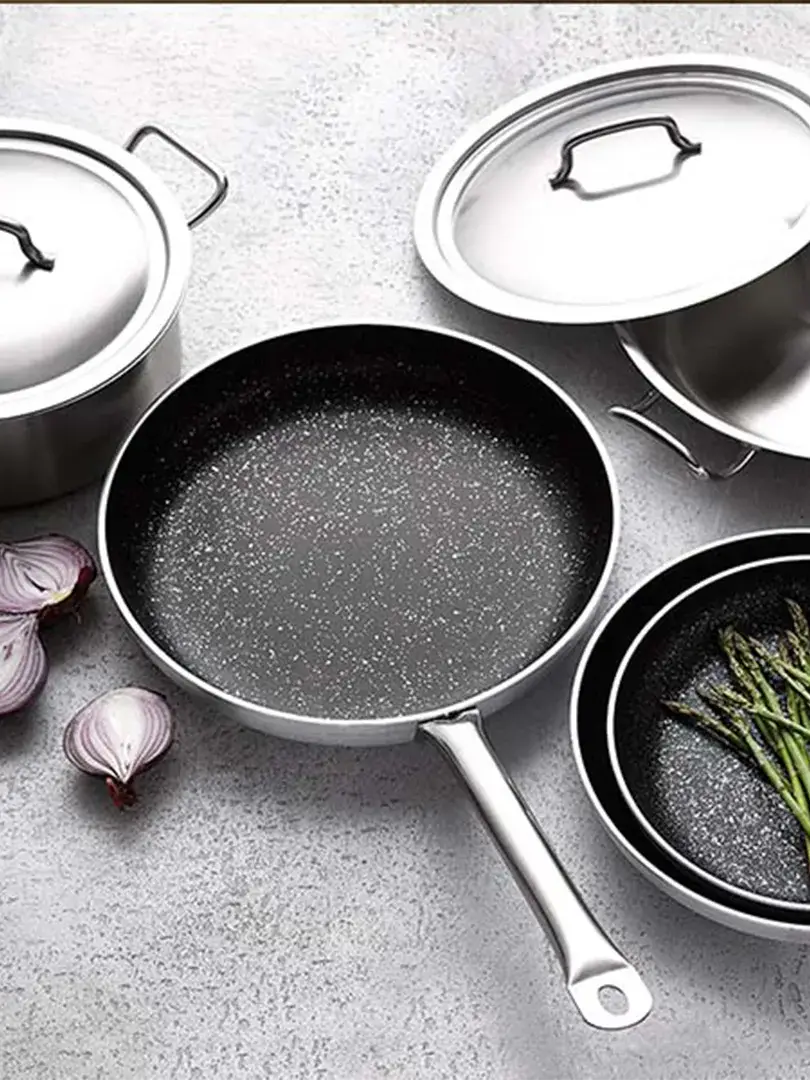
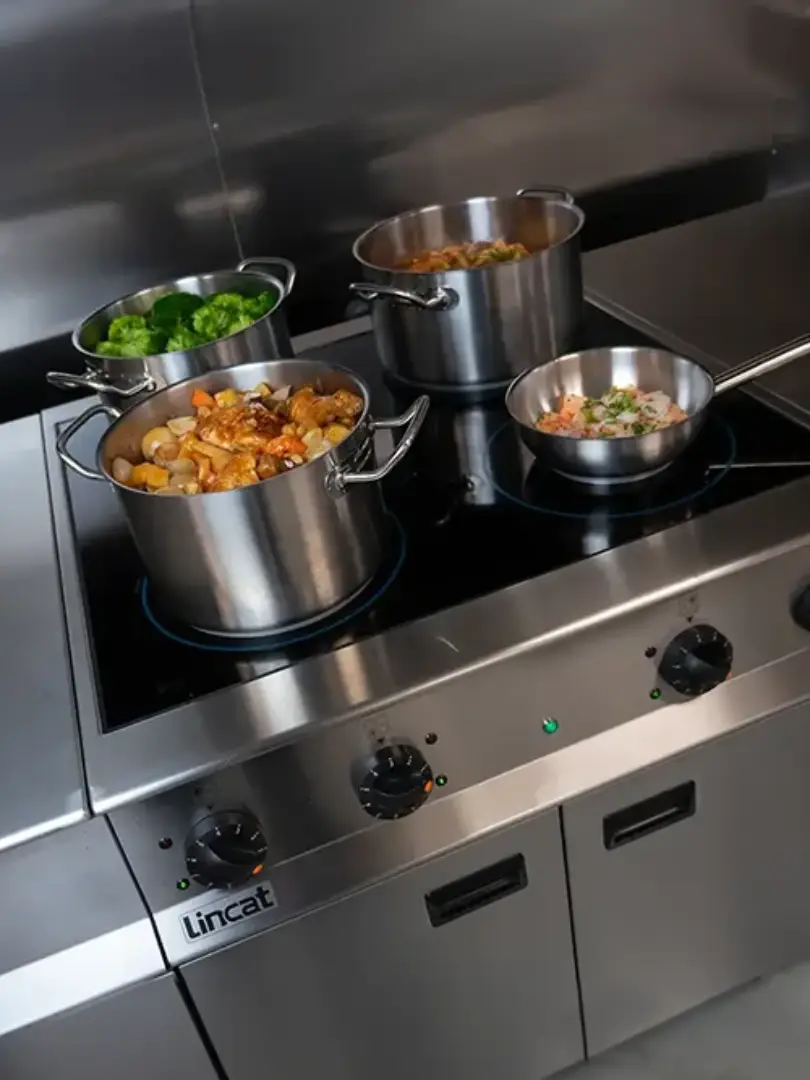


Choosing the right equipment for your restaurant or hotel kitchen starts with evaluating your needs: analyse your menu to determine essential appliances and consider space, staff skills and energy efficiency to optimise functionality.
Prioritise quality by selecting durable, well-reviewed brands with reliable warranties. Focus on energy-efficient options to save costs.
Plan your kitchen layout carefully. Research brands thoroughly. By following these guidelines and our equipment buying guide for professional kitchens, you’ll set the stage for smoother operations and learn more along the way.
Summary
- Conduct a menu analysis to determine essential kitchen equipment based on cuisine requirements.
- Prioritise durable, energy-efficient appliances from reputable brands that offer reliable warranties and meet safety standards.
- Measure kitchen space to ensure equipment fits without overcrowding and allows for efficient workflow.
- Choose ENERGY STAR-rated equipment to reduce energy consumption and operational costs.
- Research brand reputation and customer reviews for insights on equipment reliability and performance.

Assessing Your Restaurant’s Needs
When choosing kitchen equipment for your restaurant, you first need to assess your specific needs. Start by doing a menu analysis. Identify the necessary equipment, ovens or grills, for your cuisine.
Determine your daily food prep and customer volume to choose the right size of equipment. Measure your space to ensure your kitchen layout is efficient, with no workflow disruptions.
Consider your staff’s skill level and operational style when choosing equipment to ensure it is user-friendly and compatible with your service pace. Choose energy-efficient models that meet safety standards and reduce operational costs.
Prioritising Quality and Durability
When setting up a kitchen, prioritise quality and durability in your equipment choices. Choose equipment made from stainless steel or cast iron, as these materials offer excellent corrosion resistance and extend the equipment’s life. Choose durable kitchen equipment made from stainless steel or cast iron for longevity and corrosion resistance.
High-quality appliances from reputable brands provide reliability backed by good warranties and customer reviews. Make sure your equipment has NSF certification to ensure it meets safety and hygiene standards for any kitchen.
Heavy-duty equipment is designed for high-volume use, minimises downtime and reduces maintenance costs. Although the initial investment may seem steep, balancing costs with long-term value means fewer repairs and replacements.
Ultimately, choosing durable, high-quality equipment is a wise, long-term investment for any restaurant or hotel kitchen.

Focusing on Energy Efficiency
Why does energy efficiency matter so much in a commercial kitchen? It’s crucial for reducing costs and environmental impact. By choosing ENERGY STAR-rated equipment, you can cut energy consumption by up to 30%. High-efficiency appliances like convection ovens and induction cooktops reduce electricity and gas usage.
Regular equipment maintenance prevents energy waste from dirt and wear. Energy management systems and timers allow precise control and off-peak energy use. Advanced insulation and variable speed motors increase efficiency and lower costs over the appliance’s life.
By focusing on energy efficiency, you’re not only saving money but also the planet. Consider these when choosing your kitchen equipment.
Planning for Space and Layout
To create an efficient and productive commercial kitchen, you need to plan the space and layout carefully. Start by measuring the floor space, ensure your equipment fits without overcrowding, and consider clearance for maintenance and safety.
Next, design your kitchen layout.
Follow these steps:
- Kitchen Triangle: Connect the stove, fridge and sink to optimise movement and reduce travel time between key workstations.
- Storage Zones: Place storage areas near prep and cooking zones to reduce unnecessary movement and improve efficiency.
- Ventilation and Safety: Ensure ventilation, electrical outlets and drainage meet safety standards.
- Dedicated Zones: Allocate spaces for prep areas, cooking, washing and storage to streamline operations and prevent cross-contamination.

Researching Brands and Reviews
How do you know you’re choosing the right brand for your commercial kitchen equipment? Start by researching brand reputation through industry awards, certifications like NSF and professional endorsements.
These indicators mean quality. Immerse yourself in customer reviews on trusted sites to gauge reliability and performance. Compare warranty support and after-sales service to assess long-term maintenance options.
Analyse third-party testing reports and expert opinions on equipment durability, energy efficiency and safety features. This data gives you insight into how the equipment will perform in real-world conditions.
Don’t forget to ask industry peers and professional associations for feedback on brands with a proven track record. By doing so, you’ll make informed and confident decisions for your kitchen’s needs.
Last Orders
Choosing the right equipment for your restaurant or hotel kitchen involves assessing your specific needs. Prioritise quality and durability for long-term performance.
Focus on energy-efficient options to reduce costs and environmental impact. Measure and design. Research and read.