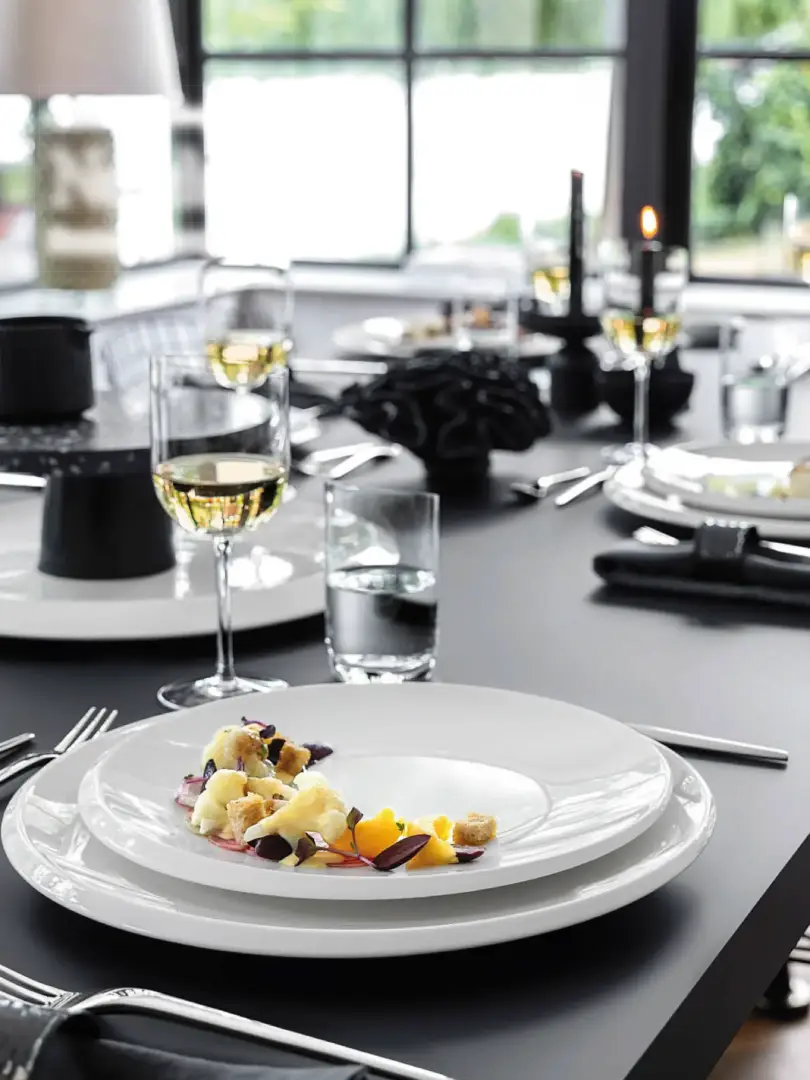


To match tableware to your restaurant theme or cuisine, start by defining your concept—whether a modern café or a traditional diner. Align your tableware style and colour with your decor for a cohesive look. Consider durability and functionality: Materials should suit the dining environment while enhancing food presentation. Proper sizing and shapes can also improve visual appeal.
Explore how these elements create an inviting atmosphere that reflects your brand identity and implement tools when choosing the right tableware for your restaurant There’s more to explore beyond these basics.
Summary
- Align tableware style with the restaurant’s trendy, casual, or traditional theme to enhance the dining experience.
- Choose colours and patterns that complement the interior design and cuisine, avoiding visual clutter while reinforcing brand identity.
- Select materials that balance aesthetics and durability, ensuring practicality for busy environments while maintaining an appealing look.
- Incorporate shapes and sizes of tableware that enhance presentation and portioning, showcasing the food beautifully.
- Consider operational efficiency by assessing stackability and weight, ensuring the tableware supports quick service and easy handling for staff.
Define Your Restaurant’s Theme and Style
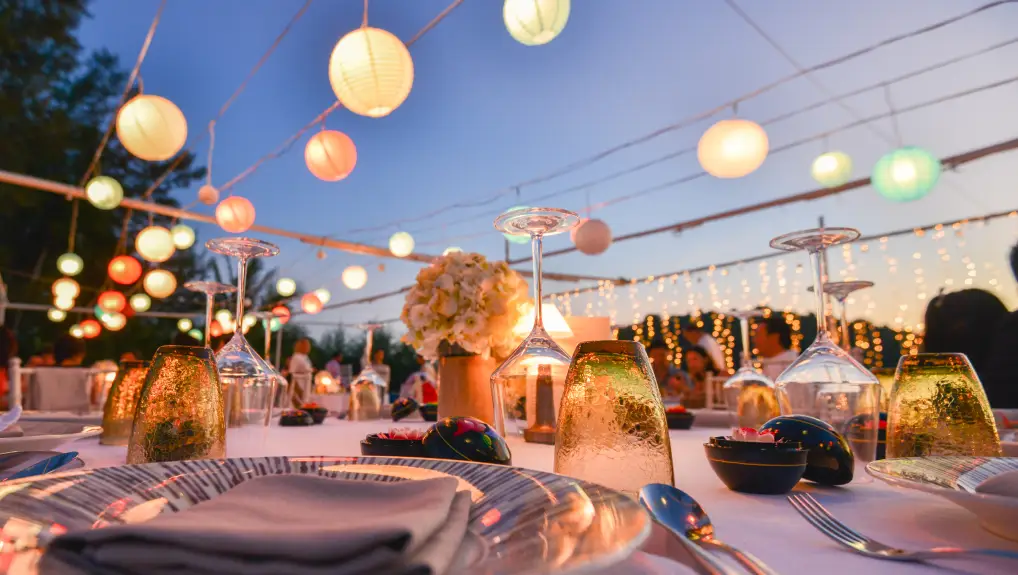
To define your restaurant’s theme and style, start by clearly identifying the concept you want to convey: a trendy urban café or a traditional family diner. Your tableware should match this vision, matching the decor, ambience, and overall dining experience. Consider elements like material, colour, and design to guarantee your tableware improves your menu presentation and complements your restaurant’s unique atmosphere.
Match Tableware to Your Decor and Ambience
Selecting the right tableware is essential for defining your restaurant’s theme and style. It creates a cohesive dining experience that improves your restaurant’s atmosphere.
Here are four key considerations:
- Interior Design Compatibility: Match tableware to your decor—minimalist settings benefit from sleek pieces. At the same time, rustic themes thrive with handcrafted pottery.
- Colour Scheme Alignment: Use neutral crockery to accentuate food or bold colours to match your theme.
- Functionality: Confirm the table setting is practical for your cuisine.
- Brand Identity: Reflect your restaurant’s personality through unique tableware styles.
Together, these elements solidify your restaurant’s distinct identity.
Consider Material, Texture, and Durability
When choosing tableware, material, texture, and durability are pivotal in defining your restaurant’s theme and style. Opt for fine dining materials like porcelain or bone china, which exude elegance. In contrast, stoneware or earthenware complements casual settings, providing a rustic touch. Texture also matters; matte finishes convey modernity, while glossy options lean towards tradition.
Durability should be a priority, especially in a busy restaurant environment. Look for chip-resistant and dishwasher-safe materials that can withstand heavy use. Selecting the right materials, texture, and durability combination will improve your restaurant’s overall aesthetic and functionality.
Match Tableware to Cuisine and Menu Presentation
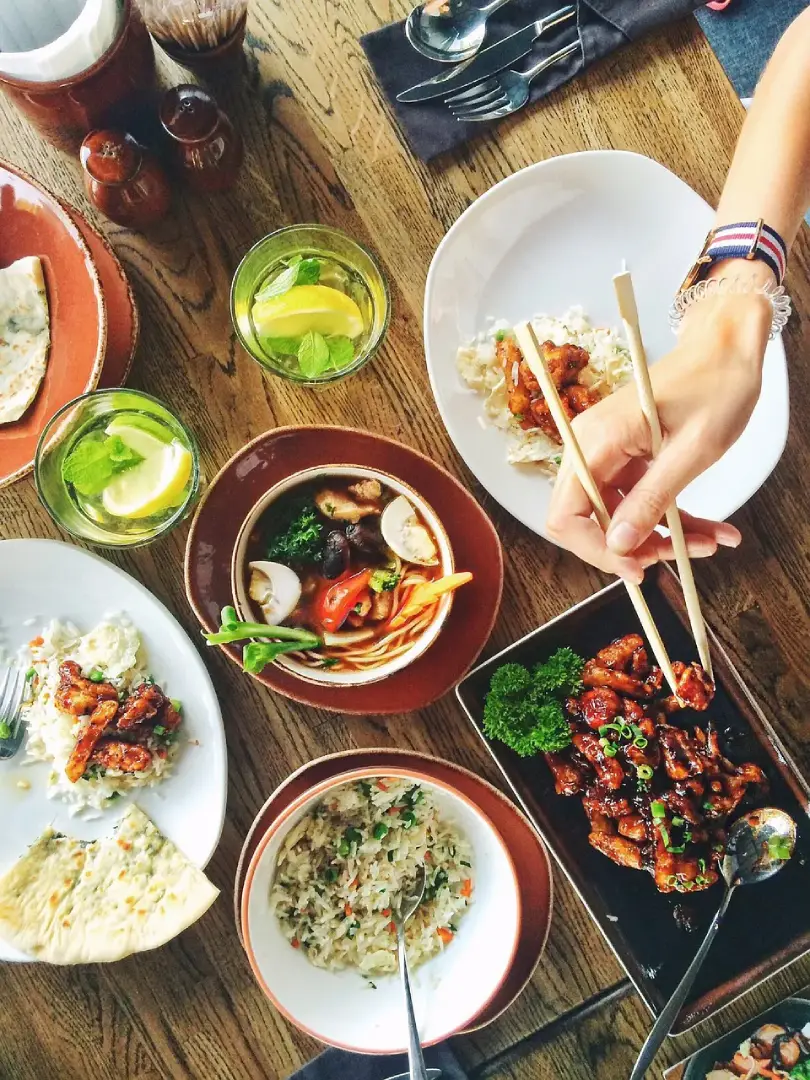
Matching your tableware to your cuisine and menu presentation is essential for creating a cohesive dining experience. The right tableware improves food presentation and emphasises your dish’s unique characteristics.
Consider these four guidelines:
- Choose shapes that complement your dishes: wide-rimmed plates for fish and chips and smaller plates for tapas.
- Select sizes that suit portioning; smaller plates for appetisers can improve the visual appeal.
- Highlight colours and textures; opt for tableware that showcases your food beautifully.
- Maintain harmony with your restaurant’s theme; guarantee your tableware aligns with your overall decor for a unified atmosphere.
Use Colour and Pattern Strategically
Incorporating colour and pattern into your tableware can greatly augment your restaurant’s theme and style and create an inviting atmosphere. Select a unifying colour accent to tie your table setting together, avoiding visual clutter. Mix textures and shapes—like round, oval, or angular—within a consistent colour palette. This approach boosts visual appeal and keeps the design dynamic yet cohesive.
Additionally, consider the psychological effects of colours; warm tones stimulate appetite, while cool shades promote relaxation. Using colour and patterns can effectively reinforce your restaurant’s identity and ambience.
Incorporate Custom or Thematic Designs
Custom or thematic designs play a significant role in defining your restaurant’s unique identity. Incorporating custom designs not only improves your brand identity but also reinforces your restaurant’s theme.
Here are some ways to effectively utilise custom tableware:
- Logo Integration: Feature your brand logo on plates or glassware to create recognition.
- Thematic Patterns: Use patterns that reflect your cuisine or theme, like ethnic motifs.
- Colour Coordination: Align the colours of your tableware with your restaurant’s overall colour palette.
- Unique Shapes: Choose distinctive plate shapes that complement your menu items.
These elements collectively contribute to a cohesive dining experience.
Japanese Restaurants: Minimalism & Ceramics
In Japanese restaurants, minimalism is essential in both design and dining experience. This approach emphasises simplicity and natural beauty, allowing the food to take centre stage. Additionally, ceramics enrich this aesthetic, as their craftsmanship complements the overall ambience, creating a serene environment for your guests.
Minimalism in Japanese Restaurant Design
When designing a Japanese restaurant, embracing minimalism is essential to create a serene and inviting atmosphere that elevates the dining experience.
Focus on the following elements:
- Natural Materials: Use wood, stone, and bamboo to connect with nature, adding warmth and texture to the dining room.
- Muted Colours: Implement earthy tones that promote calmness, allowing food presentation to shine.
- Soft Lighting: Opt for gentle illumination to create an intimate, relaxing environment.
- Functional Layout: Design spaces for flow and balance, ensuring comfort and harmony in the dining area.
This approach enhances the overall dining experience for your guests.
The Role of Ceramics in Japanese Dining
Ceramics are pivotal in Japanese dining. They serve as functional tableware and a medium for artistic expression. Each piece, from rice bowls to sake cups, improves the food’s aesthetic appeal. Embracing the wabi-sabi philosophy, handmade ceramics celebrate imperfections, adding authenticity to your dining experience. Seasonal and thematic choices further enrich the meal; lighter summer celadon and earthy winter ceramics create a harmonious atmosphere.
Mixing textures, like smooth porcelain with rustic earthenware, creates depth. Bespoke ceramics from local artisans can also personalise the experience, reinforcing your restaurant’s identity.
Indian Restaurants: Vibrant Colours & Stainless Accents
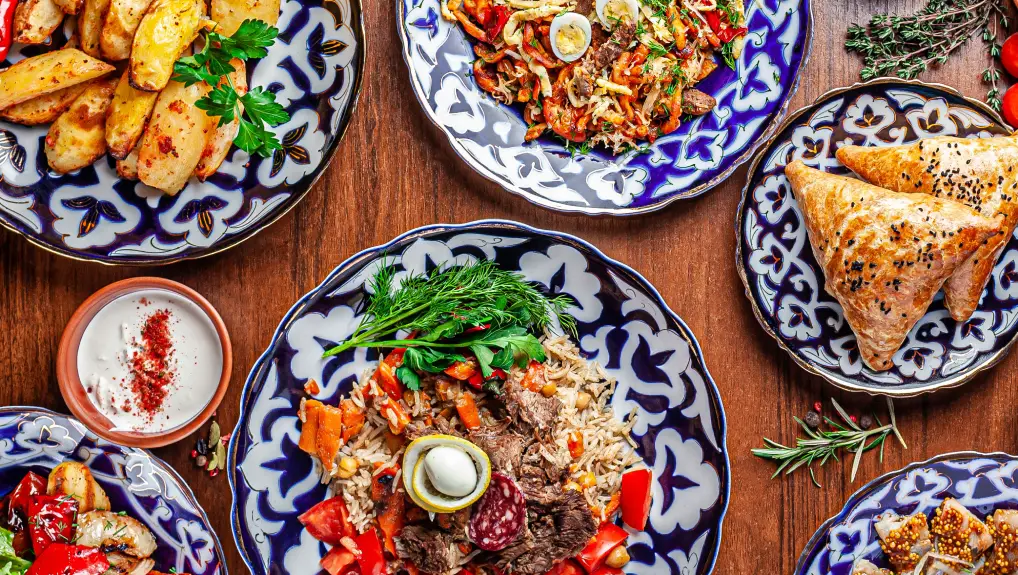
Vibrant colours are essential when setting up an Indian restaurant, as they create an inviting atmosphere that reflects the culture’s rich heritage. Pairing these hues with stainless steel accents honours tradition and guarantees practicality and durability in your tableware.
Vibrant Colours: Setting the Atmosphere
Incorporating vibrant colours into your Indian restaurant’s tableware can significantly elevate the dining experience and set the atmosphere for your guests. These rich hues create visual interest and enrich your dining settings.
Consider these key elements:
- Colourful Table Linens: Use deep reds and saffron yellows to reflect traditional Indian textiles.
- Vibrant Napkins: Pair bright colours with intricate patterns, adding depth to the table.
- Floral Arrangements: Incorporate marigolds or roses for an immersive experience.
- Cultural Motifs: Feature paisleys or mandalas on dishes to reinforce heritage.
These elements work together to evoke warmth and festivity.
Stainless Accents: Tradition Meets Practicality
While vibrant colours set the mood in your Indian restaurant, stainless steel accents provide a practical and traditional touch that complements your theme. With their compartmentalised design, Iconic thali sets allow you to serve multiple dishes without mixing flavours. This durable material is easy to clean, ensuring a seamless dining experience for your guests.
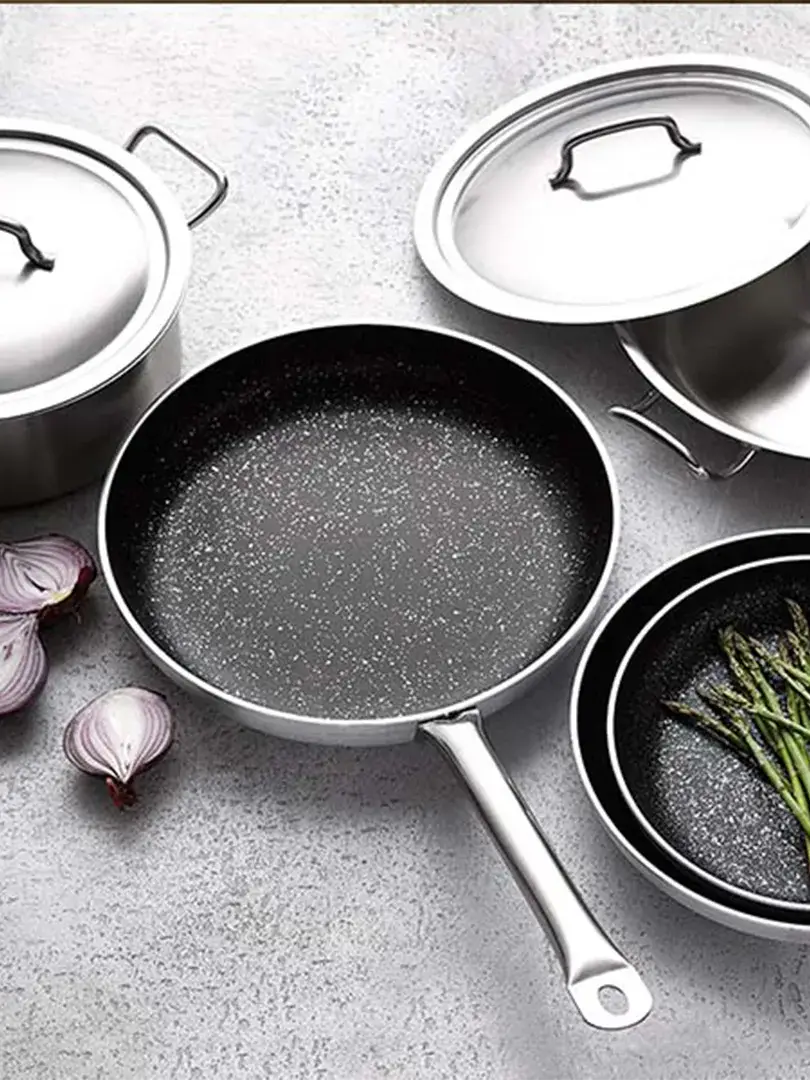
Stainless steel serving dishes like kadai and handi bolster authenticity while maintaining a memorable dining experience. Their practical function extends beyond aesthetics; they’re resistant to rust, eco-friendly, and retain food temperature well, making them ideal for busy restaurant environments. Embrace stainless steel for lasting impact.
Harmonising Colours and Stainless Accents
Harmonising vibrant colour palettes with stainless steel accents is essential for creating a visually stunning dining experience in your Indian restaurant. This combination improves your restaurant’s style and makes your dishes more visually appealing.
Consider these elements:
- Colourful Tableware: Choose bold, colourful dishes that reflect Indian cuisine’s vibrancy.
- Stainless Steel Cutlery: Use high-quality stainless steel cutlery to add a modern touch.
- Textured Linen: Incorporate textured table linens that complement your colour scheme.
- Accent Pieces: Use stainless steel serving dishes to contrast beautifully with your vibrant foods.
This blend of materials guarantees a cohesive and engaging dining atmosphere.
Modern European Restaurants: Neutral Palettes & Elegance
When designing a modern European restaurant, consider how neutral colour palettes can improve the elegance of your space. Selecting tableware that reflects this understated aesthetic is key to creating a sophisticated dining atmosphere.
Neutral Palettes
Neutral palettes are pivotal in modern European restaurants, offering a sophisticated backdrop that improves the dining experience. Using neutral tones lets your dishes take centre stage, enhancing the overall aesthetic.
Consider these key elements when selecting your tableware:
- Colour: Embrace whites, beiges, and soft greys for timelessness.
- Textures: Incorporate a mix of matte ceramics and glossy porcelain for visual depth.
- Materials: Utilise natural elements like wood and stone to evoke warmth.
- Layering: Combine various textures and materials to maintain interest without distraction.
This approach guarantees a cohesive and elegant atmosphere.
Elegance in Design and Tableware
Elegance in design and tableware shapes the dining experience within modern European restaurants. You can create a sophisticated atmosphere using fine porcelain and bone china. A neutral palette improves the elegance, allowing food presentation to shine. Consider mixing shapes and textures for a curated look.
| Feature | Description |
|---|---|
| Colour Palette | Whites, creams, soft browns |
| Materials | High-quality porcelain, stoneware |
| Texture | Matte and glossy finishes, organic surfaces |
This balance of aesthetics and functionality contributes significantly to your guests’ overall dining experience.
Rustic or Farm-to-Table: Stoneware & Earth Tones
When you think about rustic or farm-to-table dining, stoneware and earth tones immediately come to mind. Stoneware improves the authenticity of your dining experience and complements the natural elements in your restaurant’s design.
Why Stoneware?
Suppose you’re aiming for a rustic or farm-to-table theme in your restaurant. In that case, stoneware should be at the forefront of your tableware selection. Its durability and practicality make it a reliable choice for busy kitchens.
Consider these benefits:
- Robustness: Stoneware withstands high temperatures, making it perfect for serving and baking.
- Unique Aesthetics: Handcrafted pieces often feature reactive glazes, ensuring individuality.
- Tactile Surfaces: Textures and finishes add depth, enhancing rustic charm.
- Versatility: Suitable for various dishes, stoneware complements hearty meals beautifully.
Incorporating stoneware enhances your dining experience while reflecting your theme effectively.
The Power of Earth Tones
Incorporating earth tones into your restaurant’s tableware can significantly elevate the rustic or farm-to-table theme established by stoneware. Warm hues like brown, beige, terracotta, and green create a grounded atmosphere, inviting diners in.
These colours resonate with customers seeking comfort and authenticity. Earth tones also excel in versatility, complementing various foods and seasonal ingredients, which are essential for menus that change regularly. Additionally, the subtle, natural variations in glaze improve the organic presentation of your dishes, making your culinary experience even more appetising and genuine.
Tableware & Setting Elements
Choosing the right tableware and setting elements is essential for establishing a cohesive rustic or farm-to-table dining experience. Incorporating the following items can improve your style while ensuring functionality:
- Stoneware Plates/Bowls – Handcrafted, durable, and perfect for a rustic presentation.
- Earth Tone Palette – Use browns, beiges, and greens to create warmth.
- Wooden Accents – Consider wooden tables or serving boards to reinforce the natural vibe.
- Linen Napkins – Soft fabrics improve the down-to-earth ambience.
These dishes and elements create an inviting table that reflects your culinary philosophy and improves the overall dining experience.

Casual Dining: Durable, Dishwasher-Safe Materials
Choosing tableware that can withstand daily use is key when setting up a casual dining environment. Look for materials like melamine or tempered glass, which offer durability and ease of cleaning. These dishwasher-safe options maintain a fresh look and perfectly complement your restaurant’s relaxed vibe.
Top Materials for Durability and Dishwasher Safety
Selecting the right materials for your tableware is essential in casual dining, where durability and dishwasher safety are paramount.
Here are the top materials you should consider for your dinnerware:
- Vitrified Porcelain: Highly durable, scratch-resistant, and dishwasher-safe.
- Stoneware: Robust, rustic, dishwasher safe, but can chip.
- Tempered Glass: Lightweight and resistant to thermal shock, perfect for busy environments.
- Melamine: Shatterproof and dishwasher safe, great for outdoor settings but not microwave safe.
These options improve your restaurant’s aesthetic and guarantee a practical, long-lasting dining experience.
Key Questions to Ask Before Buying
Before you buy tableware for your restaurant, consider a few key questions to guide your choices.
What style or theme are you aiming for, and how often will the tableware be used? Additionally, consider how easy it is to replace or reorder items, which can impact your operational efficiency.
What Style or Theme Am I Trying to Achieve?
What style or theme are you aiming to create for your restaurant? Defining this will guide your tableware choices and improve your restaurant’s dining experience.
Consider these key questions:
- Does the tableware complement my restaurant’s cuisine and decor?
- Will it improve the presentation of my food?
- How will it contribute to the desired atmosphere—elegant, rustic, casual, or modern?
- Does it align with my overall brand image and theme?
Your decisions should reflect a cohesive design, ensuring that the tableware supports your culinary narrative and harmonises with your restaurant’s decor.
How Frequently Will the Tableware Be Used?
Understanding how frequently your tableware will be used is essential for making informed purchasing decisions. If your restaurant serves everyday meals, you’ll need durable tableware that can withstand frequent use without showing wear. Opt for high-quality materials that are resistant to chipping or scratching.
Conversely, if you use your tableware primarily for special events, you might prioritise aesthetics over durability. However, it’s still wise to consider quality, ensuring it can handle occasional use without damage. Assess your typical service volume to align your tableware choices with your operational needs, balancing style and functionality.
How Easy Is It to Replace or Reorder?
How can you guarantee that your tableware choices remain practical for your restaurant’s needs?
When selecting matching plates for upscale dining, consider these key questions to make sure you can easily replace or reorder items:
- Is the tableware from a readily available line or a limited edition?
- Can you quickly reorder replacements if items break or go missing?
- Are there minimum order quantities that might affect your budget?
- What are the lead times for restocking, and can they impact customer satisfaction?
Being proactive about these factors helps maintain a consistent dining experience and supports your restaurant’s overall theme.
Last Orders
In summary, matching your tableware to your restaurant’s theme or cuisine is essential for creating a cohesive dining experience.
By defining your style and selecting materials that reflect your culinary vision, you can improve your dishes’ presentation and overall ambience.
Consider durability and practicality, as these factors will influence your daily operations.
Thoughtful tableware choices support your menu and leave a lasting impression on your guests.