
Avoid these common restaurant tableware mistakes to improve your restaurant’s efficiency and reputation. First, durability should be valued and overlooked to prevent breakage and disruptions. Next, prioritise stackability for efficient storage and space management. Don’t skip replacement planning or fall into retail buying, as both increase costs. Consistent branding boosts your image, so avoid mismatched designs. Make sure tableware matches portion sizes for a streamlined dining experience.
Understanding these aspects leads to optimised service and customer satisfaction. Discover more solutions and insights by using our ultimate guide to restaurant tableware advice for hospitality businesses.
Summary
- Failing to master dining etiquette can disrupt the dining experience; train staff on proper utensil use and table manners.
- Overlooking durable materials leads to breakage and costs; invest in sturdy, long-lasting tableware to maintain efficiency.
- Ignoring stackability wastes space; choose stackable tableware for efficient storage and streamlined operations.
- Neglecting replacement planning incurs unexpected costs; conducting regular audits and inventory checks for smooth service.
- Mismatched tableware causes portion inconsistencies; standardise tools and train staff for accurate food portioning.

Dining Experience
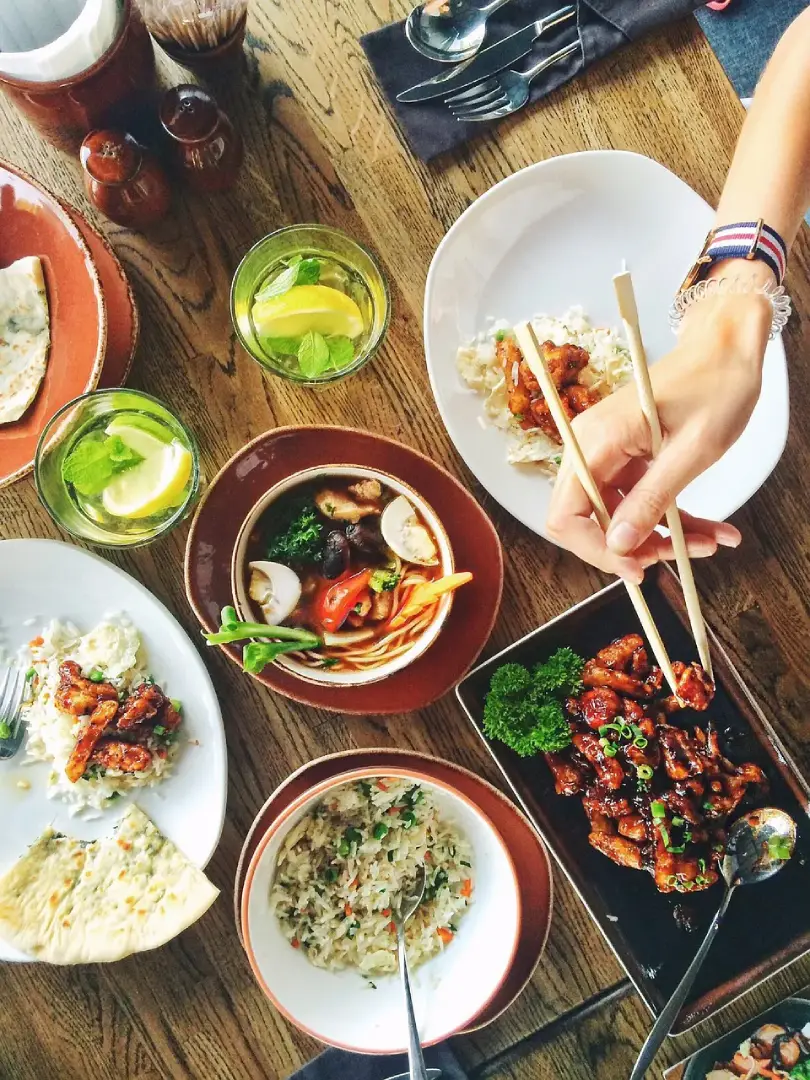
Understanding dining etiquette is essential, especially in high-end and fine dining settings where tableware plays a significant role. You might think using the right fork or glass doesn’t matter, but it can profoundly affect the dining experience.
Dining Etiquette
When you dine out, it’s not just about the food but the entire experience. Practising good dining etiquette improves your meal and the atmosphere for everyone around you. Start by mastering basic table manners: use utensils from the outside in, keep elbows off the table, and chew with your mouth closed. These simple actions show respect and consideration.
High-End Restaurant
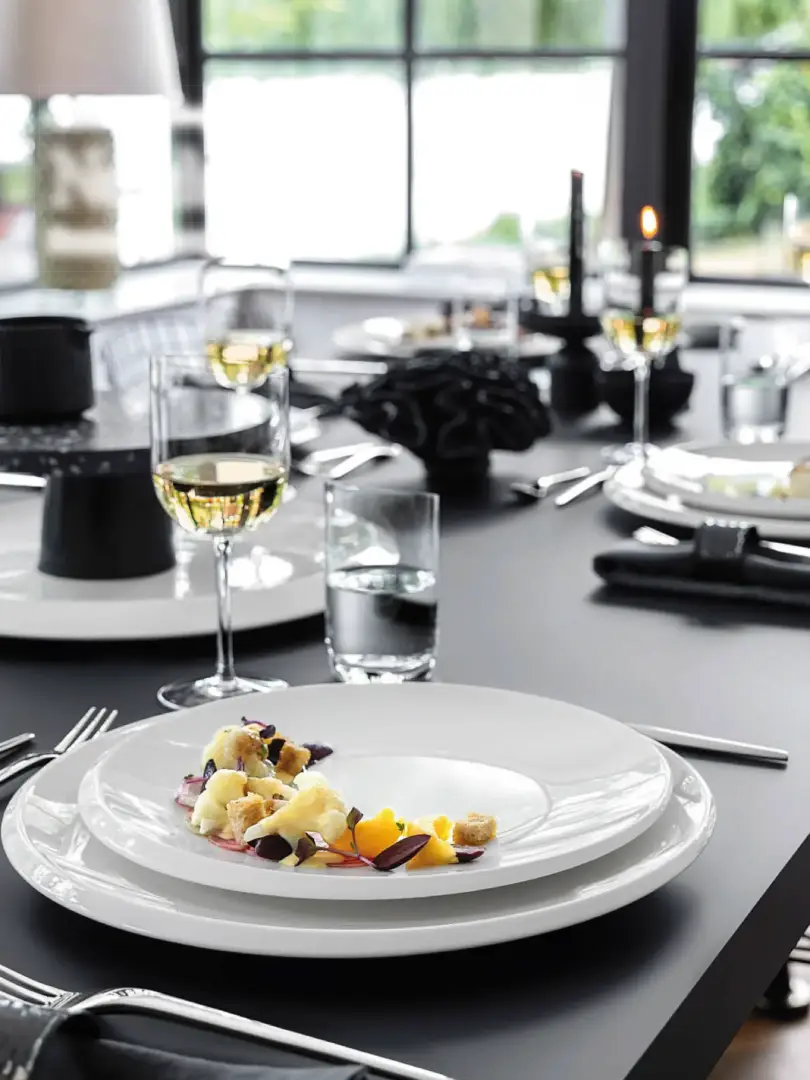
When you step into a high-end restaurant, you’re not just paying for a meal but investing in an unforgettable dining experience. Fine dining demands attention to table etiquette. Begin by properly using each piece of tableware, from forks to glasses, and placing it precisely for each course. This guarantees a seamless experience, allowing you to focus on the exquisite flavours and sophisticated ambience accompanying a truly enhanced culinary journey.
Fine Dining
Fine dining is more than just the food; the entire experience counts. Guarantee your table setting is impeccable, and practice proper etiquette to enhance the ambience. Pay attention to details, like the placement of cutlery and glassware.
Here’s a quick reference guide:
| Aspect | Correct Practice | Mistake to Avoid |
|---|---|---|
| Cutlery | Outside to inside use | Incorrect order |
| Glassware | Above knives, in use order | Random placement |
| Napkin | Folded on lap | Left on table |
| Bread Plate | Left of main plate | Confused with side plate |
| Fork Usage | Left hand for dining | Right hand confusion |
Ignoring Durability in Busy Kitchens
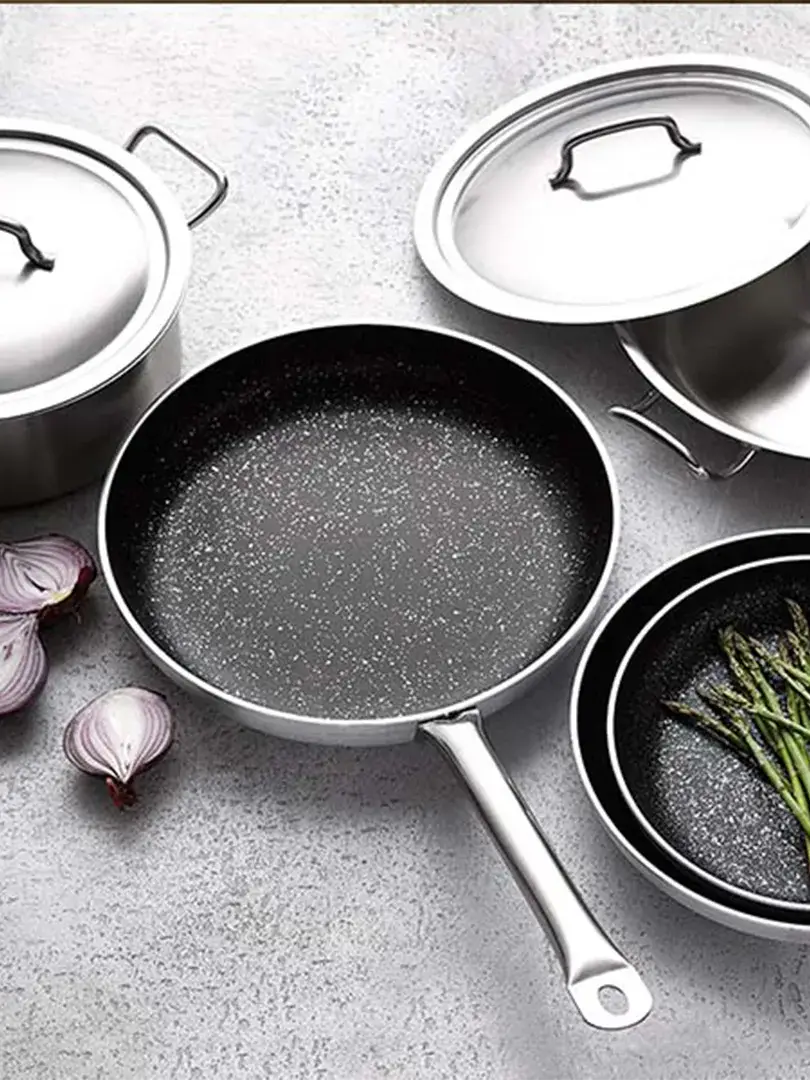
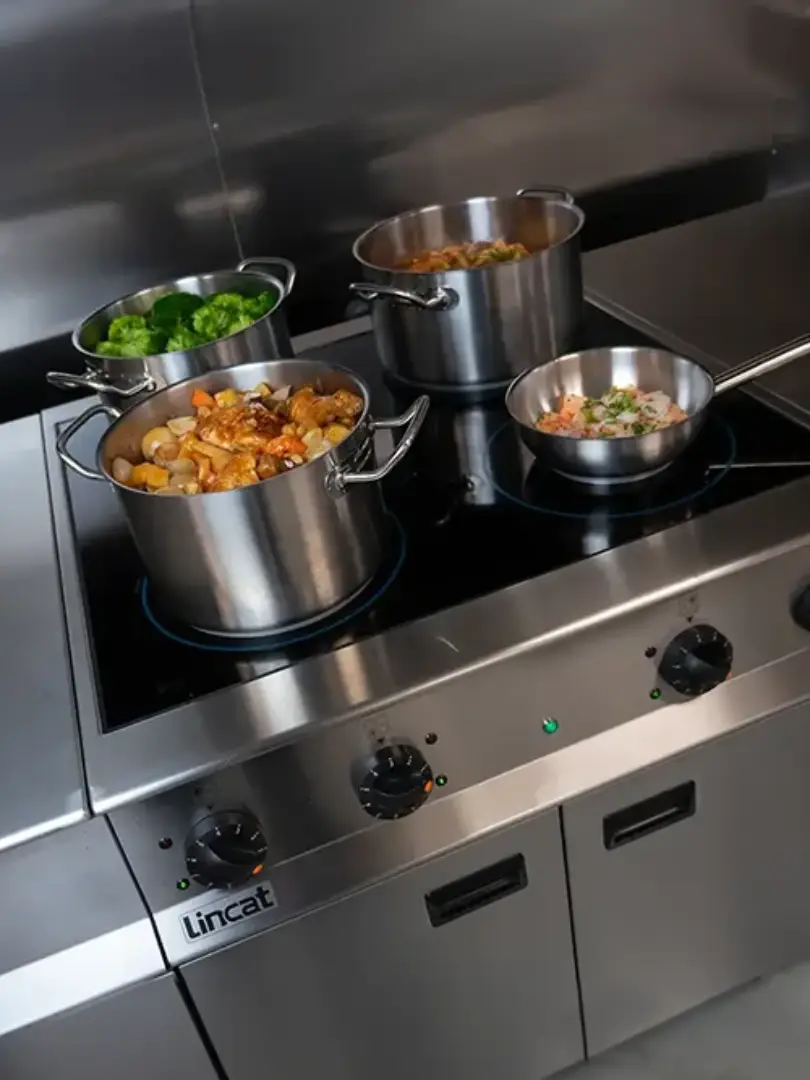
In the fast-paced environment of a busy kitchen, overlooking the durability of your tableware can be a costly mistake. Investing in sturdy cutlery and other durable materials guarantees your kitchen operates efficiently and safely. Durable tableware withstands the rigours of daily use, protects against breakage, and minimises long-term costs. Don’t overlook the importance of durability—it can make or break your restaurant’s success.
Why Durability Matters
Ignoring durability can lead to frequent breakage and higher costs, turning your new venue’s excitement into frustration. You should invest in robust, long-lasting tableware to avoid these costly pitfalls and ensure your restaurant runs smoothly.
Common Pitfalls of Ignoring Durability
One might overlook the importance of durability when selecting restaurant tableware, but doing so can lead to many challenges. Frequent repairs will raise maintenance costs, and damaged items can harbour bacteria, compromising hygiene.
| Pitfall | Consequence |
|---|---|
| Frequent Breakdowns | Service Disruptions |
| Higher Maintenance | Increased Expenses |
| Compromised Hygiene | Health Risks |
| Reduced Staff Morale | Lower Productivity |
Best Practices
When selecting tableware for your restaurant, prioritising durability is essential for practicality and cost-effectiveness. High-end restaurants benefit from choosing high-quality materials like stainless steel, ensuring longevity and maintaining good etiquette. Regular maintenance is key; even durable items need care. Invest in the long term to create a safer, more efficient kitchen, saving costs and enhancing the dining experience.

Overlooking Stackability and Storage
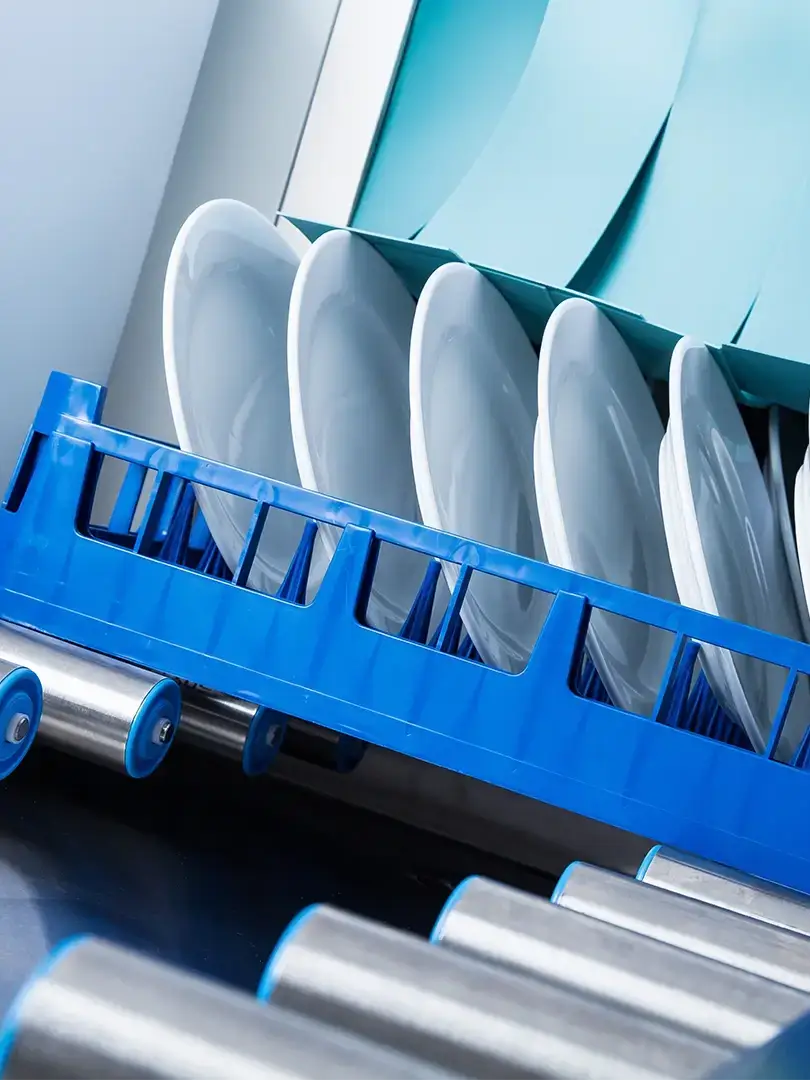
When choosing tableware, don’t overlook stackability and storage, as these factors are essential for efficient space management and smooth kitchen operations. Ignoring stackability can lead to cluttered storage areas, increased breakages, and unnecessary costs. To avoid these pitfalls, ensure your plates and bowls stack neatly, and consider investing in racks or shelving that maximise space while keeping everything accessible.
Why Stackability Matters
Efficient storage solutions are essential in any restaurant, especially when space is premium. Stackable tableware maximises storage space and improves service efficiency. By nesting neatly, these items reduce clutter and make it easier for staff to find what they need. Quick access to plates and utensils streamlines operations, protects tableware from damage, and ensures a safer environment for everyone involved.
Common Pitfalls of Overlooking Stackability
While it might seem minor, the stackability of your restaurant’s tableware can significantly impact your operations. Ignoring this can lead to wasted space on shelves, making storage inefficient. It also causes workflow disruptions, as staff spend extra time searching for the right pieces. Additionally, non-stackable items increase breakage risks, leading to higher costs and compromised hygiene in cluttered areas.
Stacking Tips
Evaluating stackability in your tableware choices is essential to improving the efficiency and organisation of your restaurant. Choose plates and bowls with flat bottoms and straight sides for ideal stacking. Invest in stackable storage solutions to maximise vertical space. Regularly review your storage systems and train staff on proper stacking tips to maintain organisation and prevent damage. This guarantees a streamlined, efficient operation.
Skipping Replacement Planning in Restaurants
Suppose you don’t plan for tableware replacements. In that case, your restaurant will set itself up for financial headaches, operational hiccups, and even safety issues. By planning proactively, you can avoid unexpected costs and guarantee your service runs smoothly. Adopt best practices like regular inventory checks and setting aside a budget for replacements to keep your restaurant thriving.
Consequences of Skipping Replacement Planning
Neglecting replacement planning in restaurants can lead to many operational challenges that directly impact your bottom line. It’s a common mistake resulting in operational inefficiency, as ageing equipment slows operations and compromises service quality. Without a proactive strategy, you face unexpected downtime, higher costs, and budget surprises. You might also risk over- or under-specifying replacements, increasing administrative burdens, and encountering safety issues.
Benefits of Proactive Replacement Planning
When you embrace proactive replacement planning in your restaurant, you gain control over your budget and operations. A structured plan guarantees efficient asset management, allowing you to track and maintain your inventory seamlessly. By planning replacements, you’ll experience reduced downtime, as you can schedule updates during off-peak times. This approach improves efficiency and smooth operations and prevents unexpected financial strains.
Best Practice
Skipping replacement planning in restaurants may seem like a way to cut corners, but it often leads to more headaches down the line. A best practice is to develop a long-term equipment replacement plan, mapping out the lifespan of each significant piece. Maintain an asset register and align replacement planning with preventive maintenance.
These steps prevent common mistakes, ensuring streamlined operations and effective budgeting.
Buying Retail Instead of Wholesale
Buying tableware retail instead of wholesale can drain profits and hinder your restaurant’s efficiency. While retail buying might make sense for specific, small-scale needs or unique items, relying on it for core supplies is costly. To optimise your budget, focus on wholesale purchases for everyday essentials and reserve retail for exceptional cases.
Key Drawbacks of Buying Retail Instead of Wholesale
Venturing into retail for your restaurant’s tableware needs might seem convenient at first glance, but it can lead to costly mistakes. You’ll face higher costs per unit, squeezing your profit margins and potentially impacting the dining experience. Retail purchases also mean more work for your restaurant staff, contributing to operational inefficiency and reducing the time they can focus on enhancing customer satisfaction.
When Retail Buying Might Be Appropriate
While wholesale buying often seems like the go-to strategy for restaurants, retail purchases have their place in specific scenarios. Retail buying can be your best bet if you need small quantities or face urgent needs. Speciality products or uncommon items might only be available at retail. It’s also ideal for quickly testing a new item before committing to a larger wholesale purchase.
Best Practice: Combine Wholesale for Core Needs, Retail for Exceptions
When managing a restaurant, balancing wholesale and retail purchases is essential for maintaining efficiency and controlling costs. Buy core supplies and ingredients wholesale to maximise cost savings and guarantee consistent quality—reserve retail buying for urgent or special items. This strategy helps you maintain inventory efficiently while allowing flexibility for unique needs, ensuring your restaurant runs smoothly without unnecessary expenses.
Forgetting About Branding Consistency
You can’t afford to overlook branding consistency, as it is essential in reinforcing your restaurant’s identity and building customer trust. Inconsistent branding can confuse guests and weaken your establishment’s image, from mismatched tableware to conflicting design elements. To maintain a seamless brand experience, guarantee that every detail—from your menu to your tableware—aligns with your overall brand message and aesthetic.
Why Branding Consistency Matters
Branding consistency is the backbone of a successful restaurant. It aligns with your restaurant’s dress code, ensuring customers know what to expect. This consistency builds trust and loyalty, making your place easily recognisable. It supports quality control by standardising operations, food, and service. A cohesive brand strengthens your reputation, encouraging repeat visits and positive word-of-mouth, which is key to standing out in a competitive market.
Risks of Inconsistent Branding
Even though it might seem trivial, inconsistent branding can significantly damage your restaurant’s reputation. Mixed messages during dining experiences confuse customers and erode trust. Inconsistencies in visual appeal, like mismatched tableware or decor, weaken your brand image, making it appear unprofessional.
Without a consistent brand identity, you miss opportunities to differentiate from competitors, making it harder to attract and retain loyal patrons.
What Consistent Branding Looks Like
A restaurant’s consistent branding acts like a well-orchestrated symphony, where every element harmoniously aligns to create a memorable experience. A unified visual identity ties your logos, colour palettes, and decor together. Consistent messaging guarantees your brand’s voice resonates across channels. An aligned customer experience means every dining touchpoint, from food to ambience, reinforces brand values. This cohesion strengthens recognition and loyalty, resonating deeply with guests.
How to Maintain Branding Consistency
Achieving consistency in branding isn’t just about creating a memorable logo or colour scheme; it’s about guaranteeing every aspect of your restaurant speaks the same language. Develop clear brand guidelines and train staff on these values. Regularly audit brand touchpoints. Apply branding across all channels. This guarantees every customer interaction remains consistent, enhancing your restaurant’s credibility.
| Strategy | Benefit |
|---|---|
| Develop Brand Guidelines | Clear, cohesive identity |
| Train Staff | Consistent customer service |
| Audit Touchpoints | Aligns with brand strategy |
Choosing Form Over Function
When you prioritise form over function in your restaurant’s tableware, you risk real-world consequences that can frustrate staff and diners. Balancing aesthetics with practicality is crucial to guarantee smooth operations and a pleasant dining experience. To achieve this, focus on best practices, incorporating durable and easy-to-handle pieces without sacrificing style.
Real-World Consequences
While prioritising aesthetics over practicality in restaurant design might seem tempting, it can lead to real-world consequences impacting operations and customer experience. Operational inefficiency arises when staff must navigate impractical layouts, slowing service. Customer discomfort results from visually appealing but uncomfortable furniture. Remember, balancing form and function is key to a successful dining environment.
| Consequence | Example |
|---|---|
| Operational Inefficiency | Deep bar tops slow service |
| Customer Discomfort | Uncomfortable seating deters guests |
Why Balance Is Essential
A restaurant’s design shouldn’t just be about eye-catching aesthetics; it must also consider how well the space functions. Balancing visual appeal with operational needs guarantees that your table and place setting are memorable and efficient. Functionality boosts comfort and productivity, creating a seamless experience for guests and staff.
Aligning design with brand and concept prevents confusion and improves your restaurant’s identity.
Best Practice
While focusing solely on aesthetics is tempting, choosing form over function can lead to operational headaches.
Prioritise these best practices for a seamless dining experience:
- Workflow Design: Guarantee that utensils are practical for staff and diners.
- Test for comfort: Choose items that respect good manners and accessibility.
- Involve staff: Their insights prevent functional mishaps.
- Aim for balance: Form should improve function, not hinder it.
Not Matching Tableware to Serving Portions
Mismatched tableware can lead to over- or under-portioning, which affects food costs, customer satisfaction, and operational efficiency. To keep your dining experience consistent and waste-free, choose dishware that aligns with your intended serving sizes. This will improve the presentation and guarantee that each dish meets your guests’ expectations.
Key Issues with Mismatched Tableware
When setting up your restaurant’s tableware, ensuring that dish sizes match serving portions is essential for customer satisfaction and operational efficiency.
Mismatched tableware can lead to:
- Portion control challenges: Over-serving or under-serving.
- Visual misrepresentation: Misleading portion sizes.
- Operational inefficiency: Complicated kitchen workflows.
- Overcrowded tables: Cluttered dining spaces.
Address these issues to improve your restaurant’s service.

Best Practices for Alignment
For restaurant owners and managers aiming to perfect their dining presentation, aligning tableware correctly is essential to avoid common mistakes. Begin by investing in standardised tools like portion-controlled utensils and specific plateware for different dishes. Using 8-ounce ramekins for dips or 10-inch plates for entrees guarantees consistent presentation. Opt for smaller tableware, as studies show it can reduce portions by up to 20%, managing costs without sacrificing satisfaction.
Train your staff to portion servings with scales or marked spoons accurately. Regularly audit your tableware, replacing any inconsistent dishes to maintain uniformity and prevent gradual portion “creep.”
Best For: Restaurant owners and managers looking to enhance their dining presentation and maintain consistency.
Pros:
- It helps manage portion sizes and reduce food waste, saving costs.
- Enhances the dining experience with consistent presentation and portion sizes.
- Simplifies staff training with standardised tools and clear guidelines.
Cons:
- Initial investment in standardised tools and tableware may be costly.
- Requires ongoing effort to train staff and audit tableware regularly.
- It may limit creativity and flexibility in dish presentation and portioning.
Last Orders
Avoiding common tableware pitfalls will improve your restaurant’s dining experience and save costs.
Focus on durability for busy kitchens, and guarantee your tableware is stackable and easy to store.
Plan for replacements, buy wholesale and maintain branding consistency.
Prioritise function over form and match tableware to portion sizes.
With these strategies, you’ll create a seamless and memorable experience for your diners, reinforcing your establishment’s reputation as a place of quality and attention to detail.