


To work effectively with a wholesale restaurant tableware supplier, begin by clearly defining your restaurant’s needs. Review your menu and overall theme to determine the appropriate styles and quantities required. Next, evaluate materials such as porcelain or melamine, balancing visual appeal with durability.
Establish a realistic budget that accounts for both initial purchase costs and long-term maintenance or replacement. Research supplier reputations, compare service levels, and negotiate terms carefully. Finally, assess your storage capacity and inventory management processes to ensure operational efficiency.
By following this structured approach, you can optimise your tableware selection and enhance the overall dining experience. For more valuable information, read: Wholesale restaurant tableware supplies: everything you need to know.
Summary
- Research suppliers using online reviews and ratings to ensure reliability and quality.
- Communicate regularly with suppliers to address concerns and foster a strong relationship.
- Evaluate supplier delivery timelines and product quality for consistent service.
- Consider bulk-purchasing discounts to maximise the budget and ensure cost-effectiveness.
- Implement inventory management to track quantities and avoid overstocking.
Identifying Your Restaurant’s Needs
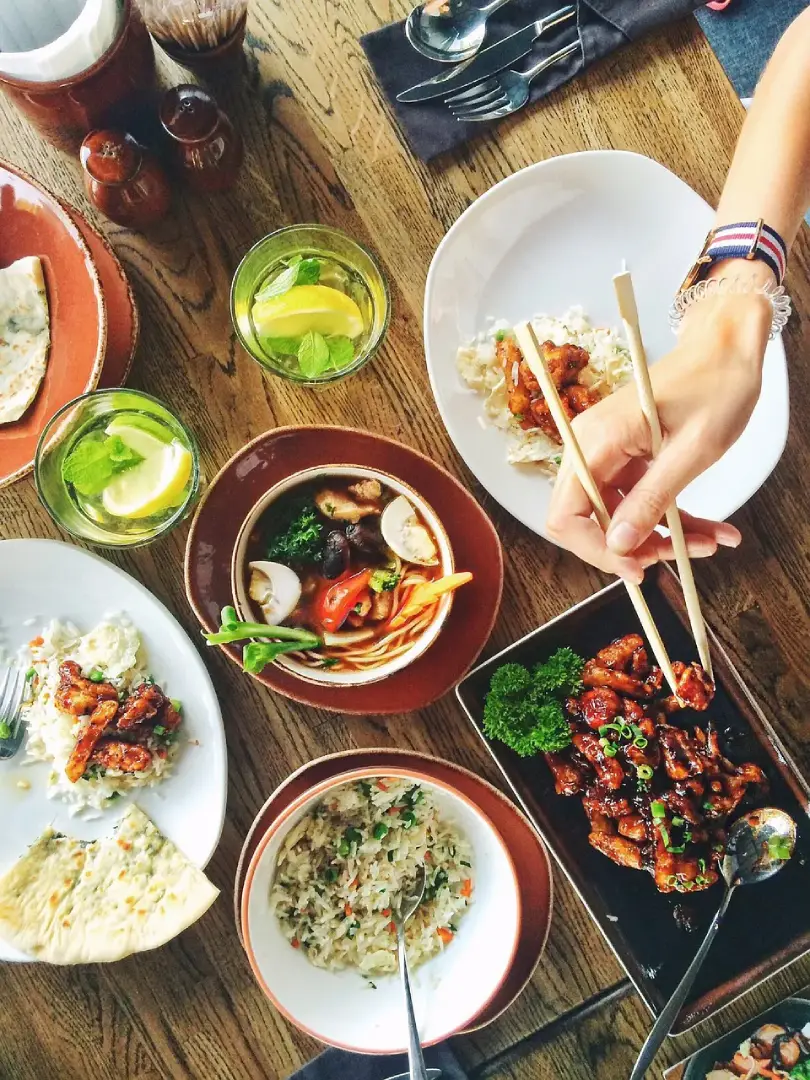
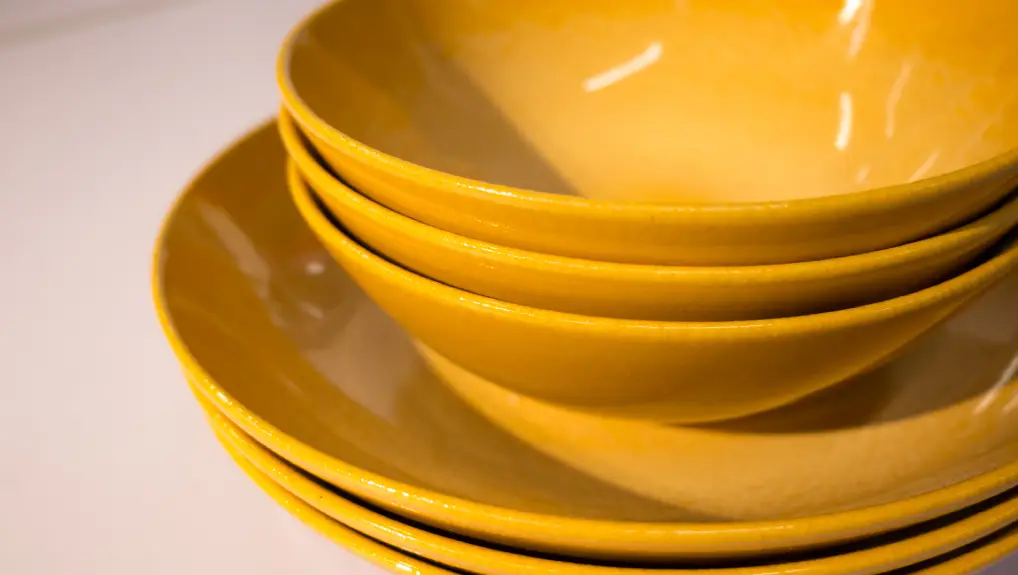
When identifying your restaurant’s needs, examine your menu to determine the specific types of tableware you’ll require. Consider whether your dishes need large plates for main courses or deep bowls for soups and noodles. Align your choices with your cuisine to create cohesive table settings.
Begin with your menu to identify the tableware needed for cohesive settings. Matching your tableware with your restaurant’s theme and decor is essential. This improves the dining experience and contributes to a successful restaurant. Consider the volume of service—high-traffic environments demand durable options.
Define your budget, balancing quality and cost. Compile a list of desired features, like stackability or unique shapes. Communicate these needs clearly with restaurant suppliers.
This approach guarantees you procure tableware that meets your operational and aesthetic requirements.
Evaluating Different Crockery Materials
After identifying your restaurant’s specific tableware needs, carefully evaluating the materials available for your crockery is essential. Each crockery material offers distinct benefits and aligns differently with your restaurant’s style and function.
Porcelain is durable with a glossy finish, ideal for upscale dining. Stoneware’s rustic appeal and heat retention suit casual settings. Bone china is lightweight and intricate, perfect for fine dining. Melamine, a cost-effective option, is break-resistant and great for outdoor use. Earthenware is colourful and affordable, though less durable.
| Material | Key Features |
|---|---|
| Porcelain | Durable, glossy, non-porous |
| Stoneware | Thick, rustic, retains heat |
| Bone China | Lightweight, intricate designs |
| Melamine | Cost-effective, break-resistant |
Effective supplier relationships depend on understanding these options and choosing what best fits your needs.
Considering Aesthetic and Design Preferences
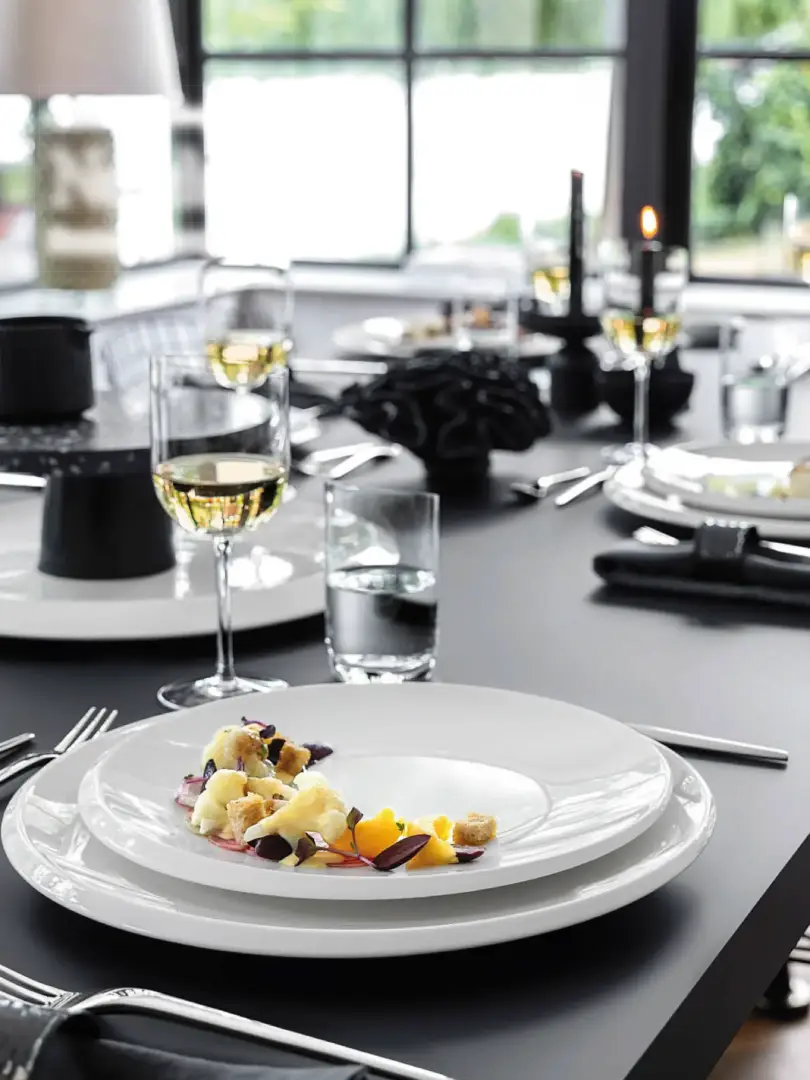
When selecting tableware for your restaurant, guarantee that it aligns with your theme to improve the dining experience and create a cohesive atmosphere. Prioritising visual appeal is key, so consider how the shape and colour of plates and bowls can raise food presentation. Choose materials that offer durability and contribute to an elegant and visually appealing setting, which can significantly impact customer perception.
Align With Restaurant Theme
To align your tableware with your restaurant’s theme, consider how the aesthetics can mirror your overall concept. Whether aiming for a sleek, modern vibe or a rustic, earthy feel, your table setting should complement your restaurant’s identity and improve the overall dining experience. Choose crockery shapes and colours that highlight your menu items. Unique shapes, such as rectangular or triangular plates, can boost presentation.
Match styles and materials to your theme; porcelain offers elegance, while stoneware adds cosiness. Consider durability and finish as well—melamine provides break resistance while imitating ceramic’s appearance. Regularly reassess your collection to keep up with evolving design trends and customer preferences, ensuring your brand stays relevant.
Enhance Dining Experience
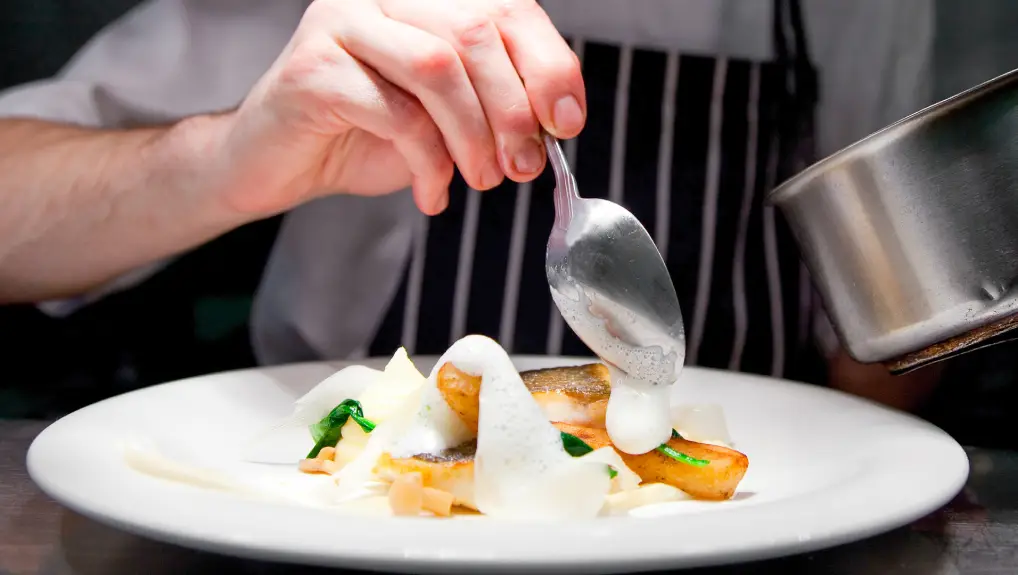
Building on your restaurant’s theme, improving the dining experience goes beyond aesthetics to create a memorable atmosphere for guests. Selecting tableware that aligns with your decor is key. By incorporating a variety of shapes, like rectangular or triangular plates, you raise food presentation and draw attention to your culinary offerings.
High-quality materials, such as porcelain or bone china, provide an elegant look and guarantee durability, saving you from frequent replacements. Matching styles for mugs, cups, and speciality items create a unified design, boosting customer satisfaction. Investing in unique designs, such as coupe plates or rustic stoneware, can set your establishment apart and complement specific menu items. This attention to detail improves your restaurant’s dining experience considerably.
Prioritise Visual Appeal
While prioritising visual appeal in your restaurant’s tableware selection, it’s vital to contemplate aesthetic and design preferences that align with your establishment’s theme. The visual appeal of your crockery significantly impacts customer perception. For contemporary settings, opt for sleek, modern designs. Meanwhile, rustic stoneware suits farmhouse-style eateries. Investing in high-quality materials like fine bone china adds a touch of elegance. It guarantees durability, which is essential for high-traffic environments.
Consider different shapes, like rectangular or coupe designs, to improve food presentation and draw attention to your culinary offerings. Utilise speciality items, such as unique serving platters and individual sauce dishes, to create distinctive presentation styles. These choices augment the dining experience, setting your restaurant apart from competitors.
Assessing Durability and Maintenance Requirements
Evaluating the materials used is essential when considering the durability and maintenance of restaurant tableware, as they greatly affect longevity and upkeep. Porcelain, known for its glossy finish and chip-resistant properties, is a solid choice for durability. Stoneware offers a robust look but needs careful handling to avoid cracks. Melamine, being lightweight and break-resistant, simplifies maintenance.
To reduce frequent replacements, focus on maintenance requirements by choosing crockery with a chip-resistant edge, especially in bustling environments. Prioritise dishwasher-safe tableware to ease cleaning processes, saving time and labour. Regularly inspect items for wear or damage, guaranteeing prompt replacements to maintain food safety and customer satisfaction. A well-thought-out selection strategy guarantees your tableware withstands the rigours of daily use.
Setting a Realistic Budget for Tableware
As you evaluate the durability and maintenance of your restaurant’s tableware, setting a realistic budget that aligns with these considerations is essential. Start by analysing your restaurant’s financials to establish a clear budget for tableware. Include initial purchases and long-term durability—research suppliers to determine the cost per item, focusing on essential crockery like plates and mugs.
Look for bulk purchasing discounts to maximise your budget. Don’t forget to account for ongoing costs, like replacements due to breakage. Review your inventory management practices and supplier pricing regularly to stay responsive to market trends. Customer reviews can provide insights into product longevity and value, helping you make informed decisions without compromising quality.
Understanding Menu-Specific Crockery Needs
When selecting crockery for your restaurant, you must consider the specific needs of your menu. Balancing aesthetics and functionality is key, as the right tableware improves the presentation and the dining experience. Don’t overlook speciality items like sauce dishes and serving platters, which can raise your menu’s appeal and facilitate a cohesive dining atmosphere.
Cuisine-Specific Crockery Types
Have you ever wondered why some restaurants’ table settings perfectly match the cuisine they serve? It’s all about choosing the right cuisine-specific crockery types.
For example, Asian dishes often shine in deep bowls, perfect for soups and noodles. Italian cuisine benefits from wide, shallow pasta bowls, allowing diners to savour every bite.
In fine dining, elegant and intricately designed crockery like bone china improves the dining experience, aligning with the upscale theme. Meanwhile, fast-casual spots might choose durable melamine, which handles heavy use without sacrificing style. Steakhouses need large, sturdy plates to support their hearty main courses.
Remember, speciality items like ramekins for sauces or dessert plates for pastries showcase your menu and boost your presentation.
Aesthetic and Functionality Balance
Balancing aesthetics and functionality in your restaurant’s tableware isn’t just about style; it’s about creating a dining experience that complements your menu. As a restaurant owner, selecting the proper crockery is essential for balancing aesthetics and functionality. Choose tableware that aligns with your restaurant’s theme, like rustic stoneware for a farmhouse vibe or sleek porcelain for a modern touch.
The shape of your plates can improve presentation; rectangular ones offer a contemporary flair, while coupe plates keep the focus on the food.
Speciality Items for Menus
It’s essential to consider the specific crockery needs dictated by your restaurant’s menu to balance aesthetics and functionality in your tableware. Different cuisines call for speciality items that cater to menu-specific needs.
Sauce dishes and ramekins become essential for serving dips, improving dining experiences with their organised presentation. Serving platters can transform dining into a communal event, perfect for shared dishes. Unique shapes like triangular or rectangular plates add a touch of elegance, drawing attention to your dishes.
Understanding these needs guarantees you choose the right crockery, creating a cohesive dining experience that improves customer satisfaction.

Prioritising Supplier Reliability and Reputation
Supplier reliability and reputation are the cornerstones of a successful relationship with your restaurant’s tableware provider. Research suppliers using online reviews from trusted sources like the Better Business Bureau. This helps gauge reliability and customer service.
Discuss with fellow restaurant owners to gather personal recommendations. Regularly assess existing suppliers by reviewing delivery timelines and product quality. Online platforms can offer transparency in supplier ratings, guiding informed decisions.
| Aspect | Action | Benefit |
|---|---|---|
| Supplier Reliability | Check online reviews | Guarantee consistent service |
| Customer Service | Engage with other restaurateurs | Gain trusted recommendations |
| Online Reviews | Use platforms for insights | Make informed choices |
Establish open communication channels to discuss concerns, guaranteeing alignment and fostering a dependable relationship.
Exploring Storage and Space Requirements
Understanding your storage and space requirements is essential to efficiently managing a restaurant’s tableware. Start by evaluating your storage capacity to guarantee room for frequently used items and seasonal or speciality tableware. Use stackable plates and nesting bowls to avoid clutter and maintain organisation, maximising vertical space. Consider the weight and durability of crockery to prevent damage and ensure easy handling for staff.
Implement efficient inventory management to track tableware quantities, avoiding overstocking that can lead to storage issues. Review and reorganise your storage spaces to accommodate new items and discard broken or outdated tableware. This systematic approach will keep your storage environment clean and efficient, supporting smooth restaurant operations.
Negotiating Terms and Building Strong Relationships
Establishing a robust relationship with your tableware supplier is a cornerstone of successful restaurant management. Start by negotiating terms that align with your purchasing volume. This can lead to discounts and exclusive offers. Establish clear communication by discussing expectations and pricing structures to build relationships based on transparency and trust.
Regularly review supplier performance to guarantee competitive rates and quality products.
| Key Actions | Benefits | Goals |
|---|---|---|
| Negotiate Terms | Discounts, better rates | Efficient cost management |
| Build Relationships | Trust, collaboration | Strong supplier rapport |
| Review Performance | Quality assurance | Continuous improvement |
Maintain professionalism, respect deadlines, and schedule periodic meetings. Address concerns, explore joint promotions, and discuss new product introductions. These steps foster collaboration, guaranteeing better service and availability.
Last Orders
To successfully partner with a restaurant tableware supplier, guarantee that you identify your needs and evaluate materials and designs that align with your brand.
Consider durability, maintenance, and budget constraints. Tailor your choices to your menu and prioritise a reliable supplier with a strong reputation.
Assess storage requirements and negotiate favourable terms to build a robust relationship.
Following these guidelines will improve your dining experience and streamline operations, setting your restaurant up for success.