





Regular servicing, maintenance, and proper care are crucial for ensuring the smooth operation of your commercial catering equipment. This will reduce unexpected breakdowns, save on repair costs, and ensure compliance with safety standards.
Develop a structured maintenance schedule that aligns with manufacturer guidelines and usage patterns. Routine cleaning, inspections, and professional servicing are key. DIY checks can address minor issues, but complex problems may require professional help.
Discover how proper maintenance strategies can optimise and extend your equipment’s lifespan. Shop durable, low-maintenance catering equipment.
Summary
- Conduct regular maintenance to prevent unexpected breakdowns and ensure kitchen operations run smoothly.
- Follow manufacturer recommendations for cleaning, inspections, and professional evaluations to maintain equipment efficiency.
- Implement structured maintenance schedules and checklists tailored to equipment usage to ensure safety and compliance.
- Utilise third-party or OEM providers based on budget, brand requirements, and response time to ensure adequate maintenance.
Train staff on the use of equipment, cleaning tasks, and inspection routines to minimise breakdowns and ensure safety standards are maintained.
Why Maintenance Matters for Commercial Catering Equipment
Regular maintenance of your catering equipment is vital, as it reduces unexpected breakdowns and ensures your kitchen runs smoothly without costly disruptions.Keeping your equipment in top condition not only complies with health and safety regulations but also avoids penalties and protects your business’s reputation.
Additionally, well-maintained equipment operates more efficiently, improving energy performance and extending lifespan, ultimately saving you money.
Reduces Unexpected Breakdowns
When your commercial kitchen equipment is regularly maintained, you considerably reduce the chances of unexpected breakdowns that can derail service.Implementing preventative maintenance is vital; it involves scheduled maintenance and regular checks to catch minor issues before they evolve into costly emergency repairs.This proactive approach guarantees your equipment operates smoothly and reliably.
By minimising the risk of unexpected breakdowns, you avoid disruptions during peak hours and maintain seamless kitchen operations. This improves customer satisfaction and protects your revenue stream by preventing costly downtime. Remember, a well-maintained kitchen is a productive and profitable one.
Ensures Compliance with Health and Safety Regulations
Maintaining your commercial catering equipment isn’t just about keeping things running smoothly; it’s essential for compliance with health and safety regulations. Regular checks and maintenance guarantee your equipment meets health and safety standards, preventing food contamination and cross-contamination.
Servicing your appliances reduces the risk of foodborne illnesses by keeping everything clean and operational. Legal compliance is key to avoiding fines and potential closures, so don’t overlook routine servicing.
Consistent maintenance enhances workplace safety by preventing hazards such as electrical faults and fires. Staying on top of maintenance creates a safer environment for your staff and customers.
Improves Energy Efficiency and Performance
While it may seem like just another task on your to-do list, maintaining your catering equipment is crucial for enhancing energy efficiency and performance. Electrical appliances, such as ovens and refrigerators, in a professional kitchen require regular cleaning and planned maintenance. This ensures they operate at maximum performance and use less energy and water.
Efficient machines lower utility bills and reduce environmental impact, a win-win for your business and the planet. Regular servicing helps your equipment maintain optimal temperatures and consistent performance, which supports food quality and ensures service speed.
Extends Equipment Lifespan
Boosting energy efficiency isn’t the only benefit of maintaining your commercial catering equipment. Regular preventative maintenance considerably extends the operational life of your appliances. Addressing wear and tear early reduces repair costs and minimises the need for emergency call-outs. This proactive approach keeps your equipment running smoothly and delays the need for costly replacements.
Plus, having spare parts for common issues can prevent prolonged downtime. By investing in routine care, you’re protecting your investment and ensuring maximum return. A well-maintained kitchen means less stress and more time focusing on your culinary creations.
Common Catering Equipment Issues & How to Prevent Them
You’ll find that common issues, such as limescale buildup in dishwashers and steamers, faulty gas or electric connections, refrigeration inefficiencies, and wear and tear on moving parts, can disrupt your kitchen’s efficiency.
To prevent these problems, incorporate regular cleaning routines, check connections frequently, and schedule routine inspections to ensure optimal performance.
Limescale Buildup in Dishwashers and Steamers
Limescale buildup in dishwashers and steamers is a common issue in professional kitchens that can seriously hamper the efficiency of your equipment. Hard water minerals lead to limescale on heating elements and surfaces, reducing efficiency and equipment lifespan.
Combat this by installing a water softener to lower the mineral content. Regular descaling and cleaning routines are essential; use appropriate cleaning agents or vinegar-based solutions. Monthly self-cleaning or sanitising cycles help prevent build-up.
Watch for white residue or cloudy glassware as warning signs. Consistent equipment maintenance, including regular checks of softeners and filters, ensures your kitchen operates smoothly and prevents costly breakdowns.
Gas or Electrical Appliance Connection Faults
When dealing with gas or electric connection faults in your professional kitchen, it’s crucial to prioritise safety and efficiency. Faulty gas or electrical connections can lead to equipment failures, safety hazards, and operational inefficiencies. Ensure all gas appliances are installed and serviced by Gas Safe registered engineers.
Regularly inspect plugs, cables, switches, and gas connections for damage or wear. Train your staff to perform visual checks and report any issues promptly. Always schedule professional inspections and avoid DIY repairs on gas or electrical systems. Prioritising appliance repair and maintenance will keep your kitchen running smoothly and safely.
Refrigeration System Inefficiencies
How can you guarantee your refrigeration systems run efficiently and prevent costly problems? Start by maintaining temperature consistency.
Dirty condenser coils, faulty compressors, or damaged door seals can cause inefficiencies in your refrigeration system. These issues can lead to temperature fluctuations, which can increase the risk of food spoilage.
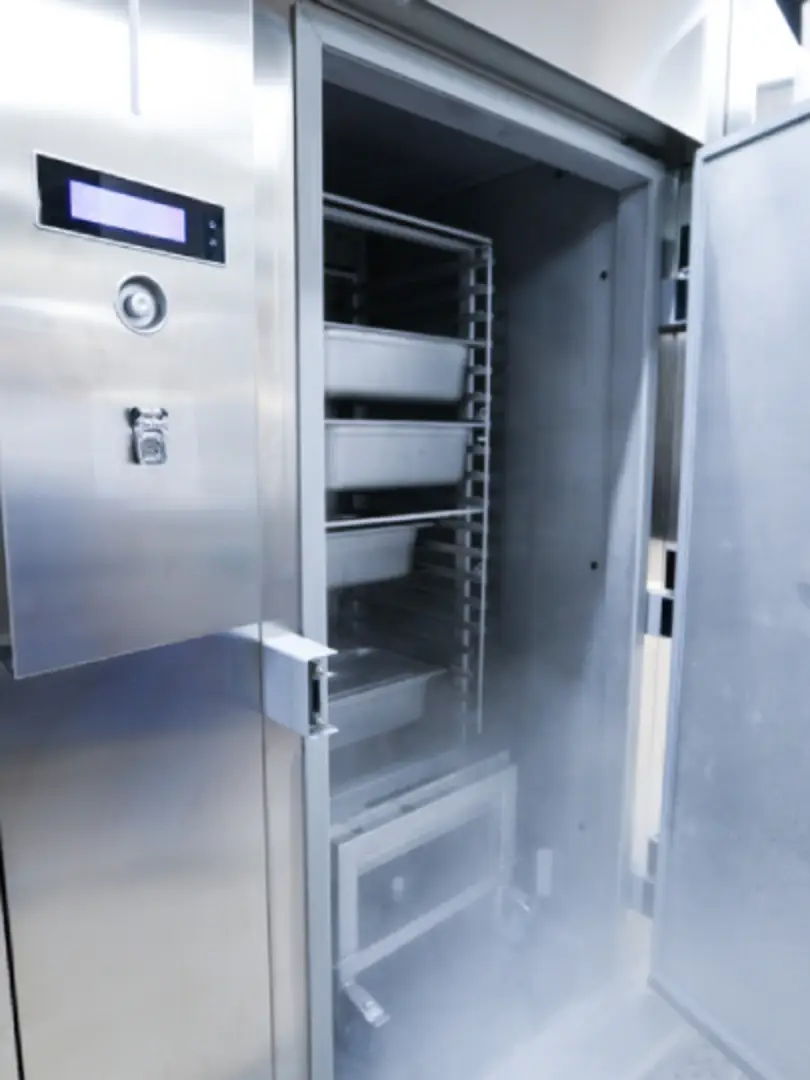
Clean your condenser coils regularly to ensure proper airflow. Check and replace door seals to prevent cold air leaks. Routine servicing is vital—inspect refrigerant levels and compressor performance to catch potential problems early.
Wear and Tear on Moving Parts
Ensuring your refrigeration systems are in top shape is just one part of the equation; addressing common issues, such as wear and tear on moving parts in your catering equipment, is equally important. Regular maintenance is crucial in preventing breakdowns.
Here’s how you can manage it:
- Lubrication: Apply lubricant to moving parts, such as belts and motors, according to the manufacturer’s recommendations to minimise friction and extend lifespan.
- Inspection: Regularly inspect equipment for signs of wear, misalignment, or damage, replacing components as needed.
- Training: Train your staff to handle equipment properly, avoid overloading, and ensure correct operation.
Limescale Build-up in Dishwashers and Steamers
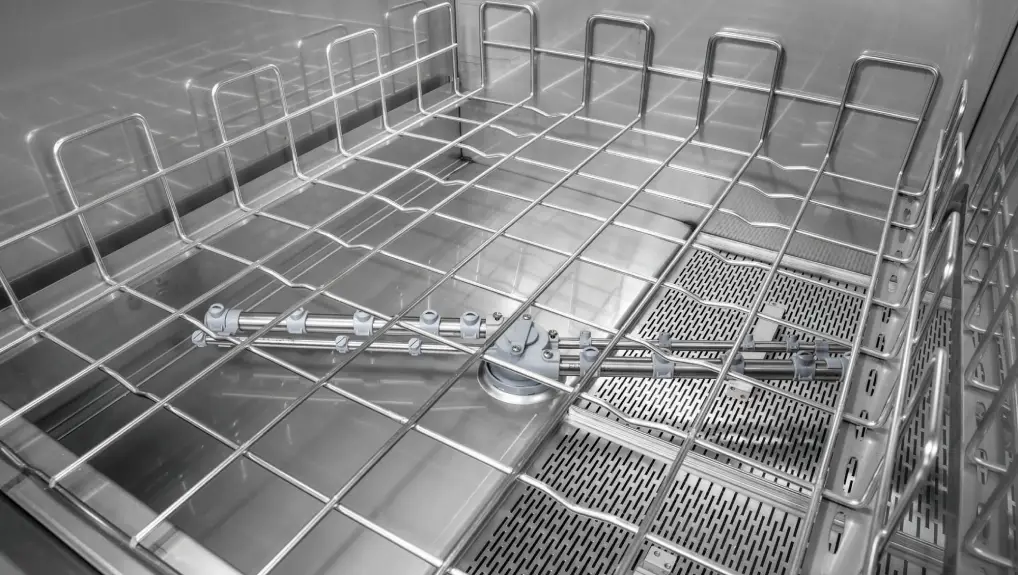
Limescale buildup in dishwashers and steamers is a common challenge in professional kitchens, particularly in areas with hard water. This stubborn limescale can affect catering operations by reducing equipment efficiency and lifespan.To combat this, regularly descaling and cleaning are crucial. Install water softeners or filtration systems to minimise mineral content before water reaches your equipment.
Run self-cleaning or sanitising cycles monthly, and inspect for any white residue or cloudy glassware. These are early warning signs. Don’t skip preventative maintenance visits to ensure your softeners and filters work effectively. Keep everything clean and running smoothly.
How Often Should You Service Commercial Kitchen Equipment?
Regular maintenance of kitchen equipment extends beyond addressing issues like limescale build-up. Follow a tailored maintenance schedule to guarantee proper operation and minimise repair needs.
Consider these factors:
- Manufacturer Recommendations: Always follow the guidelines provided by manufacturers for optimal service intervals.
- Usage Intensity: High-usage equipment needs more frequent inspection by qualified engineers.
- Equipment Type: Different equipment types have varying service needs; for example, ovens and fryers may require more frequent checks.
To keep your professional kitchen equipment in top shape, follow the manufacturer’s recommendations for servicing frequency. High-use equipment needs more frequent attention compared to low-use items, so tailor your maintenance schedule accordingly.
Utilise daily, weekly, and monthly checklists to ensure nothing gets overlooked. Incorporate best practices for consistent upkeep.
Manufacturer Recommendations
Before tackling complex maintenance schedules, it’s vital to consult the manufacturer’s manual for each piece of kitchen equipment. Manufacturer recommendations are crucial for proper servicing and inspection, ensuring your catering equipment operates efficiently and remains under warranty.
Typically, these manuals outline specific intervals:
- Daily maintenance: Perform basic cleaning and checks to maintain optimal efficiency.
- Monthly servicing: Conduct an in-depth inspection to identify potential issues early.
- Annual inspections: Professional evaluations are conducted to ensure that everything is in optimal condition.
Following these guidelines prevents voiding warranties and guarantees that your equipment receives the correct care for its intended design and function.
High-Use vs. Low-Use Equipment Schedules
When managing a bustling professional kitchen, understanding the servicing needs of high-use versus low-use equipment is vital. High-use equipment, like ovens and fryers, requires service every 3 to 6 months. Regular maintenance ensures deep cleaning, calibration, and safety checks.
Daily and weekly inspections and cleaning should also be part of your routine to keep everything running smoothly. Service low-use equipment, such as slicers and ice makers, every 6 to 12 months. Don’t skip regular cleaning and basic checks; they prevent issues.
Tailor your service schedule to each piece of equipment, guaranteeing optimal performance and longevity.
Daily, Weekly, and Monthly Maintenance Checklists
Establishing regular maintenance routines to keep your equipment in top shape is crucial for running a commercial kitchen. A structured checklist ensures that everything, from cleaning to inspections, runs smoothly.
Here’s how you can break it down:
- Daily: Start with basic cleaning and visual inspections. Wipe down surfaces, check fridge temperatures, and empty grease traps.
- Weekly: Dive deeper with thorough cleaning and equipment checks. Clean oven interiors, descale coffee machines, and inspect ventilation filters.
- Monthly: Conduct functional testing and inspect connections. Descale dishwashers, clean condenser coils, and inspect gaskets.
Regular servicing, cleaning, and inspection keep your kitchen running efficiently and safely.
Best Practices
A solid maintenance plan is crucial to keeping your kitchen equipment running smoothly. Tailor your strategy to the equipment type, usage, and manufacturer’s guidance. Train staff to perform daily and weekly maintenance tasks, ensuring they can identify early signs of malfunction.
Schedule professional service for complex equipment at least annually, and more frequently for high-use items. Regular inspections help maintain compliance and prevent costly breakdowns.
Document all maintenance activities to track performance and ensure compliance with industry standards.
DIY Equipment Checks and Cleaning Tips
Regularly clean fryer oil and ventilation systems using safe products and methods to keep your kitchen equipment in top shape.
For fryers, the boil-out method is essential. Ventilation systems demand thorough hood cleaning to prevent grease buildup and ensure safety. Regularly verify seals, cords, and hoses to catch any wear and tear early.
Cleaning Fryer Oil and Ventilation Systems
Although it may seem straightforward, cleaning fryer oil and ventilation systems is crucial to maintaining the efficiency and safety of your professional kitchen. Regular maintenance ensures that your equipment operates smoothly and meets all relevant health and safety standards.
Here’s a simple guide to follow:
- Fryer Oil: Regularly filter and replace the oil to prevent buildup and maintain food quality. Avoid overfilling to guarantee safety.
- Ventilation Systems: Clean filters weekly to remove grease and grime, ensuring proper airflow and reducing fire risk.
- Safety Checks: Inspect for leaks or damage during cleaning and address any issues promptly to prevent downtime and ensure compliance with regulations.
Fryer Oil Cleaning (Boil-Out Method):
While maintaining commercial kitchen equipment might seem intimidating, tackling the fryer oil cleaning process with the boil-out method is simpler than you think. Start by guaranteeing safety; turn off the fryer and let the oil cool below 65°C (150°F). Carefully drain the oil into a container for recycling or disposal. Use a scraper to remove interior debris.
Next, fill the fryer with water and a suitable cleaning solution. Heat and boil for 10–20 minutes to loosen grease. Thoroughly rinse with hot water, ensuring all parts are dry. This maintenance ensures effective grease removal and keeps your commercial catering equipment in top condition.
Ventilation System (Hood) Cleaning:
Maintaining the ventilation system, particularly the hood, is essential for keeping your professional kitchen running smoothly. A clean hood interior prevents grease buildup and ensures efficient airflow.
Here’s a simple guide:
- Remove and soak filters: Remove them monthly, soak them in hot water with a degreaser for at least 10 minutes, and scrub as needed.
- Scrub hood interior: Clean interior surfaces every 3–6 months, focusing on fans and vents, using a brush and degreaser.
- Wipe and dry: Wipe down all surfaces with a damp cloth, then dry thoroughly—reinstall filters, adhering to your regular cleaning schedule.
Checking Seals, Cords, and Hoses
To keep your kitchen equipment running efficiently, it’s essential to check seals, cords, and hoses regularly. Inspect seals on fridge and freezer doors for cracks or gaps. Damaged seals lead to air leaks, reducing efficiency and increasing costs.
For cords, watch for fraying or exposed wires. Keep them off the floor and away from heat and water for safety. Replace damaged cords immediately to avoid risks. Inspect hoses for leaks or bulges, ensuring connections are secure and tight. Suspect hoses should be replaced promptly to prevent water or gas leaks from occurring.
Regular maintenance improves safety and boosts your kitchen’s operational efficiency.
Safe Cleaning Products and Methods
- Degreasers: For heavy grease, apply commercial kitchen degreasers on fryers and hoods. Follow dilution instructions precisely.
- Sanitisers: QUAT sanitisers are effective and safe for most surfaces. They’re a reliable choice for maintaining hygiene.
- Steam Cleaning: Use high-temperature steam for chemical-free sanitising. It’s suitable for most equipment, but avoid using it on porous surfaces.
Quick Checklist
A regular DIY equipment check and cleaning routine can be a game-changer for your commercial kitchen. To maximise safety and support ongoing maintenance, follow this quick checklist for equipment inspection and cleaning:
| Task | Frequency | Key Steps/Notes |
|---|---|---|
| Clean fryer (boil-out) | Weekly/Monthly | Cool, drain, scrape, boil with cleaner, rinse, dry |
| Clean hood filters | Monthly | Remove, soak in degreaser, scrub, rinse, dry |
| Clean hood interior | 3–6 months | Scrub with degreaser, wipe down, dry |
| Check seals, cords, hoses | Weekly | Inspect for damage, replace if needed |
| Use safe cleaning products | Ongoing | Degreasers, QUAT sanitisers, vinegar/bicarb, steam |
This proactive approach guarantees your kitchen’s efficiency and compliance.
Working with Professional Catering Equipment Maintenance Providers
Partnering with professional maintenance providers for your commercial catering equipment offers many advantages. Maintenance contracts typically include regular inspections, emergency repairs, and compliance support, ensuring your equipment operates efficiently and safely.
What’s Included in a Maintenance Contract
Have you ever wondered what exactly goes into a catering equipment maintenance contract? It’s more thorough than you think.
Here’s what’s typically included:
- Scheduled Preventive Maintenance: Regular safety inspections, cleaning, and calibration visits ensure your equipment is always in top shape.
- Compliance Checks: These include essential annual gas safety inspections and checks on extraction systems to keep your kitchen compliant with legal standards.
- Basic Repairs: Contracts often cover minor repairs during scheduled visits, keeping your equipment running smoothly without unexpected costs.
Consider tailoring your contract to match your kitchen’s needs and equipment usage.
Benefits of Third-Party vs Supplier (OEM) Maintenance
You’ve explored what goes into a maintenance contract. Now, let’s examine the benefits of choosing between third-party maintenance providers and supplier (OEM) services. Third-party providers offer cost-effective, flexible services with quick response times, especially if they’re local. They bring multi-brand expertise and can utilise aftermarket and OEM parts, although this may affect your warranty.
| Aspect | Third-Party Maintenance | Supplier (OEM) Maintenance |
|---|---|---|
| Cost | More affordable, flexible contracts | Higher, brand premiums |
| Expertise | Broad, multi-brand skills | Deep, brand-specific knowledge |
| Parts | Aftermarket or OEM, flexible | Only OEM, ensures warranty |
| Warranty | Risk voiding warranty | Maintains warranty |
| Response Time | Often faster, local providers | Slower, manufacturer schedules |
OEM services guarantee warranty compliance and use only brand-specific parts, which is ideal for new equipment.
How Ascot Wholesale Supports Post-Sale Servicing
Whether you’re a seasoned restaurateur or just starting in the hospitality industry, understanding how Ascot Wholesale supports post-sale servicing is essential.
They ensure your catering equipment stays operational with a thorough approach:
- Warranty Management: Ascot Wholesale facilitates warranty repairs, coordinating with manufacturers to handle paperwork and manage onsite or back-to-base repairs.
- Customer Service: Their team offers ongoing support, troubleshooting, and advice on equipment maintenance.
- Maintenance and Repairs: For any item covered by an up-to-date warranty. They provide scheduled servicing and access to necessary replacement parts, ensuring your equipment remains in top condition.
Their expertise guarantees you get the most from your investment.
Last Orders
By prioritising regular maintenance and professional inspections for your commercial catering equipment, you’ll ensure smooth operations, reduce unexpected costs, and prolong the equipment’s lifespan. Implement daily care routines, promptly address common issues like limescale, and schedule periodic deep cleans.
Don’t overlook the importance of professional maintenance providers who can offer expert insights and guidance. This proactive approach safeguards your reputation and boosts your hospitality business’s overall efficiency and success.