



Choosing a tableware material, such as Melamine and Porcelain, for your restaurant involves weighing factors like durability, aesthetics, and cost. Melamine is lightweight, chip-resistant, and cost-effective, ideal for high-traffic, casual settings.
With its elegant, refined look, Porcelain suits upscale dining despite being heavier and more prone to chipping. Both are dishwasher-safe, but only Porcelain is microwave-friendly. Consider your restaurant’s style and clientele preferences. Each material offers unique benefits tailored to specific dining experiences.
Explore additional tableware materials with this restaurant tableware guide for further insights.
Summary
- Melamine is ideal for casual, high-traffic environments because it is lightweight and durable.
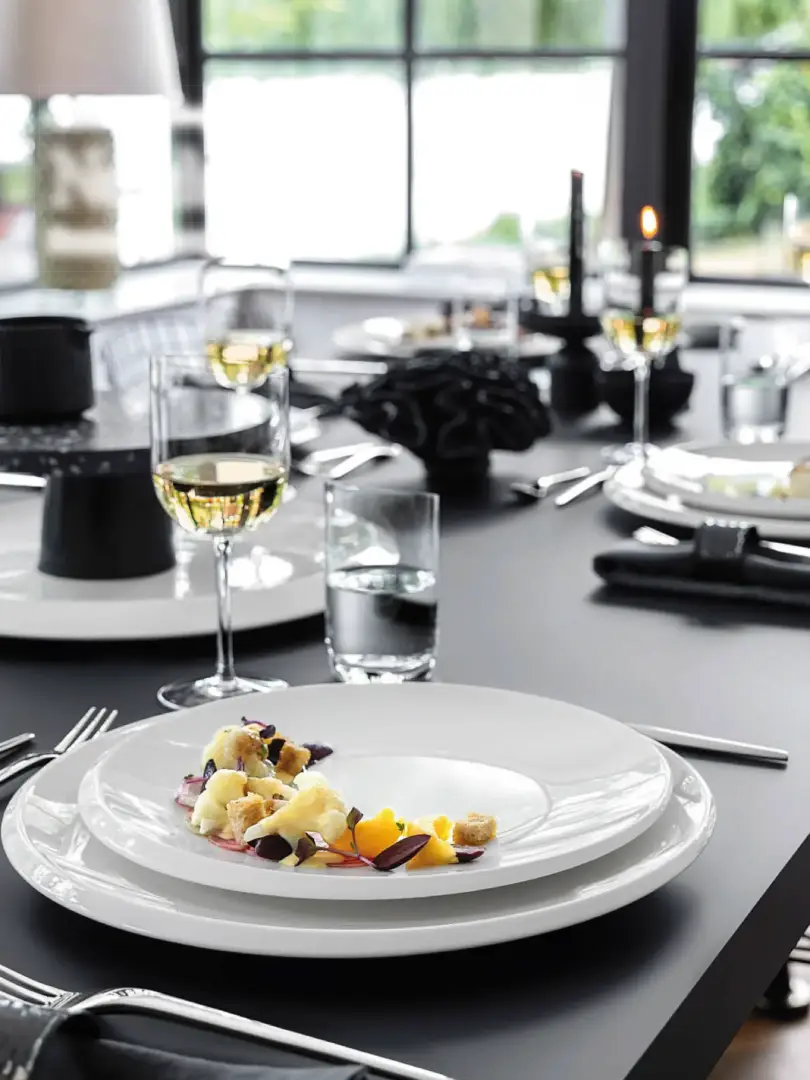
- Porcelain enhances upscale dining experiences with its elegant, glossy finish and refined aesthetic.
- Melamine is cost-effective with low replacement costs, making it suitable for budget-conscious restaurants.
- Porcelain, though initially costly, offers premium quality and elevates brand perception in fine dining settings.
- Melamine is versatile and easy to maintain, while Porcelain requires careful handling and enhances presentation.
What Is Porcelain Tableware?
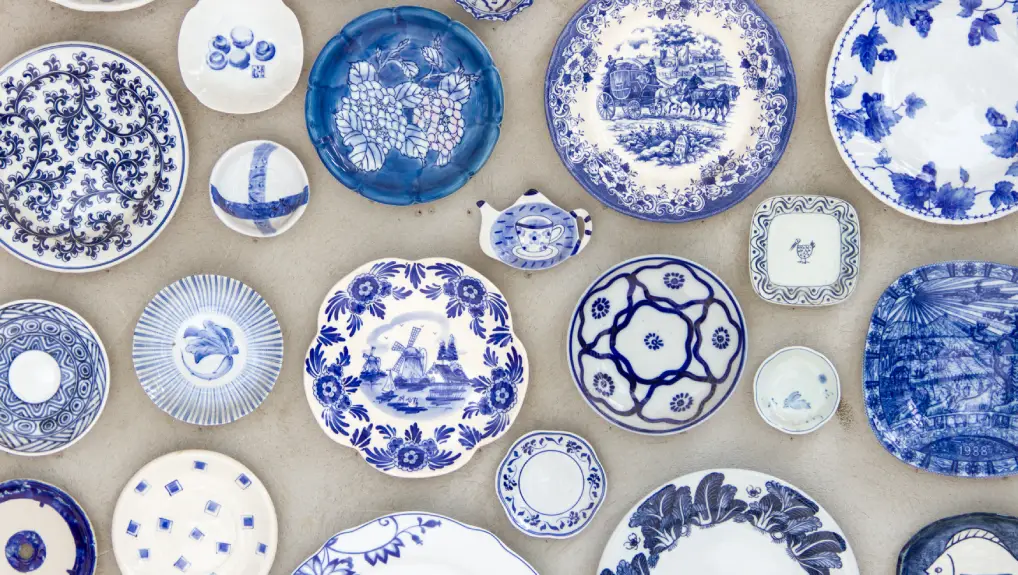
When considering Porcelain tableware for your restaurant, you’ll appreciate its standout qualities, making it a top choice. It’s known for being translucent, offering a pristine white and smooth surface that enhances the presentation of your dishes. Additionally, Porcelain is rugged and durable, non-porous and hygienic, and highly heat resistant, making it a practical and elegant option for any dining setting.
Translucent:
Porcelain tableware is renowned for its translucency, a hallmark of its fine craftsmanship. Unlike Melamine dinnerware, Porcelain allows light to pass through, enhancing its aesthetic appeal. This quality makes it ideal for fine dining restaurants, yet it remains suitable for everyday use.
Here’s a comparison to guide your choice:
| Material | Use | Aesthetic Appeal |
|---|---|---|
| Melamine Dinnerware | Everyday Use | Practical, Durable |
| Porcelain Dinnerware | Fine Dining | Elegant, Translucent |
| Combined Use | Versatile Settings | Balanced Look |
White and Smooth:
In addition to its translucent qualities, Porcelain tableware stands out for its bright white, fine-grained body and smooth, glossy finish. This gives it an elegant look, perfect for upscale dining. Porcelain, including bone china variants, can withstand high heat, making it ideal for hot dishes. Its refined appearance improves the dining experience, ensuring your restaurant exudes sophistication without compromising durability.
Hard and Durable:
Though often admired for its elegance, Porcelain tableware is impressively robust and practical for restaurant use. Porcelain dishes are highly durable and offer remarkable resistance to chipping and cracking, making them ideal for commercial dinnerware. Unlike Melamine plates, Porcelain is also scratch-resistant, standing up to the rigours of busy kitchens. Its strength and resilience make it a top choice for any restaurant seeking longevity.
Non-Porous and Hygienic:
When considering tableware for your restaurant, understanding the hygienic benefits of Porcelain is essential. Porcelain’s non-porous nature, achieved through vitrification, makes it resistant to stains and odours, ensuring a hygienic dining experience. Unlike Melamine, Porcelain doesn’t absorb liquids, maintaining cleanliness with ease.
| Material | Characteristics |
|---|---|
| Porcelain | Non-porous, stain-resistant |
| Melamine | Can be porous, less hygienic |
Heat Resistant:
Porcelain tableware stands out for its impressive heat resistance, making it a highly versatile choice for restaurant settings. You can confidently use these ceramic products in microwaves, ovens, and dishwashers. Unlike Melamine dishes, Porcelain endures high temperatures without warping or cracking. Its durability guarantees it’s dishwasher safe, streamlining your operations while maintaining a professional presentation. Choose Porcelain for a reliable, heat-resistant option.
What Is Melamine Tableware?
When choosing tableware for your restaurant, Melamine offers several practical advantages. It’s known for its durability and lightweight nature, which makes it easy for your staff to handle and reduces the risk of breakage. While it’s unsuitable for microwaving, its heat resistance, aesthetic versatility, and easy maintenance make it a popular choice for everyday dining.
Durability:
Melamine tableware is durable, making it a top choice for bustling restaurants and dining spaces. Its highly resistant nature in high-traffic environments means less chipping and breaking, considerably lowering replacement costs. Despite its lightweight nature, Melamine is robust enough to withstand daily use, ensuring longevity. This makes it an excellent investment for any fast-paced dining establishment.
Lightweight:
You’ll find that Melamine tableware is exceptionally lightweight, which offers significant advantages in a busy restaurant setting. Melamine products’ lightweight nature makes them easy to handle and stack, especially in high-traffic restaurants. This ease facilitates frequent washing, boosting efficiency and customer satisfaction.
Consider these benefits:
- Effortless transport: Quick movement in bustling environments.
- Easy stacking: Saves space and time.
- Reduced breakage risk: Lightweight yet durable.
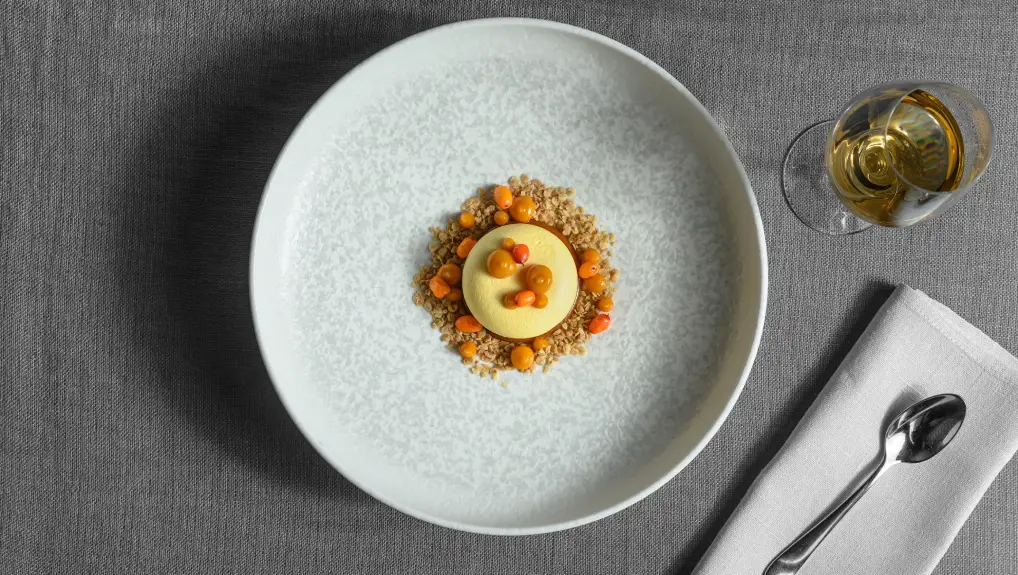
Heat Resistance:
Though Melamine tableware is renowned for its durability, its heat resistance is somewhat limited. Melamine resin makes these dishes suitable for temperatures up to 160°F. Still, they aren’t ideal for microwaves or prolonged exposure to high heat. Modern restaurants must recognise this limitation, as excessive heat may cause degradation or chemical release. Choose wisely to guarantee your tableware meets your operational needs.
Aesthetic Versatility:
How does Melamine tableware bring style to your restaurant’s dining experience? Melamine crockery offers aesthetic versatility by mimicking fine china, providing elegance without fragility. Modern Melamine showcases unique patterns and colours that improve your dining ambience.
- Mimics fine china: Offers sophistication without risk.
- Unique patterns: Customise your tableware.
- Colour variety: Match any décor.
Easy Maintenance:
When considering tableware for your restaurant, Melamine stands out for its easy maintenance and practicality. This material is dishwasher-safe, which simplifies cleanup after busy service periods. Melamine resists stains, ensuring your tableware looks fresh for everyday dining. It retains its colour and gloss, maintaining a polished appearance over time. Choosing Melamine can improve operational efficiency and keep your restaurant running smoothly.
Manufacturing Process
Besides its easy maintenance, Melamine tableware is popular due to its sophisticated manufacturing process that guarantees durability and aesthetic appeal. The process involves moulding Melamine-formaldehyde resin under high heat and pressure. Decorative paper and glazing powder improve the aesthetic, creating a non-porous, glossy finish.
- Durability: Withstands wear and tear.
- Non-porous: Resists stains and odours.
- Aesthetic: Offers customisable designs.
Safety and Use
While Melamine tableware is popular in the restaurant industry, understanding its safety and proper use is essential to guarantee compliance and customer satisfaction. Melamine, an FDA-approved material, is safe for food presentation but should never replace ceramic dinnerware for cooking or reheating. Avoid microwaving and direct heat to prevent chemical migration. Used correctly, it’s a durable, cost-effective alternative.
Pros and Cons
When choosing tableware for your restaurant, weigh the pros and cons of each material, focusing on key factors like durability, weight, and aesthetics. Consider how Melamine’s break-resistance and budget-friendly attributes compare to Porcelain’s elegance and heat resistance. This comparison will help you identify which material best aligns with your restaurant’s needs, ensuring functionality and style for your dining experience.
Durability & Break-Resistance
Choosing the right tableware material is essential for any restaurant, especially considering durability and break resistance. Melamine offers high durability and is perfect for high-traffic settings, as it’s resistant to chipping and breaking. While strong under regular use, Porcelain is more vulnerable to damage if dropped.
Consider these factors:
- Melamine: Ideal for busy environments
- Porcelain: Requires careful handling
- Replacement costs: Lower with Melamine
Weight & Handling
Understanding the weight and handling of tableware is key to optimising your restaurant’s operations. Melamine is lightweight, making it easy to transport and ideal for carrying multiple plates without strain. It’s perfect for large venues or when serving children and elderly guests. Porcelain, however, is heavier, making handling more cumbersome, especially when staff need to manoeuvre several plates at once.
Heat Resistance & Versatility
Although selecting the right tableware material can be challenging, understanding its heat resistance and versatility is essential for your restaurant’s success. Melamine can handle serving temperatures up to 160°F but is not microwave-friendly. Porcelain, however, thrives under high temperatures and is incredibly versatile for cooking and reheating.
- Melamine: Not for microwaves
- Porcelain: Safe for ovens
- Versatility: Porcelain wins
Appearance & Aesthetics
When considering the appearance and aesthetics of tableware for your restaurant, Melamine and Porcelain each offer unique attributes. Porcelain boasts an elegant, refined appearance, ideal for fine dining, and its smooth, glossy finish makes it ideal for display. Melamine, available in various colours and patterns, can mimic Porcelain’s elegance if maintained well. Though less luxurious, high-quality Melamine improves brand perception while offering aesthetic versatility.
Hygiene & Food Safety
Choosing the right tableware involves more than aesthetics; hygiene and food safety are paramount considerations. Melamine and Porcelain offer non-porous surfaces, making them easy to clean and resistant to stains. However, Melamine can’t withstand extreme heat due to chemical leaching, while Porcelain remains safe at high temperatures.
Consider these points:
- Melamine: Non-porous, dishwasher-safe
- Porcelain: Hygienic, chemical-free
- Food Safety: Porcelain preferred
Cost & Longevity
Both Melamine and Porcelain tableware have their financial considerations, which impact your bottom line in different ways. Melamine is cost-effective due to its durability and lower replacement rate, making it ideal for high-volume or casual settings. While Porcelain has a higher initial cost, it offers a premium look. Still, it may incur frequent replacement costs, especially if breakage is common.
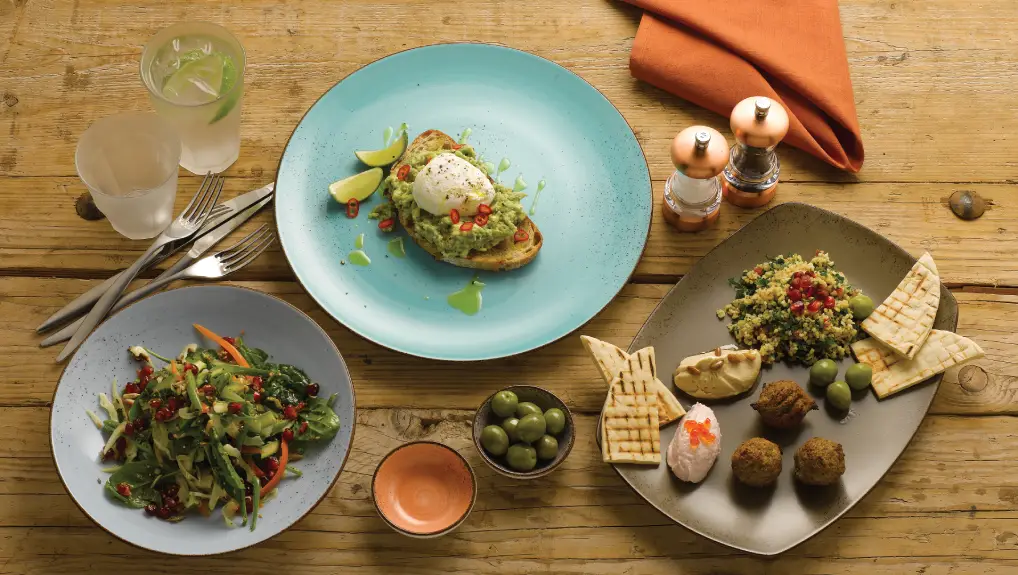
How to Decide What’s Best for Your Restaurant: Melamine vs. Porcelain
When deciding between Melamine and Porcelain for your restaurant, consider your concept and brand identity. These factors guide the overall dining experience you aim to deliver. Assess what your clientele expects; fast-paced settings might benefit from durable Melamine, while fine dining may require the elegance of Porcelain. Don’t forget to weigh budget constraints and long-term value, ensuring durability and presentation align with your establishment’s needs.
Consider Your Restaurant Concept and Brand Identity
Aligning your choice with your restaurant’s concept and brand identity is essential when determining the best tableware material. Melamine suits casual dining and fast-paced settings, offering a durable table setting that improves the dining experience. Porcelain, on the other hand, is perfect for upscale venues seeking elegance.
Consider:
- Budget and cost control
- Desired ambience and presentation
- Type of dining experience offered
Match Tableware to Clientele Expectations
Understanding your clientele’s expectations is essential when selecting the right tableware for your restaurant. Melamine’s durability makes it the preferred choice for family-style, high-turnover venues, especially in outdoor settings. In contrast, discerning diners in fine dining environments expect china dinnerware. Different materials communicate different levels of sophistication and quality, so aligning your tableware choice with customer expectations improves their dining experience and satisfaction.
Weigh Budget and Long-Term Value
Choosing tableware that aligns with your clientele’s expectations is just one part of the equation; considering the financial implications is equally essential.
When weighing budget and long-term value, consider:
- Melamine dinner plates and serving dishes: Lower upfront costs, ideal for ample seating.
- Porcelain: Higher initial cost but offers timeless design and reduced replacement rates.
- Long-term value: Porcelain improves brand perception.
Assess Durability and Functionality Needs
When deciding between Melamine and Porcelain for your restaurant, consider how each material aligns with your durability and functionality needs. Melamine excels in environments prone to breakage and high turnover, making it ideal for busy settings. However, Porcelain offers durability for commercial use and improves aesthetics, resisting chipping and scratching. Choose whether functionality or visual appeal is more essential to your establishment’s success.
Presentation and Consistency
When selecting the right tableware for your restaurant, it’s essential to consider how each material affects presentation and consistency. Porcelain offers an upscale, cohesive look, enhancing presentation and reinforcing brand identity. Though less elegant, Melamine suits casual settings by maintaining consistency in design.
- Porcelain: Best for upscale, formal venues.
- Melamine: Ideal for casual, themed restaurants.
- Consistency: Keep your brand image intact.
Summary Table: Fast-Paced vs. Fine Dining
Understanding the differences between Melamine and Porcelain is essential when deciding on the best tableware for your restaurant. For fast-paced settings, Melamine offers high durability, lower price, and is dishwasher safe, though it’s casual in brand perception. In contrast, Porcelain suits fine dining with its elegant aesthetics, higher price, and premium brand perception. It is also dishwasher safe but more prone to chipping.
Overview
Deciding between Melamine and Porcelain for your restaurant’s tableware is pivotal, as it directly influences your establishment’s ambience and workflow. Melamine suits fast-paced venues with its durability and affordability, while Porcelain enhances fine dining with elegance and versatility.
Consider these factors:
- Dining experience: Aligns with your restaurant’s atmosphere.
- Operational needs: Matches your service pace.
- Budget constraints: Fits financial plans.
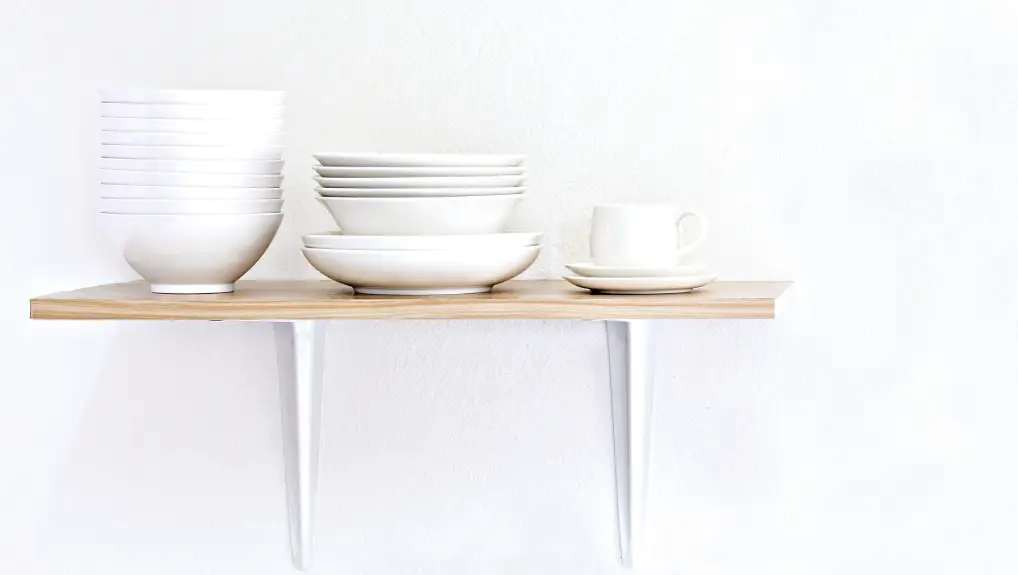
Explore More Tableware Materials
When selecting tableware for your restaurant, it’s essential to consider options beyond the ubiquitous Melamine and Porcelain. Consider square plates and serving trays in various styles to add a contemporary touch to your establishment. These choices can improve outdoor dining areas and offer versatility and durability. Explore renowned brands and find pieces that complement your restaurant’s aesthetic, improving function and presentation.
Last Orders
Choosing between Melamine and Porcelain tableware depends on your restaurant’s unique needs.
If durability and cost-effectiveness are your priorities, Melamine might be the best fit. It’s lightweight and shatterproof, ideal for busy environments.
However, if you aim to create an elegant dining experience, Porcelain’s timeless appeal and versatility are unmatched.
Consider your brand’s identity, customer expectations, and operational demands. Then, weighing these factors, you’ll select the tableware that best improves your restaurant’s dining experience.