Freezing Stock Close to the Line
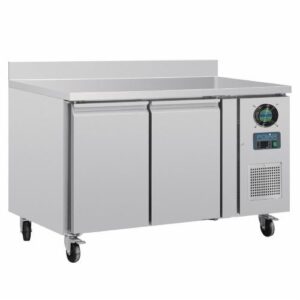
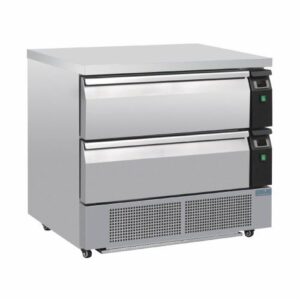
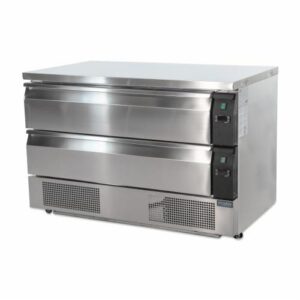
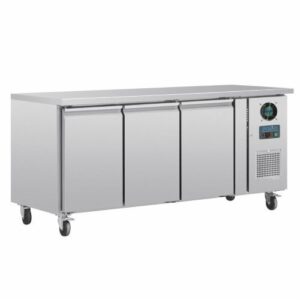
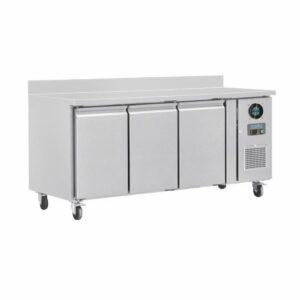
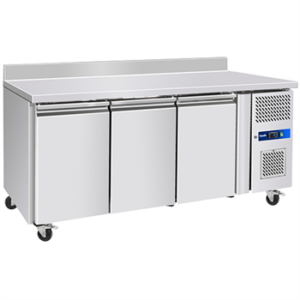
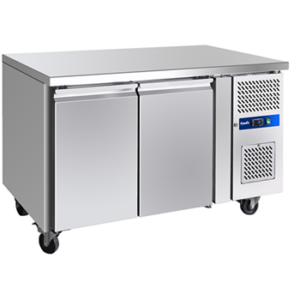
Counter freezers help when you need frozen items near the station. You open a door, pick what you need and go straight back to prep. Some kitchens use them for portions that move quickly through the day.
Others keep odd bits here, things that don’t fit well in a chest or upright unit. It depends on how you organise your room. I’ve watched cooks restock these in the morning, then forget about them until service slows.
They don’t hold huge volumes, but the position matters more than the size. You save steps. You also get a surface you can work on, which helps when space feels tight.
If a kitchen uses one of these well, you can see it during a rush. Staff don’t wander. They stay in the same few square feet.
Cleaning isn’t difficult. Empty it, check the corners, wipe the shelves. It becomes routine after a few weeks. Most units cope fine with frequent use as long as the door isn’t left hanging open.
You May Want to Look at These Too
Upright Freezers →
Better if you need height and clear shelves for stock checks.
Chest Freezers →
Good when you buy in bulk or store large shapes that don’t sit well on shelves.
Under-Counter Freezers →
Smaller units for tight sites. They work when you just need enough for a short service.
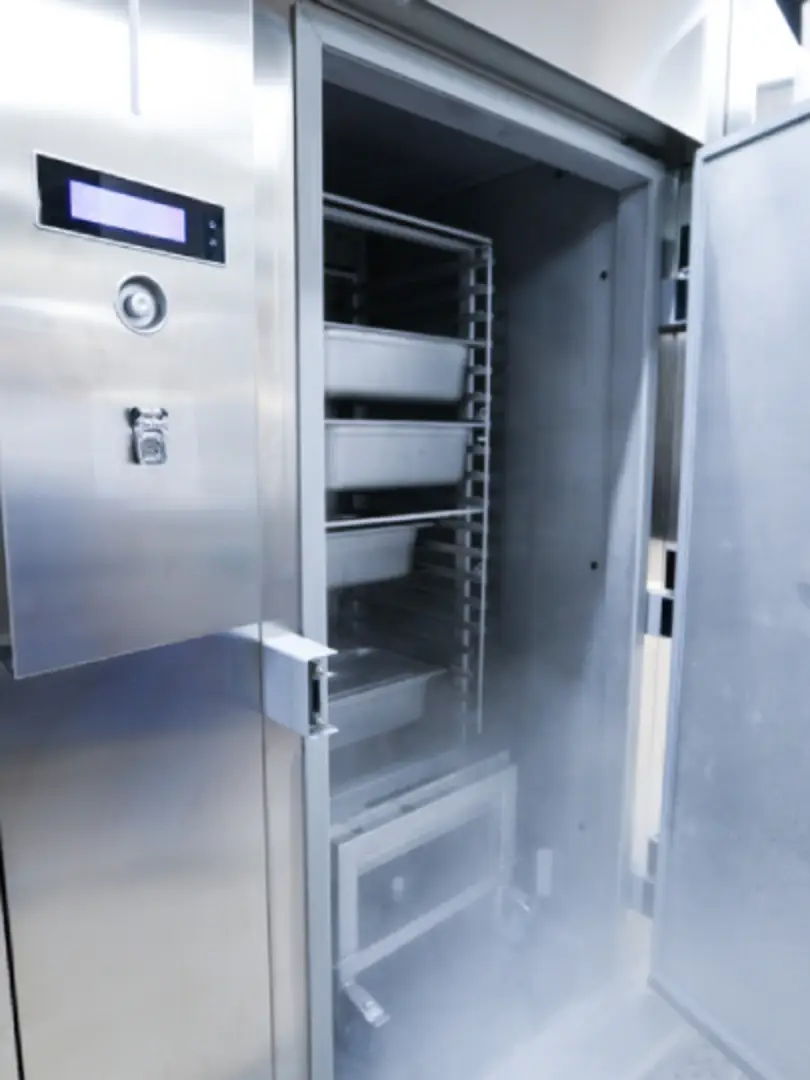
Blast Chillers and Freezers →
Useful if cooling cooked food quickly is part of your daily routine.
Return to Freezers →
Return to Refrigeration →
Frequently Asked Questions
How much can these units usually hold?
Enough for a shift or two. You wouldn’t use them for long-term storage.
Do they run steadily through the day?
Yes, as long as the door isn’t open longer than it needs to be.
Can you prep on the top of them?
Most people do. It gives you a stable surface without taking up more space.
Are they loud?
Some hum a bit. It varies by model and where you place it.
Published by Ascot Wholesale, a supplier to the UK hospitality trade since 1995.