


New or second-hand catering equipment? It’s all about your budget, energy use and compliance needs.
New is more energy-efficient, compliant, and backed by warranties. Second-hand is budget-friendly upfront but may incur higher costs in maintenance and repairs.
Consider your strategic goals and weigh initial savings against long-term performance, energy efficiency and compliance.
To make an informed decision when choosing between new and used catering equipment, consider how each option aligns with your business’s evolving needs.
Summary
- New equipment is more energy-efficient and comes with warranties, reducing long-term operational costs and aligning with sustainability goals.
- Second-hand is cheaper upfront but may cost more in energy and maintenance over time.
- New meets current safety and compliance standards, ensuring reliability and legality.
- Used equipment requires verification of history and condition to ensure performance and compliance.
- Strategic planning should strike a balance between initial savings and the total cost of ownership, including maintenance and compliance costs.
Assessing the Cost-Effectiveness of Second-Hand Equipment
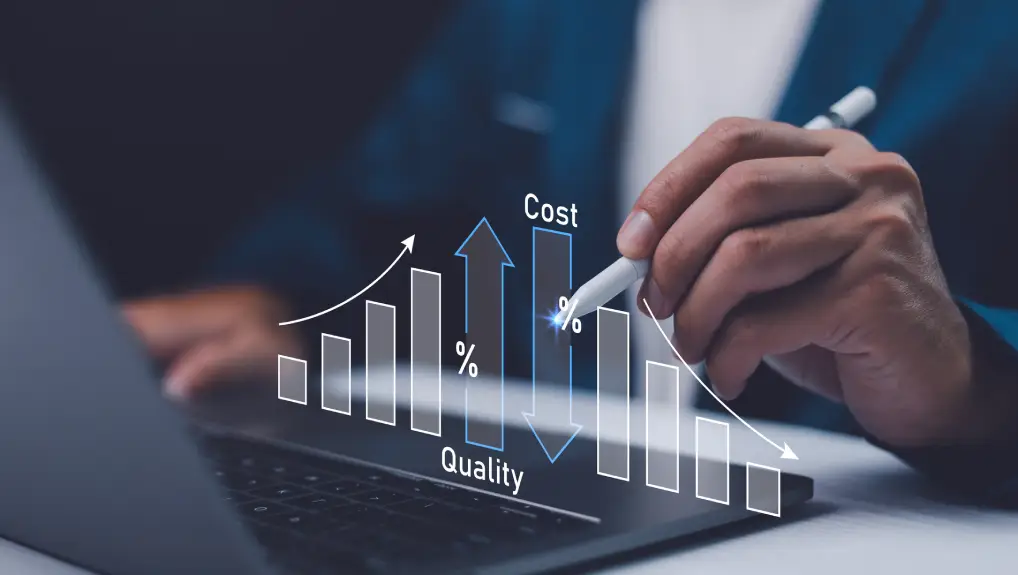
When evaluating the cost-effectiveness of second-hand catering equipment, several factors need to be considered. Used equipment can save you 40-60% of the cost of new equipment. That’s a significant saving for budget-conscious buyers.
But you need to consider maintenance costs as they can be higher over time without a manufacturer’s warranty. Refurbished items can perform well if they have a complete history. Energy efficiency is another factor to consider, as older models may consume more energy than newer ones.
Ultimately, it’s all about balancing the initial purchase price, expected lifespan, energy usage and maintenance costs to make a wise investment.
Exploring the Benefits of New Catering Appliances
When you buy new catering equipment, you get the latest technology features that often improve energy efficiency and performance. Manufacturers back these new units with full warranties, so you can expect lower initial maintenance costs and peace of mind.
Plus, meeting current energy efficiency standards not only supports sustainability but also compliance with safety and hygiene regulations, minimising operational risks.
Latest Technology Features
Discover the latest technological features in new catering equipment and enhance your kitchen’s performance and efficiency. Energy-efficient motors and smart control systems can save you 10-30% operational costs.
Digital interfaces and programmable settings make tasks easier, while remote monitoring keeps everything under your control. These upgrades ensure your equipment meets current safety standards with features like auto shut-off and improved electrical certifications.
This modern tech not only meets food safety regulations but also future-proofs your business. Faster cooking times and better temperature control mean better food quality and customer satisfaction.
By buying new equipment, you’re not just keeping up with the competition; you’re setting the standard in culinary excellence.
Manufacturer Warranty Benefits
As you consider the benefits of the latest technology in new catering equipment, another significant benefit awaits: manufacturer warranties. These warranties usually cover parts and labour for 12 to 36 months, giving you peace of mind.
They reduce repair costs and guarantee you get prompt service if any manufacturing defects occur. With warranty coverage, you get technical support for repairs and sometimes even free or discounted parts. This support is crucial for compliance with safety and performance standards, especially during regulatory inspections.
Plus, they facilitate timely maintenance and repairs, which can extend the life of your equipment. Ultimately, a manufacturer’s warranty protects your investment so your appliances run smoothly.
Energy Efficiency Standards
Although buying new catering equipment may seem expensive upfront, embracing energy-efficient models can save you big in the long run. New equipment often has advanced energy-efficient technology, reducing energy consumption by 10-30% compared to used equipment.
These modern machines meet the latest energy standards so that you can reduce your carbon footprint and utility bills. With smart controls and better insulation, energy-efficient models optimise energy use during operation.
While the initial purchase price is higher the energy savings you’ll get over time will outweigh this cost. Plus, regulations like the EU Energy Labelling and UK energy efficiency requirements encourage the use of newer equipment, making it a smart investment for your business.
Analysing Performance and Reliability Factors
When comparing energy efficiency, new catering equipment outperforms used equipment by having the latest technology that reduces operational downtime and energy costs. You need to consider maintenance needs too, as second-hand equipment may require more frequent repairs that can disrupt service and increase costs over time.
You’ll also want to weigh longevity and durability, as new equipment generally has better reliability and longer lifespan, while used equipment may have hidden damages that affect performance.
Energy Efficiency Comparison
In the world of catering equipment, it’s all about balancing energy efficiency with performance. New equipment has advanced energy-efficient technology using 10-30% less energy than older models. Modern equipment has better insulation and more intelligent controls to optimise energy use.
Used equipment, while efficient, can be unpredictable. Performance depends on age, wear and tear and maintenance history, affecting energy ratings. Over time, used equipment can decline, and operational costs will increase.
Evaluating energy ratings like ENERGY STAR is crucial when deciding between new and second-hand equipment. This ensures you’re making a choice that aligns with your efficiency goals and ultimately benefits your bottom line.
Maintenance Needs Analysis
Energy efficiency is just one piece of the puzzle when choosing catering equipment; maintenance needs play a big part in determining the overall value and reliability of your investment. New equipment requires fewer repairs thanks to modern technology and less wear and tear.
Second-hand equipment may need more frequent maintenance and inspection due to potential hidden defects and past usage.
| Equipment Type | Maintenance Frequency | Reliability Factors |
|---|---|---|
| New Equipment | Low | Modern technology, fewer repairs needed |
| Second-Hand | High | Depends on refurbishment and servicing history |
| Refurbished Used | Medium | Quality of refurbishment, regular inspection needed |
| Both Types | Essential | Regular servicing ensures reliability |
Always consider the reliability and servicing history when buying second-hand.
Buying Equipment for Longevity and Durability
Although the temptation of second-hand catering equipment is big due to lower upfront cost, understanding the longevity and durability factors is key. New equipment has a longer lifespan and better durability. This is due to modern materials and manufacturing standards.
Used equipment has reduced durability due to past wear and usage. They lack recent maintenance. However, if a used unit is well maintained, it can be as reliable as new. But they’ll need more repairs.
New equipment is engineered to meet current industry standards, so it is more reliable and longer-lasting. Used equipment reliability depends on thorough inspection, refurbishment quality and good maintenance history.
Understanding the Importance of Compliance Standards
Ensuring your catering equipment meets legal standards isn’t just a formality; it’s a must. Compliance standards help you meet safety regulations, certification requirements, hygiene standards and food safety laws, reducing operational risks and protecting your business.
In the UK, your equipment must have electrical safety certifications and be made from food-grade materials. While new modern equipment often complies with these regulations, second-hand units need thorough inspection and verification.
Reputable suppliers provide essential documentation and certification proving their equipment meets safety standards. Non-compliant equipment can lead to legal penalties, insurance complications and a damaged reputation.
So, prioritising compliance isn’t just about ticking boxes – it’s about protecting your business and ensuring everything runs smoothly and safely.
Evaluating Energy Efficiency in Equipment Choices
When choosing catering equipment energy efficiency is key for cost savings and environmental responsibility. New equipment often has the latest energy-saving technology, using 10-30% less energy than older models. You’ll save operational costs and get better performance.
Energy efficiency ratings like ENERGY STAR are higher on new units, highlighting their energy-saving capabilities.
Used catering equipment can be efficient if well maintained, but performance depends on age, usage and maintenance history. Older appliances may not have modern efficiency features so that energy bills will increase over time.
Upgrading to new equipment can yield significant long-term savings, reduce energy consumption and your carbon footprint. Evaluate your options carefully to make the most cost-effective choice.
Weighing Warranty and After-Sales Support Options
Choosing between new and second-hand catering equipment involves weighing up warranty and after-sales support options. New equipment comes with manufacturer warranties covering parts and labour for 1-3 years, giving you peace of mind.
This means you can call on an authorised service for quicker repairs and consistent performance. Second-hand equipment often lacks thorough warranties although some suppliers offer limited ones or extended service plans. These service plans may mitigate some risks but often require independent repairs, which can be costly.
- New equipment: Full warranty and quick repairs.
- Used equipment: Check for spare parts and after-sales support.
- Consider costs: Independent repairs for used equipment increase operational risks.

Strategic Business Considerations in Equipment Selection
When buying catering equipment, you need to weigh up business considerations that will impact your long-term success. Balancing initial investment savings with long-term operational reliability is key.
New equipment often has better energy efficiency and lower maintenance costs, which can offset higher upfront costs. On the other hand second-hand may save you money upfront, but could cost more in repairs.
| Consideration | Impact on Business |
|---|---|
| Initial Investment Savings | Frees up capital for other business needs |
| Cost of Repairs | Affects overall profitability |
| Energy Efficiency | Reduces operational costs over time |
Plan strategically, and your choices should align with growth and sustainability goals. Investing in energy-efficient equipment will improve performance and customer satisfaction. Always consider the total cost of ownership, including maintenance, to ensure smart decision-making.
Ensuring Quality and Authenticity in Second-Hand Purchases
In the world of strategic business decisions, catering quality and authenticity in second-hand purchases is key. First, request detailed refurbishment records and service histories. They will help verify the authenticity and assess the equipment’s condition.
Look for serial numbers to confirm provenance. Buying from reputable suppliers who provide a warranty and a transparent supply chain is essential. This means the equipment is genuine and well-maintained.
Inspect critical components thoroughly. Make sure they meet safety standards and performance expectations. Check for electrical safety certifications (PAT testing) and food grade material certifications. These prove compliance with essential safety standards.
Be wary of units offered at heavily discounted prices. They may be counterfeit or poorly serviced and compromise safety and functionality.
- Request refurbishment records
- Guarantee supplier warranties
- Verify safety certifications
Last Orders
When choosing between second-hand and new commercial catering equipment, weigh cost against long-term performance and reliability. New equipment has energy efficiency, compliance and robust warranties.
But second-hand can be budget friendly if quality and authenticity is guaranteed. Consider your business strategy and after-sales support needs.
Ultimately your decision should align with operational priorities and financial goals so you invest in equipment that meets your needs and supports your business.