







Before buying catering equipment online, measure your kitchen and check the space and compatibility with your existing systems, as well as using the buyer’s checklist for catering equipment.
Check safety standards and power requirements. Check seller reputation, read reviews and understand warranty and return policy. Review delivery options and costs, plan for installation and testing to verify performance, and keep records of purchase and installation.
Proper planning ensures that your investment meets operational demands efficiently, and there are additional factors to consider for a smooth purchase experience.
Summary
- Assess equipment needs, compatibility, and kitchen space for optimal fit and workflow efficiency.
- Verify safety, health compliance, and technical specifications meet regional and quality standards.
- Evaluate seller credibility, warranty coverage, and return policies for secure transactions.
- Review delivery, installation, and testing arrangements for seamless setup and operation.
- Confirm purchase details and prepare for equipment installation with necessary documentation.

Understand Your Equipment Needs
When buying catering equipment online, you need to understand your equipment needs thoroughly. Start by doing a menu assessment to determine the essential appliances for your type of restaurant. Measure your kitchen to ensure the chosen equipment fits comfortably, allowing for optimal workflow.
Prioritise equipment that matches your operational requirements, such as your expected customer volume and service style. Evaluate equipment capacity and focus on energy efficiency to meet demand without over investing. Make a detailed list of must-have vs optional equipment. This helps in budgeting so you invest wisely.
Verify Safety and Health Compliance
How do you ensure the catering equipment you’re buying online complies with safety and health regulations? Start by checking safety compliance with local health standards such as FDA, CFIA or FSA. Check certifications and labels if it meets these standards. Check ventilation systems if it meets code requirements to prevent smoke and fumes.
For food safety, check if sinks, dishwashers and sanitation stations meet hygiene standards including water temperature and drainage. Check manufacturer’s documentation for safety features such as emergency shut-offs and thermal cut-outs.
Conduct a thorough safety inspection to ensure durable construction and reliable operation. Prioritising fire safety and food safety in your equipment selection protects your business and customers, a compliant and efficient kitchen environment.
Assess Seller Credibility
To ensure you make a wise investment in catering equipment online, check the seller’s reputation. Start by checking the seller’s reputation through online reviews and ratings. Customer feedback will reveal equipment reliability and overall satisfaction. Look for detailed product description and clear photos to assess equipment condition. Transparency is key to seller credibility.
Make sure secure payment options are available, to protect your transaction. Ask for references or testimonials for more insight into the seller’s track record. Knowing their history and experience in commercial catering industry will give you an idea of their reliability and expertise.
Make sure return policy and warranty options are transparent, so you can have peace of mind as you finalise your purchase. A credible seller means smooth buying experience.

Review Warranty and Return Policies
When buying catering equipment online, always check the warranty coverage to include parts, labour and repairs for at least a year. Understand the return process so familiarise yourself with the conditions for returning or exchanging items if they’re defective or don’t match your order.
Don’t forget to read the fine print for any exclusions or maintenance requirements that can void the warranty and keep all documents for future reference.
Understanding Warranty Coverage
Before you click the “buy” button on any commercial catering equipment, make sure you understand the warranty coverage and return policy. Investigate the warranty duration and coverage details to ensure they match your needs.
Check if the manufacturer offers extended warranty or service plans for added protection. Familiarise yourself with the return policy, focus on timeframes and conditions.
| Coverage Aspect | Details | Importance |
|---|---|---|
| Warranty Duration | Length of standard coverage | Ensures long term support |
| Repair Coverage | Parts, labour or both | Affects repair cost |
| Extended Warranty | Option available | Provides extra security |
Check if warranty claims require authorised technicians. Keep all documents safe for quick resolution. Understanding these will help you make an informed purchase.
Return Process Guidelines
Buying catering equipment online is convenient but understanding the return process is essential to avoid future headaches.
First, review the manufacturer’s warranty policy to know the duration, included repairs and exclusions. Confirm the seller’s return policy including the reception timeframes, conditions for returns and any restocking fees. Check if there’s an inspection process or you can test the equipment upon arrival to ensure it’s functional before acceptance.
Keep all documents of warranty and return policy for potential warranty claims or returns. Understand the return procedure: who to contact, what documents needed and expected resolution timeframes. This will help if you need to return or exchange the equipment.
Confirm Product Specifications and Compatibility
When buying catering equipment online, make sure the product specifications match your kitchen layout and operational requirements. Check the dimensions fit your space and verify the power whether electrical or gas is compatible with your existing setup.
Also make sure the equipment features match your menu and workflow. Always check compliance with local standards.
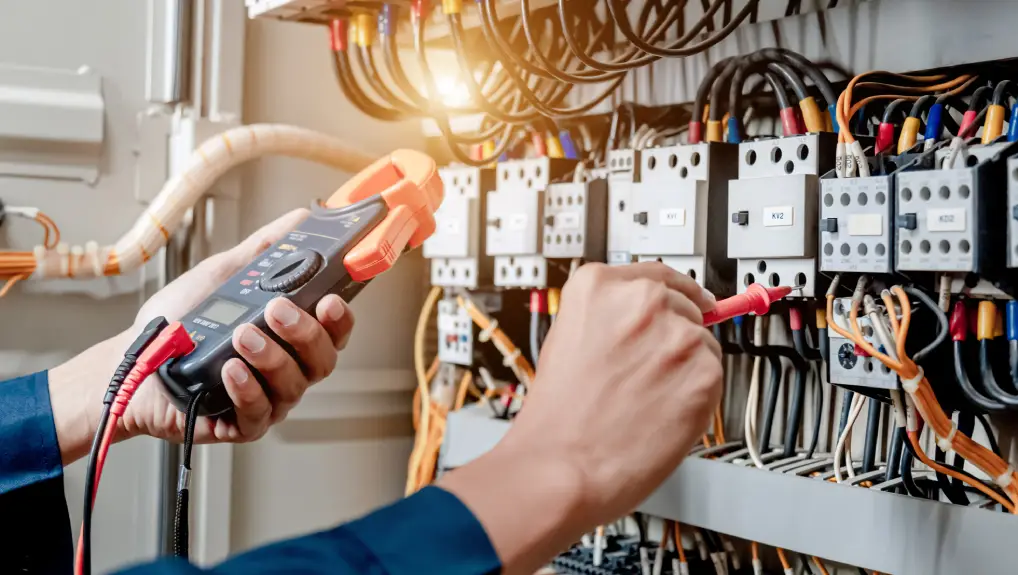
Verify Power Requirements
Understanding power requirements of catering equipment is crucial to ensure seamless integration with your existing electrical setup. First check the equipment specifications for voltage, amperage and phase requirements to confirm electrical compatibility with your system.
Determine whether the equipment is single-phase or three-phase to plan the power supply and installation needs. Verify the wattage to prevent overloading your circuit capacity or exceeding your kitchen’s limit. Cross reference with your facility’s electrical panel ratings to avoid costly electrical system upgrades.
Finally, verify that the equipment’s power plug type and wiring configuration match local standards; otherwise, prepare for necessary adapters or modifications. Accurate planning means your kitchen runs smoothly without interruptions.
Check Dimensions Fit
Before you click “buy”, make sure the catering equipment’s dimensions match your kitchen space. Accurate measurements and specifications are key for a smooth fit and efficient operation.
Here’s how to check size compatibility:
- Measure Thoroughly: Compare the product’s dimensions with your kitchen layout. This includes height, width, depth and clearance for maintenance and ventilation.
- Review Technical Drawings: Examine detailed manufacturer drawings or datasheets to confirm exact measurements. This will ensure the equipment fits your space planning requirements.
- Check Delivery Access: Measure doorways, corridors and storage areas to ensure the equipment can be delivered and installed without issues.
Ensure Equipment Compatibility
Ensuring your catering equipment is compatible with your facility’s infrastructure is as important as checking the dimensions. Start by verifying the technical specifications, such as voltage, wattage, and plug type, to ensure they match your electrical requirements.
Capacity matching is important—verify the equipment fits your kitchen size and layout for smooth installation considerations. Don’t forget to check accessories compatibility to maintain full functionality.
Verify material standards meet local standards, especially for food contact surfaces. Performance verification is key; review data sheets to match the equipment’s capabilities with your operational needs.
Evaluate Delivery Options and Costs
How do you ensure your catering equipment arrives on time and in good condition? Evaluating delivery options is key. Start by checking if your supplier offers free or paid shipping options as shipping costs vary with order size and distance. Be mindful of delivery lead times to match your project timeline.
Here’s a quick checklist:
- Delivery Policies: Is there delivery insurance or transit guarantee to protect against damage?
- Freight Charges: What are the extra charges for bulky equipment, especially if special equipment handling or lift services are required?
- Installation Services: Does the supplier offer installation services or do you need to arrange this separately which may add to the cost?
Considering these factors will save you surprises.
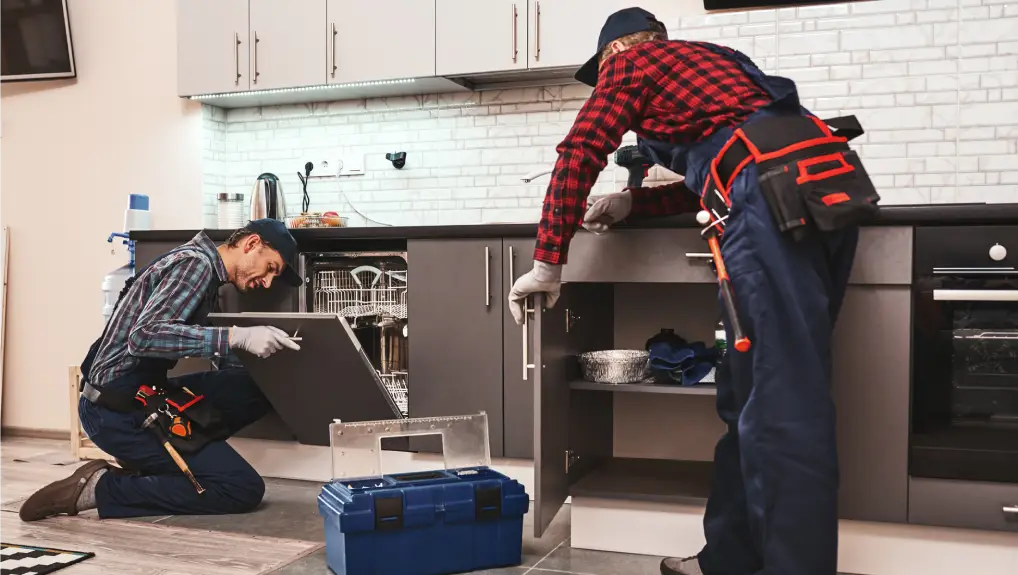
Plan for Testing and Installation
Now that you’ve sorted out your delivery logistics, let’s move to a critical step in ensuring your catering equipment performs as expected: testing and installation.
Start by arranging professional testing for equipment verification, focus on temperature accuracy and operational cycles. Schedule installation with qualified technicians to ensure the setup meets safety standards including electrical or gas connections. Arrange professional testing and installation with qualified technicians to ensure safety standards and operational accuracy.
Ensure that all necessary accessories, such as mounting brackets and power cords, are included and installed correctly. During installation, conduct a thorough inspection to check for damages, calibration, and compliance with manufacturer specifications.
Document the installation and testing process and results. This documentation will be helpful for future maintenance, warranty claims and health and safety regulations so your equipment runs smoothly and safely.
Last Orders
By following this checklist, you’ve had a smooth purchasing process for your commercial catering equipment. Know your needs and always check safety compliance. Check seller reputation and review warranty and return policy.
Check product specifications match your requirements and consider delivery options and costs. Finally, plan for proper testing and installation. By doing so you’ll make informed decisions, minimise risks and equip your business for success.