As you look to 2026, big changes are coming in disposable catering supplies, all about eco-friendliness and UK regulations on plastic use. Biodegradable and compostable materials like plant-based bioplastics are gaining momentum.
Consumer demand is driving the demand for sustainable products, and businesses are seeing the benefits of going green, from cost savings to a better reputation. You’ll find sustainable practices are at the heart of everything, and there’s more to come in this evolving landscape.
Find the latest trends in catering disposables here.
Summary
- Eco-friendly materials like sugarcane pulp and cornstarch are replacing traditional plastics in disposable catering supplies.
- UK legislation is enforcing regulations on single-use plastics and recycled content in packaging.
- Smart packaging technologies like QR codes are being added to monitor food safety.
- Reusable solutions like stainless steel containers and silicone wraps are becoming popular in catering.
- Brand reputation and customer loyalty benefit from going green in catering supplies.
The Rise of Biodegradable and Compostable Materials
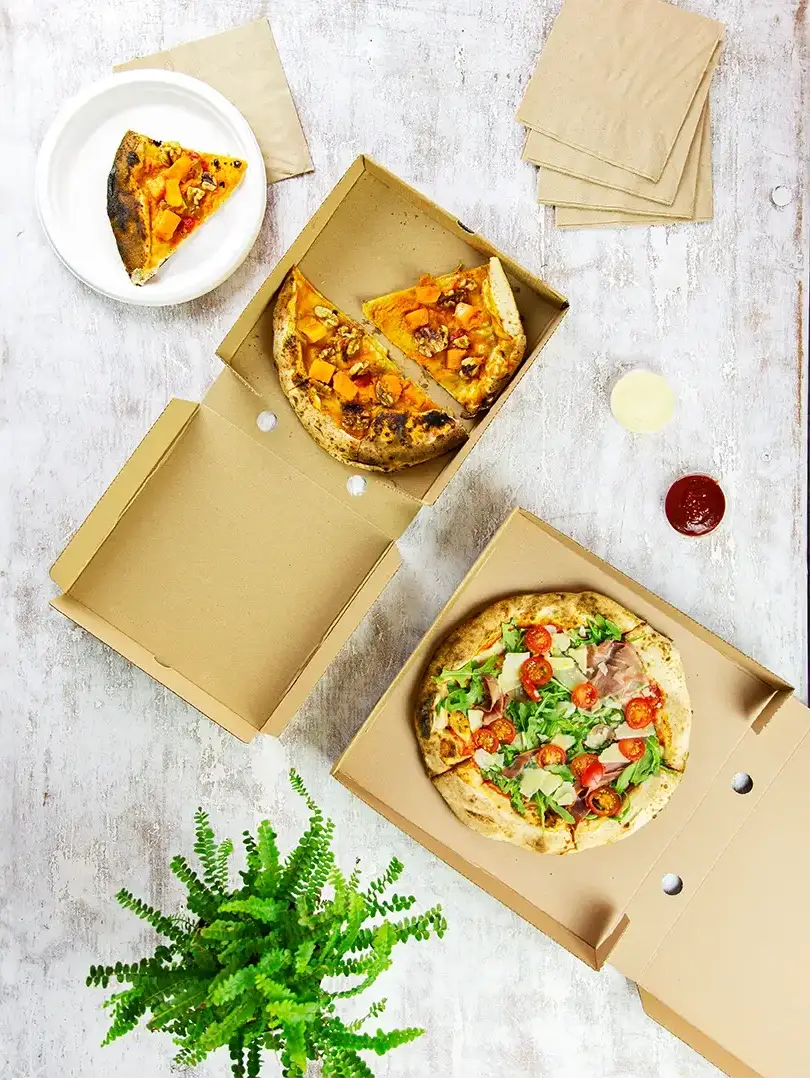
As we look to 2026, the landscape of disposable catering supplies is changing with the rise of biodegradable and compostable materials. You’re seeing a move from traditional plastics to eco-friendly catering supplies made from renewable sources like sugarcane pulp and cornstarch.
These biodegradable materials are stepping up as the sustainable alternative, meeting the demand for greener options. Compostable packaging, including trays, bowls, and cutlery, is becoming more common, driven by consumer demand and environmental regulations.
Popular choices like bagasse and PLA break down naturally in composting facilities, a practical solution. Innovations like seaweed-based liners and water-based plant coatings are also promising alternatives. This is a big moment in catering supplies, heading towards a more sustainable future.
Impact of UK Legislation on Catering Supplies
You’re about to see how UK legislation in 2026 will impact your catering supplies by enforcing stricter, eco-friendly standards. With the EPR tax, businesses are now responsible for the costs of managing packaging waste, so you’ll be shifting towards sustainable options.
Plastic restriction policies and detailed reporting requirements mean you’ll be adopting biodegradable and recyclable disposables to be compliant with the latest regulations and ready for the future market.
EPR Tax Implementation
Understanding the EPR tax on catering supplies means understanding the huge impact on your business and costs. EPR means higher packaging costs as you’re paying for the packaging you use. This tax makes you think about sustainable materials to reduce environmental impact. As you adapt, eco-friendly disposables become more appealing, aligning with waste management goals.
You’ll have new reporting requirements, needing to track your packaging usage to be compliant. This is an opportunity to review your sourcing strategies and focus on recyclable and biodegradable materials. At the end of the day, EPR is driving towards greener practices.
How you choose and manage your catering supplies will shape your business’s sustainability approach.
Plastic Restriction Policies
As you navigate the changing landscape of catering supplies, you’ll see the impact of the UK’s plastic legislation. With 2026 banning single-use plastic cutlery, stirrers and straws, the catering industry needs to navigate these plastic restrictions.
The move to biodegradable packaging and eco-friendly disposables is key, driven by the Extended Producer Responsibility scheme and the Plastic Packaging Tax. This tax, introduced in 2022, applies to packaging with less than 30% recycled content, making traditional plastic supplies more expensive.
Compliance with new recycling requirements means clearer labelling and new product development. As enforcement gets stricter, suppliers are adopting materials like paper, cardboard, bioplastics and compostable options to meet both government and consumer demands.
Eco-Friendly Compliance Requirements
As the UK cracks down on plastic waste, catering businesses will need to adapt to a world where eco-friendly compliance is more than just a trend – it’s the law. With the extension of the ban on single-use plastics, you’ll need to adopt biodegradable and recyclable alternatives.
This is driven by:
- Extended Producer Responsibility (EPR): You’re now funding waste management and recycling, affecting your bottom line.
- Plastic Packaging Tax: Packaging with less than 30% recycled content is taxed, increasing costs.
- Mandatory Materials: Regulations are pushing for biodegradable, compostable and recyclable materials in your supplies.
- Detailed Reporting: You’ll need to provide in-depth documentation to prove compliance with environmental standards.
You can’t opt out of these changes; it’s essential to your business.
When it comes to eco-friendly packaging technologies, the industry is moving fast. You’ll find bioplastics made from plant-based sources, compostable materials like sugarcane fibre and biodegradable coatings changing sustainable packaging.
These innovations are replacing traditional plastics, minimising environmental impact. Smart packaging is also on the rise, with features like QR codes and sensors to monitor food freshness and safety.
New manufacturing processes are using renewable energy and water-based adhesives, reducing the carbon footprint of disposable catering supplies. Researchers are working on improving the durability, heat resistance and barrier properties of these eco-friendly materials.
So they’re making sure sustainable alternatives meet the same performance standards as traditional plastics, making them a viable option for the future.
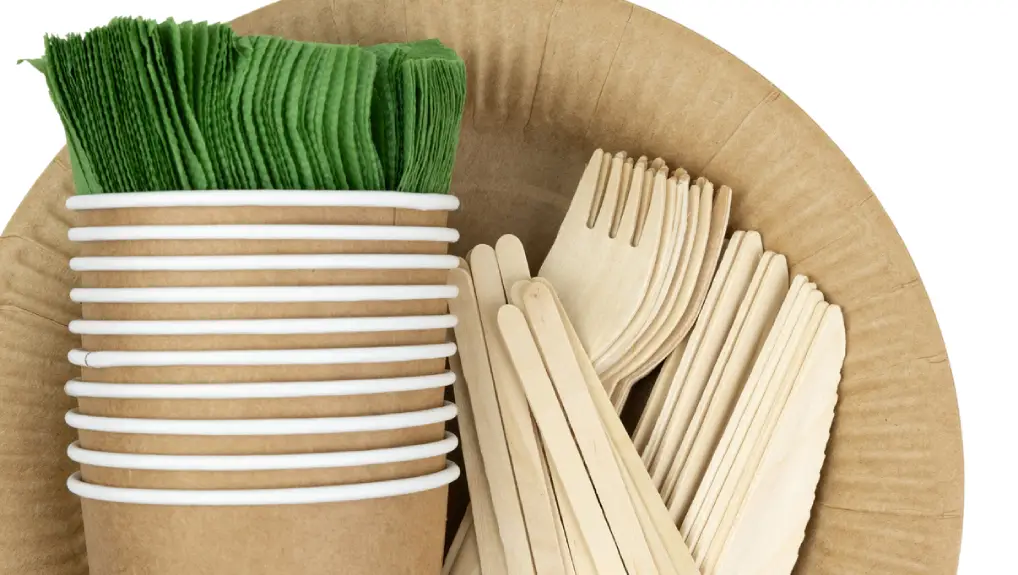
Advancements in Eco-Friendly Packaging Technologies
When it comes to advancements in eco-friendly packaging technologies, the industry is making significant strides.
You’ll find bioplastics made from plant-based sources, compostable materials like sugarcane fibre, and biodegradable coatings that are transforming sustainable packaging. These innovations help replace traditional plastics, minimising environmental impact.
Smart packaging is also on the rise, integrating features like QR codes and sensors to monitor food freshness and safety. Moreover, new manufacturing processes employ renewable energy and water-based adhesives, leading to a lower carbon footprint for disposable catering supplies.
Researchers are focused on enhancing the durability, heat resistance, and barrier properties of these eco-friendly materials. As a result, they’re ensuring that sustainable alternatives meet the same performance standards as conventional plastics, making them a viable choice for the future.
Benefits of Sustainable Practices for Businesses
By going sustainable you’ll reduce your environmental impact and improve your brand’s appeal to eco-conscious consumers. This will boost customer loyalty and position your business as a leader in sustainability. Plus, embracing eco-friendly initiatives aligns with changing regulations, ensuring compliance and long-term viability.
Eco-Conscious Brand Appeal
Choosing sustainable catering supplies is more than just a trend; it’s a strategic move that can elevate your brand’s reputation. By adopting sustainable branding and eco-friendly packaging, you’re aligning with a growing consumer awareness of environmental responsibility.
This approach not only sets you apart from competitors but also strengthens customer loyalty.
Here’s how:
- Brand reputation: Demonstrates your commitment to eco-friendly practices, improving public perception.
- Consumer awareness: Attracts eco-conscious clients who value sustainability.
- Environmental responsibility: Keeps you compliant with regulations, avoiding penalties.
- Marketing advantage: Amplifies your social media presence, showcasing dedication to sustainability.
These strategies foster positive word-of-mouth, increasing your appeal in a market where more consumers prioritise environmental responsibility.
Reduced Environmental Footprint
Adopting sustainable practices in catering supplies substantially reduces your environmental footprint, offering numerous benefits for your business.
By switching to biodegradable and compostable products, you can decrease landfill contributions by up to 80%. This not only helps the environment but also improves your brand reputation, as 68% of consumers favour eco-conscious companies.
Using sugarcane-based trays and plant-based wraps lowers carbon emissions by 30%, aligning with the UK’s Plastic Packaging Tax, which encourages reducing single-use plastics. Moving to reusable options also offers long-term cost savings through reduced waste management expenses.
Innovations in Reusable Catering Supplies
Going sustainable in catering supplies reduces your environmental impact, offering many benefits for your business. By switching to biodegradable and compostable products you can reduce landfill waste by up to 80%. This helps the environment and your brand reputation, as 68% of consumers favour eco-conscious companies.
Using sugarcane-based trays and plant-based wraps reduces carbon emissions by 30%, in line with the UK’s Plastic Packaging Tax, which is encouraging the reduction of single-use plastics. Moving to reusables also offers long-term cost savings through reduced waste management costs.
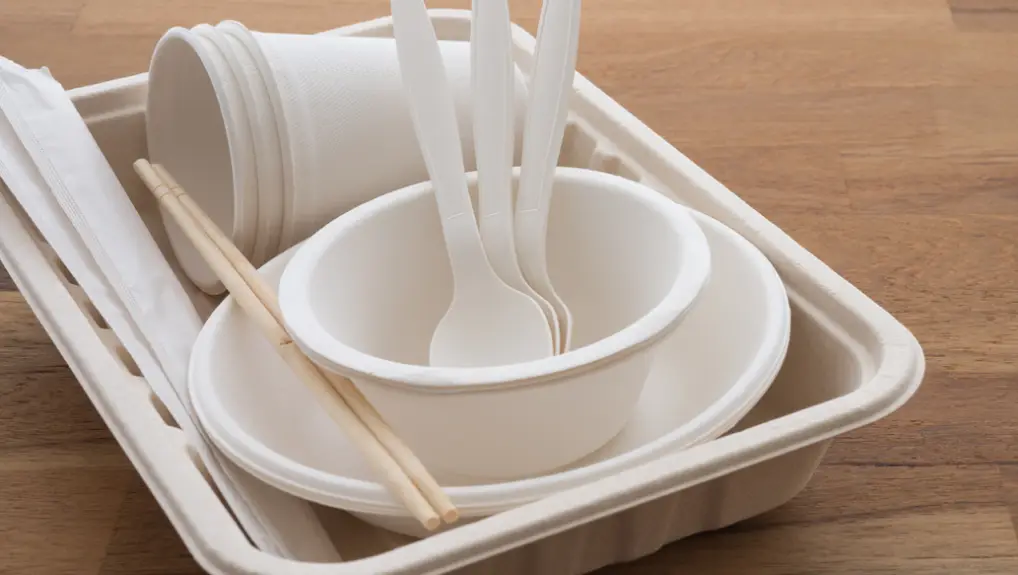
Reusable Catering Supplies
Single-use plastics have dominated the catering industry for years but the shift to reusables is now underway. Reusable catering supplies are promoting sustainable practices and eco-friendly solutions for the foodservice industry.
Durable options like stainless steel containers and silicone wraps are popular for reducing disposables.
Check out these:
- Huskee Cups: Made from coffee husks, an eco-friendly and stylish alternative to traditional cups.
- Bamboo Cutlery: A reusable and biodegradable option that aligns with your environmental goals.
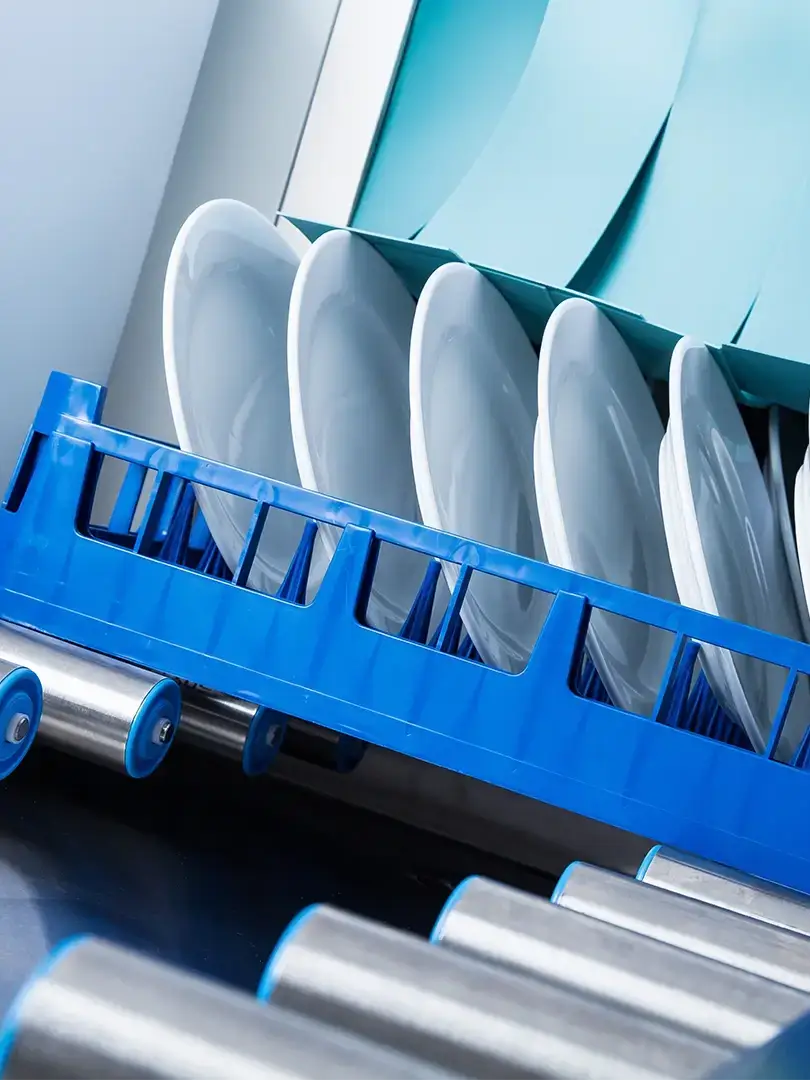
- Advanced Cleaning Technologies: Ensure reusables are hygienic and practical for high-volume operations.
- Customisable Reusables: Improve customer engagement and reinforce your commitment to sustainability.
These meet consumer demand and comply with UK regulations on single-use plastics.
Strategies for Transitioning to Sustainable Solutions
As reusables gain traction the next step is to think about how your business can adopt sustainable solutions. Going sustainable in the foodservice industry means swapping traditional plastics for biodegradable materials like sugarcane pulp and plant-based bioplastics.
Start with high-volume items like trays and cutlery to manage costs and streamline changes. Check supplier certifications and product lifecycle data to ensure eco-friendly compliance and regulations.
“Focus on high-volume items like trays and cutlery to efficiently manage costs and ensure eco-friendly compliance.“
Incorporating sustainable packaging into your branding will boost consumer perception and environmental commitments. Train staff on recycling and update operational procedures to handle these materials properly.
This will help you get the most out of your sustainable transition, supporting your business and the planet.
Last Orders
As you navigate the changing world of catering supplies going sustainable is key. Biodegradable materials and eco-friendly packaging aren’t just trends – they’re industry standards.
UK legislation is driving greener practices and technology is making it easier. By going sustainable you’ll comply with regulations and benefit financially and brand reputation. Innovate with reusables and ensure your business is both environmentally and economically sustainable.