




Cocktail tools for beginners form the foundation of every great home bar, and having the right ones from the start makes the entire experience far more enjoyable. This guide walks you through the essential equipment, techniques, ingredients, and beginner-friendly tips to help you mix balanced, great-tasting cocktails with confidence.
Before reading on, it’s worth taking a look at our full bar equipment range to see exactly what your starter kit could include.
Summary
- Essential Tools: Covers beginner-friendly tools like shakers, jiggers, strainers, bar spoons and muddlers
- Shaking & Stirring Tips: Explains the difference between shaking and stirring and how to apply each technique correctly.
- Key Ingredients: Outlines core spirits and flavour-balancing principles for building cocktails.
- Mixers & Enhancers: Highlights must-have mixers such as fresh citrus, syrups, bitters, and sodas.
- Beginner Cocktail Recipes: Provides some classic cocktails – Old Fashioned, White Russian, Margarita.
- Pro Tips for Beginners: Offers practical advice on technique, ingredients, tasting, and starting simple to build confidence.
Essential Cocktail Tools
As you set up your home bar, you’ll need a few basics to get going:
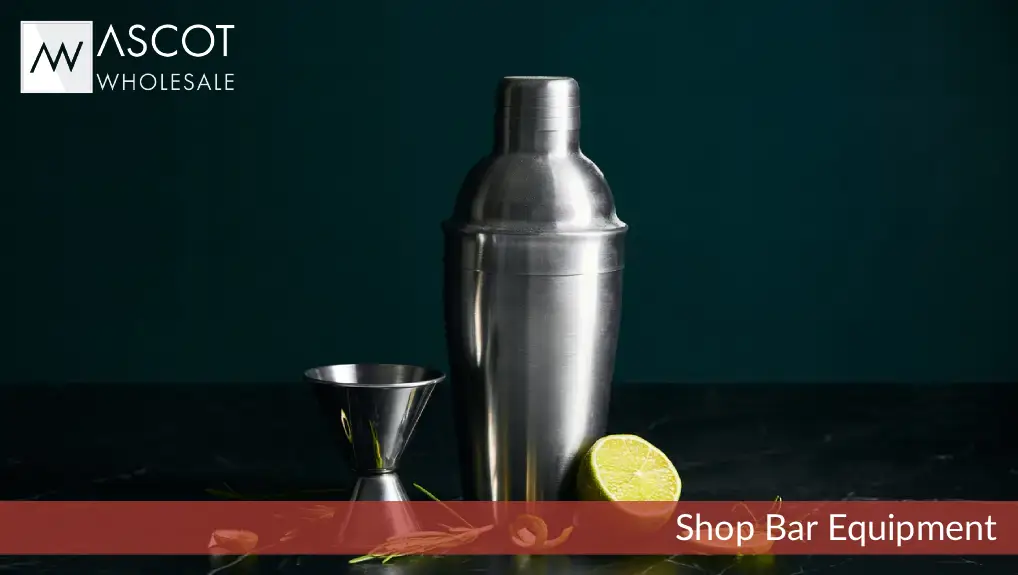
- Cocktail Shaker: Used for mixing and chilling drinks. Beginners often start with a Cobbler shaker (all-in-one with built-in strainer) for convenience. As your skills grow, you can upgrade to a Boston shaker (a mixing glass + metal tin) for more advanced and versatile cocktail making.
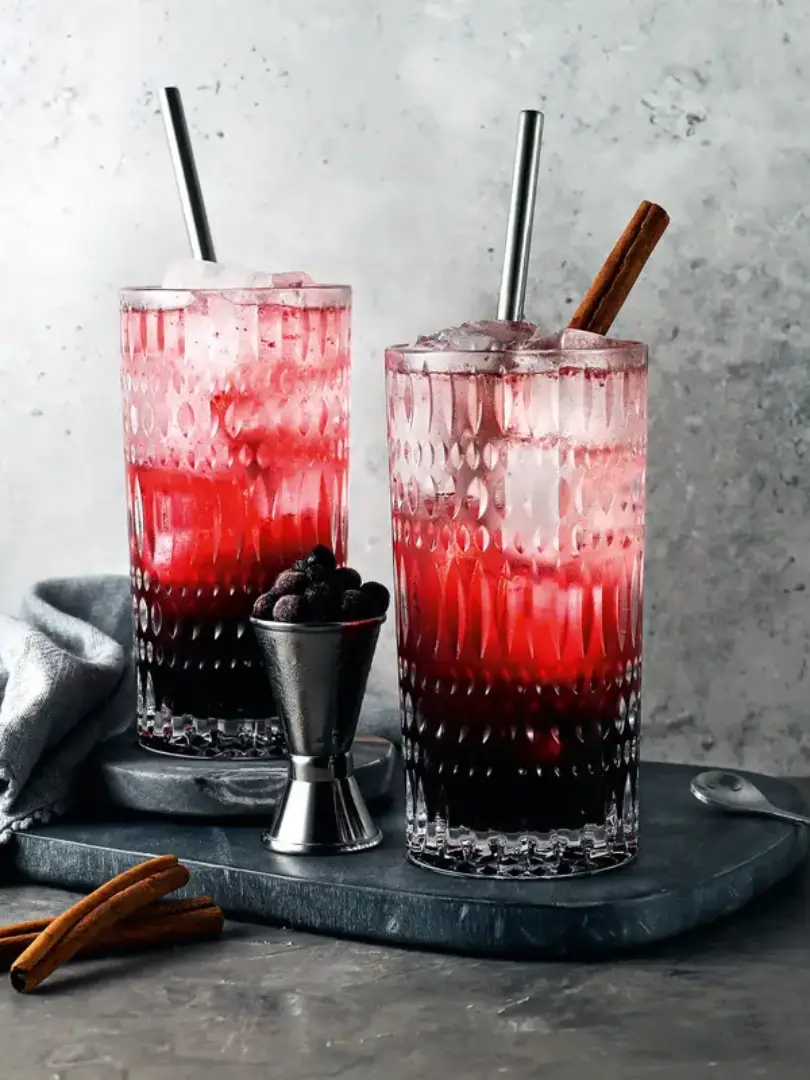
- Jigger: A measuring tool for ensuring each drink is perfectly balanced. A double-sided jigger is especially useful, with markings for ¼ oz, ½ oz, ¾ oz, 1 oz, 1.5 oz, and 2 oz, helping you pour ingredients accurately and avoid overly strong or weak cocktails.
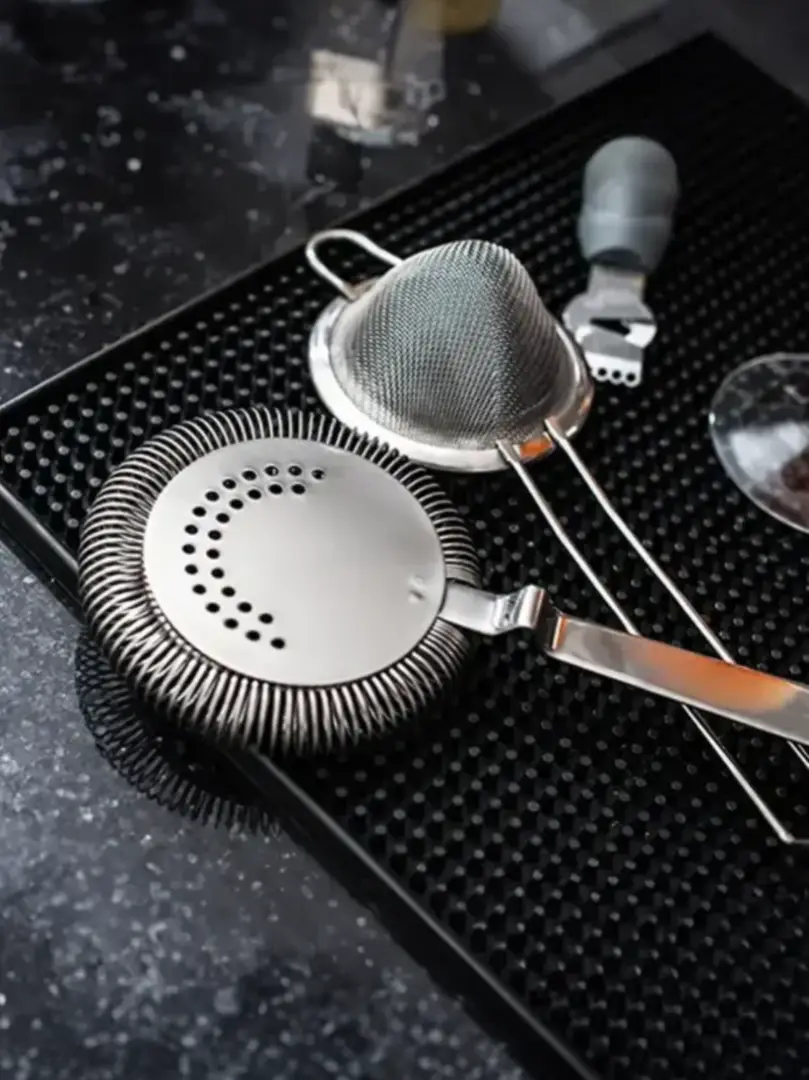
- Strainer: Used to keep ice, fruit bits, or herbs out of your glass. A common choice is a Hawthorne strainer (fits over shakers or mixing glasses). For a smoother drink, you can also use a fine strainer to remove tiny particles and leave your cocktail silky.
- Bar Spoon: A long-handled stirring tool perfect for mixing cocktails and layering drinks. Its spiralled handle gives a comfortable grip and allows efficient stirring so ingredients blend well without too much dilution.
- Muddler: A tool for extracting flavours from fresh ingredients like fruits, herbs, or spices. By gently mashing (not crushing) in the glass or shaker, a muddler releases essential oils and aromas. Choose a wood or stainless steel muddler, tap gently to avoid bitterness, and clean it thoroughly after each use.
Additional Cocktail Tools:
- Citrus juicer: Essential for freshly squeezed juice, a necessity for many shaken cocktails.
- Peeler or Zester: Used to create garnishes, peel zest or strips.
- Bottle Opener or Bar Blade: Handy for opening bottles quickly and easily.
- Ice Bucket and Tongs: Useful for keeping ice clean, cold, and ready to hand.
“Over 60% of beginner mixologists in the UK report using basic cocktail tool kits—including a shaker, jigger, strainer, and bar spoon—within their first month of learning, reflecting a growing interest in home bartending and accessible mixology.“
Drink Industry Trends UK 2024, Bartender.com Survey
(modelled from industry trends and surveys)

Tips for Beginner Cocktail Mixing
As you start mixing cocktails you will need to choose between shaking and stirring.
- Shaking will chill and dilute a drink quickly, making it ideal for cocktails that incorporate juices, syrups, eggs or dairy.
- Stirring is better for spirit heavy drinks as it preserves the texture.
Shaking Tips
- Load your stainless steel shaker with plenty of ice.
- Seal the shaker tightly to prevent spills and as to not waste ingredients.
- Shake hard and fast to thoroughly blend the ingredients.
- Always shake away from guests or bystanders to avoid accidental splashes.
Stirring Technique
- Hold your bar spoon between your thumb and first two fingers.
- Stir the drink gently, aiming for the imaginary quarter marks inside the glass.
- Monitor your timing, 20–30 seconds of stirring is typically ideal.

Key Ingredients
Now you have your home bar set up with the essentials let’s get to the key ingredients and some basic tips to help you improve your cocktail skills.
First mix cocktails by getting to know the ingredients every expert mixologist keeps at hand. These include various spirits, each with a different base for countless recipes:
- Vodka
- Gin
- Rum
- Whiskey
When making cocktails the first rule is balance. Your sweet, sour, bitter and alcoholic elements must harmonise. Don’t be afraid to experiment but start with classic ratios to see how different flavours work together. For example, a simple cocktail like a daiquiri or a margarita is a great base to experiment with.
Mixers and Enhancers
A good cocktail relies on the quality and variety of its mixers and additives. As you get into cocktail mixing it’s important to know how different components will enhance your drinks.
Here’s a few to get you started:
- Fresh Citrus Juices: The zesty kick of fresh citrus like lemons and limes can amplify a basic drink. Always go for fresh juices not bottled ones.
- Simple Syrup: Essential for balancing acidity and bitterness. It’s just equal parts sugar and water heated until the sugar dissolves.
- Cocktail Bitters: A few bitters can add layers of flavour to your cocktails.
- Various Sodas: Mixers like soda water, tonic or ginger beer can add fizz and flavour.

Beginner’s Cocktail Recommendation
1. Old Fashioned
You’ll need:
- 50ml bourbon or rye whisky
- 1 sugar cube or 5ml simple syrup
- 2–3 dashes Angostura bitters
- Ice
- Muddle the sugar with bitters (or combine bitters with simple syrup) in a rocks glass.
- Add whisky, then stir gently with a large ice cube to chill and dilute slowly.
- Finish with an orange twist for aroma.
2. White Russian
You’ll need:
- 50ml vodka
- 25ml coffee liqueur (like Kahlúa)
- 25–35ml cream or milk
- Ice
- Fill a rocks glass with ice.
- Pour in vodka and coffee liqueur.
- Gently float cream over the top or stir it in depending on the style you prefer.
3. Classic Margarita
You’ll need:
- 50ml tequila
- 25ml triple sec
- 25ml fresh lime juice
- Ice
- Shake all ingredients hard in a cocktail shaker.
- Strain into a chilled glass.
- Salt the rim and garnish with a lime wheel.
Pro Tips
Many budding bartenders underestimate the importance of mastering the basics but it’s crucial for making great cocktails.
- Practice Your Technique: Consistency is key when mixing drinks, practice your technique until you can confidently do it.
- Use Fresh, Good Stuff: The base of any great cocktail is the quality of its ingredients.
- Taste as You Go: Don’t be afraid to taste your cocktail at different stages of its creation.
- Start Simple: Start with recipes that don’t require complicated techniques or a long list of ingredients to build your confidence.
FAQ’s
You can start with just a shaker, jigger, and strainer, then add a bar spoon and muddler as you get more confident. Many beginners build their kit gradually, upgrading tools as they refine their favourite cocktails and techniques.
Most beginner guides suggest starting with 2–3 versatile bottles such as vodka, gin, and either rum or whisky, which cover a wide range of simple classics. You can then add liqueurs like triple sec and coffee liqueur as you explore Margaritas, White Russians, and other favourites.
Work in half measures when testing new recipes and focus on just one or two base spirits at a time. Keeping notes on what you change, such as adding or removing 5–10 ml of syrup or citrus, helps you refine recipes efficiently and reproduce your favourites later.
Start with classic sour ratios (for example, roughly 2 parts spirit, 1 part sour, 1 part sweet) and adjust in small steps while tasting. Using a jigger and tasting as you go helps you learn how changes in syrup or citrus levels affect the final balance.
Why Ascot Wholesale?
For those just starting with cocktail making, having the right tools from the very beginning makes all the difference. We offer a range of essential bar equipment, helping beginners build a functional bar with confidence. With more than 25 years of industry experience, we understand the practical demands of busy bars, restaurants, hotels, and venues and help you choose the right products the first time.
We combine expert product guidance with competitive trade pricing on leading brands. Ascot Wholesale makes it easier to equip or upgrade your bar efficiently and cost-effectively. We offer great benefits such as trade accounts, flexible payment and leasing options and fast delivery, as well as our strong focus on service, helping us to build trusted partnerships.
Last Orders
Thank you for reading. We appreciate your time and wish you the very best with your new setup. If you need any support along the way, we’re always here to help you make the most of your business with trusted support and quality equipment.
Building a starter kit is just the beginning of putting together a bar you’re proud of. When you’re ready to see what else could complement your setup, take a moment to explore our complete bar accessories range.
Looking for more? Explore additional resources using the links below. ↓
Related Articles
- Essential Bar Tools Every Beginner Needs
- How to Build the Perfect Cocktail Starter Kit
- Best Cocktail Tools for New Mixologists
- Beginner’s Guide to Cocktail-Making Tools
- Affordable Starter Kits for Aspiring Bartenders
- Top 5 Must-Have Tools for Beginner Bartenders
- What Tools Do You Need to Start Making Cocktails?
- The Ultimate Bar Tool Checklist for Beginners
- How to Choose the Right Cocktail Tools for Starters
- Cocktail Kits vs. Individual Tools: What’s Best for Beginners?