



Outfitting your UK hospitality business with commercial catering equipment is essential for efficiency and compliance. Ovens, freezers, mixers, and dishwashers are particularly beneficial for high-volume operations, as they enhance productivity and hygiene.
Evaluate your kitchen layout and energy needs, and choose between new or second-hand options for the best results. Consider warranties, leasing for flexibility, and professional maintenance to extend equipment life.
Ascot Wholesale offers expertise, fast delivery, and a vast product range. Explore our commercial catering equipment selection further to maximise your kitchen’s potential.
Summary
- Assess the kitchen size, layout, and power requirements to ensure efficient placement and operation of commercial catering equipment.
- Select equipment from reputable brands to ensure durability, efficiency, and adherence to hygiene standards.
- Balance initial costs with long-term ROI; consider new and second-hand equipment options.
- Implement regular maintenance plans to extend equipment lifespan and ensure safety and compliance.
- Explore financing options, such as leasing, for flexibility, lower upfront costs, and potential tax benefits.
What is Commercial Catering Equipment?
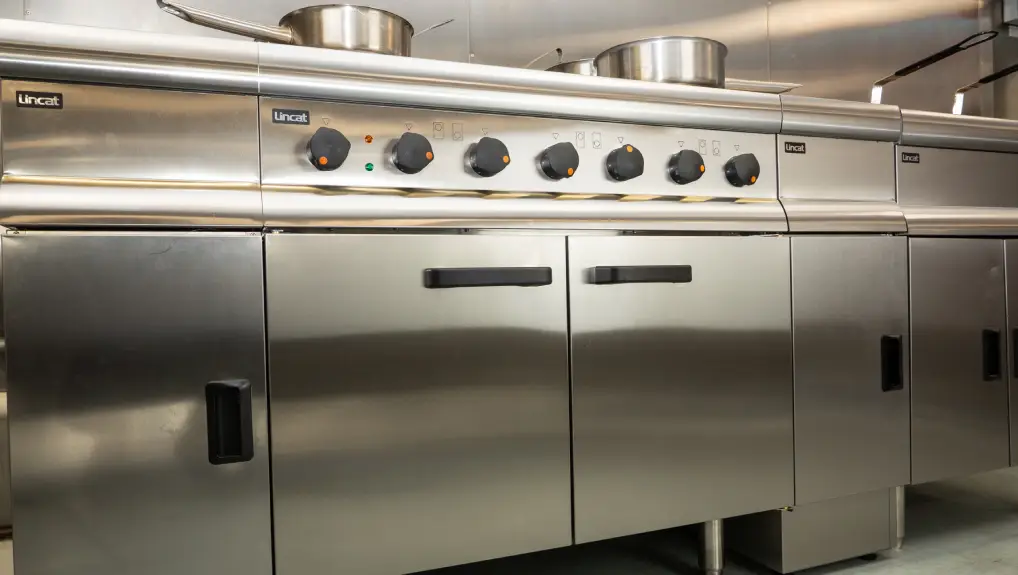
If you run a restaurant, hotel, or other food service business, you need commercial catering equipment to handle your high-volume cooking needs. This essential gear includes everything from ovens and refrigerators to utensils and dishwashers, all designed to meet the rigorous demands of professional kitchens.
With their durability and capacity, these tools aren’t just helpful—they’re vital for maintaining efficiency, safety, and compliance with hygiene regulations.
Who Needs Commercial Catering Equipment?
While considering the essentials for a successful food service operation, it’s crucial to understand who needs commercial food service equipment. Many establishments, from restaurants to schools, rely on professional equipment for efficient service.
Sustainable sourcing and equipment customisation are key considerations for your business, ensuring that the equipment aligns with eco-friendly practices and specific operational needs.
Here’s a quick overview of who requires this equipment:
| Establishment Type | Examples |
|---|---|
| Restaurants | Independent bistros, large chains |
| Caterers | Event, corporate, mobile catering |
| Hospitality | Hotels, resorts, bars, pubs, nightclubs |
| Public & Private Venues | Schools, hospitals, care facilities |
These businesses need reliable equipment to prepare, store, and serve food safely and efficiently, meeting the demands of large customer volumes.
Key Categories of Commercial Catering Equipment
Understanding the key categories of commercial food service equipment is essential for anyone in the industry. Each category is critical in ensuring a seamless kitchen workflow, from cooking to cleaning.
Equipment maintenance and kitchen safety are essential when selecting items from these categories.
- Cooking Equipment: Ovens, fryers, and grills help prepare diverse menus.
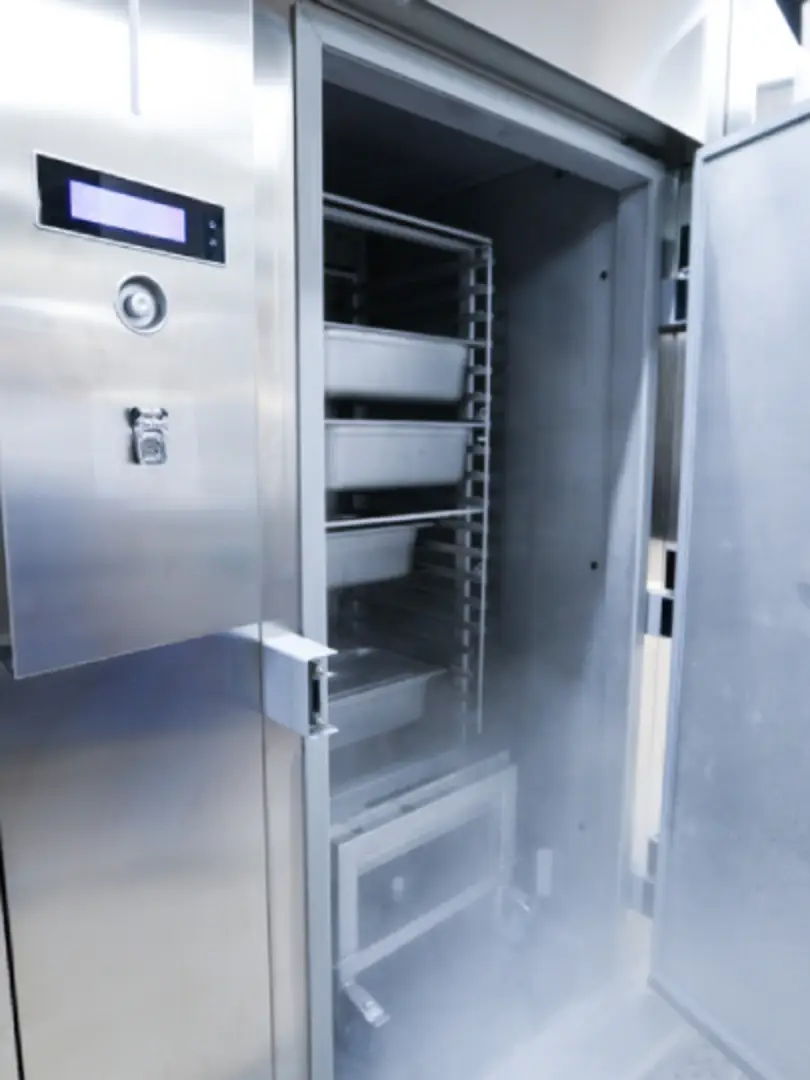
- Refrigeration: Keeps ingredients fresh with fridges, freezers, and blast chillers.
- Storage: Organised shelving and bins ensure efficient ingredient management.
- Food Preparation: Mixers and slicers streamline meal prep.
- Cleaning/Warewashing: Dishwashers and sinks maintain hygiene standards.
Each piece of equipment contributes to a safe and efficient kitchen environment. Proper maintenance extends the life of equipment, ensuring continued safety and functionality in your operations.
Why Commercial Catering Equipment Is Essential
To run an efficient kitchen, you need more than talented chefs—commercial food service equipment is the backbone of any successful food service operation. It supports various cooking styles, allowing you to customise your menu and meet diverse customer demands. Designed for speed and high output, this equipment enables you to serve large volumes quickly and consistently, thereby boosting efficiency and productivity.
Moreover, commercial equipment adheres to strict food safety and hygiene standards. It maintains excellent temperatures and safe food handling practices, so you don’t have to worry about compliance issues. Built for durability, these machines withstand heavy, continuous use, reducing downtime and maintenance costs.
Investing in quality equipment ensures your kitchen meets legal requirements and operates smoothly day in and day out.
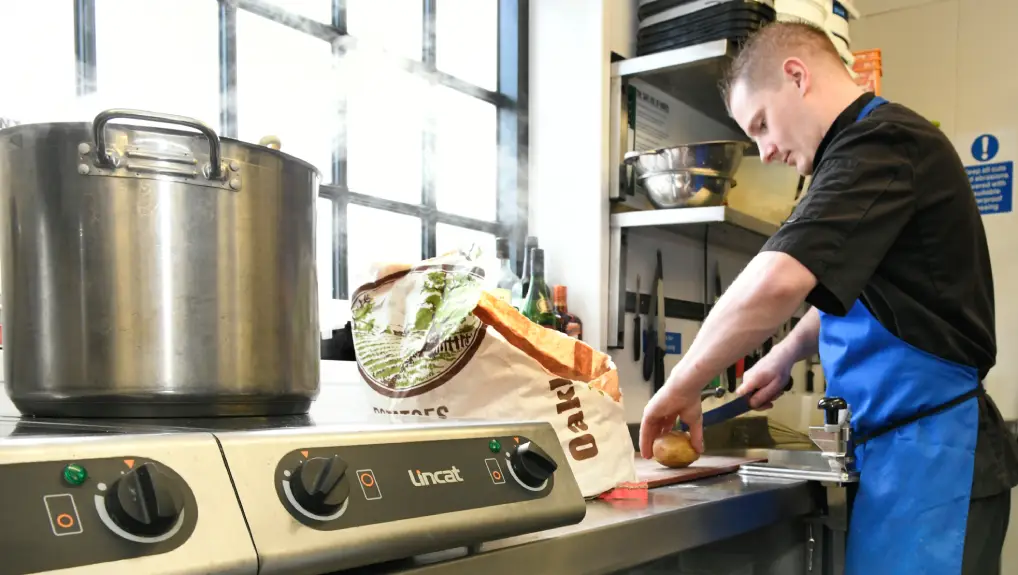
Choosing Catering Equipment
When setting up a professional kitchen, understanding the types of commercial catering equipment is essential to ensure smooth operations.
Key categories include ovens and range for cooking, grills and fryers for quick service, and refrigerators and freezers for proper food storage. Remember dishwashers and glasswashers for cleaning efficiency, along with food preparation tools that streamline the prep process.
Commercial Ovens & Ranges
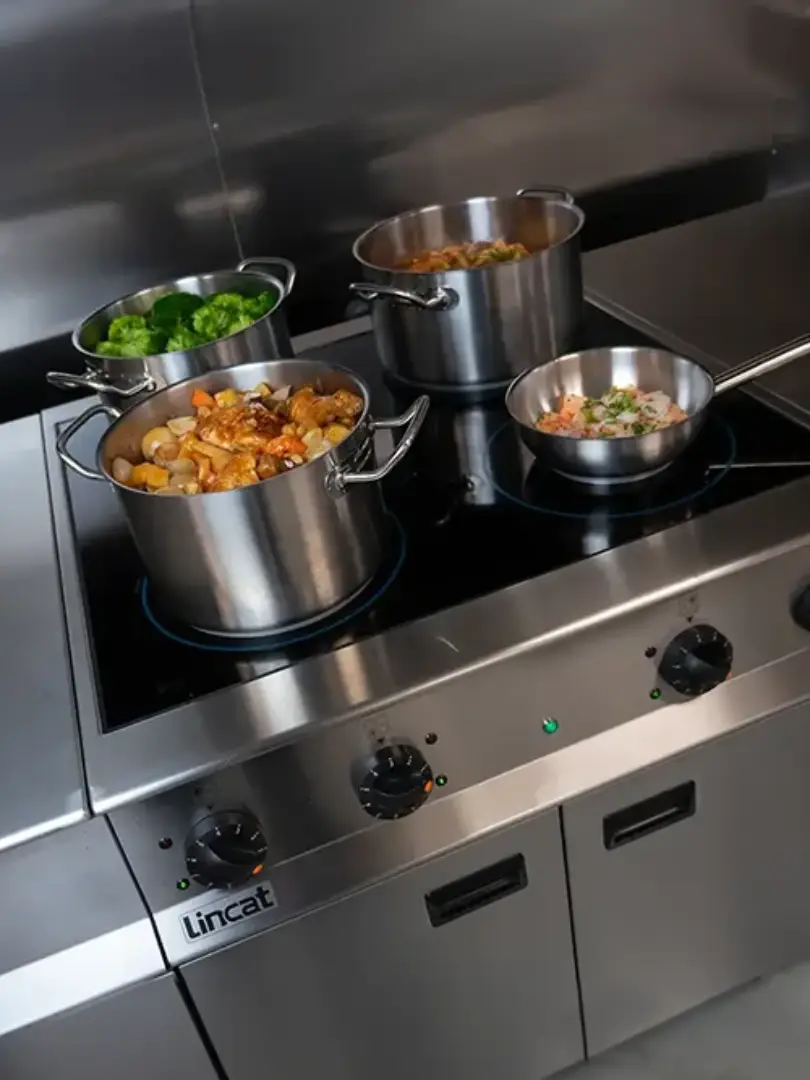
While considering essential equipment for a commercial kitchen, ovens and ranges are at the forefront of your needs. They form the backbone of your cooking techniques, offering versatility and efficiency. Electric ovens offer precise temperature control and energy savings, which are vital for kitchen safety. While gas ovens are quicker to heat, they can be more challenging to manage.
With their heavy-duty cooktops, ranges allow you to boil, fry, and sauté on a large scale.
When you’re outfitting your kitchen, consider:
- Bakery ovens for perfect pastries
- Combi-steam ovens to lock in moisture
- Convection ovens for even baking
- Gas ranges for rapid heating
- Electric ranges for consistent temperature
Choose wisely to guarantee safety and efficiency in your kitchen operations.
Cooking Equipment Grills & Fryers
If you’re outfitting a commercial kitchen, grills and fryers are indispensable tools that should be on your list. Grills are essential for high-volume cooking, offering consistent heat for meats and vegetables. They require regular grill maintenance to guarantee peak performance and longevity. Remember to clean the grates and check for any gas or electrical issues regularly.
Available in gas and electric models, Fryers are designed for efficient, high-capacity frying. Electric fryers provide precise temperature control, while gas fryers excel with rapid heating. Some models can produce up to 57kg of fried food per hour.
Monitor oil levels and temperatures to prioritise fryer safety and ensure regular cleaning to prevent grease buildup. Both tools streamline service, keeping your kitchen efficient and effective.
Refrigerators & Freezers
How essential are refrigerators and freezers in a commercial kitchen? They’re indispensable for maintaining food safety and quality. Options include upright single—and double-door fridges, prep counters, and specialised units for meat or fish.
Freezers offer similar flexibility, accommodating various kitchen layouts and storage needs. Refrigerators and freezers are indispensable, but let’s not forget their companions: ice machines and beverage dispensers. Together, they ensure your drinks are cold and readily available.
Consider these key features:
- Upright fridges for easy access and visibility.
- Prep counters with integrated cooling for efficiency.
- Specialised units tailored for meat and fish, enhancing freshness.
- Compact freezers to maximise space.
- Ice machines that consistently deliver, supporting your beverage service.
These elements are essential for a well-rounded kitchen setup.
Dishwashers & Glasswashers
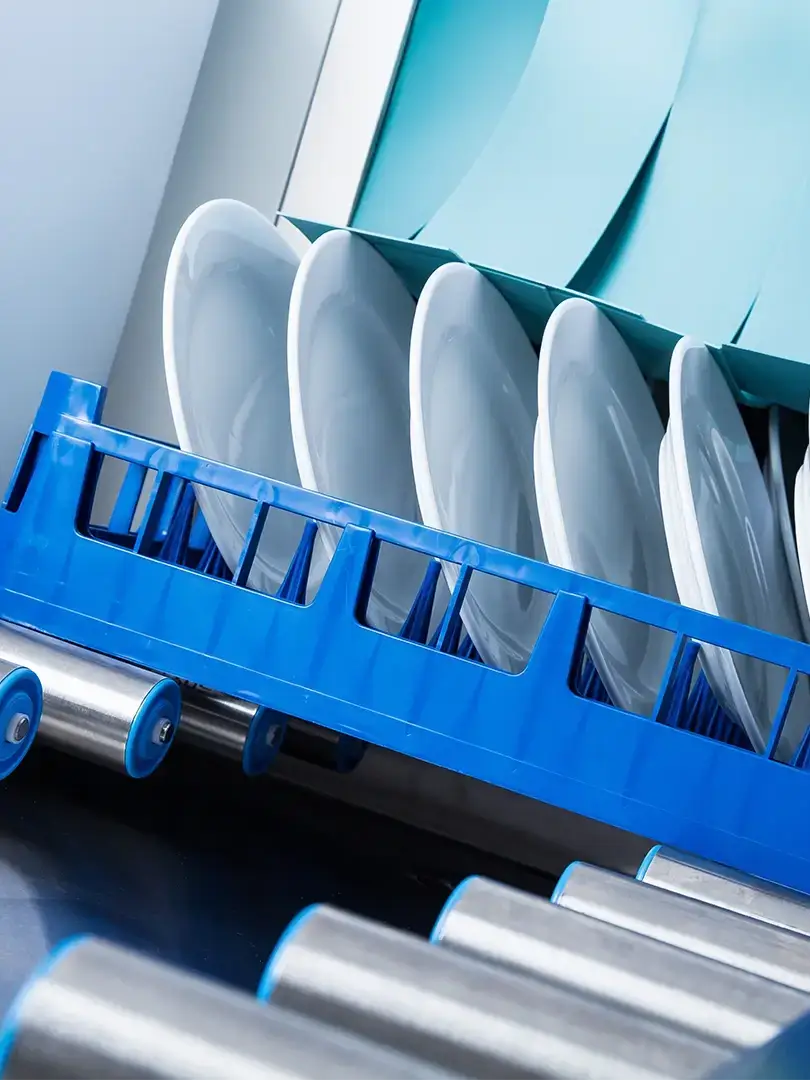
In any commercial kitchen, maintaining cleanliness is as essential as preserving food quality, where dishwashers and glasswashers come into play. Industrial dishwashers quickly and hygienically clean large volumes of crockery and cutlery, which is vital for efficient operations. For bars and event venues, glasswashers support high turnover with rapid wash cycles, ensuring a constant supply of clean glassware.
Modern machines offer eco-friendly options and customisation features to fit specific needs. Consider models that optimise water and energy usage, reducing operational costs while staying environmentally conscious. Look for adjustable racks and cycle settings to tailor the wash process to your kitchen’s demands.
| Equipment Type | Key Feature | Benefit |
|---|---|---|
| Dishwasher | Eco-friendly options | Reduced energy costs |
| Dishwasher | Customisation features | Tailored washing processes |
| Glasswasher | Rapid wash cycles | Increased efficiency |
| Glasswasher | Eco-friendly options | Lower environmental impact |
| Glasswasher | Customisation features | Enhanced operational control |
Food Preparation Tools
Having the right tools is essential for efficiency and consistency when preparing food in a commercial kitchen. Equipment that handles food prep quickly, precisely, and safely is needed. Essential tools include cutters, mixers, and slicers. These items allow you to prepare ingredients quickly for large-scale cooking.
Vegetable slicers and food processors make ingredient handling efficient. At the same time, mixers and meat mincers offer the power you need for diverse recipes. Prep counters are another pivotal element, providing dedicated workspaces with integrated refrigeration for easy access to ingredients.
Here’s what your kitchen might include:
- Vegetable slicers for uniform cuts
- Food processors for versatile blending
- Mixers for doughs and batters
- Meat mincers for fresh ground meats
- Bread slicers for perfect slices every time
Equip your kitchen wisely!
Beverage Equipment
Why is beverage equipment so vital in a commercial kitchen setting? It plays a pivotal role in ensuring efficiency and quality of service. Whether you run a café, restaurant, or event venue, having the right coffee brewing tools and beverage dispensers can make or break your operation.
Investing in machines ranging from basic filters to advanced espresso makers is essential for coffee aficionados. Blenders shouldn’t be overlooked either; they’re indispensable for crafting smoothies, cocktails, and soups.
Here’s a quick overview:
| Equipment Type | Key Uses | Importance |
|---|---|---|
| Coffee Machines | Coffee brewing | Vital for cafés |
| Blenders | Smoothies, cocktails, soups | Versatile in food and beverage |
| Beverage Dispensers | Serving drinks efficiently | Speeds up service |
Choosing the right equipment significantly enhances your service quality.
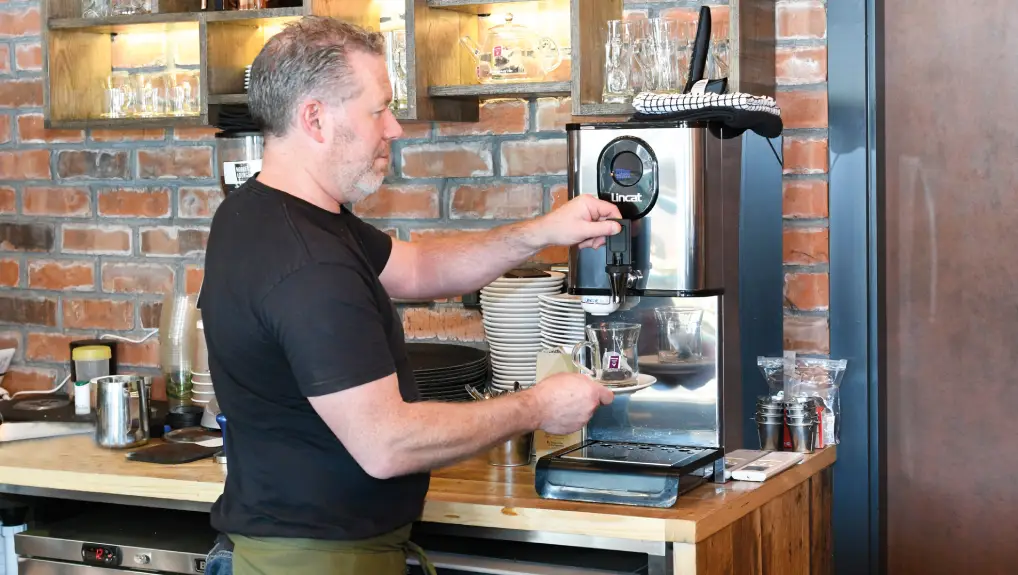
Key Considerations Before Buying Commercial Foodservice Equipment
When you’re ready to purchase commercial catering equipment, consider your kitchen’s size and layout to guarantee everything fits and functions smoothly. Check the power requirements and fuel efficiency ratings of potential appliances. This will help you decide between gas and electric options while keeping operating costs low.
Prioritise brands are known for their reputation and durability. Remember to factor in long-term costs and potential return on investment to ensure your equipment supports a profitable kitchen.
Kitchen Size and Layout
Considering the size and layout of your kitchen is essential before purchasing commercial food service equipment. The design impacts how well your team can work together. Integrate kitchen lighting that improves visibility and a ventilation system to meet health regulations.
Allocate 30–40% of your venue’s space to the kitchen, adapting to your restaurant’s needs.
- Assembly Line Layout: Ideal for high-volume fast food, boosting speed.
- Island Layout: Centralised cooking equipment promotes teamwork.
- Zone-Style Layout: Separates stations by type, improving workflow.
- Galley Layout: Efficient for small spaces, maximising use of available area.
- Open Kitchen: Engages customers and is suitable for show kitchens.
Position equipment wisely to minimise staff movement. Use the “kitchen work triangle” for maximum efficiency.
Power Requirements and Energy Efficiency Ratings
How can you guarantee your commercial kitchen runs smoothly and cost-effectively? Start by evaluating the power ratings of your equipment. Ensure your premises have the necessary electrical supply, single or three-phase. It’s vital to know your infrastructure can support your chosen appliances.
Next, focus on energy savings. Look for high energy labels, ranging from A+++ to G. Energy-efficient equipment, like advanced refrigerators and cookers, can reduce energy usage by up to 40%, offering significant long-term savings. Features such as intelligent power management and live energy tracking help minimise costs further.
Water-efficient dishwashers with improved energy labels can reduce water consumption by up to 50%, providing both economic and environmental benefits for your business’s operations.
Gas vs Electric Appliances
To ensure your commercial kitchen operates smoothly, it’s not just about power ratings and energy savings; the choice between gas and electric appliances also plays a pivotal role. When choosing between them, consider indoor air quality. Gas can affect it, requiring adequate ventilation. Electric appliances, especially induction, offer lower emissions, improving air quality.
Energy consumption varies, with gas losing heat, while electric models are generally more efficient. Installation impacts your decision; gas systems require lines and ventilation, whereas electric systems require proper wiring. Maintenance is another factor, with gas needing more frequent checks. Placement flexibility can also guide your choice.
- Immediate temperature control with gas
- Precise, even baking with an electric
- Consider ventilation needs for gas
- Lower emissions with electric appliances
- Flexible kitchen layout with electric options
Brand Reputation and Durability
When investing in commercial catering equipment, brand reputation and durability should be top priorities in your decision-making process. Opt for brands known for their high-quality, durable equipment. These brands guarantee consistent performance and compliance with food safety standards.
Reputation reliability is vital; trusted suppliers typically offer strong warranties and robust after-sales service. This means you’ll have easy access to spare parts, minimising downtime and repair costs. Equipment made from premium materials tends to last longer and often provides more energy savings. This not only boosts brand durability but also delivers better long-term value.
Long-Term Costs and ROI
Although the initial purchase price of commercial foodservice equipment may catch your eye, it’s crucial to factor in the total cost of ownership for a comprehensive understanding of your investment. Conducting a thorough cost analysis will help uncover hidden expenses such as installation, maintenance, and utility consumption.
Additionally, efficient equipment boosts operational efficiency, reducing labour costs and increasing ROI. Durable machines minimise downtime, enhancing customer satisfaction and improving your bottom line. Consider eco-friendly options that offer sustainability benefits and long-term savings.
- Installation Costs: Installation fees can add up beyond the sticker price.
- Maintenance Needs: Regular upkeep ensures longevity, but it also incurs ongoing costs.
- Utility Consumption: Energy and water-efficient models can cut monthly expenses.
- Efficiency: Automation helps streamline operations, boosting ROI.
- Durability: High-performance equipment reduces costly breakdowns.
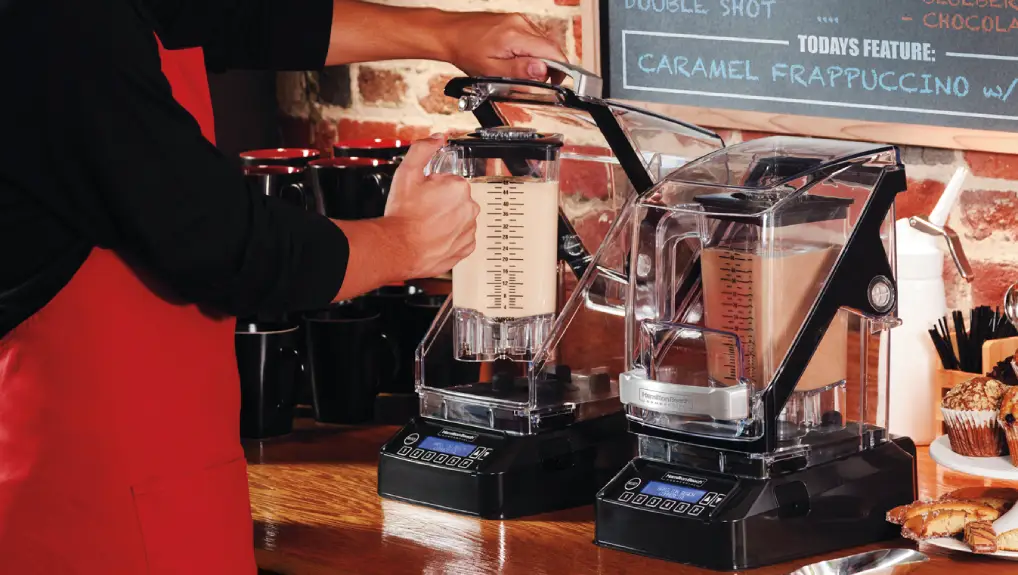
New vs. Second-Hand Commercial Catering Equipment
When choosing between new and second-hand commercial catering equipment, it is vital to weigh the pros and cons of each option. New state-of-the-art equipment offers reliability and warranty protection but comes with a higher price tag. Second-hand options offer savings but require careful inspection for hidden issues.
Always check the warranty and understand the risks to make the best decision for your business needs.
Pros and Cons of Each Option
Deciding between new and second-hand commercial catering equipment can substantially impact your budget and kitchen efficiency. State-of-the-art equipment usually offers superior durability and requires less frequent maintenance, thanks to its pristine condition and all-inclusive warranty. However, it comes with a higher upfront cost.
In contrast, second-hand options are budget-friendly but may not last as long and may require more frequent repairs, which can affect your long-term maintenance expenses.
- Upfront Cost: New is pricier; second-hand saves money initially.
- Warranty: All-inclusive for new; usually none for second-hand.
- Energy Efficiency: New models are often more efficient.
- Appearance: New equipment appears modern; second-hand equipment may show signs of wear.
- Immediate Availability: Second-hand can be used right away.
Carefully weigh these pros and cons to make the best choice for your business.
What to Inspect in Second-Hand Catering Equipment
Ensuring the quality and safety of second-hand catering equipment is essential for your business’s smooth operation. Inspect structural integrity for rust, chips, cracks, dents, or missing parts. Pay special attention to rust prevention and guarantee that all moving parts, like handles and hinges, function smoothly.
Test equipment functionality thoroughly, and if possible, see it in operation. Remember electrical and gas safety; check wiring, plugs, and gas fittings. Compatibility with your kitchen’s utilities is critical.
Ask for service history and verify compliance with food safety standards. Energy efficiency is another aspect you shouldn’t overlook.
| Aspect | Checkpoints |
|---|---|
| Structural Integrity | Rust, chips, cracks, dents, moving parts |
| Functionality | Operational features |
| Safety | Electrical wiring, gas fittings |
| Compliance | Food safety and hygiene standards |
A reputable brand and spare parts availability guarantee reliability.
Warranty and Risk Comparison
You’ve evaluated second-hand catering appliances by looking at key factors like structural integrity and safety. Now, focus on warranty comparison and risk assessment. New state-of-the-art equipment often includes a manufacturer’s warranty, covering parts and labour, which lowers financial risks during initial use.
These warranties typically last a year or more, depending on the product. In contrast, second-hand appliances usually lack such coverage, leaving you to handle malfunctions alone.
Here’s what to contemplate:
- Peace of Mind: New equipment offers predictability.
- Hidden Costs: Second-hand items may require unexpected repairs.
- Compliance: New models meet current standards.
- Initial Savings: Second-hand can appear cheaper but mightn’t be in the long run.
- Guarantees: Some dealers offer limited guarantees on reconditioned items, but they are rare.
Where to Buy: Online, Local Suppliers, UK-wide
Considering where to buy your commercial catering appliance is essential, and you have several strong options. Online platforms offer a wide selection and convenience. Local suppliers provide personalised service and quick support.
Trusted UK wholesalers like Ascot Wholesale offer national reach and competitive pricing, making them a reliable choice for many catering businesses.
Benefits of Buying Commercial Catering Appliances Online (UK)
While browsing for commercial catering appliances, buying online in the UK offers unmatched convenience and variety. You can explore vast selections from top brands, all while embracing sustainable practices and keeping an eye on emerging trends.
Online shopping platforms like Nisbets and CS Catering Equipment provide:
- Extensive product ranges: Access over 20,000 items from the comfort of your home or office.
- Competitive pricing: Enjoy promotions, price-match guarantees, and bulk discounts.
- Quick delivery options: Benefit from next-day delivery and services like click-and-collect.
- Flexible finance solutions: Utilise leasing options to optimise cash flow management.
- In-depth product insights: Read customer reviews and compare detailed specs.
Why Choose Local Catering Equipment Suppliers
Local suppliers present a compelling option when deciding where to buy your commercial catering appliances. They offer faster, personalised service so that delays won’t compromise your kitchen aesthetics. A quick installation keeps your staff training on schedule.
Proximity also translates to lower shipping costs, making your investment more economical. Local suppliers excel in enhancing support. They can swiftly address emergencies and conduct on-site repairs, ensuring your kitchen remains operational. Their knowledge of regional health and safety standards guarantees compliance, reducing the risk of costly mistakes.
Building a relationship with local suppliers fosters trust and provides ongoing support. They can offer custom solutions tailored to your market, seamlessly integrating equipment with your existing kitchen aesthetics and staff training needs.
Choosing Trusted UK Wholesalers Like Ascot Wholesale
Selecting the right wholesaler for your commercial catering appliances can significantly impact your business. Trusted UK wholesalers like Ascot Wholesale, known for their sustainable practices and innovative technology, are an excellent choice.
With decades of experience, they bring reliability and a detailed product range to your doorstep.
- Industry Reputation: Established and trusted by restaurants, bars, and event venues.
- Product Range: Everything from heavy-duty kitchen appliances to glassware.
- Trade Accounts: Special pricing, payment options, and exclusive deals.
- Showroom Access: Inspect quality through showrooms and product samples.
- Leasing Options: Equip your kitchen without high upfront costs.
Expert customer support ensures you have guidance and after-sales service, enhancing your purchasing experience. Choose Ascot Wholesale for a seamless, cost-effective solution.
Foodservice Supplier Summary
Where should you buy commercial catering equipment for the best value and service? Choosing the right supplier can significantly impact your budget, food presentation, and kitchen design. Online suppliers like Nisbets and Ascot Wholesale offer a wide range of products, competitive prices, and quick delivery, making them ideal for convenience seekers.
They also provide detailed product information and user reviews, helping you make informed decisions. Local suppliers, such as Cater2 and H2 Products, offer personalised service and quick support, essential for maintaining local compliance and efficiently handling emergencies.
For a broader selection and expert advice, consider UK wholesalers like Ascot Wholesale. They provide access to trusted brands and leasing options.

Installation, Maintenance & Warranty Advice for Commercial Catering Appliances
When setting up your commercial kitchen, prioritising professional installation and securing reliable service contracts guarantees safety and compliance. Establishing a routine maintenance schedule, including daily, monthly, and annual checks, keeps your equipment in top condition and helps prevent unexpected breakdowns.
To protect your investment and maintain smooth operations, look for an appliance with thorough warranties and responsive after-sales service.
Importance of Professional Installation and Service Contracts
How critical is it to guarantee your commercial catering equipment is installed by professionals and backed by a solid service contract? It’s essential. Hiring qualified experts ensures your appliance meets the manufacturer’s specifications and health regulations.
This optimises your kitchen’s layout and incorporates innovative technology and sustainable practices, reducing risks such as gas leaks or electrical faults. Service contracts provide peace of mind, offering scheduled maintenance and rapid response to issues.
Consider these benefits:
- Safety compliance: Adhering to legal standards.
- Operational efficiency: Minimising downtime.
- Expert training: Ensuring correct operation from day one.
- Customised coverage: Tailored to your needs.
- Cost savings: Preventing unexpected expenses.
Professionals and service contracts keep your operations running smoothly and safely.
Maintenance Schedules to Keep Appliances Running Smoothly
Ensuring your commercial catering equipment is installed correctly is just the beginning. Establishing maintenance routines is essential for appliance longevity and efficiency. Start with daily tasks: clean and sanitise surfaces to prevent grease build-up, check seals and filters, and monitor any alerts.
Inspect and lubricate moving parts, calibrate temperature controls, and check electrical and gas connections weekly or monthly. Deep-clean refrigeration units and replace water filters as needed.
Annually, professional inspections are scheduled, and worn parts are replaced. Planned Preventive Maintenance (PPM) is critical; it follows manufacturer guidelines to extend equipment life, reduce costly breakdowns, and maintain efficiency.
What to Look for in a Warranty and After-Sale Service
A thorough warranty and reliable after-sales service are essential for the seamless operation of your commercial catering appliance. When considering warranty essentials, look for full coverage on both parts and labour, especially for major appliances.
More extended warranties give you peace of mind, so check the duration. Clarity on included and excluded items, such as wear and tear, is fundamental.
After-sales support should be robust, including:
- Strong customer service with quick response times to reduce downtime.
- Access to authorised technicians nearby for prompt repairs.
- Original spare parts and remote troubleshooting are available.
- Transferable warranties to maintain appliance resale value.
- Comprehensive safety checks for legal compliance, like annual gas safety.
These factors ensure your appliance remains operational and compliant.

Financing Options for Catering Equipment
When you’re considering financing your catering equipment, it’s vital to weigh the benefits and drawbacks of leasing versus buying. Leasing offers flexibility and potential tax benefits while buying outright provides ownership and access to capital allowances. However, buying requires a larger upfront investment.
Many suppliers offer flexible finance plans, like hire purchase, that allow you to tailor payments to suit your business needs. Understanding the financial and tax implications can help you make the best decision for your catering operation.
Lease vs Buy: Key Differences
Why does choosing between leasing and buying a catering appliance matter so much? It considerably impacts your business’s flexibility, cash flow, and sustainable practices. Leasing offers low upfront costs, preserving your working capital, and often includes maintenance, which supports long-term sustainability.
Buying outright gives you immediate ownership, allowing full equipment customisation to suit your needs.
Consider these factors:
- Upfront Cost: Leasing spreads costs over time, while buying requires full payment upfront.
- Ownership: Lease agreements mean the lessor owns the appliance; buying gives you immediate ownership.
- Flexibility: Leasing offers options to upgrade or return appliances easily.
- Cash Flow: Leasing helps preserve cash reserves with predictable monthly payments.
- Tax Benefits: Lease payments are fully deductible while buying offers depreciation claims.
Leasing/Hire Purchase
Financing options like leasing or hire purchase can substantially transform how you manage your catering business’s budget and operations. Leasing lets you acquire top-quality equipment with eco-friendly materials and innovative designs without a hefty upfront payment.
A finance company buys the appliance and leases it to you for a set period, typically 3–5 years. This helps preserve cash flow and working capital. Plus, lease payments are fully tax-deductible, reducing your taxable profit, and you can reclaim VAT on these payments.
Flexible payment terms are often available, tailored to your business’s seasonality or growth plans. Maintenance and servicing might be included, making it ideal for start-ups or businesses needing regular appliance upgrades.
Buying Outright
Purchasing catering equipment outright grants you complete ownership and control from day one, a significant advantage if you value autonomy in your business operations. This approach means you pay the full cost upfront, immediately benefiting from capital allowances, which let you deduct a portion of the equipment’s value from your yearly taxable profits.
However, you are solely responsible for maintenance, repairs, and replacements. It’s vital to consider the potential for the appliance to become outdated before it’s fully depreciated.
Imagine the possibilities:
- High-quality ovens crafted from sustainable materials
- Ergonomic design in all kitchen tools
- State-of-the-art refrigeration units
- Sturdy, eco-friendly prep stations
- Energy-efficient dishwashers
This path ensures complete freedom, but be mindful of the financial implications.
Flexible Finance Plans from Suppliers
Though purchasing catering equipment outright offers complete control, flexible finance plans from suppliers present an appealing alternative for many businesses. These options, including operating leases and hire purchases, allow you to align payments with cash flow and, often, offer quick approval processes with minimal deposits.
Seasonal or deferred payment plans can match repayments with your business cycles, providing financial flexibility. Additionally, some suppliers offer bundled finance options, enabling you to finance multiple needs, such as appliances, furniture, and fit-out, under one agreement.
This approach supports sustainable sourcing and ergonomic design choices by spreading costs and enhancing cash flow.
Tax Benefits and Capital Allowances
Understanding the tax benefits and capital allowances can save money and optimise your financial strategy when financing a catering appliance. Leasing offers tax-deductible payments, making lease and rental payments 100% tax-deductible as operating expenses. Plus, you can reclaim VAT on these payments. However, leased assets don’t qualify for capital allowances. Purchasing equipment allows you to claim capital allowances.
The Annual Investment Allowance lets you deduct up to £1 million on qualifying appliances. Depreciation provides ongoing tax relief as the asset’s value decreases over time.
Consider these options when weighing your financing strategies:
- Tax-deductible lease payments
- Reclaiming VAT on lease payments
- Claiming capital allowances when buying
- Utilising depreciation for tax relief
- Incorporating recycling programs and sustainability initiatives
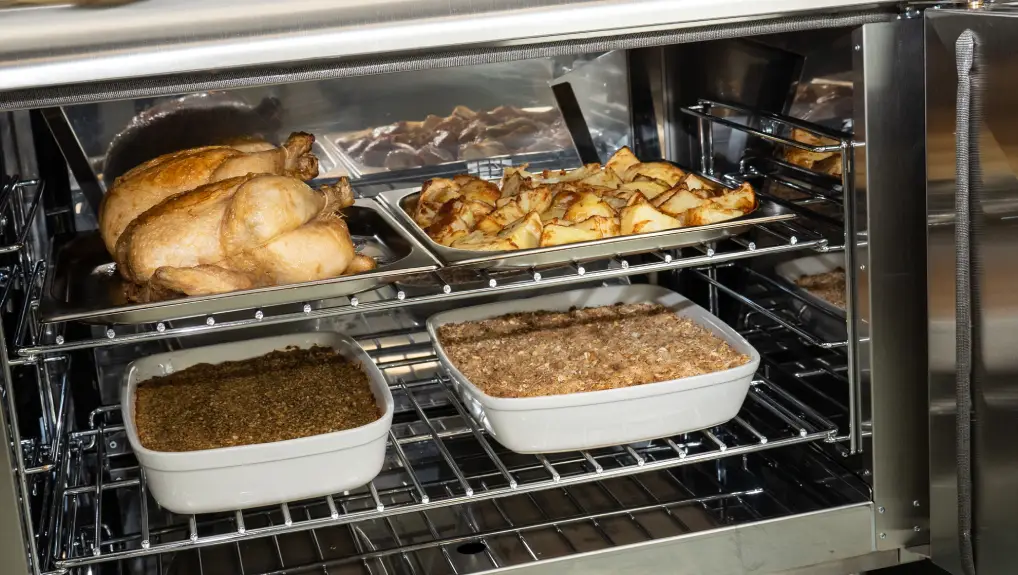
Why Buy from Ascot Wholesale?
When you’re looking to equip your business with premium catering equipment, Ascot Wholesale offers an unbeatable combination of expertise and service. They offer a diverse range of products backed by decades of experience in the hospitality industry, ensuring you receive the best solutions tailored to your needs.
Plus, with fast delivery, knowledgeable support, and exclusive trade benefits, they’ll be a reliable partner in enhancing your business operations.
Expertise in Hospitality and Commercial Kitchen Equipment
With over 25 years in the industry, Ascot Wholesale has established itself as a leader in the hospitality sector by offering unparalleled expertise in commercial kitchen appliances. Their deep understanding of professional kitchen and bar requirements guarantees the best products.
They focus on innovative design and sustainability, partnering with trusted brands to offer top-quality options. Ascot Wholesale’s extensive range covers all your needs, from heavy-duty cooking equipment to specialist bar tools. You can rely on their commitment to quality and efficiency.
- Heavy-duty cooking equipment for your bustling kitchen.
- Refrigeration units that keep your ingredients fresh and cold.
- Glassware and crockery to improve your dining experience.
- Disposables that ease your cleanup process.
- Specialist bar tools for crafting perfect cocktails.
Ascot Wholesale truly is your one-stop shop.
Friendly, Knowledgeable Customer Service
Choosing where to purchase your commercial catering appliance is crucial, and Ascot Wholesale’s outstanding customer service makes that decision easier. Their dedicated support team is friendly, responsive, and knowledgeable. They provide guidance on product selection, order processing, and after-sales support.
Personalised advice ensures you get tailored solutions, whether setting up a new kitchen or upgrading equipment.
Customer feedback highlights the benefits of this approach:
| Feature | Benefit | Customer Feedback |
|---|---|---|
| Dedicated Support | Guidance and support | “Helpful and responsive!” |
| Showrooms & Samples | Quality assurance | “Transparency at its best.” |
| Staff Training | Knowledgeable assistance | “They know their products inside out!” |
Visiting showrooms or requesting samples lets you assess quality first-hand, demonstrating Ascot Wholesale’s commitment to satisfaction and transparency.
Fast UK Delivery and Professional Support
Ascot Wholesale guarantees that you receive your commercial catering equipment quickly and efficiently, thanks to its rapid and reliable delivery service. With the option for next-day delivery, it minimises downtime, allowing you to keep your business running smoothly.
Their commitment to sustainable sourcing means you can rely on eco-friendly products that support the environment while meeting your operational needs. Another key feature is professional support. We offer expert installation and ongoing maintenance services to ensure your appliance functions safely and effectively.
Ascot Wholesale values customer feedback, constantly improving its offerings to meet your expectations.
- Fast, often next-day delivery across the UK
- Expert installation services
- Ongoing maintenance support
- Commitment to sustainable sourcing
- Responsive to customer feedback
Choose Ascot Wholesale for a seamless experience.
Trade Account Benefits and Wholesale Pricing
After ensuring your operations run smoothly with fast delivery and expert support, exploring the financial advantages of a trade account with Ascot Wholesale becomes a smart next step. You’ll benefit from exclusive trade pricing, ensuring your business remains competitive and cost-effective.
Their price match promise means you won’t pay more than necessary for quality equipment, allowing you to confidently invest in energy-efficient and sustainable items. Ascot Wholesale offers flexible leasing and finance options, ideal for budget-conscious businesses looking to upgrade without hefty upfront costs.
They also offer bulk and wholesale discounts, making them perfect partners for small cafés and large chains.
Last Orders
In conclusion, choosing the right commercial catering equipment is vital for your UK hospitality business. Consider types, key factors, and whether new or second-hand suits your needs. Explore various purchasing options, from online to local suppliers, and guarantee proper installation and maintenance.
Financing can ease your investment, while warranties offer peace of mind. Ascot Wholesale provides reliable options, making your equipment choice easier.
Equip yourself with knowledge, and make informed decisions that benefit your business’s success.
Related Articles
- Top 10 Commercial Catering Equipment Brands Trusted by UK Chefs
- Choosing Equipment for Restaurant and Hotel Kitchens
- Commercial Catering Equipment Maintenance: Why It Matters & How to Do It Right
- Second-Hand Vs New Commercial Catering Equipment: What’s the Best Choice?
- Complete Checklist Before You Buy Commercial Catering Equipment Online