


Consider disposables for quick turnaround at high-volume events, but be aware that they contribute to landfill waste and ongoing costs. Reusables like stainless steel offer durability, brand image and cost savings over time, as per UK regulations.
Consider a hybrid approach for flexibility, combining the practicality of disposables with the sustainability of reusables- take a look at our guide to choosing disposable or reusable catering supplies. Each has its benefits, like eco-friendly disposables reducing waste, while reusables offer a premium dining experience.
Summary
- Reusables offer long-term cost savings and sustainability benefits, with durability and reduced waste contributing to environmental responsibility.
- Disposables are cost-effective for high-volume events, ease of use, quick setup, cleanup and reduced labour costs.
- Eco-friendly disposables support waste reduction and regulatory compliance, align with UK sustainability goals and consumer preferences.
- Reusables enhance brand image and customer experience, appeal to eco-conscious consumers and support corporate social responsibility.
- Hybrid models balance cost and sustainability, optimise operational efficiency by combining disposables and reusables based on business needs.
Understanding Disposable Catering Supplies
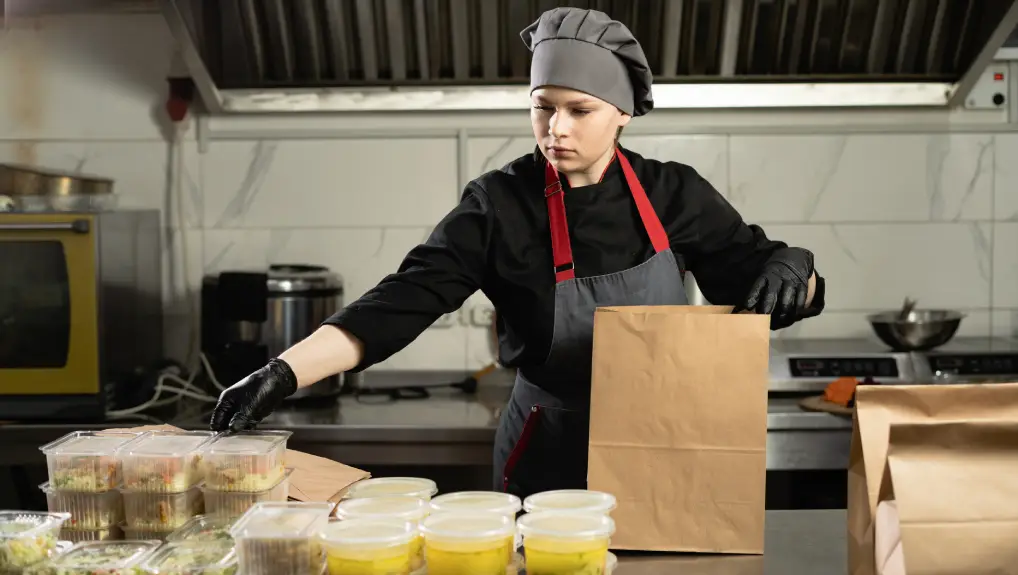
When planning an event, understanding disposable catering supplies is crucial to making informed decisions. These single-use items like plates, cutlery and cups offer convenience and hygiene, especially for high-turnover events and outdoor catering. They come in materials from plastic to paper and biodegradable options.
While the initial cost of disposable catering supplies is lower than that of reusables, frequent use can lead to ongoing expenses. Going for items made from biodegradable materials can help reduce environmental impact and improve waste management. But even eco-friendly options contribute to waste if not composted properly.
Balancing cost with sustainability and considering the environmental impact of your choices is key when selecting disposable catering supplies for your event.
Exploring Reusable Catering Supplies
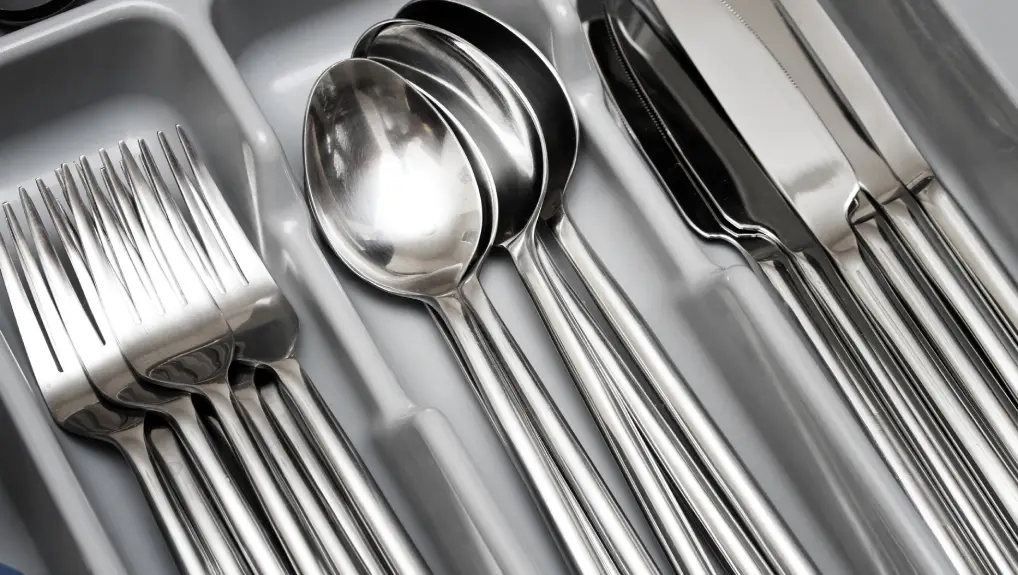
When considering reusable catering supplies, you’re looking at a sustainable option that helps the environment and saves money in the long run. By going for durable items like stainless steel cutlery and ceramic plates, you boost your brand image, showing clients you care about reducing waste. Proper maintenance is key, so invest in high-quality items and follow efficient cleaning protocols to ensure they last and look great.
Sustainability and Cost Savings
Going for reusables not only supports sustainability but also saves you money in the long run. By investing in durable items like stainless steel or ceramic, you reduce long-term costs compared to single-use disposables.
These reusables:
- Minimise waste volume and reduce waste.
- Lower environmental impact by reducing landfill.
- Breaks after 5 to 60 uses.
- Require proper maintenance to maximise environmental benefits.
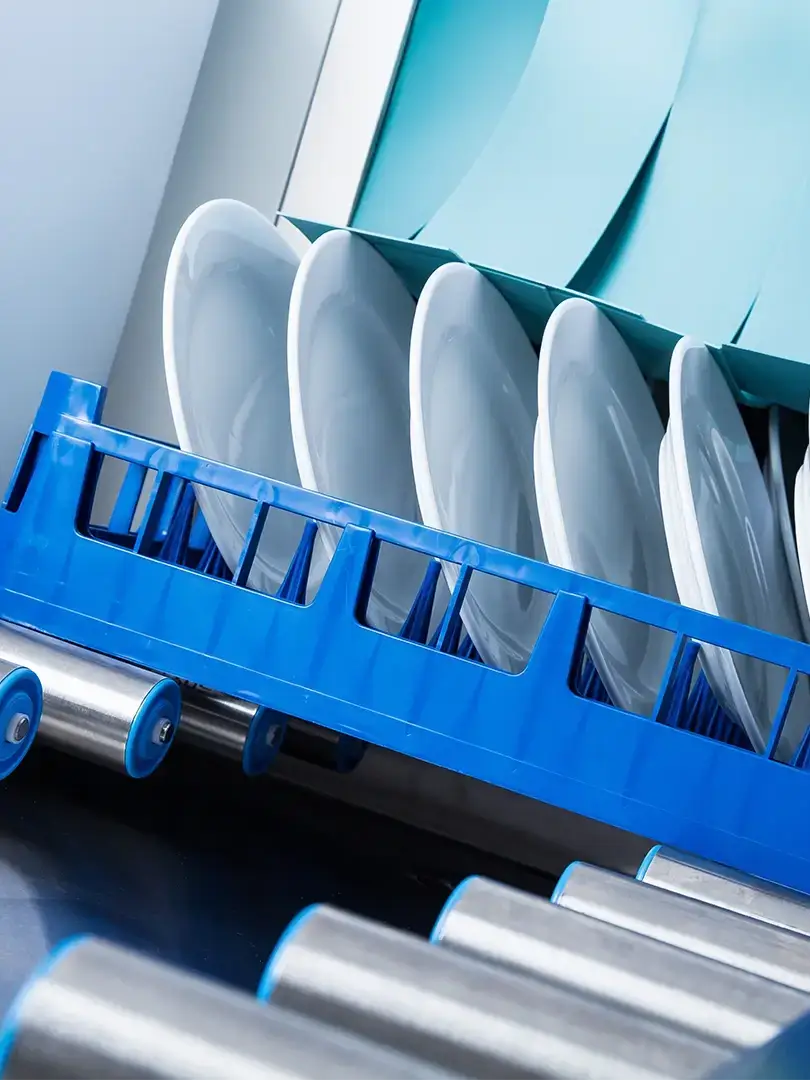
Although reusables require an initial investment, their durability reduces ongoing costs. Efficient dishwashing practices can further improve these savings by reducing water and energy usage. Going for reusables aligns with industry regulations and consumer eco-friendly preferences, supports your business’s sustainability goals.
Enhancing Brand Image
Incorporating reusables into your business can significantly boost your brand image. By choosing eco-friendly options like stainless steel or ceramicware, you show you care about sustainability and environmental responsibility. This appeals to eco-conscious consumers and customers, setting you apart from competitors.
Using high-quality reusables also conveys professionalism and quality, enhancing your brand recognition. You can customise these items with logos or colours, so your brand stands out during events and daily operations. Customers also associate reusables with higher standards of hygiene and care, which fosters loyalty.
Going for reusables supports corporate social responsibility, shows you’re committed to reducing waste and supporting a circular economy.
Durability and Maintenance
When considering reusables, you need to evaluate their durability and maintenance requirements—reusables like stainless steel, glass and ceramic offer a long life if properly cared for. Stainless steel is very durable, resistant to impact and corrosion, a reliable option. Glass and ceramic need to be handled with care to avoid breakage.
- Cleaning: Wash regularly with commercial dishwashers to maintain hygiene.
- Handling: Handle Glass and ceramic items carefully to avoid chipping.
- Material: Choose a material like stainless steel for better durability.
- Lifespan: Adherence to cleaning protocols directly affects lifespan.
Proper maintenance ensures these supplies remain cost-effective and environmentally beneficial, adding value over time.
Operational Efficiency Considerations
When you’re weighing the operational efficiency of catering supplies, you need to consider both disposables and reusables. Disposables offer quick setup and cleanup, reduce labour costs and allow for high throughput. They simplify your kitchen setup by reducing dishwashing infrastructure, perfect for high-volume events.
Reusables take more time for washing and maintenance, potentially increasing operational demands and labour costs. While they may slow down service during peak times, reusables can streamline operations by reducing supply orders and waste management tasks.
Choosing between disposables and reusables depends on your business’s specific needs and priorities for efficiency, considering factors like staff availability and event scale.

Cost Management Factors
To manage costs in catering, you need to consider both disposable and reusable supplies. Disposables have a lower initial investment, but frequent purchases can lead to higher overall costs. Reusable items require a higher upfront cost but reduce ongoing expenses by minimising replacements.
Don’t forget these:
- Maintenance: Reusables require regular upkeep, which adds to costs.
- Utility costs: Washing reusables incurs additional water, energy and labour costs.
- Ongoing expenses: Disposables need continuous purchasing, which impacts your budget.
- Total cost of ownership: Factor in cleaning, maintenance and potential damages for reusables.
Balancing purchase costs with utility and maintenance expenses is key. By understanding these factors, you can determine the most cost-effective option for your business.
Environmental Impact of Catering Supplies
In addition to cost considerations, the environmental impact of your catering supplies matters. Disposable items, especially plastic, take hundreds of years to decompose, adding to environmental pollution. Reusable options like stainless steel and glassware reduce waste and improve sustainability by minimising landfill.
| Type of Supply | Environmental Impact |
|---|---|
| Disposable | Long decomposition time, high pollution |
| Reusable | Lower waste, sustainable with repeated use |
| Biodegradable | Quick breakdown, eco-friendly in composting |
| Plastic | High fossil fuel use, larger carbon footprint |
| Reusable Cleaning | Requires water and energy, lower overall impact |
Biodegradable disposables made from bagasse or bamboo are eco-friendly alternatives. Although cleaning reusables uses resources, the overall effect is lower due to long-term use. Choose wisely for sustainability.
Practical Scenarios for Choosing Supplies
When deciding between disposable and reusable catering supplies, you should first consider the type of service you offer. For takeaway or delivery, disposable options like leak-proof containers are efficient and hygienic. For dine-in, reusable items improve the dining experience and reduce waste. Balancing these choices involves considering your operational needs and customer expectations, making sure you’re aligned with environmental standards and practical goals.
Takeaway Efficiency Considerations
Choosing the right catering supplies for takeaway efficiency involves weighing the pros and cons of disposables and reusables. Disposable supplies offer quick service and are perfect for high-volume operations, with convenience and low operational costs. But reusables have their place, especially if you want to position your brand as eco-friendly.
Here’s what to consider:
- Disposable supplies: These improve takeaway efficiency with minimal environmental impact when using eco-friendly options.
- Reusable containers: Complicate operations, but support a sustainable image.
- Customer experience: Leak-proof, environmentally friendly food packaging can boost satisfaction.
- Hybrid models: Combining disposables for delivery and reusables for dine-in can balance efficiency and sustainability.
Ultimately, your choice should reflect your business priorities and customer expectations.
Dine-In Operational Needs
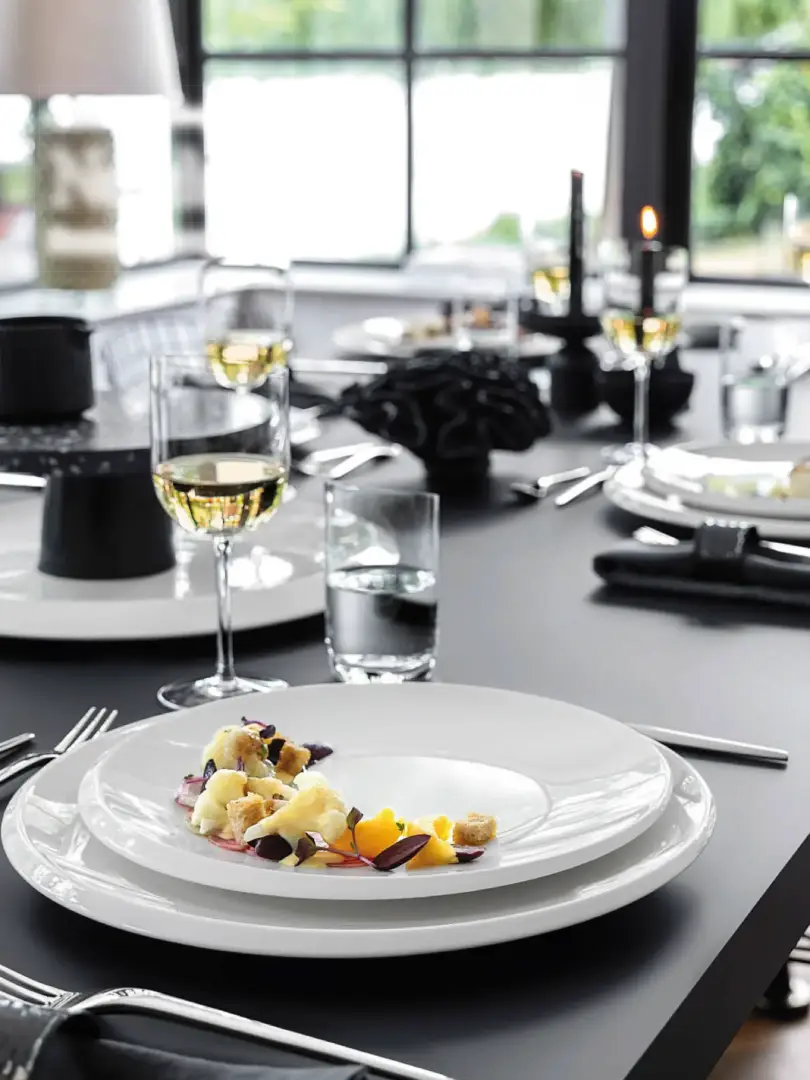
Though it may seem like a minor detail, the choice between disposable and reusable supplies has a significant impact on your dine-in operations. In the foodservice industry, reusables like stainless steel cutlery and ceramic plates improve your brand image and customer experience. They’re sustainable, align with eco-friendly goals and reduce long-term costs due to their durability.
But they require investment in dishwashing equipment and staff training. Disposables like paper napkins and eco-friendly plastic tableware are practical for busy settings, offering quick cleanup and operational efficiency.
For a balanced approach, consider a hybrid model. Use reusables for dine-in service and disposables for takeout. This optimises efficiency, keeps costs manageable and reduces environmental impact, benefiting your business.
Regulatory Considerations in the UK
Navigating the regulatory landscape in the UK for catering supplies can be tricky, with the increasing focus on environmental sustainability. With a plastic ban on items like straws and stirrers and cutlery, UK compliance is key.
Consider these points:
- Disposable packaging: Regulations are tightening, so explore biodegradable options to avoid penalties.
- Reusable supplies: Aligning with sustainability goals can ease compliance and improve your business’s green image.
- Plastic Packaging Tax: This applies to packaging with less than 30% recycled content, so switch to eco-friendly materials.
- Extended Producer Responsibility: You’ll need to fund disposal costs, which can hit your bottom line.
Navigating these regulations means sustainability and compliance.

Product Recommendations for Catering Supplies
When choosing catering supplies, consider eco-friendly disposable options like compostable plates and plant-based cutlery for single-use events.
For a more sustainable approach, durable reusable alternatives like stainless steel cutlery and ceramic plates offer long-term environmental benefits.For a cost-effective hybrid solution, modular, stackable containers made from recycled materials can provide practicality and sustainability.
Eco-Friendly Disposable Options
With the growing demand for sustainability, eco-friendly disposable catering supplies is a wise choice for those wanting to reduce their environmental footprint. These options use biodegradable and compostable materials for eco-conscious businesses looking to reduce waste.
Plates made from bagasse, bamboo or PLA bioplastics decompose in 90-180 days, while biodegradable cutlery from cornstarch or wheat straw matches this timeframe. Look for products with eco-label certifications to ensure they’re made from sustainable materials and meet industry standards like ASTM D6400 or EN 13432.
Here are a few options:
- Compostable plates from bagasse or bamboo
- Biodegradable cutlery from cornstarch
- Compostable takeaway containers
- Products with eco-label certifications
Using these will help you comply with regulations and reduce your environmental impact.
Durable Reusable Alternatives
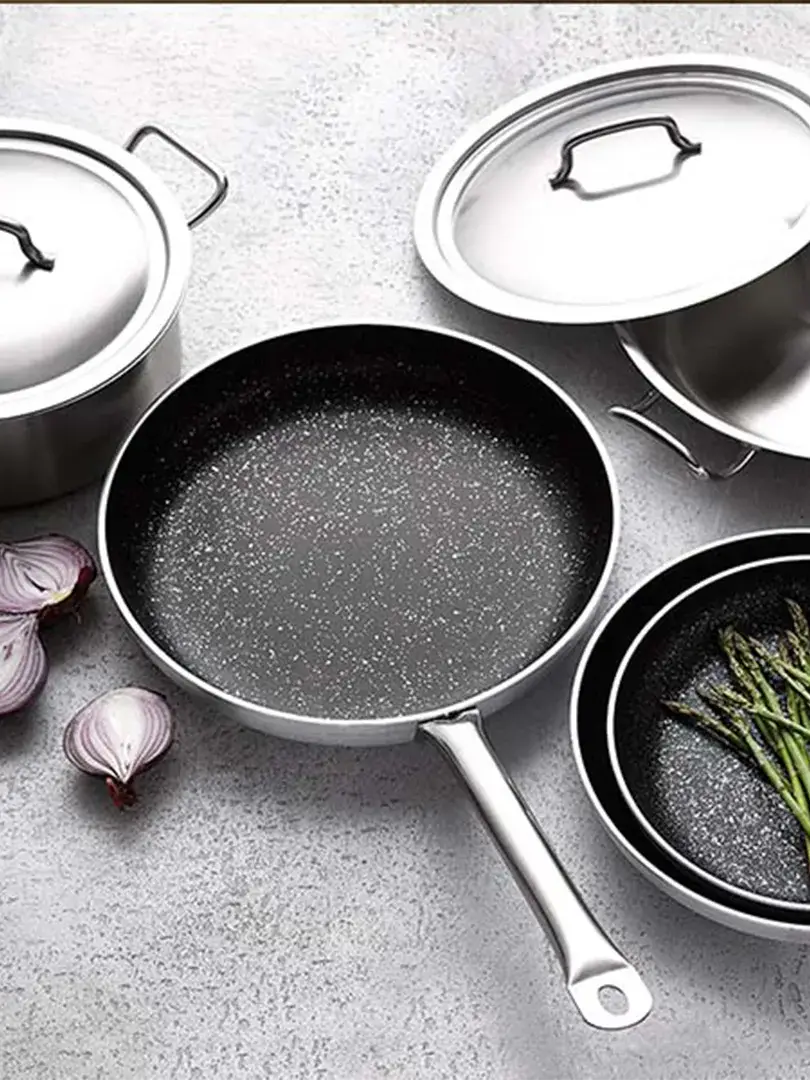
Although disposables have their advantages, durable reusable alternatives are a cost-effective and environmentally friendly solution for catering supplies. Stainless steel utensils and containers last for over a decade with proper care. This reduces replacement costs.
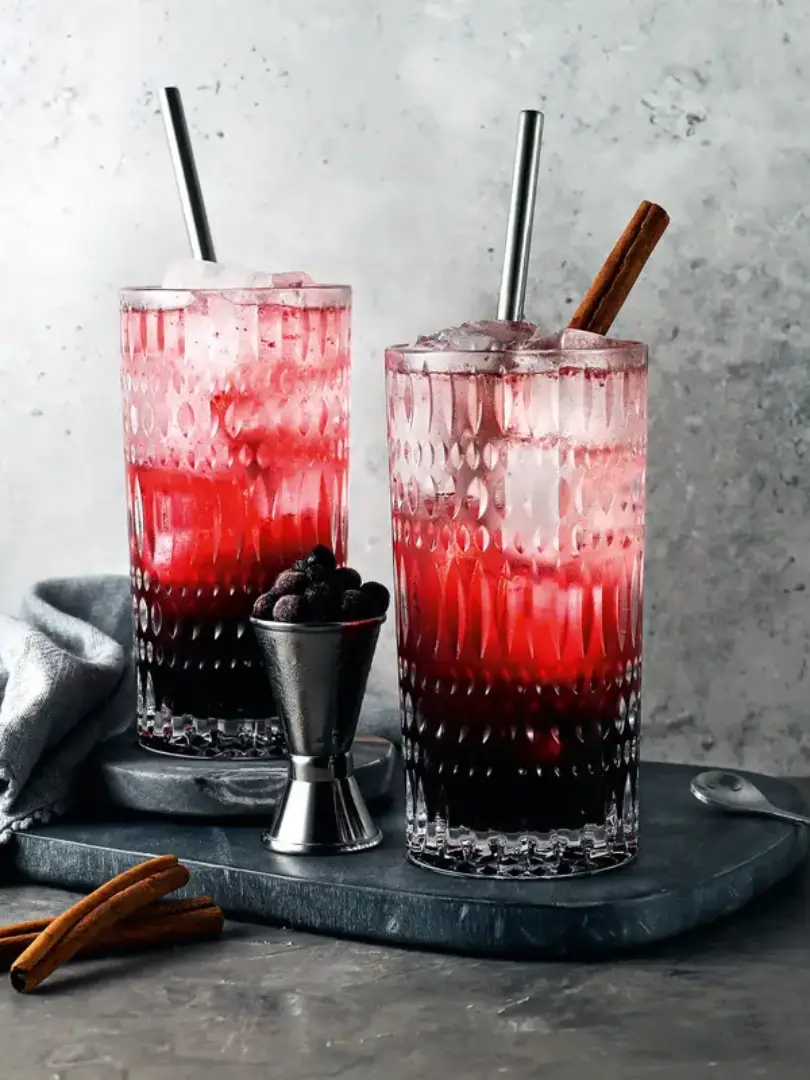
Glassware made from borosilicate or tempered Glass is both aesthetic and durable, making it ideal for events that require multiple washes. Ceramic plates and bowls, when handled with care, don’t chip or crack, maintaining presentation quality.
Silicone kitchenware, like bakeware and storage lids, is flexible and heat-resistant, designed for repeated use. Commercial-grade reusable supplies, built to last over 1,000 wash cycles, mean sustainability and cost-effectiveness for your catering business.
Last Orders
Choosing the right catering supplies comes down to balance. Disposables deliver speed, convenience and lower upfront costs. Reusables provide durability, stronger brand perception and long-term savings. Each option serves a purpose depending on your event size, service style and operational capacity.
For many businesses, a hybrid approach makes the most sense. Use disposables where efficiency matters most. Invest in reusables where customer experience and sustainability add value. By weighing cost, environmental impact and UK regulations, you can build a catering setup that is practical, compliant and future-focused.