



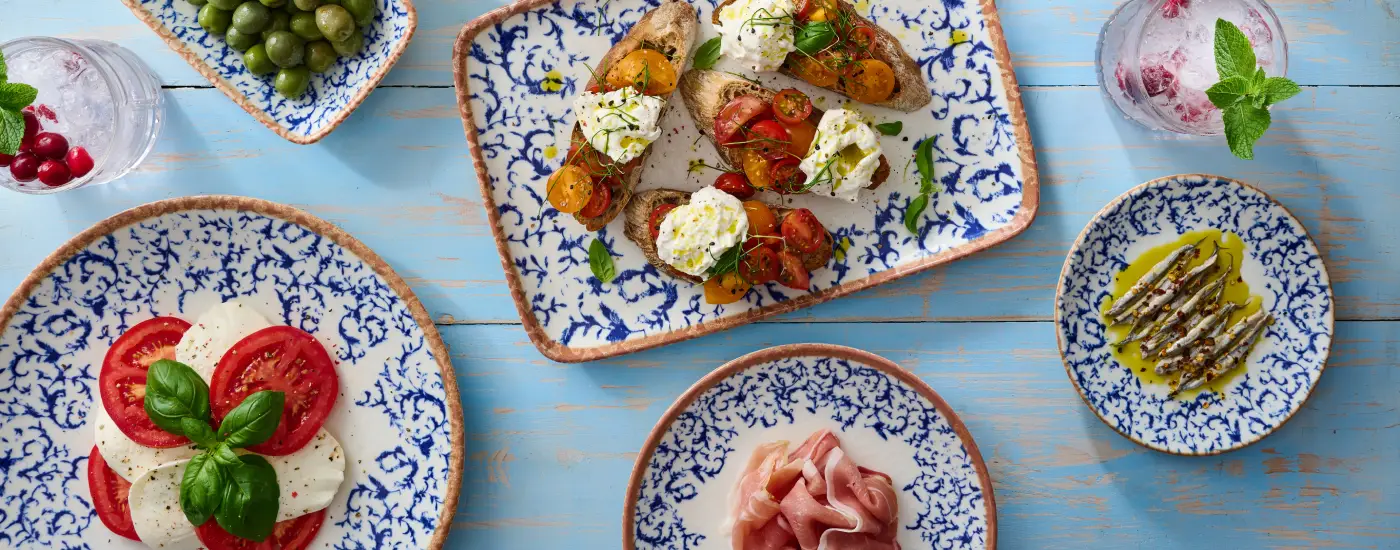
Exploring a restaurant’s cultural table settings reveals diverse cultural values and traditions. From Moroccan opulence and comfort with low tables and cushions to French dining showcasing leisurely sophistication and Japanese minimalism featuring bamboo touches, each style offers insight into cultural norms.
Chinese communal harmony thrives with shared dishes, while Indian customs emphasise using the right hand. Italian etiquette includes coffee and pasta-specific rules.
Craving more insights into these cultural dining nuances? There’s much more to uncover, read: Cultural & cuisine-based restaurant tableware: A style & function guide here.
Summary
- Dining etiquette varies globally, reflecting cultural values and enhancing social interactions at the table.
- Moroccan table settings emphasise opulence with low tables, cushions, and ornate lanterns for a communal dining experience.
- Japanese dining focuses on minimalism, using natural materials like bamboo and incorporating Western and traditional seating styles.
- Italian dining discourages cutting pasta with a knife, reflecting respect for culinary traditions and proper etiquette.
- Chinese dining utilises a “Lazy Susan” for communal sharing, emphasising balance and harmony in table arrangements.
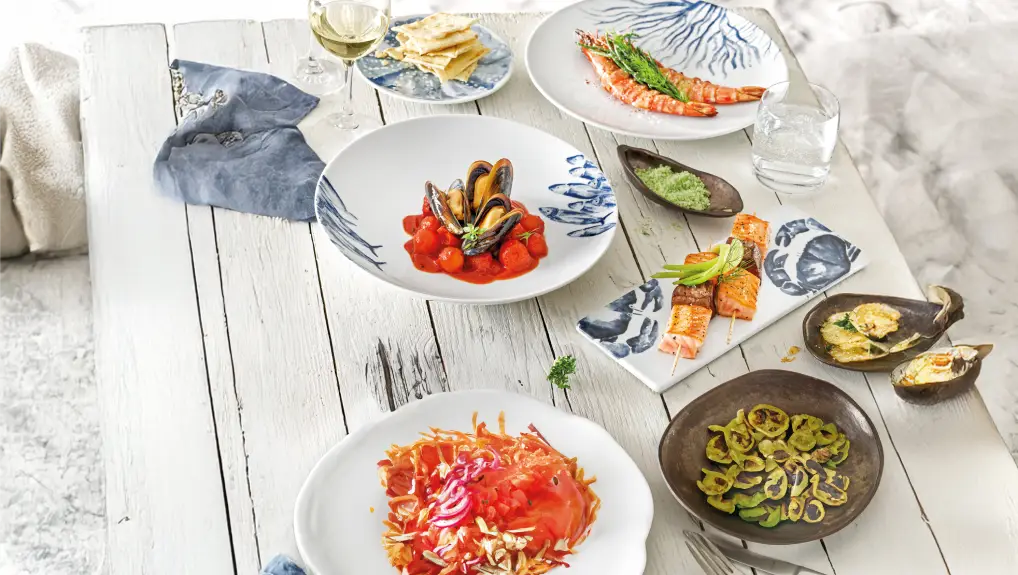
Moroccan Dining: Embracing Opulence and Comfort
When you experience Moroccan dining, you’re stepping into a world where opulence meets comfort. This elaborate and intimate dining experience often lasts long into the night. You’ll sit around low, large tables, fostering a sense of closeness as you nestle on cushions and pillows. Ornate lanterns and rich tapestries enrich the ambience, making the setting as much a part of the meal as the food itself.
Moroccan table manners emphasise hospitality and sharing. Bread is central to Moroccan culture, serving as a utensil to scoop up delicious sauces, replacing traditional silverware. Sharing multi-course meals with family and friends encourages lively interaction and a sense of togetherness, turning every meal into a festive, welcoming experience.
French Elegance: The Art of Unhurried Dining
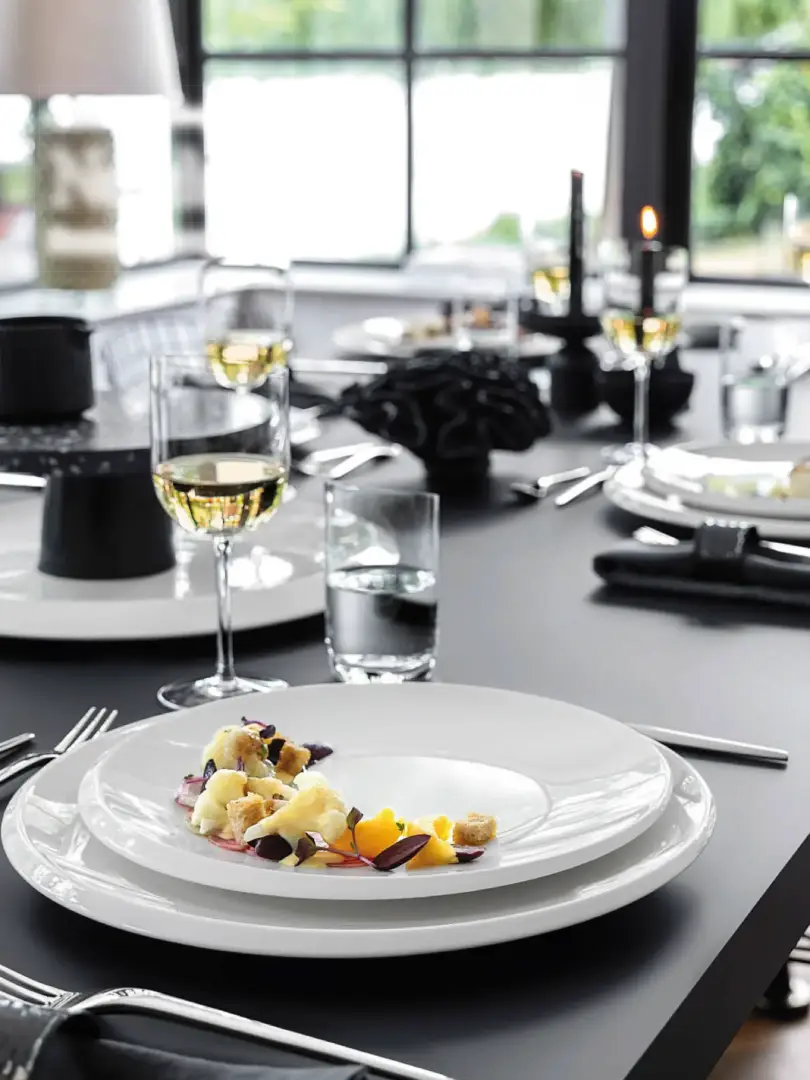
After immersing yourself in the warmth and conviviality of Moroccan dining, step into the domain of French elegance, where meals are an art form. An unhurried experience is key in French dining, often spanning several hours. This allows you to savour each meticulously prepared course, reflecting proper French dining etiquette.
The cultural table settings feature mixed and matched serving platters with a chic, antique charm. Utensils are placed in the order of use, maintaining a structured yet elegant table.
Take note of these elements:
- Casual, quality linens: Always present, setting a refined yet relaxed tone.
- Hand-plucked flower arrangements: Add natural beauty and sophistication.
- Meticulous utensil arrangement: Improves the structured elegance.
Each detail improves conversation and enjoyment, making dining an exquisite art, and opens your eyes to the plethora of cultural table settings and unique cultural designed tableware.
Japanese Simplicity: Tradition and Mystery Combined
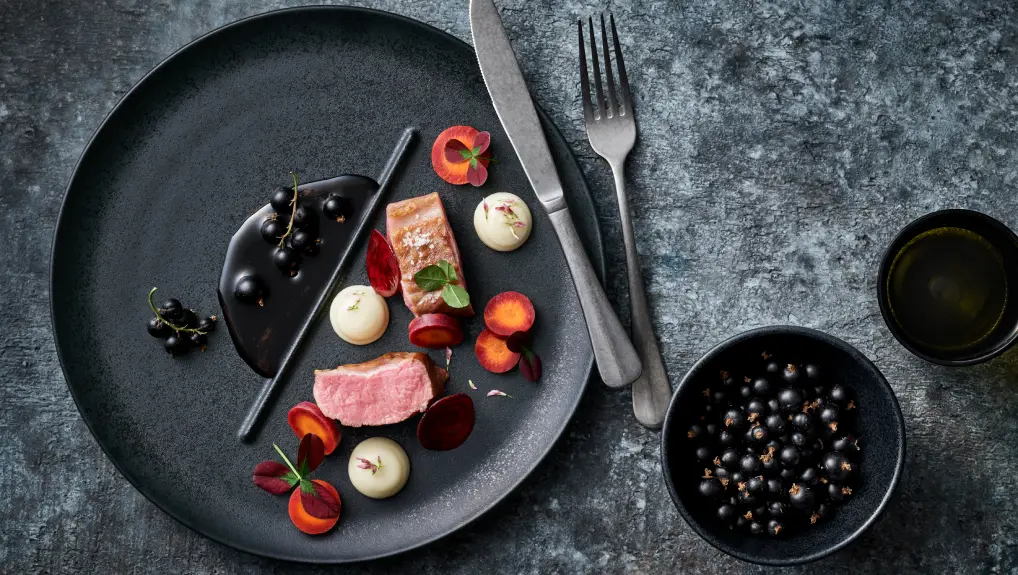
In Japanese dining, simplicity and tradition are seamlessly woven to create a serene and harmonious experience. Cultures around the world admire Japan’s emphasis on minimalism. Neutral colours and natural bamboo materials set the stage. Each meal carries an air of mystery, as dishes often arrive in lidded containers, inviting anticipation.
You’ll find versatility in dining styles as families choose between high Western-style tables or low tables on tatami mats. Removing shoes before dining and using warm towels, or oshibori, for hand cleaning underline the importance of hygiene.
In Japan, slurping noodles is more than just a cultural quirk—it’s a compliment to the cook. Such practices reveal the deep respect and appreciation embedded in Japanese dining customs.
Chinese Harmony: Communal Dining at Its Best
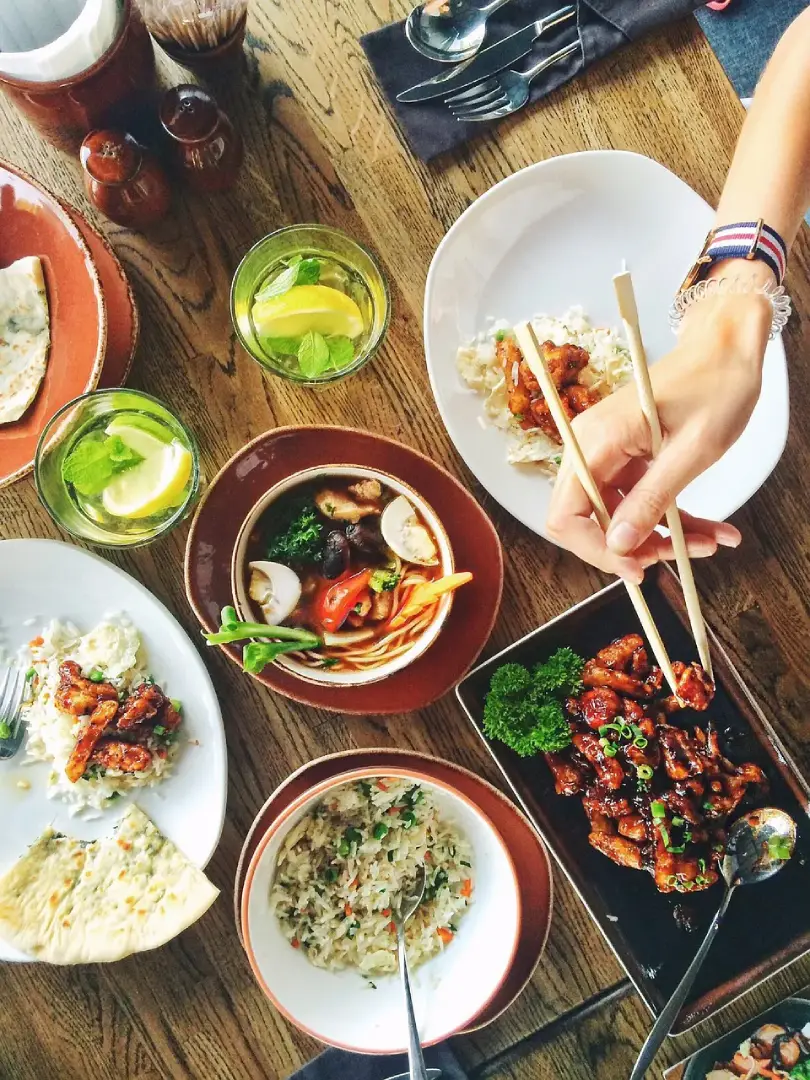
When you’re seated at a Chinese dining table, you’ll notice the harmonious arrangement of dishes, which reflects balance and symmetry. The centrepiece, often a “Lazy Susan,” encourages sharing and fosters a communal meal experience. Using chopsticks and spoons strategically placed to the right of your plate, you participate in a tradition that emphasises etiquette and mutual respect.
Symmetrical Table Arrangements
Symmetrical table arrangements are central to the Chinese dining experience, embodying the cultural values of balance and harmony. These arrangements reflect an aesthetic appeal that different cultures around the world admire. Round tables are often used, encouraging communal dining and conversation. Such symmetry isn’t just about looks—it’s about creating a sense of equilibrium among diners.
Chinese table settings often include:
- Embossed Plates: Ceramic or metal plates with intricate prints improve the visual appeal.
- Silk Tablecloths: Used for formal occasions, they signify celebration and prosperity.
- Flower Arrangements: Carefully crafted with a mix of tall and short plants, reinforcing balance.
Together, these elements create a dining atmosphere that is pleasing to the eye and deeply rooted in cultural traditions.
Lazy Susan Tradition
A few innovations, such as the Lazy Susan, capture the essence of communal dining. It’s a staple on Chinese tables, making shared dishes easily accessible. Gathering around a round table fosters harmony and equality. The Lazy Susan lets you and fellow diners interact effortlessly, breaking down barriers to sharing food.
Typical table settings include large plates for communal dishes, individual bowls, and chopsticks, highlighting the communal aspect of the meal. The Lazy Susan improves diverse dishes’ visual appeal and organisation at formal celebrations. It reflects the cultural values of balance and abundance in Chinese cuisine, allowing you to engage fully in the social experience of the meal.
Communal Meal Experience
Rooted in tradition, Chinese dining thrives on the communal meal experience, celebrating harmony and shared enjoyment.
Placing dishes in the center invites everyone to join the feast, strengthening the feeling of togetherness. Using a “Lazy Susan” at round tables guarantees that each guest can easily access the food, improving interaction and engagement. Symmetry and harmony extend to table settings, with traditional prints adding a visual delight. Practising good table manners, such as leaving food on your plate, shows respect and abundance.
- Embossed ceramic or metal plates improve mealtime aesthetics.
- Gentle burping is a compliment to the chef.
- An empty plate can be interpreted as a subtle hint that more food was expected.
Vibrant Mexican Tables: A Celebration of Culture
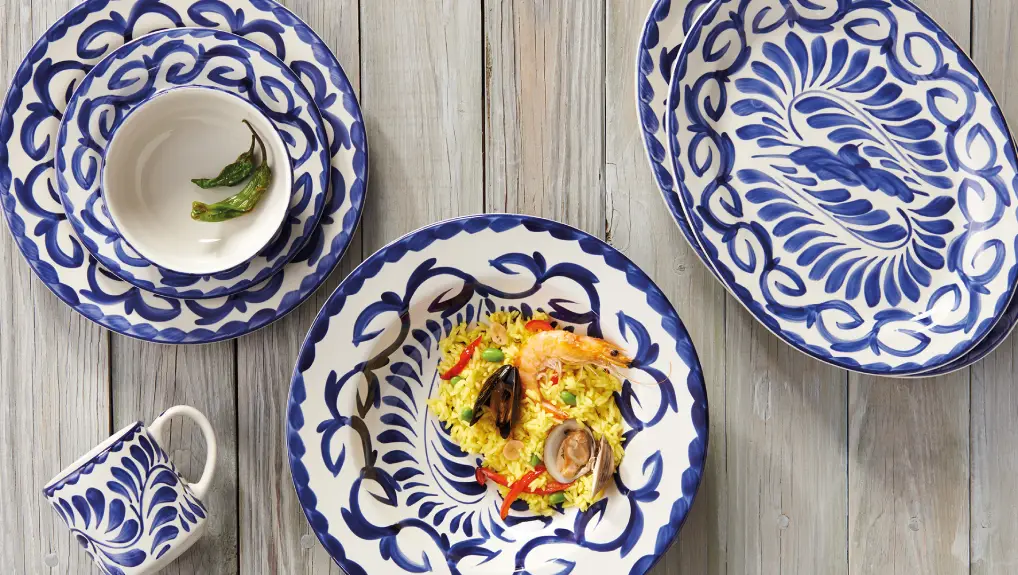
Mexican dining spaces burst with vibrant colours, each reflecting the warmth and richness of the country’s cultural heritage. Bright, woven table runners, placemats, and napkins create a lively backdrop that invites you to partake in the communal dining experience. Meals are family-style, encouraging everyone to share and connect over delicious dishes. Centrepieces adorned with candles and fresh flowers add to the festive atmosphere. Papel Picado banners depicting traditional motifs often hang overhead, enhancing the celebratory feel.
In Mexican culture, hospitality is paramount. The host sits at the table’s head, with the guest of honour to their right, emphasising the importance of making guests feel welcome and valued as they enjoy the meal together.
Indian Customs: The Right Hand and Regional Variations
When dining in India, you’ll notice the significant cultural emphasis on using the right hand. Using the right hand is considered proper when handling food, as the left is seen as unclean. Regional practices further enrich the dining experience; for instance, using a thali in many parts of India allows you to enjoy a variety of dishes at once, while in Rajasthan, meals served on banana leaves introduce an eco-friendly twist.
Additionally, regional tastes vary widely, with southern India offering spicy curries and the north favouring milder, dairy-based dishes, showcasing the country’s diverse culinary landscape.
Importance of the Right Hand
In Indian dining customs, the right hand holds great significance, symbolising cleanliness and respect at the table. People typically use their right hand to eat, since the left is considered unclean and reserved for other tasks. This practice emphasises hygiene and respect during meals, and some regions, particularly rural areas, even disapprove of left-handed use in dining.
Eating with your fingers elevates the flavour and connects you more deeply to the food.
- Hygiene Focus: Customary handwashing before and after meals.
- Sensory Experience: Eating with fingers elevates connection to the food.
- Social Norms: Left-handed use is often frowned upon, especially in rural settings.
Understanding these practices can enrich your dining experience in India, respecting their cultural nuances.
Regional Dining Practices
India’s dining customs reflect the country’s rich cultural tapestry, offering a fascinating window into its diverse traditions. Using your right hand to eat is significant at the dinner table, as it’s tied to hygiene and etiquette. Traditionally considered unclean, the left hand is best kept away from food.
Across regions, dining traditions differ—some serve meals on a thali, showcasing a rich variety of flavours all on one platter. In other places, banana leaves provide a more traditional dining experience. Do’s and don’ts also extend to communal dining, where sharing food strengthens connections among diners and further highlights the difference within cultural table settings.
Italian Nuances: From Coffee to Pasta Etiquette
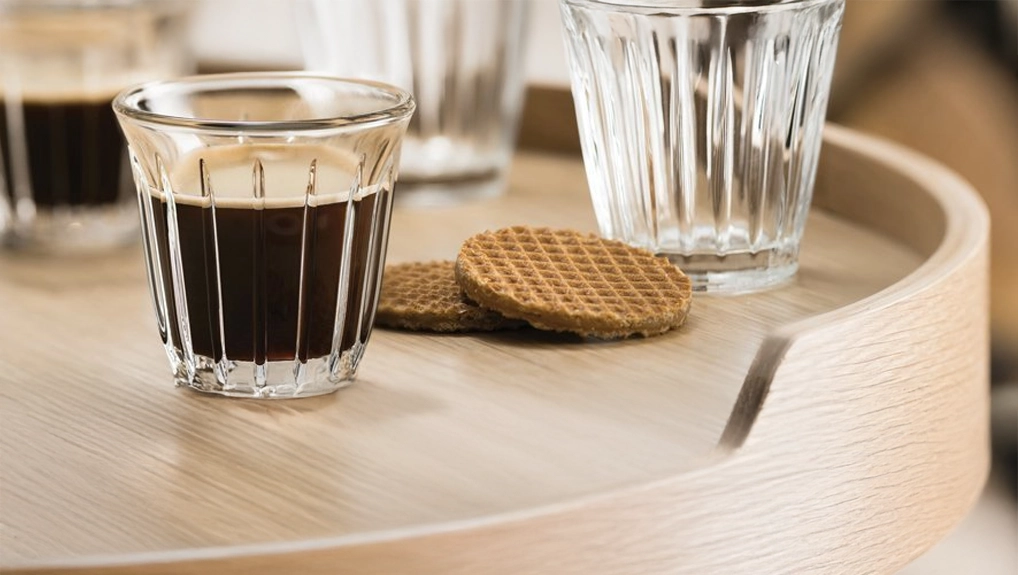
To truly appreciate Italian dining customs, it’s essential to understand the nuances of their coffee and pasta etiquette. Italians take their cappuccino seriously. Make sure to enjoy your cappuccino before 11 am, as consuming milk afterward is thought to interfere with digestion. After lunch, go for an espresso instead.
Remember these key rules regarding pasta: Never cut pasta with a knife; twirl it around your fork instead.
Savour each bite without rushing. Italians see breaking pasta before cooking as disrespectful to the dish.
- Cappuccino: Enjoy it exclusively in the morning.
- Pasta: Twirl, don’t cut.
- Dining pace: Take your time and savour.
These practices reflect the Italian emphasis on enjoying meals and respecting culinary traditions.
Last Orders
By exploring diverse cultural table settings, you’ll gain insights into the values and traditions that shape dining worldwide.
Each style, from Moroccan opulence to Japanese simplicity, offers unique lessons.
Embrace French elegance with leisurely meals or enjoy the communal harmony of Chinese dining.
Celebrate vibrant Mexican and Indian customs and understand the nuances of Italian dining, from coffee etiquette to pasta rules.
These global practices enrich your appreciation and etiquette at any table and help you appreciate all cultural table settings.