






Using bulk disposable catering supplies has a big impact on the environment. Single-use plastics add to landfill waste and marine pollution. These don’t break down easily, take hundreds of years to decompose and release toxins that harm wildlife and ecosystems.
Switch to sustainable options like bioplastics, bamboo and bagasse. They break down faster and are eco-friendly. By choosing these, you can reduce your environmental footprint and potentially comply with upcoming regulations.
Learn more about the impact of bull disposable catering supplies.
Summary
- Bulk disposable catering supplies contribute to plastic waste, increasing landfill and marine pollution and harming ecosystems.
- Non-biodegradable plastics from catering supplies release toxic chemicals, affecting wildlife, soil and water quality over time.
- Switching to sustainable alternatives like bioplastics and bamboo reduces environmental impact and aligns with legislative mandates.
- Reusable catering supplies reduce landfill waste up to 80%, offer long-term cost savings and support sustainability initiatives.
- Businesses that go eco-friendly boost brand reputation, consumer trust and compliance with evolving environmental regulations.
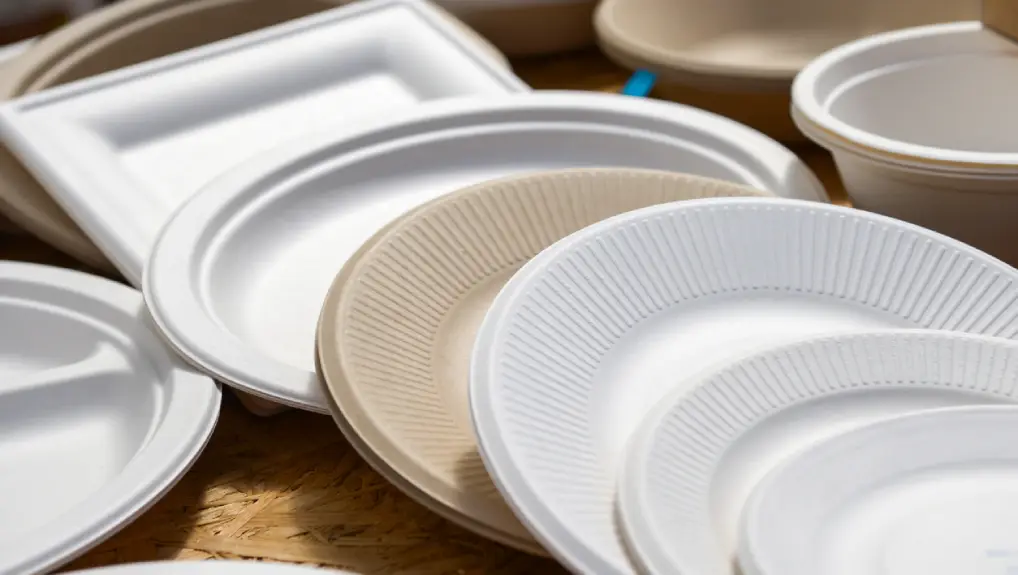
Understanding the Environmental Footprint of Disposable Catering Supplies
When you think about the environmental footprint of disposable catering supplies, you need to consider the massive impact these items have on our planet. Single-use items like plastic cutlery and containers make up over 50% of global plastic production.
They add to plastic waste, and stay in landfills for hundreds of years. These non-biodegradable materials leach harmful chemicals, polluting land and marine ecosystems. But you can go sustainable by choosing biodegradable options. Alternatives like bamboo or bagasse are not only renewable but also break down faster, reducing environmental harm.
The Role of Single-Use Plastics in Environmental Degradation
Although single-use plastics are convenient, their role in environmental degradation is undeniable. These items, used once and thrown away, account for up to 50% of global plastic products. This is a huge challenge for waste management as these materials are not biodegradable and can last for centuries.
Single-use plastics add to waste management challenges because of their non-biodegradable nature. Plastic pollution isn’t just an eyesore; it’s a serious threat to ecosystems. As these plastics break down, they release toxic chemicals, harming wildlife and contaminating water sources.
Consider these impacts:
- Marine Litter: 8 million tons of plastic enter oceans every year, harming marine life.
- Toxic Leaching: Chemicals from degrading plastics can harm human health and ecosystems.
- Legislative Measures: Laws like the UK’s 2023 Plastic Packaging Tax reduce these impacts, so we need to act on plastic pollution.
Exploring Sustainable Alternatives to Traditional Catering Supplies
You’re about to enter the world of sustainable catering supplies where eco-friendly materials like bamboo, bagasse and bioplastics are the game-changers. These alternatives break down more quickly than traditional plastics, helping you stay ahead of regulations such as the UK Plastic Packaging Tax.
Eco-Friendly Material Options
As the environmental concerns around disposable catering supplies grow, it’s time to explore eco-friendly material options that can be a viable alternative to traditional plastics. By choosing biodegradable and compostable materials made from renewable resources, businesses can reduce their environmental impact.
Consider these eco-friendly options:
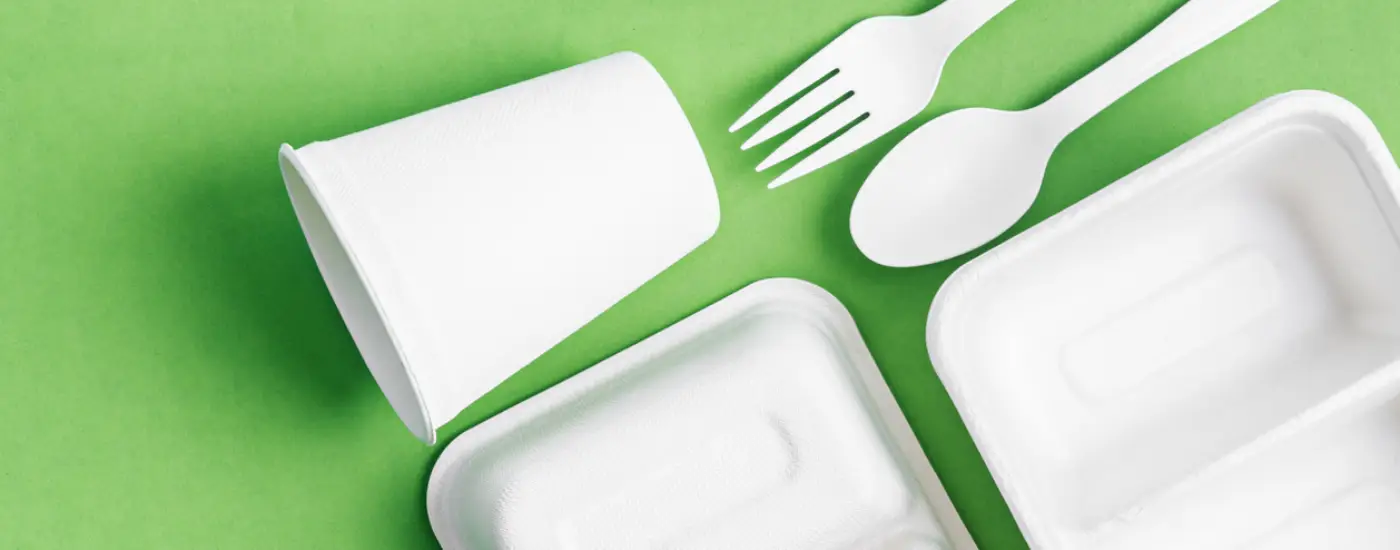
- Bioplastics (PLA): Made from corn starch, bioplastics are biodegradable and reduce reliance on fossil fuels.
- Bamboo and Bagasse: These are renewable and compostable, and often need less energy to produce than conventional plastics.
- Recyclable Paper: When disposed of properly, paper supports circular economies and minimises waste.
Eco-friendly catering supplies break down in months, not centuries like traditional plastics.
Going sustainable also helps you meet the laws banning single-use plastics.
Reusable Supplies Benefits
Embracing reusable supplies in catering isn’t just a trend; it’s a smart move that offers environmental and economic benefits. By choosing reusables like cloth napkins, crockery and cutlery, you cut down landfill waste dramatically.
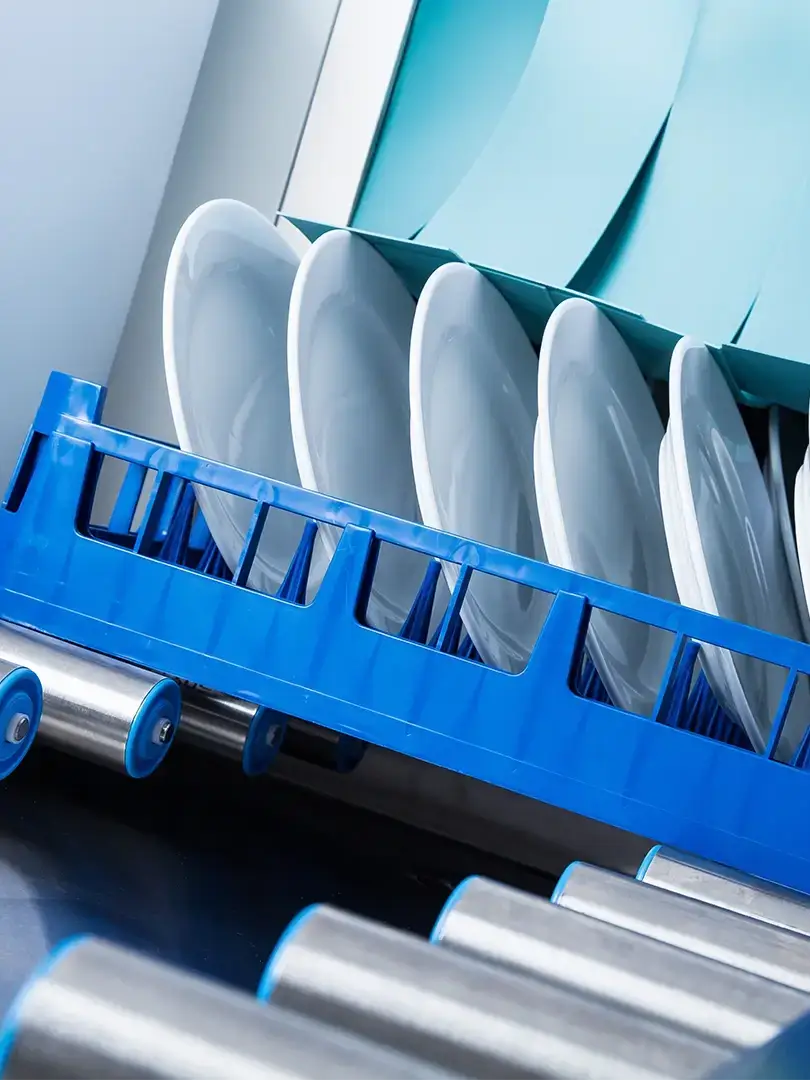
Unlike disposables that last centuries, reusables align with sustainability goals, reduce waste disposal costs and environmental impact by up to 80%. Although a cleaning process is needed, advances in commercial dishwashing technology make it manageable.
Reusable items made from durable materials maintain their quality and presentation over time, offering long-term savings by eliminating the need for continuous disposable purchases. Going sustainable meets consumer expectations and positions your business as a leader in sustainable practices.
Compostable Packaging Innovations
While the trend towards sustainability in catering is growing, compostable packaging innovations are at the forefront of this movement. By using renewable materials like starches and plant fibres, these solutions break down naturally, reducing long-term waste.
Among the key innovations are bioplastics like PLA, made from cornstarch or sugarcane. They’re certified compostable in industrial facilities and perform like traditional plastics.
Consider these benefits:
- Environmental Impact: Compostable packaging reduces waste.
- Performance: Advances ensure durability, resistance to moisture and grease.
- Legislation: Laws like the UK Plastic Packaging Tax are driving adoption.
You can switch to eco-friendly options without sacrificing quality, and align your business with environmental standards. Go compostable for a sustainable future.
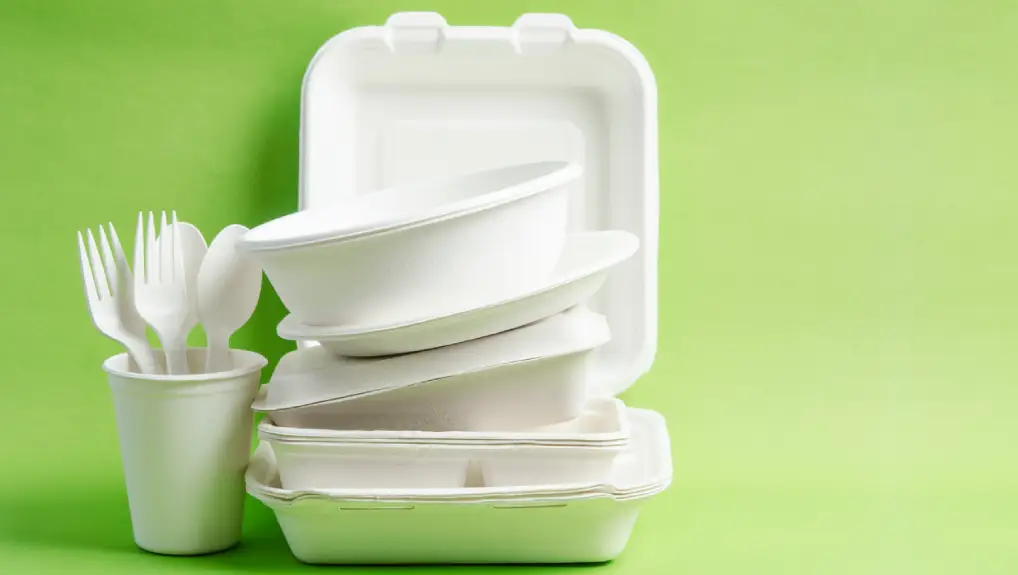
The Business Case for Eco-Friendly Disposable Options
Going with eco-friendly disposable options isn’t just good for the planet; it’s a smart move for your business. By choosing sustainable, biodegradable catering supplies, you tackle plastic waste, a major environmental issue.
Consumers increasingly prefer brands with strong environmental policies, which can boost your reputation. Laws like the UK Plastic Packaging Tax and bans on single-use plastics require compliance, so going sustainable makes sense. Adopting biodegradable and reusable alternatives saves you money by reducing waste disposal fees and penalties.
Aligning with global climate change efforts enhances your business’s green credentials.
| Benefit | Impact | Action |
|---|---|---|
| Brand Reputation | Strengthens consumer trust | Go sustainable |
| Cost Savings | Reduces waste disposal fees | Use biodegradable products |
| Legal Compliance | Meets new regulations | Switch from single-use plastics |
| Environmental Impact | Decreases plastic waste | Choose reusable options |
| Climate Change Alignment | Supports global efforts | Prioritise eco-friendly supplies |
How Bulk Disposable Supplies Contribute to Landfill Waste
As businesses go sustainable, it’s time to understand the environmental impact of traditional disposable catering supplies. Bulk disposable products like plastic containers and cutlery are a major source of landfill waste. These items are often single-use and not biodegradable, and take hundreds of years to break down.
Here’s how they contribute:
- Single-Use Nature: Approximately 50% of global plastic products are single-use, resulting in millions of tons of landfill waste annually.
- Non-Biodegradable Materials: Many disposables are made from plastics that persist in landfills, releasing toxic chemicals.
- Improper Disposal: Contaminated disposables often end up in landfills instead of recycling, making the problem worse.
Evaluating the Impact of Non-Biodegradable Materials
You’ll find that non-biodegradable materials, like traditional plastics, are a major concern for environmental degradation, as they linger in ecosystems for centuries. Managing this waste is challenging because it not only persists but also releases harmful chemicals, impacting soil, water, and air quality.
To address these issues, consider exploring sustainable alternatives that reduce reliance on single-use disposables and help mitigate the adverse effects on our planet.
Environmental Degradation Concerns
Non-biodegradable materials might seem convenient, but they pose significant environmental degradation concerns that can’t be ignored. Plastic waste from single-use catering supplies like polystyrene containers contributes to landfill pollution.
These materials take hundreds of years to decompose, releasing greenhouse gases in the process. When you use these disposables, you’re not just affecting landfill size; you’re also impacting wildlife and ecosystems.
Consider these points:
- Longevity: Non-biodegradable materials persist in the environment, slowly breaking down and leaching toxic chemicals into soil and water.
- Waste Volume: Approximately 50% of global plastic waste is single-use, increasing pollution levels.
- Emissions: Plastic waste decomposition in landfills contributes to greenhouse gas emissions.
Switching to sustainable alternatives can mitigate these impacts.
Waste Management Challenges
How do we manage the growing problem of non-biodegradable waste from catering supplies? Waste management requires awareness and action. Non-biodegradable materials, especially plastics, last for centuries in our environment, clogging landfills and contributing to plastic pollution.
Unfortunately, recycling efforts fail due to contamination and lack of education. You can promote better recycling practices by ensuring clean and sorted waste streams. Single-use plastics end up in oceans, break down into microplastics that enter the food chain, affecting wildlife and human health.
By prioritising proper waste management, you reduce greenhouse gas emissions from incineration and landfilling. Engage employees and customers in recycling initiatives to make a big difference in minimising this environmental burden.
Sustainable Alternatives Exploration
Have you ever wondered what alternatives exist to tackle the environmental impact of non-biodegradable materials? Switch to sustainable alternatives and reduce your business’s environmental footprint. Non-biodegradable plastics persist in landfills and oceans, contributing to plastic waste and pollution.
Here’s how you can make a difference:
- Biodegradable Materials: Choose materials like bioplastics, bagasse and bamboo. They decompose in months, not centuries like traditional plastics.
- Reduce Petrochemical Plastics: Switch to biodegradable options to lower greenhouse gas emissions as plastic manufacturing uses 1.8% of global oil consumption.
- Single-Use Reduction: Almost 50% of plastic waste is single-use. Choose reusable or compostable items to reduce waste and protect wildlife from leaching chemicals.
The Importance of Compostable and Biodegradable Supplies
Compostable and biodegradable supplies are key to reducing the environmental impact of disposable catering materials. They break down in months, not centuries like traditional plastics. By choosing biodegradable and compostable options like cornstarch and sugarcane bagasse, you’re increasing sustainability and effective waste management.
These materials turn waste into nutrient-rich soil through industrial composting, aligning with eco-friendly practices. Incorporating these supplies helps you meet legal requirements like the UK Plastic Packaging Tax and upcoming bans on single-use plastics.
Although more expensive upfront, they can save you money in the long run by reducing waste management costs and boosting your brand reputation. Embrace these changes to not only comply with regulations but to lead in sustainable business practices.
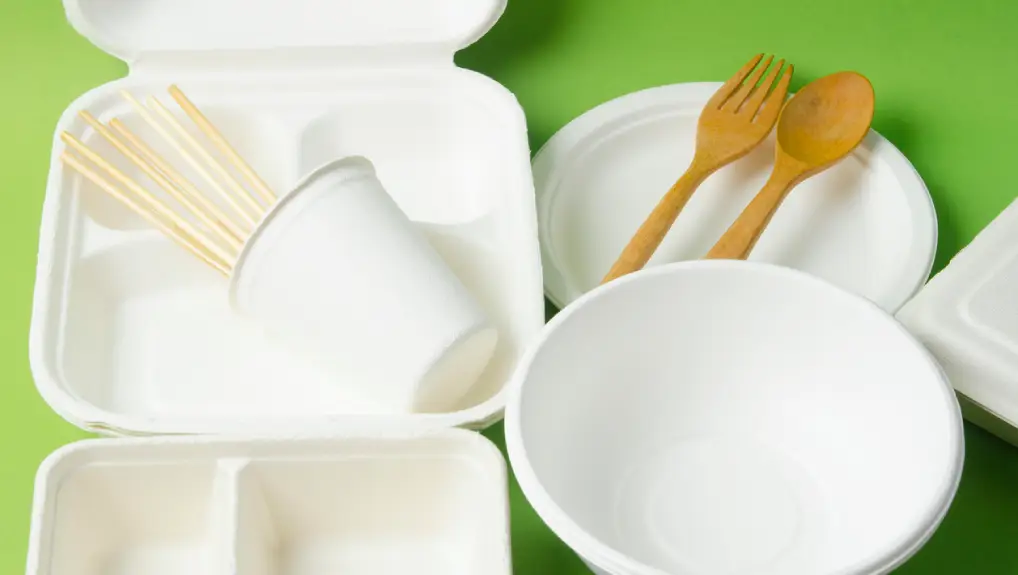
Strategies for Reducing Waste in the Catering Industry
You can cut down waste in the catering industry by implementing reusable solutions, such as using washable dishes and utensils instead of disposable ones. Optimising waste management is key, so work with waste management services to ensure efficient sorting and disposal processes.
Educate your staff and customers on sustainability practices to support these efforts and reduce your environmental footprint.
Implement Reusable Solutions
When looking to reduce waste in the catering industry, implementing reusable solutions is a great strategy. By using reusable plates, cutlery and containers, you can make a big impact on your waste reduction efforts and sustainability. Switching to these options can cut single-use waste by up to 90%, reducing what ends up in landfills.
To implement reusable solutions, consider:
- Staff Training: Train your team on cleaning and maintenance protocols to ensure the longevity and safety of reusable items.
- Cost Savings: Although there’s an initial investment, you’ll save money in the long run by reducing disposable supplies.
- Customer Engagement: Use deposit-return schemes or incentivised reuse programs to encourage active participation in waste management.
Do this to align with consumer demand and upcoming sustainability legislation.
Optimise Waste Management
To optimise waste management in the catering industry, start by labelling recycling and composting bins clearly for specific waste types. Work with waste management services for regular pickups and special recycling options.
By using biodegradable or compostable packaging, you can reduce single-use plastics further. Track your waste outputs to identify high-volume disposal items and adjust procurement accordingly. This proactive approach will minimise non-recyclable waste.
Here’s a quick reference to guide you:
| Waste Type | Recommended Action |
|---|---|
| Plastics | Specialised recycling |
| Biodegradable | Composting |
| Food Waste | Composting |
| Paper/Cardboard | Recycling |
| Metal | Recycling |
These will streamline your disposal processes and improve recycling.
Educate on Sustainability
A key to reducing waste in the catering industry is educating everyone involved about sustainability. By doing so, you can make a big impact on waste reduction and recycling.
Start with:
- Recycling and Composting Programs: Clearly labelled bins make it easy for staff and customers to sort waste, minimising contamination and optimising disposal.
- Promote Awareness: Use signage, training and marketing to educate about the environmental impact and encourage participation in waste reduction.
- Partner with Waste Management Services: Work with providers that offer tailored collection and recycling solutions to support sustainability goals and improve waste diversion.
Review and update regularly to ensure compliance, continuous improvement, and enhance your business’s environmental impact.
Partnering With Environmentally Responsible Suppliers
By partnering with environmentally responsible suppliers, you can ensure your business meets and often exceeds eco-friendly standards. Choose suppliers that offer sustainable disposables made from renewable resources like bamboo and bagasse. These decompose quickly, reducing long-term waste.
Choose suppliers that offer renewable disposables like bamboo and bagasse to minimise long-term waste. Check your suppliers are certified to environmental standards such as FSC, ISO 14001 or B Corporation. This shows you’re committed to eco-friendly practices and responsible sourcing.
Working with these suppliers also helps you meet legislative requirements like the UK plastic ban and circular economy initiatives. You’ll also get cost savings through bulk discounts and access to innovative, eco-friendly packaging solutions.
Transparent supply chain practices like local sourcing will further reduce the carbon footprint.
The Future of Sustainable Practices in Catering Operations
Sustainability is no longer a trend in the catering industry; it’s a necessity. By 2024, single-use plastics will be banned, and you’ll need to adopt eco-friendly alternatives.
To prepare, consider:
- Biodegradable Materials: Innovations like bagasse and bamboo make operations more cost-effective and scalable to sustainability goals.
- Technology: Use digital tracking technologies like blockchain to improve supply chain transparency so your ingredients and packaging are truly eco-friendly.
- Waste Reduction: Consumer demand is shifting to environmentally responsible options. Incorporate waste reduction into your operations to meet expectations and comply with regulations, aiming for net-zero emissions by 2030.
These will keep you competitive and responsible.
Last Orders
Sustainability in your catering operations is key to minimising environmental impact. By choosing compostable and biodegradable supplies, you’ll reduce landfill waste significantly.
Partner with environmentally responsible suppliers and explore sustainable alternatives to traditional disposable supplies, and make informed decisions that align with your environmental goals. This will benefit the planet and your business’s reputation, showing customers you care about their future and the world they live in.