

Up to 40% off
Glassware
Shop
Bar Accessories

Get 30% off
Tableware
Shop
Refrigeration

Save Up To 30%
Front of House

Shop
Kitchen Accessories
Shop
Catering Equipment
Shop
Cleaning
Get 30% off
Disposables
Category
- Catering Equipment Wholesale (99)
- Commercial Cooking Equipment (99)
- Fryers (1)
- Ovens (99)
- Convection Ovens (2)
- Griddles (1)
- Hob Units (2)
- Commercial Cooking Equipment (99)
Brand
- Parry (4)
- Uropa (9)
- Lincat (22)
- Buffalo (9)
- Rational (25)
- Smeg (2)
- Dualit (1)
- Falcon (14)
- Hallco (1)
- Merrychef (14)
- Pratica (6)
- Beko Professional (1)
Colour
- Black (5)
- Silver (27)
- Stainless Steel (1)
Material
- Stainless Steel (28)
Power
- Single Phase Electric (5)
Product Type
- Extraction Hoods (2)
- Hob Units (3)
- Hotplates (3)
- Microwave Ovens (1)
- Microwaves (1)
- Ovens (67)
- Solid Tops (1)
Warranty
- 1 Year (2)
- 2 Years (26)
- 3 Years (1)
Price
Min: £
Max: £
Ovens
Showing 33–48 of 99 results
-
£ Call for Price
-
£ Call for Price
-
£ Call for Price
-
£ Call for Price
-
£203.50 Ex. VAT
-
£1,228.49 Ex. VAT
-
£1,086.74 Ex. VAT
-
£236.74 Ex. VAT
-
£260.36 Ex. VAT
-
£661.49 Ex. VAT
-
£1,275.74 Ex. VAT
-
£2,939.99 Ex. VAT
-
£2,939.99 Ex. VAT
-
£2,939.99 Ex. VAT
-
£1,553.99 Ex. VAT
-
£1,690.49 Ex. VAT
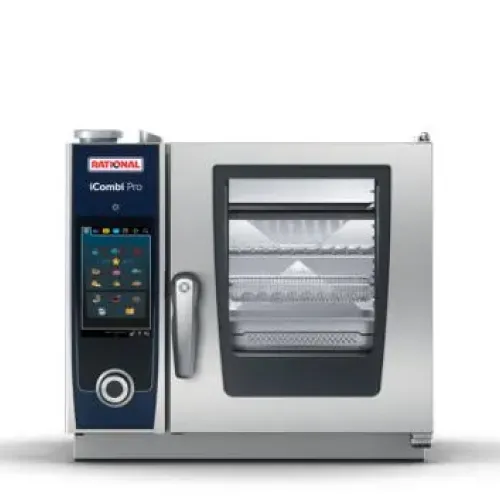
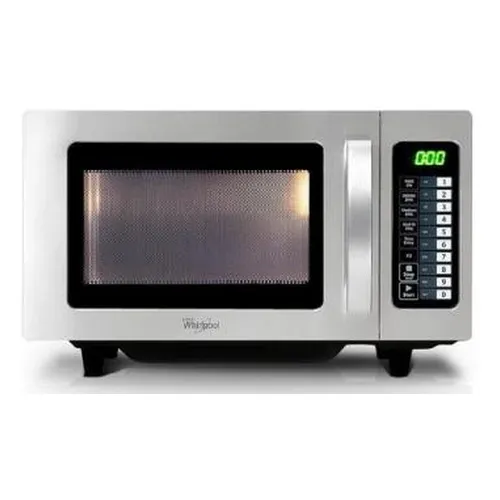


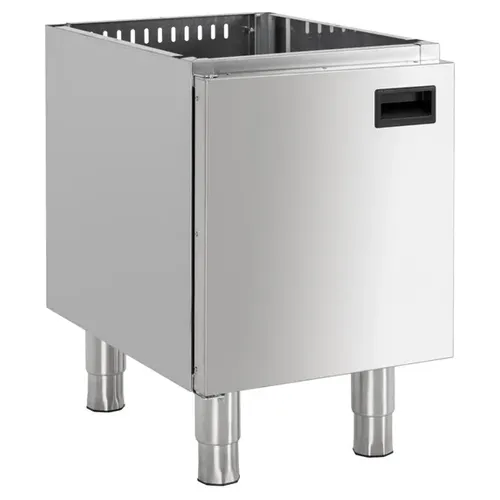

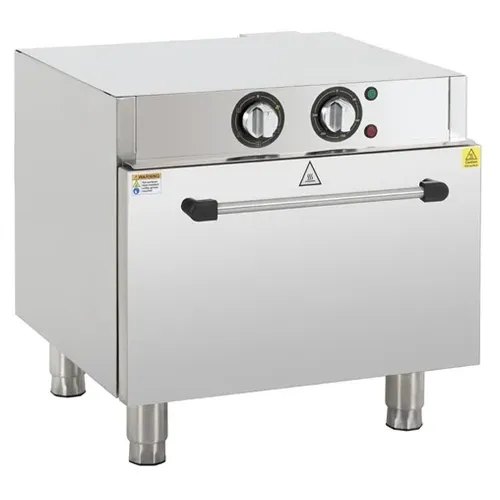
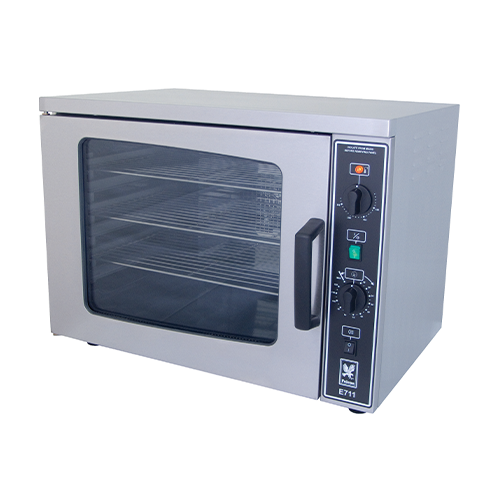

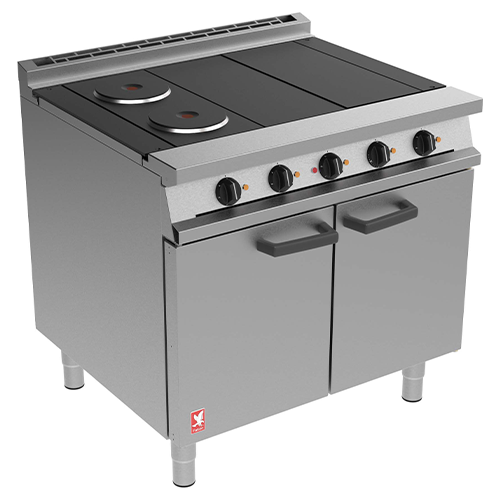
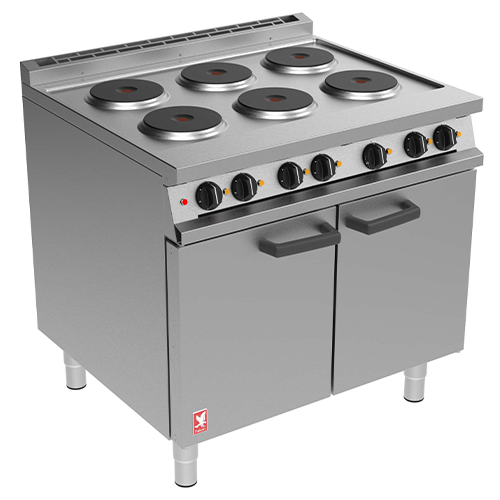

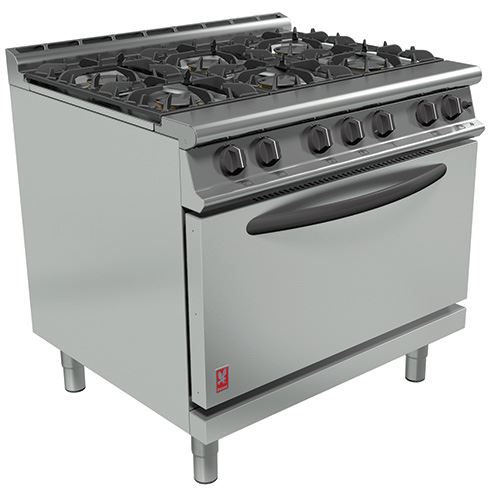
Showing 33–48 of 99 results
Commercial Ovens Built to Handle Full Service
Commercial ovens need to hold their temperature when the kitchen is slammed – not just when it’s empty on a showroom floor. The right unit recovers heat fast, bakes evenly and doesn’t drift off temperature mid-service. Whether you need a combi oven for a full hotel kitchen, a rapid cook oven for a fast-casual operation, or a reliable range oven for a busy restaurant, the spec you choose determines your throughput ceiling.
Ascot Wholesale stocks commercial ovens from Rational, Buffalo, Pratica, Falcon and Dualit – combi ovens, high-speed rapid cook ovens and countertop models for restaurants, hotels, contract caterers and pub kitchens. Trade pricing, reliable stock, UK delivery.
How to Choose a Commercial Oven
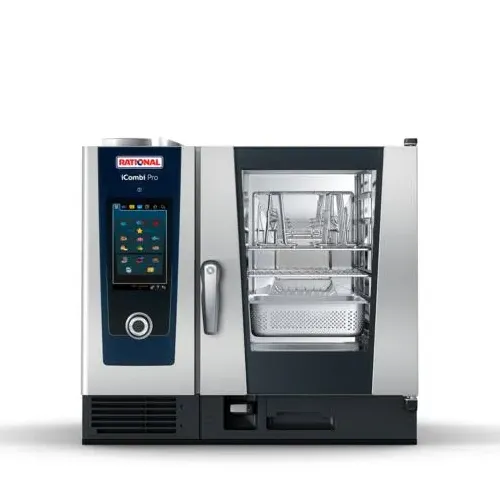
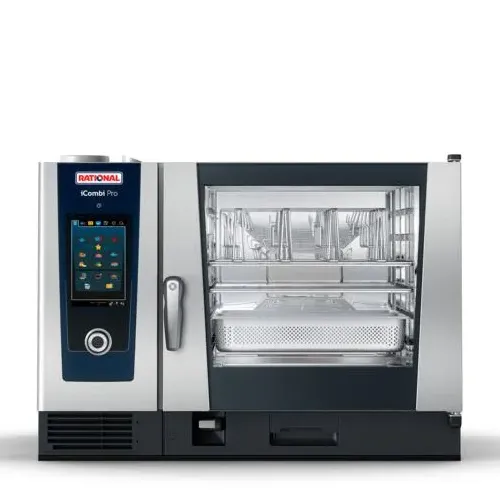
- Combi ovens – Rational iCombi and Buffalo Smart Touchscreen combi ovens roast, steam, bake and hold – one unit doing the job of three. Essential for kitchens running a varied menu at volume. Gas and electric models available. The single highest-impact oven investment for a full-service kitchen.
- Rapid cook and high-speed ovens – Pratica Fit range combines microwave and convection heat to cook in a fraction of standard oven time. No extraction required on ventless models. Suited to fast-casual, pub kitchens and operations needing speed without a full commercial kitchen setup.
- Standard range ovens – Gas and electric range ovens for kitchens needing reliable, straightforward baking and roasting capacity. Lower capital cost than combi. Suited to operations with a focused, consistent menu.
- Gas vs electric – Gas ovens recover heat faster and suit high-volume kitchens already on gas. Electric ovens offer precise temperature control and easier installation. Any gas oven must be installed by a Gas Safe registered engineer.
- Capacity and GN compatibility – Combi ovens are sized by GN tray count – 6 x 1/1GN and 10 x 1/1GN are the most common configurations. Match tray count to your peak production load. GN compatibility across the oven and your existing pans reduces handling and speeds service.
Trade Insight
Heat retention beats the spec sheet. A commercial oven’s headline temperature means nothing if it can’t hold that heat once you load six trays in at once. Cheap builds can drop 30–40°C in the first two minutes of a busy load and never fully recover before the next batch goes in. That’s what causes pale centres and uneven bakes during a rush. Recovery time is the spec to ask about – not the maximum temperature on the dial.
Combi ovens earn their keep across the whole menu. A Rational iCombi or Buffalo Smart Touchscreen combi oven roasts, steams, bakes and holds – one unit replacing three. Less kit on the floor, less maintenance to schedule, one less appliance pulling power. For kitchens tight on space or running a varied menu, a combi oven typically pays for itself within one to two years on space and energy savings alone.
Rapid cook ovens remove the extraction barrier. Pratica Fit ventless rapid cook ovens combine microwave and convection heat without requiring a dedicated extraction canopy. That opens up commercial oven capability to pub kitchens, fast-casual operations and sites where full extraction isn’t feasible. Cook times are a fraction of a standard oven – the trade-off is batch size, not quality.
Gas Safe installation is non-negotiable on gas models. Any gas commercial oven must be installed by a Gas Safe registered engineer under the Gas Safety (Installation and Use) Regulations 1998. Factor installation cost into your budget before ordering – and verify your site has adequate gas supply pressure for the model you’re specifying.
Why Buy from Ascot Wholesale
- Competitive trade pricing – across the full commercial oven range.
- Trusted brands – Rational, Buffalo, Pratica, Falcon and Dualit, used daily in real UK catering operations.
- Combi, rapid cook and range ovens – gas and electric, countertop and freestanding, for every kitchen type.
- Free delivery on qualifying orders – across the UK mainland.
- Trade accounts for regular buyers – restaurants, hotels and contract caterers placing ongoing orders.
- 25 years supplying UK hospitality – trade authority built on real commercial experience across restaurants, hotels and contract catering operations.
Browse our full Cooking Equipment range, or explore related categories: Convection Ovens and Pizza Ovens.
Frequently Asked Questions
What’s the difference between a combi oven and a standard commercial oven?
A standard commercial oven uses dry heat – radiant or convected – for baking and roasting. A combi oven adds steam injection, letting you roast, steam, bake, regenerate and hold in a single unit. Combi ovens replace multiple pieces of kit, reduce shrinkage on proteins and deliver more consistent results across a varied menu.
Gas or electric – which commercial oven is right for my kitchen?
Gas ovens recover heat faster and suit high-volume kitchens already on gas with a preference for lower running costs per hour. Electric ovens offer precise temperature control, easier installation and no gas connection requirement. For most UK restaurant and hotel kitchens, electric is the practical starting point – unless you’re already fully on gas.
Do I need a Gas Safe engineer to install a gas commercial oven?
Yes. Any gas commercial oven must be installed by a Gas Safe registered engineer under the Gas Safety (Installation and Use) Regulations 1998. This is a legal requirement for natural gas and LPG models. Factor installation cost and site gas supply pressure into your budget before ordering.
What is a rapid cook oven and when do I need one?
A rapid cook oven combines microwave and convection heat to cook food in a fraction of standard oven time. Ventless models (Pratica Fit range) require no extraction canopy – suited to pub kitchens, fast-casual operations and sites without full commercial extraction. The trade-off vs a full combi oven is batch size, not output quality.
How often should a commercial oven be serviced?
Commercial ovens should be professionally serviced at least once a year – more frequently on high-use units running two or more full services per day. Regular servicing maintains temperature accuracy, extends magnetron and element life on combination models, and ensures gas connections remain safe and compliant on gas models.
What size commercial oven do I need for a restaurant?
For a full-service restaurant, a combi oven sized at 6 x 1/1GN handles most operations up to 80 covers. A 10 x 1/1GN model suits 80–150 covers. High-volume operations and hotels typically run 10 x 2/1GN or multiple units. Size to your peak service load – a unit running at capacity every service fails earlier and produces inconsistent results.