

Up to 40% off
Glassware
Shop
Bar Accessories
Get 30% off
Tableware
Shop
Refrigeration

Save Up To 30%
Front of House
Shop
Kitchen Accessories
Shop
Catering Equipment
Shop
Cleaning

Get 30% off
Disposables
Category
- Catering Equipment Wholesale (12)
- Commercial Cooking Equipment (12)
- Fryers (4)
- Boiling Tops (4)
- Pasta Boilers (12)
- Solid Top Cookers (4)
- Sous Vide Water Baths (4)
- Commercial Cooking Equipment (12)
Brand
- Uropa (2)
- Lincat (6)
- Buffalo (2)
- Rational (4)
Colour
- Silver (6)
Material
- Stainless Steel (4)
Product Type
- Pasta Boilers (8)
Price
Min: £
Max: £
Pasta Boilers
Showing all 12 results
-
£ Call for Price
-
£ Call for Price
-
£ Call for Price
-
£ Call for Price
-
£472.49 Ex. VAT
-
£689.84 Ex. VAT
-
£96.25 Ex. VAT
-
£101.20 Ex. VAT
-
£80.30 Ex. VAT
-
£80.30 Ex. VAT

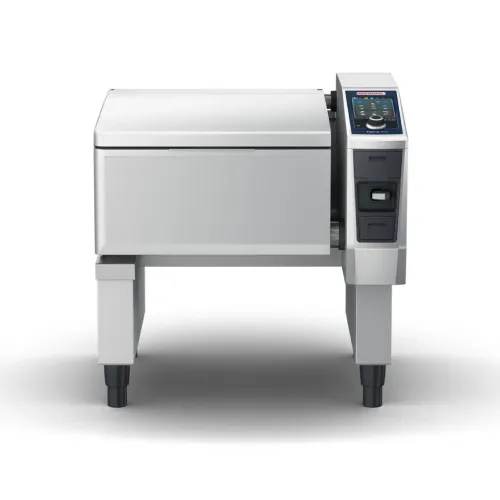
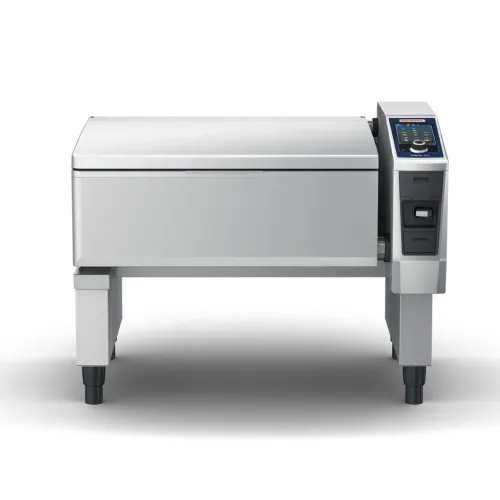
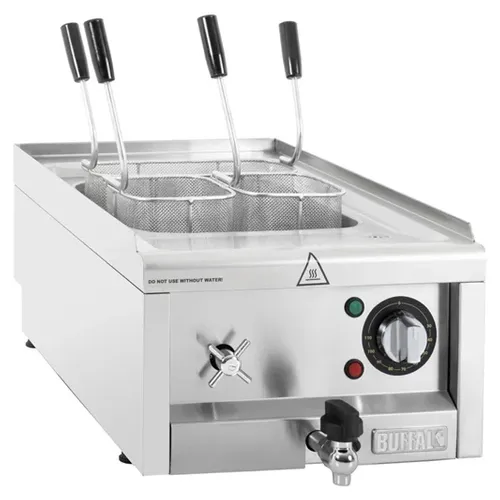
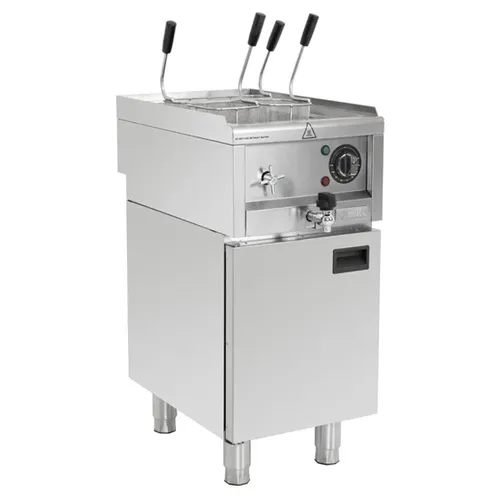

Showing all 12 results
Commercial Pasta Boilers for Fast, Consistent Pasta Cooking
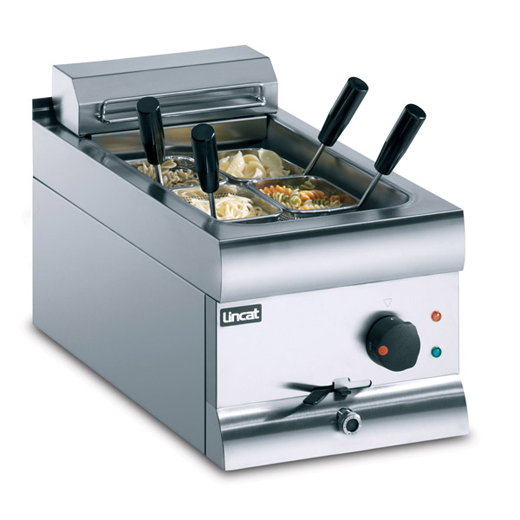
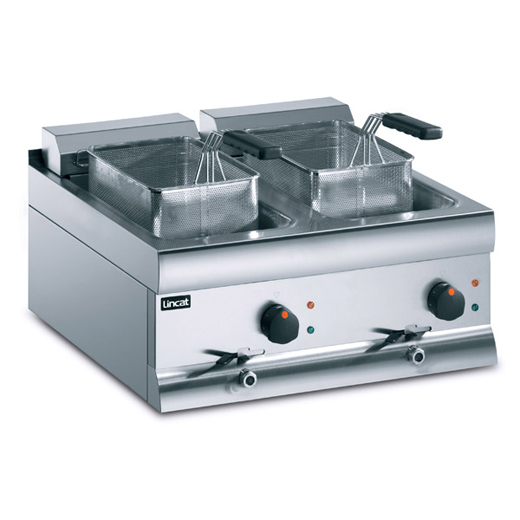
Commercial pasta boilers – also called pasta cookers – are purpose-built for cooking pasta fast, consistently and at volume. No improvised stockpots, no temperature guesswork, no hob ring tied up for the entire service. A fixed water volume held at a constant cooking temperature, perforated baskets for clean portioning, and rapid heat recovery between drops. Restaurants, hotel kitchens and contract catering operations running pasta at volume all use dedicated units – because a commercial pasta boiler produces a better, more consistent result than any workaround.
Ascot Wholesale stocks commercial pasta boilers in single and double tank configurations – countertop and freestanding electric models for Italian restaurants, hotel kitchens and contract catering operations. Trade pricing, reliable stock, UK delivery.
How to Choose a Commercial Pasta Boiler
- Tank size – A 15–20L single tank handles 40–60 covers per service. A 30–40L or double tank model suits 80+ covers or pasta-focused menus running multiple shapes simultaneously. Size to your peak service, not your average – an undersized tank creates a bottleneck at the pasta station.
- Single vs double tank – Single tank models suit most restaurant kitchens – one tank, multiple baskets, straightforward to manage. Double tank models give two independently controlled cooking zones: one for blanching, one for finishing to order, or two different pasta shapes running simultaneously. Double countertop models typically run 600–700mm wide – measure your pass before specifying.
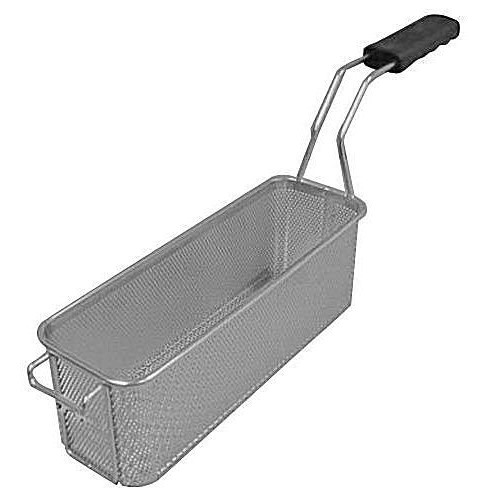
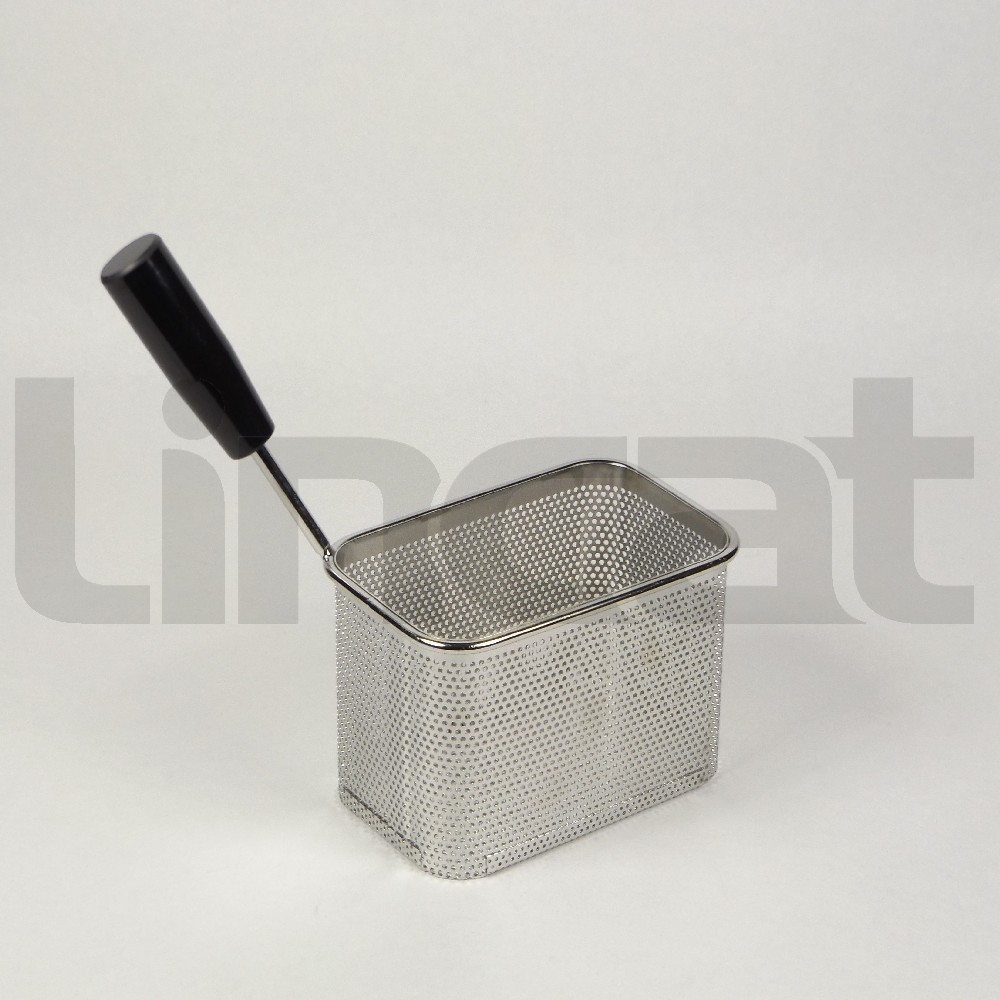
- Basket count and size – Most units run two to six portion baskets per tank. Smaller baskets give tighter portion control; larger baskets suit bulk cooking. Check that the basket count matches your portion system – a unit with two baskets running a 100-cover service creates a queue.
- Heat recovery – The time between basket drops is the key performance metric. Check the kW rating – higher output means faster recovery and a pasta station that keeps pace at peak. A low-wattage unit drops water temperature significantly after each drop and takes too long to recover on a busy service.
- Power supply – Most countertop electric pasta boilers run on a standard 13-amp supply. Larger models may require a 16-amp or 32-amp supply. Confirm your kitchen’s circuit capacity before ordering – a unit on an undersized supply trips the breaker mid-service.
Trade Insight
Heat recovery is the spec that decides whether your pasta station keeps pace. A pasta boiler that drops water temperature significantly after each basket drop and takes two minutes to recover creates a queue at peak service. Check the kW output on the spec sheet – not just the tank size. A higher-wattage unit on the right tank size keeps water temperature consistent through back-to-back drops and produces better pasta texture throughout the service.
Single tank with multiple baskets covers most restaurant operations. Running fresh tagliatelle and dried rigatoni simultaneously is straightforward on a single tank – different baskets, different drop times, one water temperature. A double tank is worth specifying when you need two genuinely different water temperatures simultaneously, or when throughput across a pasta-focused menu requires two fully independent cooking zones running in parallel.
“Pasta cooker” and “pasta boiler” are the same piece of equipment. Suppliers use both terms interchangeably – Lincat, Nisbets and KRD list the same units as “pasta cookers”; others use “pasta boilers.” When sourcing, search both terms to see the full market. The equipment is identical – a heated tank with perforated baskets for portion cooking.
Starch management is the maintenance task most operations underestimate. Pasta releases starch into the water continuously. Starch buildup makes water viscous, slows heat transfer and produces sticky, clumped pasta. Change the water at least once per service on high-volume operations – more frequently on a pasta-focused menu. Descale the tank weekly to prevent limescale buildup on the element, which reduces efficiency and shortens element life.
Why Buy from Ascot Wholesale
- Competitive trade pricing – across the full commercial pasta boiler and pasta cooker range.
- Single and double tank models – countertop and freestanding, sized for 40-cover restaurants to high-volume hotel kitchens.
- Electric models throughout – no Gas Safe engineer required, straightforward installation on standard or dedicated circuits.
- Free delivery on qualifying orders – across the UK mainland.
- Trade accounts for regular buyers – Italian restaurants, hotel kitchens and contract caterers placing ongoing orders.
- 25 years supplying UK hospitality – trade authority built on real commercial experience across restaurants, hotel kitchens and contract catering operations.
Browse our full Cooking Equipment range, or explore related categories: Boiling Tops and Hob Units.
Frequently Asked Questions
What is a commercial pasta boiler and how does it work?
A commercial pasta boiler holds a fixed volume of water at a constant cooking temperature using an electric element. Perforated portion baskets drop into the water, cook the pasta, then lift out cleanly – no draining, no stockpot juggling. The unit maintains water temperature between drops, giving consistent results across a full service.
What size pasta boiler do I need for my kitchen?
A 15–20L single tank handles 40–60 covers per service. A 30–40L or double tank model suits 80+ covers or pasta-focused menus. Size to your peak service hour – an undersized tank creates a bottleneck at the pasta station. Check basket count as well as tank size: a large tank with only two baskets limits throughput regardless of water volume.
What is the difference between a countertop and a freestanding pasta boiler?
Countertop pasta boilers suit smaller operations or kitchens with limited floor space – compact footprint, standard power supply in most cases. Freestanding models suit dedicated pasta stations in larger kitchens running high volume. Double tank countertop models run 600–700mm wide – measure your pass before specifying.
Do I need a special power supply for an electric pasta boiler?
Most countertop models run on a standard 13-amp supply. Larger single tank and double tank models may require a 16-amp or 32-amp dedicated circuit. Always check the power requirement on the spec sheet before ordering and confirm your circuit capacity with a qualified electrician – a unit on an undersized supply trips the breaker mid-service.
How do I manage starch buildup in a pasta boiler?
Change the water at least once per service on high-volume operations – more frequently on a pasta-focused menu. Starch buildup makes water viscous, slows heat transfer and produces sticky pasta. Descale the tank weekly to prevent limescale buildup on the heating element, which reduces efficiency and shortens element life significantly.
How do I clean and maintain a commercial electric pasta boiler?
Drain and rinse the tank after every service. Wipe down the exterior and baskets while still warm. Descale the tank and element weekly using a food-safe descaling solution – limescale on the element reduces heating efficiency and causes premature failure. Check the element and thermostat annually as part of a planned maintenance schedule.