
Up to 40% off
Glassware
Shop
Bar Accessories
Get 30% off
Tableware
Shop
Refrigeration
Save Up To 30%
Front of House
Shop
Kitchen Accessories
Shop
Catering Equipment
Shop
Cleaning
Get 30% off
Disposables
Category
- Catering Equipment Wholesale (23)
- Commercial Cooking Equipment (23)
- Fryers (4)
- Boiling Tops (4)
- Pasta Boilers (4)
- Solid Top Cookers (4)
- Sous Vide Water Baths (23)
- Commercial Cooking Equipment (23)
Brand
- Uropa (2)
- Instanta Water Boilers (4)
- Buffalo (2)
- Rational (4)
- Hamilton Beach (1)
- Sammic (4)
- Clifton (8)
Colour
- Silver (5)
Material
- Miscellaneous (1)
- Stainless Steel (5)
Product Type
- Sous Vides (10)
- Water Baths (7)
Warranty
- 1 Year (2)
- 2 Years (10)
Price
Min: £
Max: £
Sous Vide Water Baths
Showing 1–16 of 23 results
-
£ Call for Price
-
£ Call for Price
-
£ Call for Price
-
£ Call for Price
-
£148.49 Ex. VAT
-
£219.77 Ex. VAT
-
£1,359.99 Ex. VAT
-
£1,359.99 Ex. VAT
-
£699.99 Ex. VAT
-
£837.99 Ex. VAT
-
£1,287.75 Ex. VAT
-
£677.99 Ex. VAT
-
£631.99 Ex. VAT
-
£1,427.99 Ex. VAT
-
£302.25 Ex. VAT
-
£557.54 Ex. VAT

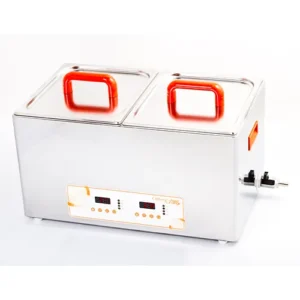
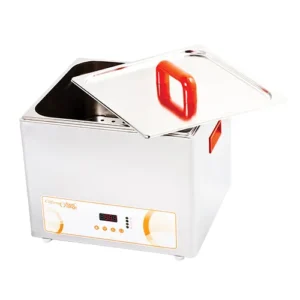
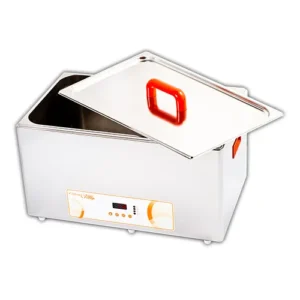
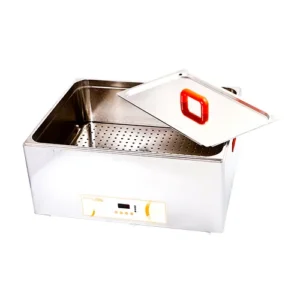
Showing 1–16 of 23 results
Water Baths for Sous Vide Precision Cooking and Consistent Results
A sous vide water bath holds proteins and vegetables at an exact temperature for hours without overcooking – steak stays pink inside, fish stays moist, vegetables hold their texture, every plate that leaves the pass is identical. Water bath cooking circulates heated water at 0.1°C accuracy, eliminating the temperature variation that causes inconsistent results on a conventional hob or oven. Used in fine dining, hotel kitchens and high-volume contract catering operations where consistency and yield matter.
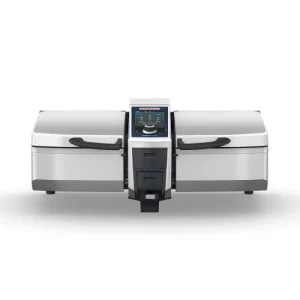
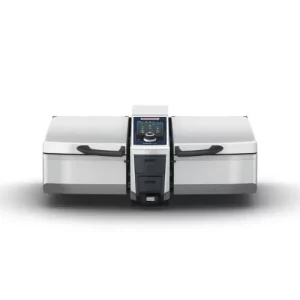
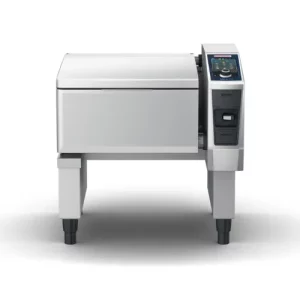
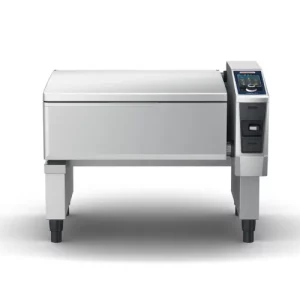
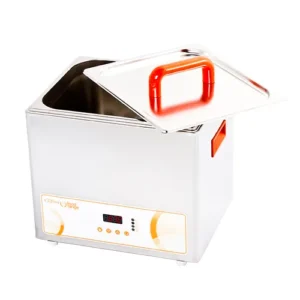
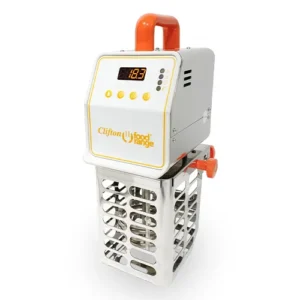
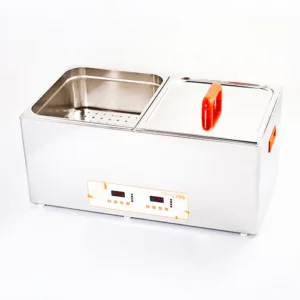
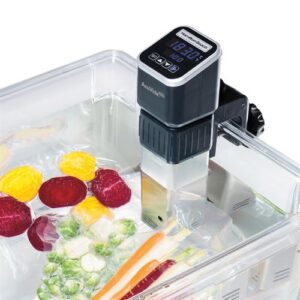
Ascot Wholesale stocks sous vide water baths from Clifton, Buffalo and Hamilton Beach – dedicated tank models and portable immersion circulators, 8L to 56L, for restaurants, hotel kitchens and contract catering operations. The Rational iVario multifunctional cooking system also covers sous vide alongside pressure cooking, frying and braising. Trade pricing, reliable stock, UK delivery.
How to Choose a Water Bath
- Immersion circulator vs dedicated tank – Immersion circulators clip to any container – a gastronorm pan or stock pot – and heat and circulate the water. Compact, flexible, lower upfront cost. Dedicated tank water baths are purpose-built units with integrated heating, circulation and insulation – more precise, purpose-built for professional kitchens, better for high-volume batch cooking.
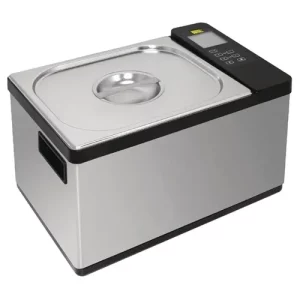
- Tank capacity – An 8L tank suits low-volume prep or a small restaurant running sous vide on one or two proteins. A 14L or 28L tank suits a restaurant running multiple proteins simultaneously. A 56L tank (Clifton Sous Vide Machine 56L) suits high-volume hotel kitchens and contract catering operations running large batch production.
- Stirred vs unstirred – Stirred (circulating) water baths maintain even temperature throughout the tank – essential for precise sous vide cooking. Unstirred models suit applications where gentle, even warming is needed but precise circulation is less critical. For sous vide protein cooking, always specify a stirred model.
- Temperature range and precision – Most commercial water baths run 30–95°C, covering sous vide cooking (55–65°C for proteins) through to holding at service temperature (75–80°C). Check the precision rating – 0.1°C accuracy is the standard for professional sous vide work.
- GN container compatibility – Dedicated tank water baths sized to GN dimensions let you drop vacuum-packed portions directly into standard GN containers, simplifying batch production and service. Check GN compatibility on the spec sheet before ordering.
Trade Insight
Water bath cooking is a yield and consistency tool, not just a technique. A chicken breast cooked sous vide at 65°C for 90 minutes loses significantly less moisture than one cooked conventionally – yield improves, portion cost drops, and every plate is identical. For a kitchen running 80+ covers per service on a protein-heavy menu, the consistency and yield gains from water bath cooking pay for the equipment within weeks.
Immersion circulators suit experimental menus and low-volume prep; dedicated tanks suit production kitchens. An immersion circulator clipped to a stock pot is flexible and cheap – the right tool for a chef testing a new dish or a small restaurant running sous vide on one protein. A dedicated Clifton tank is purpose-built for production: insulated, consistent, built for back-to-back batch cooking across a full service. For any kitchen running sous vide at volume, a dedicated tank is the right investment.
Food safety compliance is non-negotiable on sous vide. Sous vide cooking at low temperatures requires strict HACCP compliance – time and temperature records for every batch, correct vacuum sealing, rapid chilling after cooking, and correct holding temperatures at service. The FSA and HSE publish guidance on sous vide HACCP requirements. A kitchen running sous vide without documented time-temperature records is operating outside food safety compliance.
The Rational iVario covers sous vide alongside four other cooking methods. For a kitchen that wants sous vide capability without a dedicated water bath taking up counter space, the iVario pressure cooks, fries, boils, braises and sous vides in a single unit. Higher capital cost than a standalone Clifton water bath, but replaces multiple pieces of kit. For a high-volume contract catering or hotel kitchen running a varied menu, the iVario is worth specifying.
Why Buy from Ascot Wholesale
- Competitive trade pricing – across the full sous vide water bath and immersion circulator range.
- Trusted brands – Clifton, Buffalo, Hamilton Beach and Rational, used daily in real UK restaurant and hotel kitchen operations.
- Dedicated tanks and portable circulators – 8L to 56L, stirred and unstirred, for every kitchen volume.
- Free delivery on qualifying orders – across the UK mainland.
- Trade accounts for regular buyers – restaurants, hotels and contract caterers placing ongoing orders.
- 25 years supplying UK hospitality – trade authority built on real commercial experience across fine dining, hotel kitchens and contract catering operations.
Browse our full Cooking Equipment range, or explore related categories: Commercial Ovens and Commercial Hob Units.
Frequently Asked Questions
What is sous vide cooking and why use a water bath?
Sous vide cooking seals food in a vacuum bag and cooks it in a water bath held at a precise temperature for a set time. The water bath maintains temperature to 0.1°C accuracy, eliminating the overcooking that happens with conventional methods. Results are consistent, yield is higher and every plate is identical – the reason professional kitchens use it for proteins, vegetables and eggs.
Do I need an immersion circulator or a dedicated tank water bath?
An immersion circulator clips to any container and suits low-volume prep or experimental menus. A dedicated tank water bath is purpose-built with integrated heating, circulation and insulation – more consistent, better for high-volume batch cooking, and easier to manage across a full service. For any kitchen running sous vide at volume, a dedicated tank is the right investment.
What temperature and time do I use for different proteins?
Chicken breast: 65°C for 90 minutes minimum. Beef steak (medium rare): 55–57°C for 1–4 hours depending on thickness. Salmon: 52°C for 15–30 minutes. Pork loin: 62°C for 1–4 hours. These are starting points – always validate against your HACCP plan and the FSA sous vide guidance for your specific product and thickness.
Is sous vide compliant with UK food safety and HACCP requirements?
Yes, when operated correctly. Sous vide requires documented time-temperature records for every batch, correct vacuum sealing, rapid chilling after cooking (if not serving immediately), and correct holding temperatures at service. The FSA and HSE publish specific guidance on sous vide HACCP requirements. A kitchen running sous vide without documented records is operating outside food safety compliance.
How long can I hold finished sous vide items at service temperature?
Hot-held sous vide items must be held at 63°C or above under UK food safety regulations. Items can be held below 63°C for a maximum of two hours before reheating, chilling or discarding. Never re-chill and re-serve an item that has been held at service temperature – document hold times as part of your HACCP records.
What size water bath do I need for my kitchen?
An 8L tank suits low-volume prep or a small restaurant running sous vide on one or two proteins. A 14–28L tank suits a restaurant running multiple proteins simultaneously. A 56L tank suits high-volume hotel kitchens and contract catering operations running large batch production. Match capacity to your peak batch size, not your average – an undersized tank creates a bottleneck at the prep stage.