





Make sure your maintenance checklist for kitchen equipment includes cleaning, inspections and calibration. Daily tasks are cleaning cooking surfaces and checking fridge seals. Weekly, check hoses and calibrate thermostats.
Do professional servicing quarterly and annually for thorough safety checks. Keep records of maintenance, unusual noises or energy inefficiencies. Assign to staff and use digital tools for task tracking. Keep improving your maintenance to keep the equipment’s long-term performance and safety.
Summary
- Regularly inspect and clean all catering equipment to prevent buildup and ensure efficiency.
- Calibrate thermostats and check electrical and gas connections for safety and accuracy.
- Schedule professional servicing for comprehensive safety assessments and specialised repairs.
- Maintain detailed records of maintenance tasks, repairs, and performance metrics.
- Assign maintenance responsibilities to staff and use digital tools for scheduling and tracking.
Importance of Routine Maintenance for Catering Equipment
When it comes to your catering equipment, routine maintenance is more than just good practice – it’s essential. Routine maintenance, including preventative maintenance and scheduled inspections, is key to preventing breakdowns and costly repairs.
By addressing wear and tear early, you can extend the life of the equipment. Regular deep cleaning means your appliances will run at peak efficiency, saving energy and reducing utility bills.
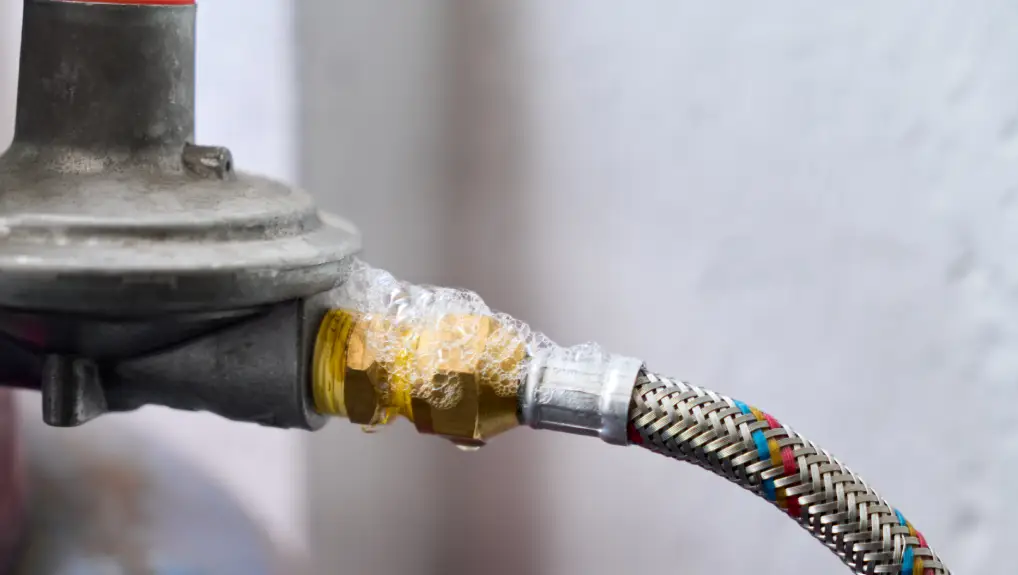
Regular maintenance helps spot potential hazards like gas leaks or electrical faults before they become accidents. And of course, adhering to a maintenance routine means you comply with health and safety standards for staff and customers. Finally, consider professional servicing to make sure everything is shipshape.
Daily Maintenance Tasks for Essential Equipment
To keep your kitchen running smoothly and safely, you need to include daily tasks in your routine. Start by wiping down all cooking surfaces with a degreaser to prevent grease build-up.
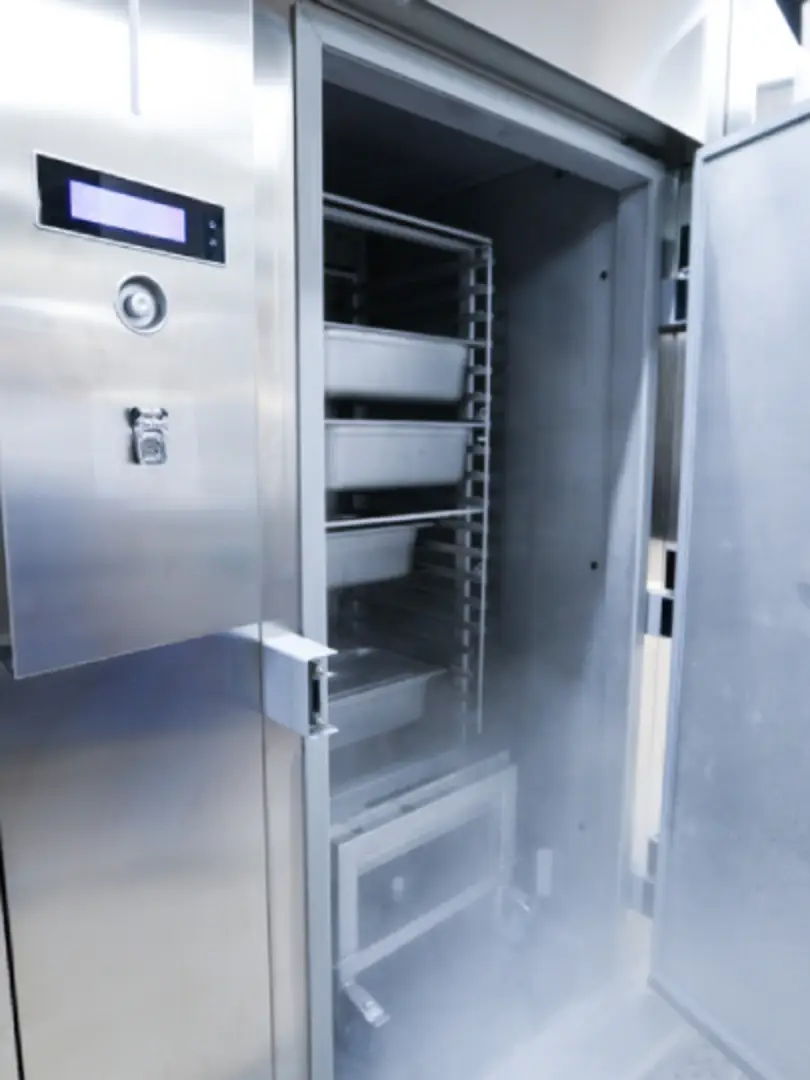
Check the fridge and freezer door seals for damage to ensure they are maintaining the correct temperature. Also, monitor appliance temperatures daily and record them to ensure they are within safe ranges for food safety.
Cleaning Cooking Surfaces
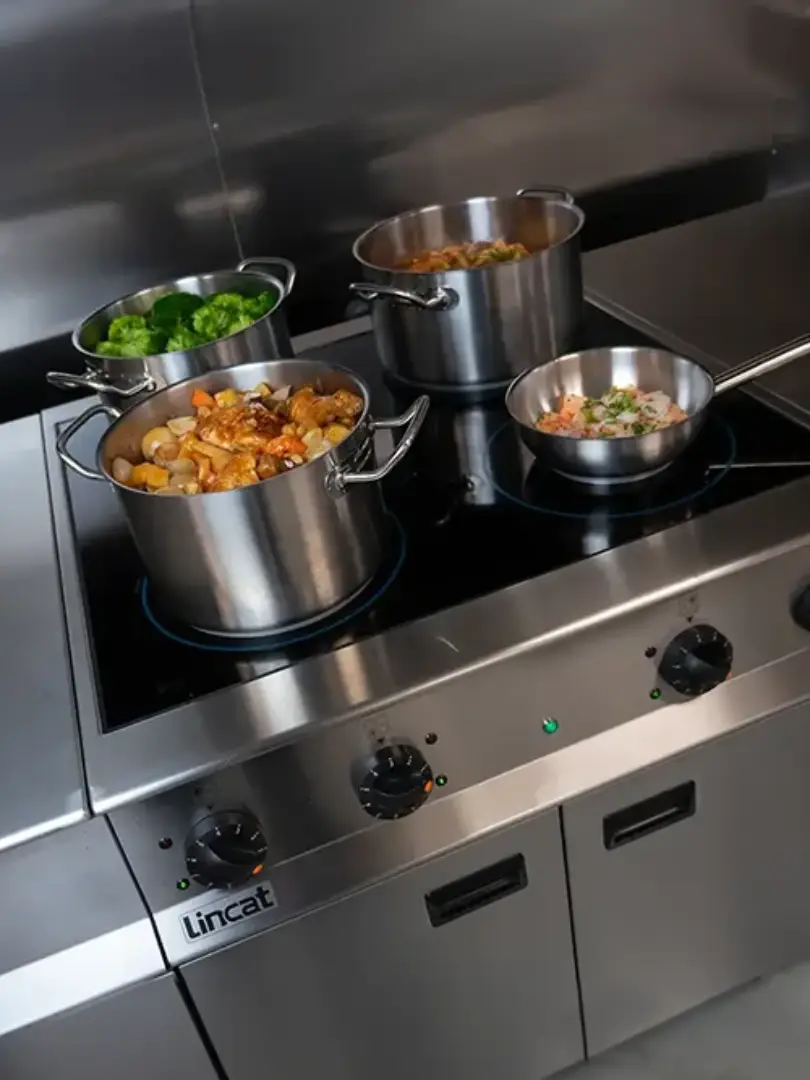
Although it may seem like a boring task, daily cleaning of cooking surfaces is crucial for safety and food quality in your kitchen. Grease build-up on griddles, stovetops and ovens can cause fires and affect the taste of food. Use the right degreasers and scrapers to remove food residue without damaging your equipment.
Wipe down these surfaces with damp cloths, then sanitise to keep them hygienic and compliant with health standards. Regularly inspect cooking surfaces for wear and tear, cracks or discolouration as these may need maintenance or replacement.
Removing spills and debris daily helps maintain heat transfer and energy efficiency. Consistent cleaning is key to your kitchen’s success.
Inspecting Door Seals
As you go about your daily kitchen routines, don’t forget to inspect door seals on your essential equipment. Start by checking door seals for cracks, tears or loss of elasticity. This ensures they remain airtight, which is vital for temperature control.
Clean the gaskets with a damp cloth to remove debris and prevent mould buildup. Make sure the seals are aligned and seated evenly. If you find any damage or worn-out sections, replace the gasket immediately. Regular maintenance of seal integrity prevents energy loss and keeps food safe.
Test the door closure often to ensure the gasket forms a good seal, reducing unnecessary energy consumption and potential spoilage.
Monitoring Temperature Levels
Keep an eye on temperature levels in your kitchen’s essential equipment for food safety and energy efficiency. Start by regularly checking your fridge and freezer temperature logs to ensure they are within the recommended ranges.
Use a calibrated thermometer to verify the temperature gauges are accurate. Adjust the temperature controls if needed. Record temperature readings at least twice daily to ensure temperature consistency and catch any temperature fluctuations early.
Inspect door seals daily to prevent cold air leaks which can cause fluctuations and increase energy use. Wipe interior surfaces with mild detergent to prevent frost buildup and preserve cooling efficiency.
Consistent temperature monitoring means your equipment will run efficiently and safely.
Weekly Equipment Inspection and Cleaning Protocols
When you do your weekly equipment inspections, focus on thorough cleaning procedures, equipment performance checks and safety and efficiency tests.
Start by checking door seals on refrigeration units, cleaning condenser coils and inspecting for leaks or unusual noises to catch issues early. Don’t forget to remove and clean dishwasher filter screens and spray arms, and lubricate moving parts to keep everything running smoothly and efficiently.
Thorough Cleaning Procedures
To keep your kitchen running smoothly, you need to implement a detailed weekly cleaning routine for your catering equipment. Start by including a consistent cleaning schedule to prevent food debris and buildup on exterior surfaces. Regular inspections are key to identifying maintenance tasks early.
Here’s your checklist:
- Descaling dishwashers: Clean spray arms and inspect hoses for leaks to ensure effective cleaning.
- Vacuum refrigeration coils: Clean condenser units.
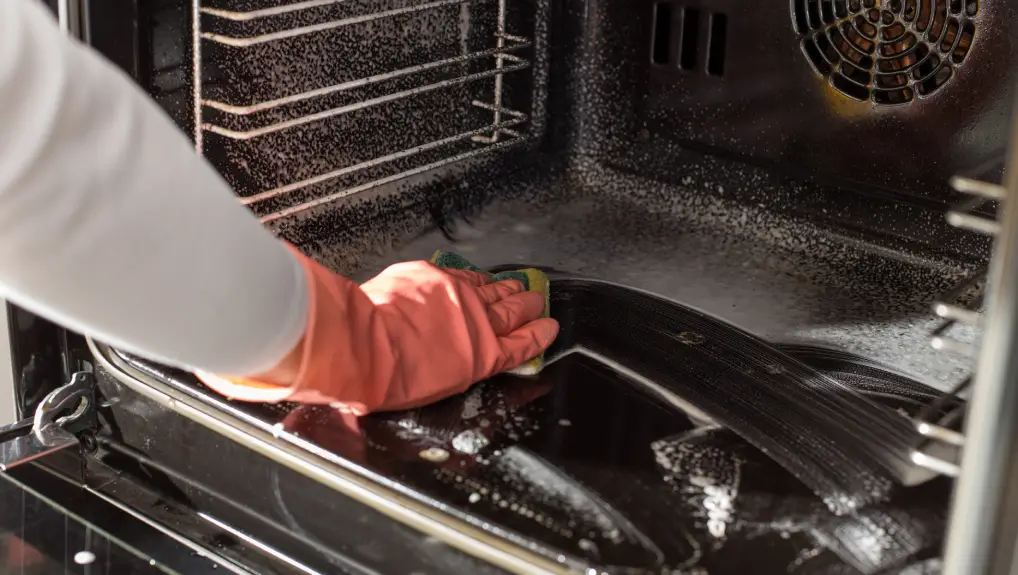
- Deep clean ovens: Focus on racks, filters and fan blades to prevent grease buildup.
- Disassemble food prep equipment: Clean slicers and mixers thoroughly, check for wear or damage.
Regular professional maintenance will extend the life of your equipment and keep your kitchen running smoothly and reliably.
Equipment Performance Checks
Often overlooked, equipment performance checks are key to your kitchen running smoothly and safely. Start with weekly checks of cooking and refrigeration equipment, and check for wear and damage.
Check hoses and electrical components for integrity and refrigerant levels for cooling efficiency. Clean and sanitise surfaces such as burners, grills and refrigeration coils for optimal performance. Don’t forget to test electrical and gas connections and fix any issues immediately.
Calibrate thermostats and verify temperature controls to stay within recommended ranges. Also inspect and replace gaskets to prevent leaks and maintain efficiency.
These proactive steps will extend the life of your equipment, reduce costly repairs and keep your kitchen safe and productive.
Safety and Efficiency Tests
A weekly inspection schedule is essential to ensure the safety and efficiency of your catering equipment. Conduct full safety inspections, test gas leak detectors and ensure emergency shut-off valves work. Efficiency checks involve calibrating thermostats on ovens, fridges and freezers to maintain precise temperature.
Address fire hazards by cleaning and inspecting ventilation filters and exhaust hoods, and preventing grease buildup. Don’t forget visual inspections for wear and damage on wiring and seals.
Follow this checklist:
- Test gas leak detectors to ensure emergency shut-off valves are operational.
- Calibrate thermostats for temperature accuracy.
- Clean ventilation filters and exhaust hoods to reduce fire risks.
- Inspect wiring and seals for corrosion or damage.
These are crucial for safe and efficient operations.
Quarterly and Annual Professional Servicing Requirements
When it comes to keeping your catering equipment in top condition, you need to understand the quarterly and annual professional servicing requirements. Quarterly professional servicing should focus on full inspections to ensure electrical wiring, gas lines, and safety systems meet safety standards. This is key to equipment maintenance.
Annual servicing involves deep cleaning and descaling of ovens, dishwashers and refrigeration units to improve efficiency and prevent scale build-up. Certified technicians must calibrate temperature controls and pressure settings annually to meet food safety standards.
Annual inspections also require testing and certification of gas appliances to ensure they are leak-free and working correctly. Regular professional servicing identifies early signs of wear or damage, allowing for timely repairs and extending the life of your equipment.
Steps for Creating an Effective Maintenance Schedule
Now that you understand the importance of regular professional servicing for your catering equipment, it’s time to create a maintenance schedule.
Start by identifying all equipment that needs regular inspection and cleaning. Identify all catering equipment that needs regular inspection and cleaning to create a maintenance schedule. Categorise tasks into daily, weekly, monthly and annual frequencies.
Here’s how to do a preventative approach:
- Consult the manufacturer’s guidelines to find specific intervals and procedures.
- Assign each task to a specific staff member, so they are accountable.
- Use digital tools, such as calendars or software, to schedule and track tasks.
- Review and update the plan regularly.
This will minimise issues, optimise equipment performance and extend the life of your investment. Be consistent and proactive!
Identifying and Addressing Immediate Repair Needs
In the busy world of a catering kitchen, identifying and fixing immediate repairs is key to keeping the workflow smooth. Listen for unusual noises, such as grinding or buzzing, which often mean worn bearings or misaligned parts need to be repaired.
Watch for inconsistent temperatures in fridges or ovens; this may mean a faulty thermostat. Gas appliances with a gas smell or flickering pilot lights are a serious safety hazard and need to be repaired urgently. Look for signs of damage, such as water leaks, corrosion or electrical sparks; these can be safety risks.
Equipment halts or sudden breakdowns during peak service times clearly mean urgent repairs are needed to keep your kitchen running efficiently. Fix these ASAP for safety and efficiency.

Best Practices for Cleaning and Sanitising Equipment
To maintain the highest level of hygiene in your catering kitchen, you need to follow best practices for cleaning and sanitising equipment. Use manufacturer-approved cleaning agents to clean equipment surfaces.
Here’s a quick guide:
- Daily cleaning and sanitising: Clean all food contact surfaces daily to prevent cross-contamination.
- Disassemble removable parts: Take apart nozzles, blades and trays for thorough cleaning and sanitising.
- Schedule deep cleaning: Include hard-to-reach areas, such as vents and fans, in a scheduled deep cleaning to remove debris and grime.
- Prevent bacterial growth: Clean and dry equipment after each use to stop mould and bacterial growth.
Monitoring and Recording Equipment Performance
When it comes to keeping your catering equipment in top shape, monitoring and recording its performance is crucial. Start by documenting temperatures, pressures and operational hours regularly. These maintenance logs will help you spot trends and potential issues early. Use them to record performance metrics, repairs and calibration results, so your equipment stays within spec.
Monitor energy consumption to find inefficiencies which may indicate mechanical problems. Note any unusual noises or vibrations during daily checks for timely troubleshooting. Keep detailed equipment records so you can reference and make decisions quickly.
Whether you use traditional logs or digital systems, stay organised. Reliable records will keep your equipment running at its best, safe and efficient in your catering operations.
The Role of Professional Technicians in Maintenance
While maintaining your catering equipment is important for smooth operations, the role of technicians can’t be overstated. Their expertise and diagnostic skills will find issues that may not show up in regular inspections.
Here’s why you should value their expertise:
- Specialised Tools: Technicians use specialist equipment, such as leak detectors and testers, for precise repairs and system calibrations.
- Scheduled Servicing: Regular maintenance by certified professionals will keep you safe and extend the life of the equipment.
- In-depth Tasks: Tasks like refrigerant recharging and electrical system troubleshooting are expertly handled, preventing costly failures.
- Efficiency and Compliance: Engaging these professionals will mean efficient repairs, less downtime, and you’ll be compliant with safety standards.
Use the expertise of technicians to keep your catering equipment running smoothly and efficiently.
Tips for Extending Equipment Lifespan and Efficiency
To keep your catering equipment longer and more efficient, stick to a regular inspection schedule. By fixing issues promptly, you prevent minor problems from becoming major issues that can lead to costly breakdowns. This proactive approach will save you money and ensure your equipment always performs at its best.
Regular Inspection Schedule
A regular inspection schedule is key to keeping your catering equipment running smoothly and extending its life. Routine checks will help you catch issues early, before breakdowns and costly repairs.
Here’s what to focus on:
- Wear and Tear: Inspect components like belts, hoses and electrical connections regularly to spot wear and tear early.
- Performance: Schedule checks every 3-6 months for essential parts like gaskets, burners and thermostats.
- Record Results: Keep a detailed record of inspection results to track performance trends and plan maintenance.
- Follow Guidelines: Include manufacturer-recommended maintenance intervals in your schedule to maximise life.
Preventative inspections will not only ensure equipment efficiency but also reduce energy consumption and operational costs.
Prompt Repairs Priority
When equipment fails, acting fast is key to prevent further damage and costly repairs. Address issues promptly by prioritising repairs as part of your maintenance schedule. Schedule inspections regularly to catch minor faults like loose wiring or worn gaskets to maintain optimal performance.
Prioritise critical components like gas lines and electrical systems to ensure safety and operational continuity. By fixing these issues quickly, you can extend equipment life by up to 50%. Use professional repair services to reduce downtime by 25% and get equipment running efficiently.

Last Orders
By following a maintenance checklist, you’ll keep your catering equipment in top shape, efficient and longer. Daily tasks and regular inspections will prevent minor issues from becoming costly repairs.
Scheduling professional servicing and best practice cleaning is essential. Monitoring performance will help you identify opportunities to improve. With these tips you’ll have a functioning kitchen, less downtime and consistent service to your customers. Always maintain to protect your investment.