





To fix catering equipment problems, clean filters and components, such as oven thermostats, refrigeration coils, and dishwasher spray arms. Address overheating by ensuring airflow is clear and replacing worn or faulty parts promptly.
If equipment fails, turn off the power, do a visual inspection and have backup solutions ready. Document inspections and repairs to ensure equipment is consistent and reliable.
Stay proactive in maintenance to minimise downtime and learn the common catering equipment issues and fixes how to keep your kitchen running smoothly with more tips below.
Summary
- Clean filters and coils regularly to prevent airflow issues and overheating in commercial ovens and refrigeration systems.
- Inspect and replace faulty thermostats and door seals to maintain consistent heating and cooling.
- Clean dishwasher filters, spray arms and nozzles frequently to prevent blockages and ensure effective cleaning.
- Drain and filter oil in deep fat fryers regularly to prevent grease buildup and improve heating.
- Conduct regular inspections to detect unusual noises, electrical faults, and leaks, and promptly address equipment failures.
Commercial Oven Issues
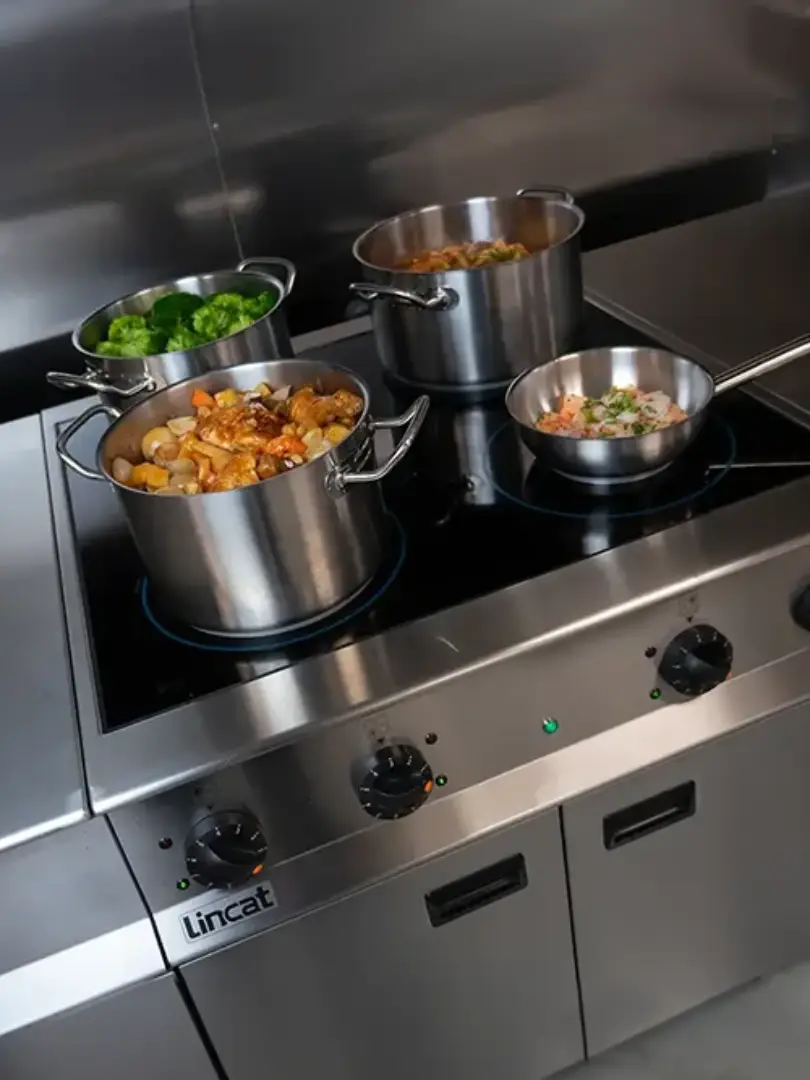
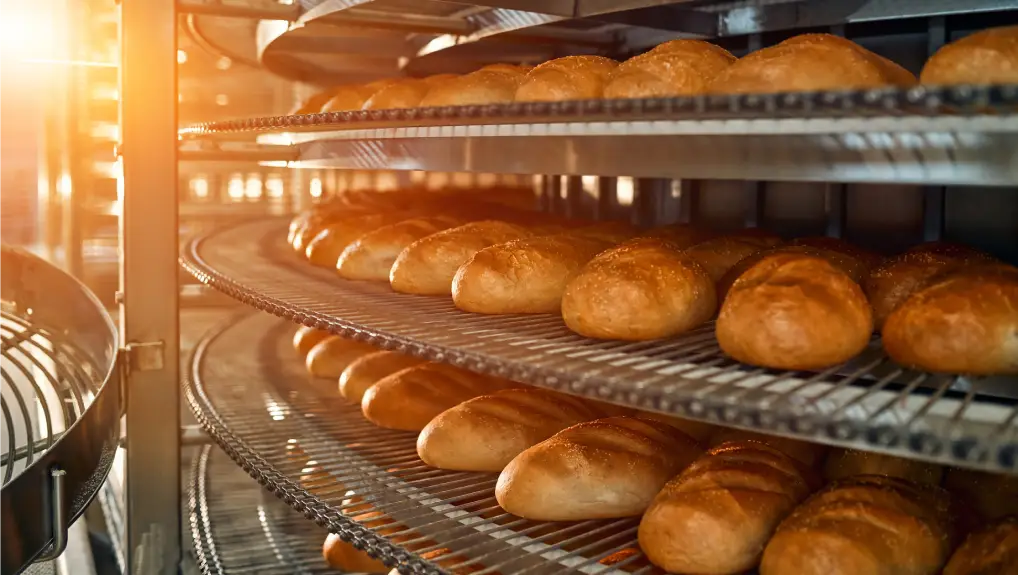
When it comes to commercial oven issues, overheating is a common problem that can stop you in your tracks. Oven overheating is usually caused by blocked filters, which restrict airflow and cause temperature fluctuations. Clean your filters every 2 months. Dirty filters are not just a nuisance; they can also make the equipment less efficient.
Additionally, uneven heating can be caused by calibration issues or faulty thermostats, which can impact temperature control and cooking consistency. Regularly inspect door seals as they can deteriorate and cause heat loss. This affects cooking and energy consumption.
Refrigeration System Problems
How do you keep your refrigeration system running smoothly without hiccups? Start with maintenance.
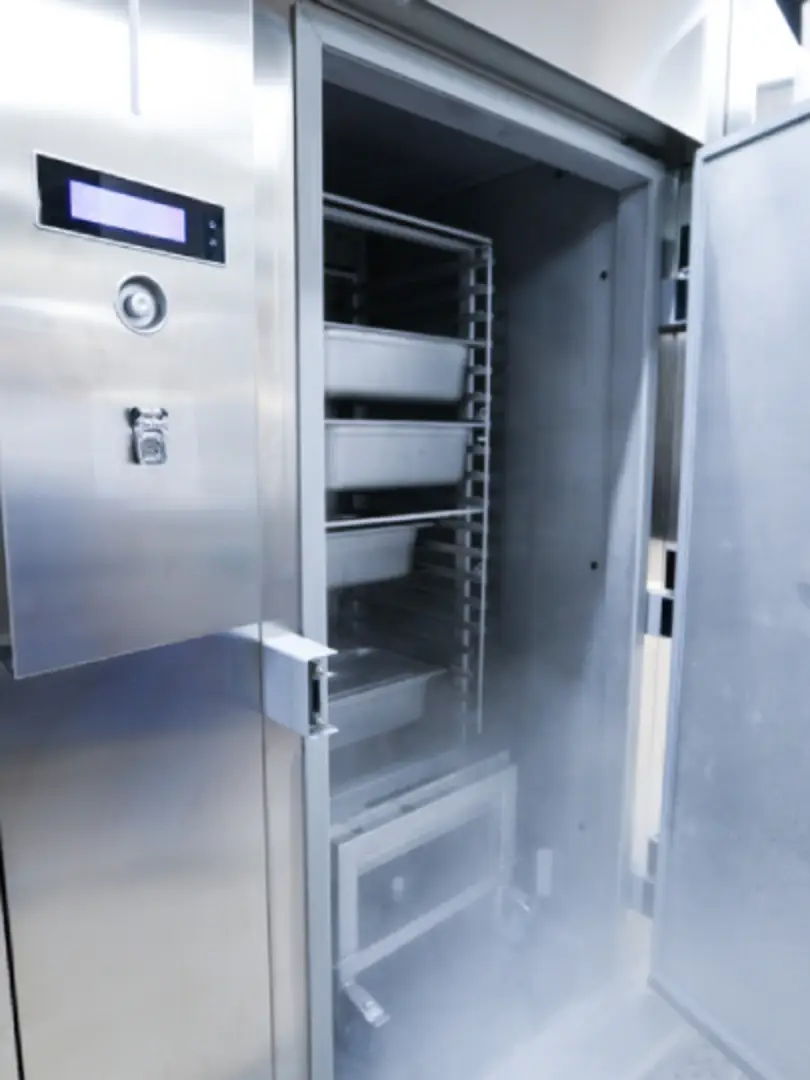
Dirty condenser and evaporator coils can cause reduced airflow, leading to overheating and temperature fluctuations in your refrigeration unit. Clean these coils every 2 months with a brush or vacuum. This simple task prevents overheating and system failure. Also, inspect door gaskets.
Faulty seals allow warm air in and increase the compressor’s workload and risk of spoilage. Regularly check refrigerant levels and ensure good airflow to maintain temperatures.Failing to follow these steps can result in compressor failure or leaks, which can be costly to repair.
Commercial Dishwasher Failures.
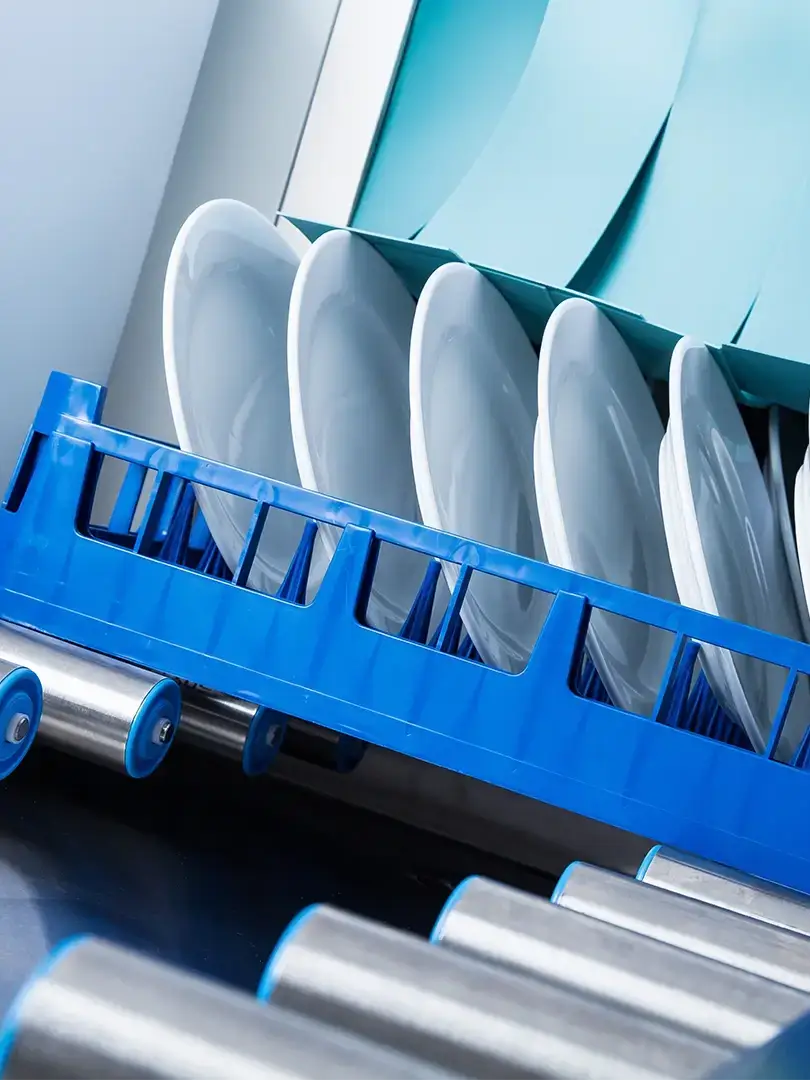
Even the toughest commercial dishwashers can fail to clean. Blocked filters and faulty spray arms are common culprits that affect your cleaning results. Maintenance is key; inspect and clean filters, spray arms and nozzles regularly to prevent blockages.
Using the wrong detergent or not enough can also affect cleaning, so check usage. Water temperature issues and electrical faults are more complex problems that require professional diagnosis and repair.
Regular maintenance checks, such as checking for leaks and ensuring good water flow, will help keep your dishwasher running smoothly. Resolve these issues promptly to prevent downtime and ensure peak performance, so your dishes come out spotless every time.
Deep Fat Fryer Maintenance Problems
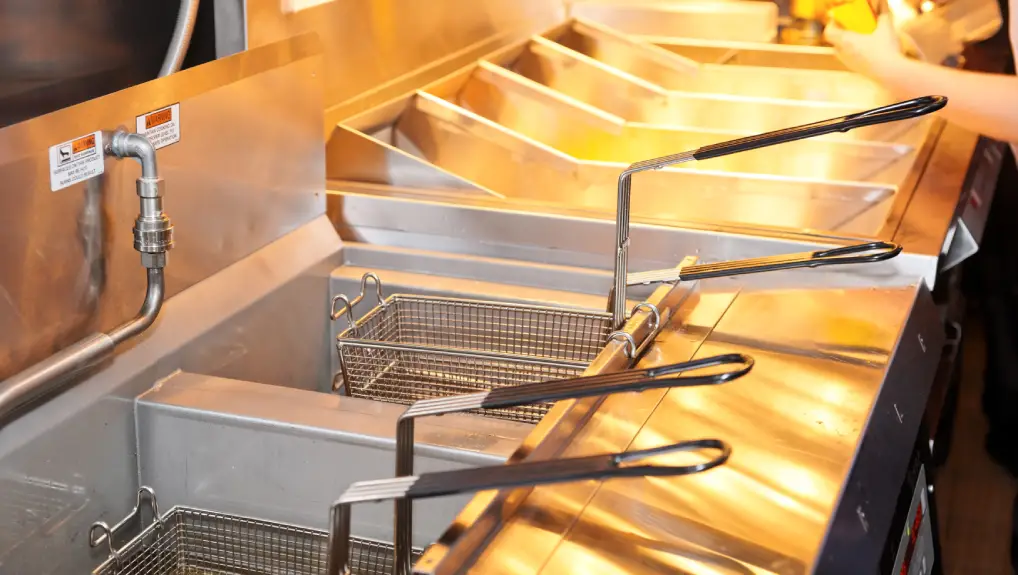
Maintaining deep fat fryers isn’t the most glamorous task, but it’s essential for safety and performance. Regular maintenance addresses issues such as grease buildup, which can impact heating efficiency and increase fire risk.
Maintaining deep fat fryers is essential for both safety and performance, as it addresses grease buildup and reduces fire risk. Follow the manufacturer’s instructions for bi-monthly inspections and annual performance testing, which should be done after 5 years of operation. This will keep your fryer running smoothly and safely.
Check and replace worn or damaged heating elements, thermostats and safety devices to prevent failures. Regularly draining and filtering oil not only extends the life of the fryer but also improves food quality.
Professional servicing is recommended to identify internal corrosion and electrical faults to ensure compliance with safety standards. Keeping up with these tasks will keep your deep-fat fryer running efficiently and safely.
Importance of Regular Filter Cleaning
Regularly cleaning your filters is key to preventing overheating risks in commercial ovens and refrigeration units. Dirty filters restrict airflow, reduce equipment efficiency and cause higher energy consumption and breakdowns.
Prevent Overheating Risks
To prevent overheating risks in your kitchen equipment, focus on regularly cleaning the filters. Filters play a big role in maintaining proper airflow and preventing your commercial equipment from overheating. When dust, dirt and grease accumulate, they block airflow and raise temperatures. Consistency is key.
Here’s a simple plan to keep your equipment in top shape:
- Inspect filters bi-weekly or monthly: Regular checks prevent overheating and ensure equipment efficiency.
- Clean filters as needed to remove blockages and maintain good airflow, thereby reducing overheating risks.* Be aware: Monitor temperature fluctuations, as it may mean overdue maintenance.
- Extend equipment life: Proper filter care reduces overheating and costly repairs.
Remember these tips for kitchen safety and efficiency.
Improve Equipment Efficiency
As you prevent overheating in your kitchen equipment, it’s also important to improve equipment efficiency through filter cleaning. By keeping filters free from dust, dirt and grease, you prevent blockages that cause unnecessary overheating in commercial ovens and refrigeration units.
Clean filters ensure good airflow and your equipment runs efficiently at ideal temperatures. If you neglect this maintenance, expect higher energy consumption and higher utility bills due to restricted airflow.
Manufacturers recommend bi-weekly or monthly cleaning routines to prevent equipment failure and extend its life. Maintenance doesn’t just boost efficiency, it also minimises costly repairs by reducing overheating and mechanical failures.
Filter cleaning is a simple yet vital task for your equipment.
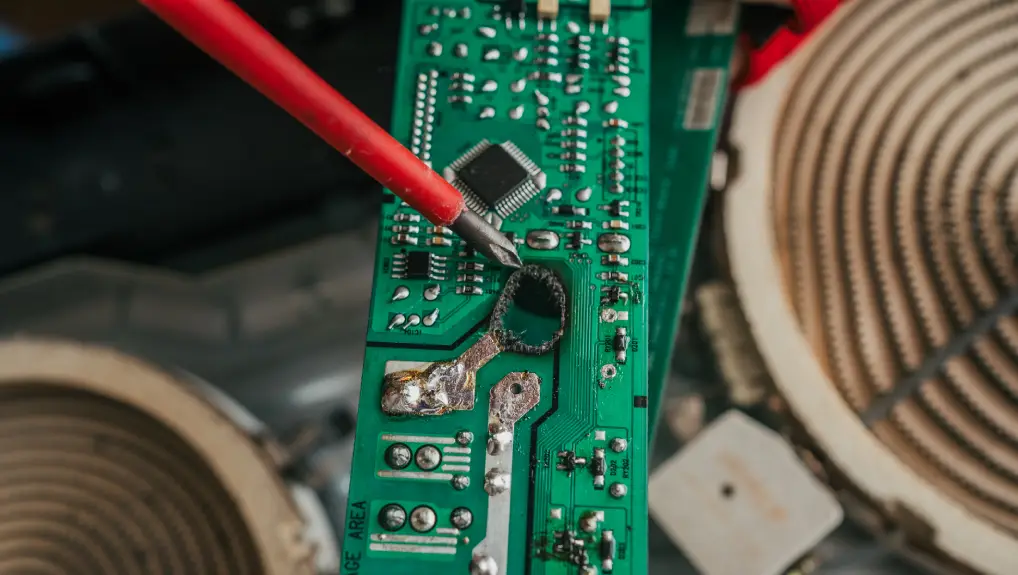
How to Prevent Overheating
- Clean and replace filters regularly: Keep oven and ventilation system filters free from grease to prevent overheating. Consistency is key.
- Bi-monthly coil cleaning: Clean condenser and evaporator coils on refrigeration units bi-monthly to reduce overheating risks and maintain performance.
- Don’t block air vents: Ensure air vents are clear to allow free circulation, which helps keep equipment cool during extended use.
- Schedule regular inspections: Inspect ventilation systems for grease or dust buildup to ensure efficient heat dissipation and prevent overheating issues.
Equipment Faults in Food Preparation
When your kitchen output starts to drop, it’s time to suspect equipment faults. Look for signs such as inconsistent results, which may mean worn blades or misaligned parts.
Equipment problems like motor overheating or gear jams will lead to breakdowns. Electrical faults, like flickering controls, mean faulty wiring. Leaks or odd noises mean worn seals or blockages.
Regular inspection and maintenance can help identify these problems early to prevent bigger issues.
| Symptom | Possible Cause | Action Needed |
|---|---|---|
| Inconsistent Output | Worn Blades/Misalignment | Inspect and Replace |
| Motor Overheating | Mechanical Failure | Cool and Repair |
| Flickering Controls | Electrical Fault | Check Wiring |
| Unusual Sounds | Loose Parts/Blockages | Tighten/Clean |
Be aware and keep your kitchen running.
Emergency Repair Procedures
In the event of equipment failure, disconnect power immediately to prevent damage and ensure safety. Once safe, do a quick visual inspection of your commercial kitchen. Look for obvious issues like leaks, broken parts or electrical faults.
Disconnect power during equipment failure to prevent damage and ensure safety. Do a quick visual inspection. Document your findings for troubleshooting and emergency repair communication.
Next, contact a certified maintenance service and provide them with details of the fault. This helps the technician to troubleshoot and fix the problem. Meanwhile, have a backup plan in place to continue operation.
Here’s a quick checklist:
- Disconnect power immediately.
- Do a thorough visual inspection.
- Contact certified maintenance services.
- Implement a backup plan or alternative equipment to ensure continuity of operations.
These will keep your kitchen running.
Maintenance Record Keeping
After fixing equipment failures, keeping accurate and up-to-date records becomes your next priority. Keeping records helps you identify recurring equipment issues and plan preventative maintenance. These records are important for warranty claims and safety compliance. They also help you monitor equipment performance so you can schedule maintenance and avoid future problems.
Documentation helps staff training, a history of issues and troubleshooting steps. With organised records, communication with technicians and suppliers is efficient, resulting in less downtime.
Here’s a simple table to guide your record keeping:
| Record Type | Purpose |
|---|---|
| Inspections | Identify recurring issues |
| Repairs | Warranty claims |
| Part Replacements | Compliance and safety |
| Performance Trends | Preventative maintenance |
Last Orders
In catering, understanding common equipment failures like oven or refrigeration issues is key. Regular maintenance, including filter cleaning and record keeping, prevents failures and costly repairs.
Recognise signs of overheating or faults in food prep tools and act fast. Have emergency repair procedures in place to minimise downtime.
By being informed and proactive, you’ll keep your equipment running, save time and money and maintain high service standards.