



To calculate disposable supplies for significant events, analyse guest count and past usage patterns. Consider that the menu-buffets need more plates, and the service style affects quantities.
Make a detailed inventory list and communicate with suppliers early to ensure timely delivery. Monitor usage in real-time during the event for accurate future estimates.
Following these steps helps prevent shortages, estimating bulk catering disposables and follow along.
Summary
- Analyse past guest count data to estimate average disposable item usage per attendee.
- Account for menu complexity and service style to adjust disposable supply requirements.
- Add a 10-15% buffer to supply calculations to avoid shortages or overstocking.
- Coordinate with suppliers early to ensure delivery aligns with event timelines.
- Monitor real-time usage during the event to refine future supply estimates.

Analysing Guest Count and Consumption Patterns
When planning a big event, the number of supplies you’ll need starts with analysing your guest count and their consumption patterns. Begin by reviewing past data to determine the average consumption rates per guest for disposable items, like plates, cups and cutlery. This historical data helps with accurate supply calculations.
Multiply the expected guest count by these average usage figures to calculate total disposables required. Consider dietary preferences or event activities that may increase consumption rates. Also, identify peak times during your event for potential order adjustments to ensure enough supplies without excess.
By using guest estimates and past consumption patterns, you can plan and avoid both shortages and overstock, ensuring a smooth event.
Accounting for Menu and Service Style
Choosing the right menu and service style is key to determining the number of disposables you’ll need for your event.
“The menu and service style are crucial for estimating disposables for your event.”
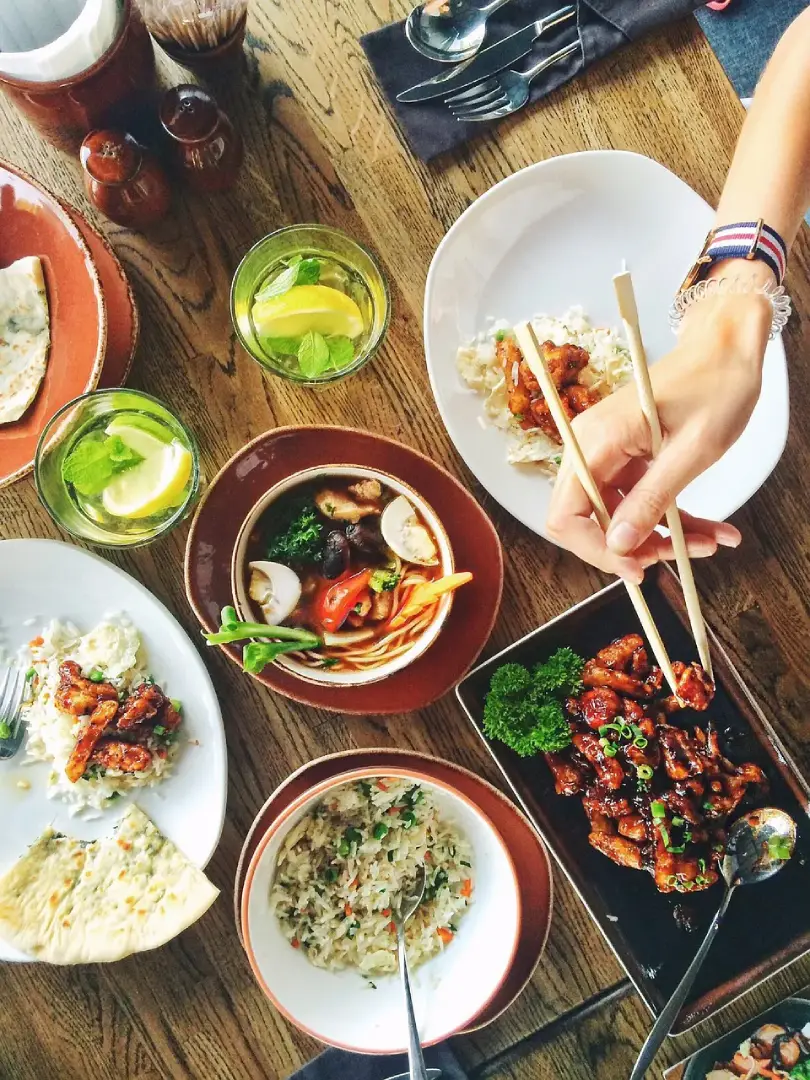
Buffet service means you’ll need more plates, utensils and napkins—plan for 1.5 to 2 times your guest count to account for seconds and guest reuse. If you’re having a more complex menu with multiple garnishes or components, prepare extra catering supplies like serving trays and cups.
Menu planning should also consider cuisine type; finger foods need fewer disposables than plated meals. Service style affects your plating needs, whether disposables are for individual plates or communal sharing.
Creating a Detailed Inventory Checklist
To make a detailed inventory list, start by listing all the categories of disposables you’ll need, like plates, bowls, cups, cutlery and food containers- all this being based on your menu and event format. Calculate your guest count and determine the required supply quantities, add a 10-15% buffer for unexpected increases or breakages.
Include specific types and sizes of disposables, like large platters for buffets or small condiment cups, to cover all catering supplies. Cross-reference your list with supplier inventories and past event data to avoid over- or under-stocking.
Update and review your list during event planning to accommodate menu changes, guest count or event logistics. This helps reduce waste and ensures accurate packing lists.

Coordinating With Suppliers for Timely Delivery
With your inventory list in hand, the next step is to ensure everything arrives on time and in the right quantities. Establish clear communication with suppliers early on to confirm delivery dates that align with your event timeline. Provide detailed order quantities, including buffer quantities, to ensure suppliers meet your needs exactly.
Use order management systems or spreadsheets to track contacts, delivery dates and order status. Confirm order details, including delivery windows and special handling instructions, at least 48 hours before the event to avoid delays. Build relationships with suppliers to have backup options in case of supply chain disruptions.
Monitoring Usage and Adjusting Future Estimates
Although planning big events requires a lot of work, monitoring supply usage during the event is just as important. Track real-time data by recording the usage of disposable plates, cups, utensils and napkins. This usage monitoring helps identify patterns and discrepancies between your initial supply estimates and actual usage.
Use event analytics to compare this data with past events. This consumption tracking helps understand what affects over- or under-estimation, like event size and guest demographics. For inventory management, use software or spreadsheets to track and document this data.
Adjust your future supply forecasts by adding safety margins, like increasing orders by 10-15% to account for unpredictable demand. These supply adjustments ensure more accurate event planning and smoother execution.

Last Orders
By understanding your guest count and consumption patterns, you can estimate disposable supply needs for significant events. Consider menu choices and service style to refine your inventory list.
Build relationships with suppliers to ensure timely deliveries, no last-minute scrambles. Track and adjust.