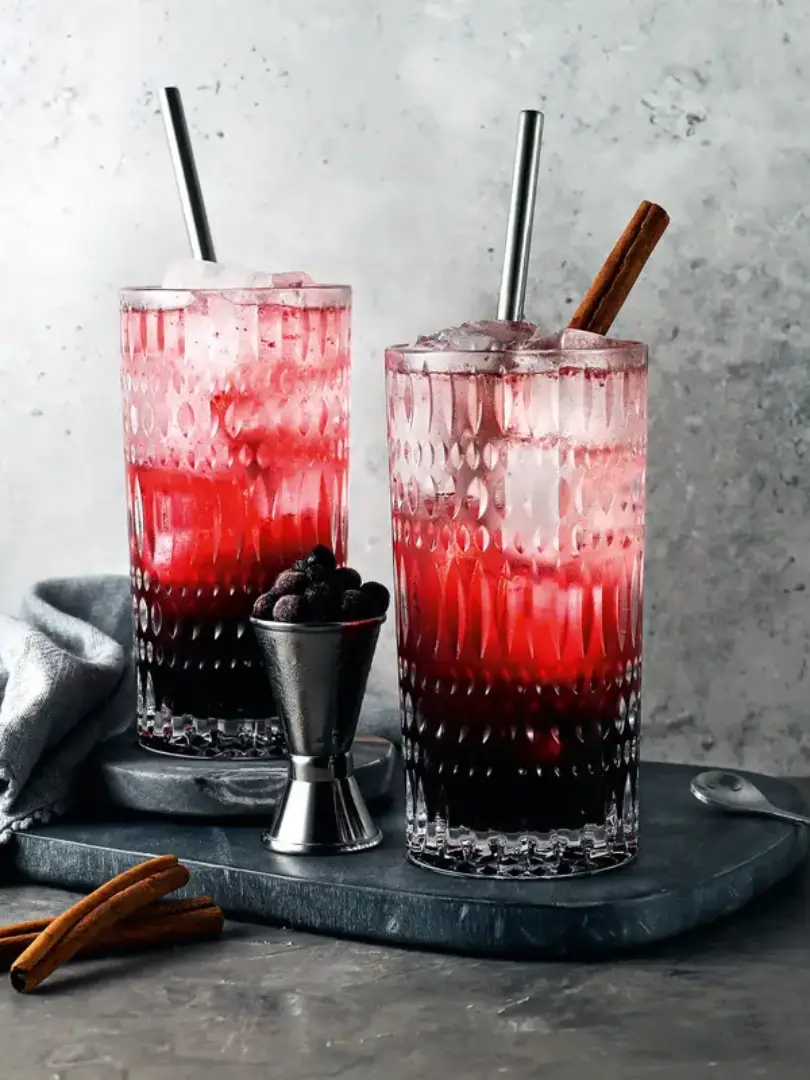
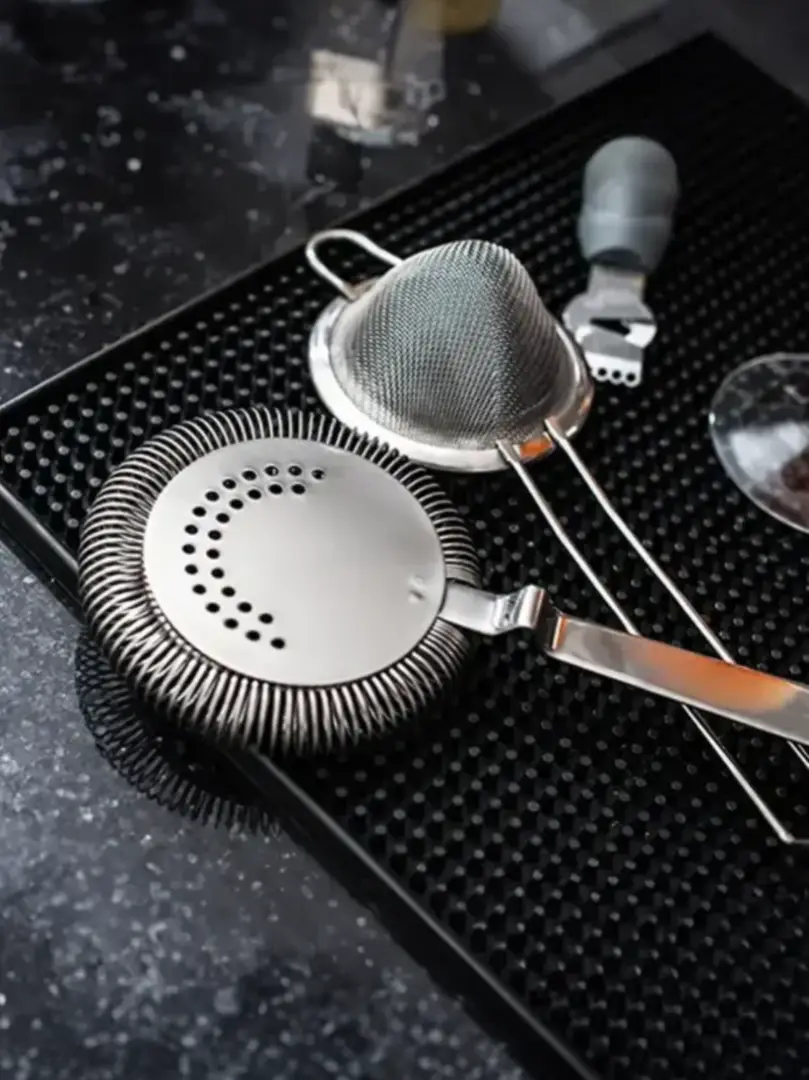


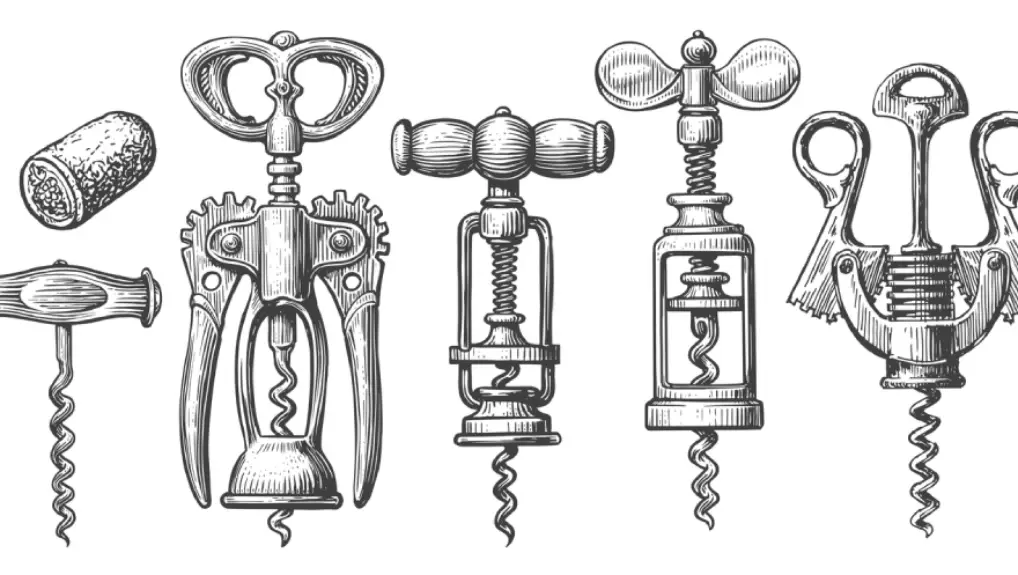
The tools used behind the bar have evolved dramatically over the centuries, shaping the way cocktails are crafted and enjoyed. From simple wooden sticks to precision-engineered shakers, the history of bar tools reveals how mixology has consistently developed.
Explore our full range of bar equipment tools here.
Summary
- History of Bar Tools: Follow the progression from early 16th–18th century basics to Golden Age innovations, Prohibition-era creativity, and the post-Prohibition trends that shaped mixology.
- Modern Mixology: Discover how contemporary bartending blends craftsmanship with technology in today’s cocktail renaissance.
- Tool Evolution: Trace how essential tools—muddlers, jiggers, bar spoons, shakers, and strainers—developed into the modern forms used today.
- Modern Innovations: Examine how advanced equipment like precision tools, ice machines, automated pour systems, and temperature-controlled units transformed bar service.
- Classic Cocktails: See how iconic drinks from different eras reflect the tools, techniques, and culture of their time.

Early Beginnings (16th-18th Centuries)
In the 16th-18th century, bartending tools were basic but essential for the drinks of the time.
You’d find bartenders starting out with just a few basic tools on the bar;
- A knife for cutting
- A reamer for extracting juice from citrus
- A toddy stick (the precursor to the muddler)
The Golden Age (Mid-19th Century)
While the early days of cocktail creation were basic, the mid 19th century was a big change as bartenders started to adopt and refine special bar tools. This was the Golden Age of cocktails, where many classic cocktails were born.
As cocktail culture took off, the cocktail shaker became a symbol of sophistication. Bartenders refined their skills, experimenting with new combinations and flavours.
Prohibition Era (1920-1933)
As cocktail creation reached new heights the Martini and Manhattan Prohibition in the US forced bartenders to get even more creative. The era sparked a mixology boom as underground speakeasies became the secret hubs of cocktail culture, and hidden bars flourished and a speakeasy culture thrived despite the law.
- Speakeasies: Secret places where classics were born.
- Creative Mixology: Necessity led to drinks to mask bad spirits.
- Hidden Bars: Undercover spots became social and cultural hubs.
- Global Influence: American bartenders took cocktail culture global.
- Cocktail Innovation: Birth of new classics like the Bee’s Knees and French 75, adding to the cocktail canon.
Post-Prohibition to Mid-20th Century
After Prohibition was repealed, cocktail culture surged again in the US. Bars and lounges were eager to revive and innovate in the world of mixed drinks and an era of cocktail consumption and complex recipes began. The craft cocktail movement started to take shape, drawing from old recipes and modernising them.
Tiki bars, with their exoticism and intricate cocktails, became the epitome of leisure, but at the same time the trend towards convenience was reflected in the rise of canned cocktails making cocktail making easier and more accessible to everyone.
Modern Era (Late 20th Century to Present)
The late 20th century saw a cocktail renaissance where bars worldwide went back to craft and quality. You’ve noticed how craft cocktail bars are everywhere and each one has a list of beautifully made drinks.
Here’s how your experience in these bars is rooted in modern mixology:
- Craft Cocktail Movement: Pioneers like Dale DeGroff led the revival of classic skills.
- Tool Innovation: Better design and materials in the bar spoon.
- Technology: Energy efficient equipment in bars.
- Cocktail Classes: Learn mixology techniques hands on.
- Global Influence: International ingredients and styles on cocktail menus.

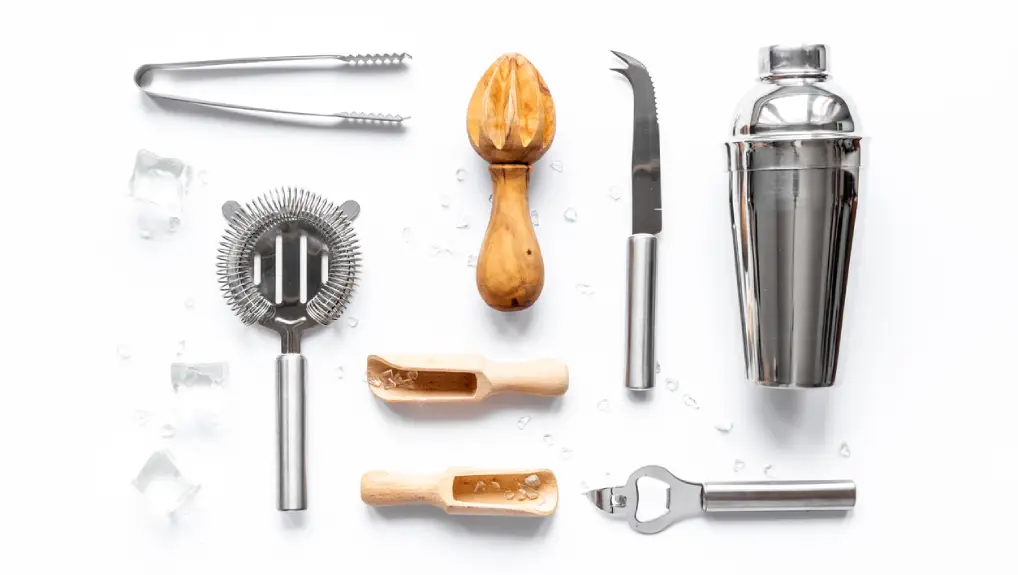
Tool Evolution
As cocktail culture got more sophisticated, bartenders’ toolkits changed significantly during this period.
Here’s how these tools affect modern mixology:
- Muddler: The muddler evolved from the 18th-century toddy stick and became a staple bar tool by the mid-19th century. Designed to gently crush fruits, herbs, and sugar, it unlocks fresh flavours. Though materials have modernised, from wood to stainless steel, the muddler’s pestle-like form has remained largely unchanged.
- Bar Spoon: Early bar spoons introduced long handles and slender designs to stir drinks in tall glasses without disrupting clarity. As cocktail culture grew, twisted stems were added to improve control and enable precise layering techniques.
- Jigger: Before the double-sided jigger appeared in 1893, bartenders relied on wine or sherry glasses for measuring, often leading to inconsistency. The jigger finally introduced a purpose-built tool, bringing accuracy and consistency to cocktail making.
- Shakers: By the early 19th century, “throwing” drinks between glasses was common. The 1840s introduced the Boston shaker, followed by durable all-metal shakers in the 1850s. Later, the French/Parisian and Cobbler shakers emerged.
- Strainers: Strainers evolved from simple slotted spoons used to remove ice and solids, into specialised cocktail tools. By the mid-19th century, the Julep strainer, first marketed as an “ice spoon”, became the standard, later improved in 1889 with added holes and a spring. The Hawthorne strainer was introduced in the late 19th century, whose spring edge offered a tighter seal and finer filtration.
Modern Innovations
Here’s a look at some of the modern innovations:
- Advanced Ice Machines: Shape and size ice for different drinks.
- Precision Measurement Tools: Exact measurements for perfect balance.
- High-Tech Mixing Devices: Technology for consistent stirring and shaking.
- Automated Pour Systems: Spirits dispensed with precision.
- Temperature-Controlled Units: Ingredients kept at the perfect temperature.
“The Boston shaker remains one of the most widely used bar tools, with over 75% of professional bartenders reporting they use it regularly for cocktail shaking.“
Liquor.com
(modelled from industry trends and surveys)
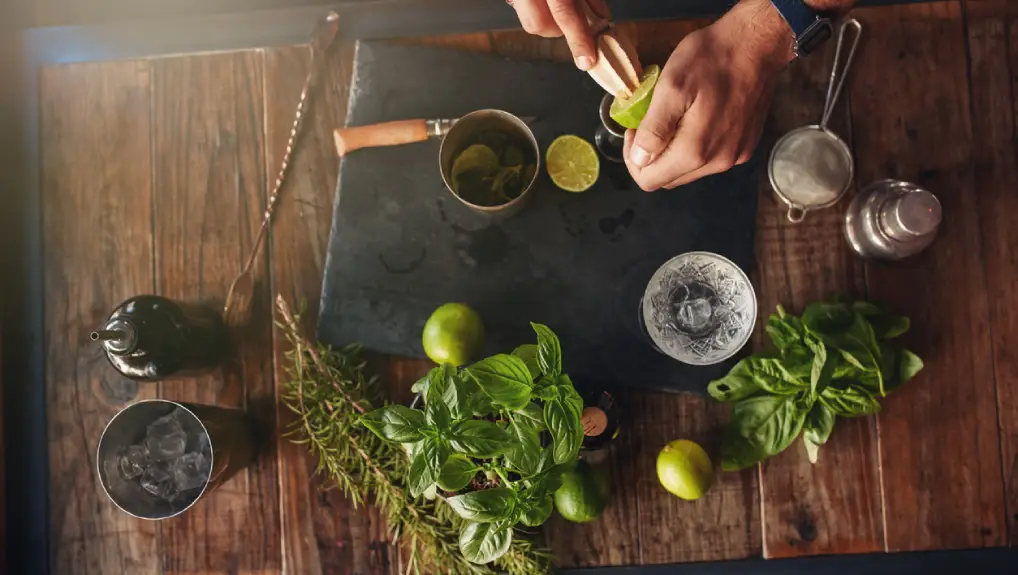
Classic Cocktails
As you go into the history of classic cocktails you’ll find timeless drinks like the Old Fashioned, the Manhattan and the Martini. Each of these cocktails show unique flavours and tool evolution.
Here are some of the most iconic examples:
| Cocktail | Origin | Ingredients |
|---|---|---|
| Old Fashioned | Early 19th century | Whiskey, sugar, Angostura bitters, citrus peel |
| Manhattan | 1870s, Manhattan Club | Rye or bourbon, sweet vermouth, Angostura bitters |
| Mojito | 16th century, Cuba | White rum, lime juice, sugar, mint, soda water |
| Negroni | 1919, Florence | Gin, Campari, sweet vermouth |
| Martini | Late 19th century | Gin, dry vermouth, lemon twist or olive |
| Daiquiri | Late 19th century, Cuba | White rum, lime juice, simple syrup |
| Bloody Mary | 1920s–30s, Paris | Vodka, tomato and lemon juice, Worcestershire sauce, hot sauce, spices |
| Gin and Tonic | British India | Gin, tonic water, lime |
| Margarita | Multiple origin stories (1930s–40s) | Tequila, lime, triple sec |
FAQS’s
Before purpose-built jiggers appeared, bartenders often used everyday items like wine, sherry, or shot glasses as rough volume guides.
This led to frequent inconsistencies between bars and recipes, which is one reason the later introduction of calibrated jiggers made such a noticeable difference to cocktail precision.
Drinks like the Martini, Manhattan, Old Fashioned, Daiquiri, and Negroni are ideal practice recipes because each highlights a specific technique: stirring, shaking, muddling, or balancing spirit-forward builds.
Mastering these gives a strong foundation for almost any modern or signature cocktail.
Classics that rely on fresh herbs, fruit, or sugar cubes, like Mojitos or Old Fashioneds, need muddling to release oils and juices.
Spirit-forward builds that use only clear ingredients and syrups typically skip muddling to keep the drink clean and focused.
Why Ascot Wholesale?
Designing an efficient commercial bar goes beyond just buying equipment. We supply durable, professional-grade bar tools and accessories that fit seamlessly into well-planned bar setups. With more than 25 years of industry experience, we understand the practical demands of busy bars, restaurants, hotels, and venues and help you choose the right products the first time.
We combine expert product guidance with competitive trade pricing on leading brands. Ascot Wholesale makes it easier to equip or upgrade your bar efficiently and cost-effectively. We offer great benefits such as trade accounts, flexible payment and leasing options and fast delivery, as well as our strong focus on service, helping us to build trusted partnerships.
Last Orders
Thank you for reading. We appreciate your time and wish you the very best with your new setup.
If you need any support along the way, we’re always here to help you make the most of your business with trusted support and quality equipment. Looking for more? Explore additional resources using the links below. ↓
Related Articles
- How Bar Tools Have Changed Over Time
- The History of Bar Tools: From Vintage to Modern
- Timeline of Innovations in Bar Tools and Equipment
- What Vintage Bar Tools Tell Us About Cocktail Culture
- Modern Bar Tools Inspired by Historical Designs
- Famous Bar Tools That Shaped Cocktail History
- The Role of Bar Tools in the Rise of Mixology
- Comparing Traditional vs. Contemporary Bar Tools
- The Evolution of Barware: A Journey Through History
- Why Understanding the History of Bar Tools Matters Today