
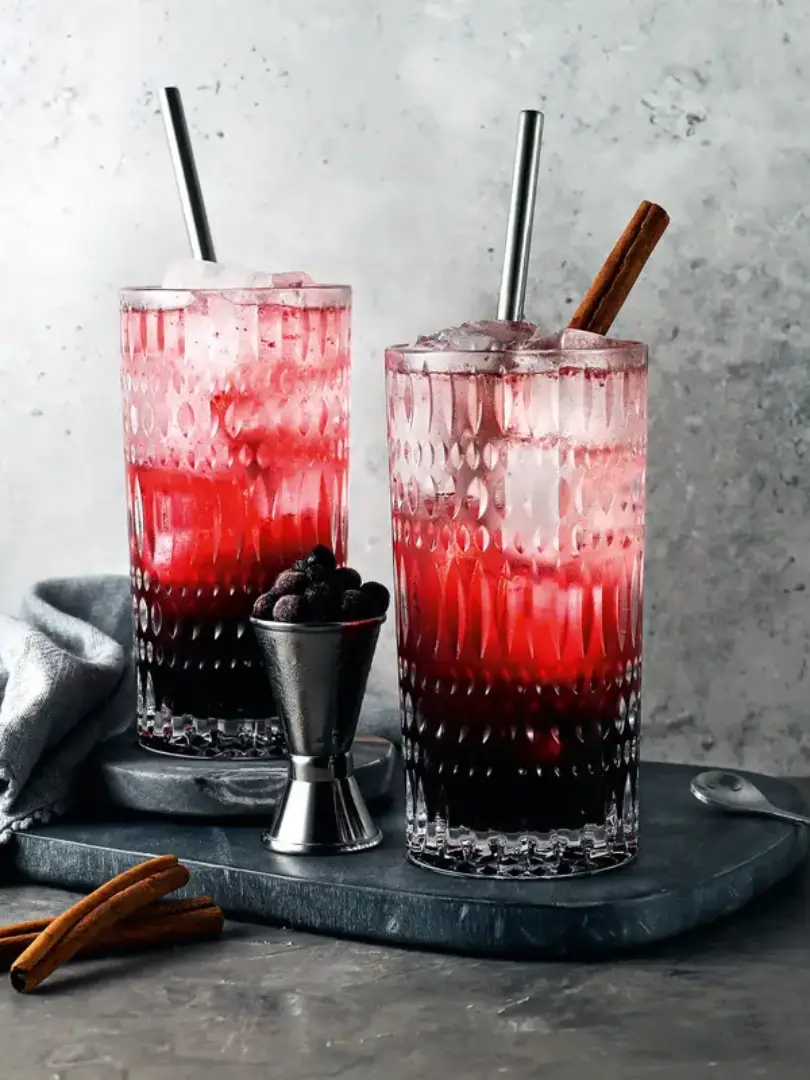
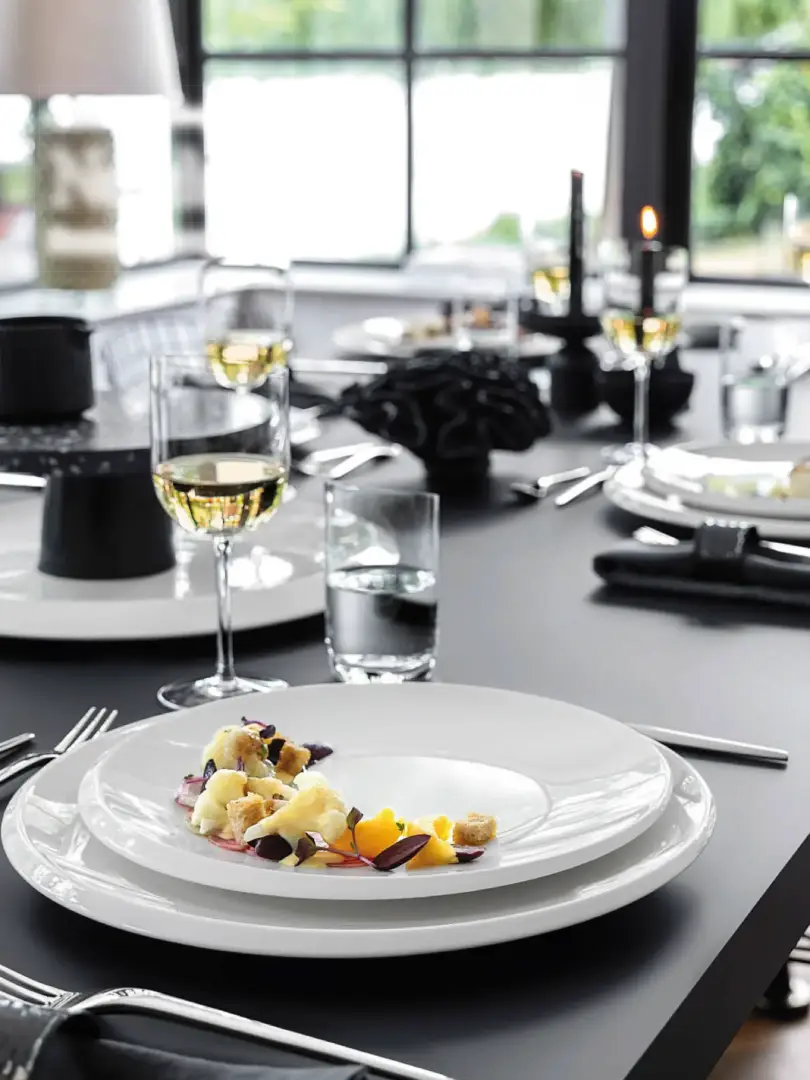

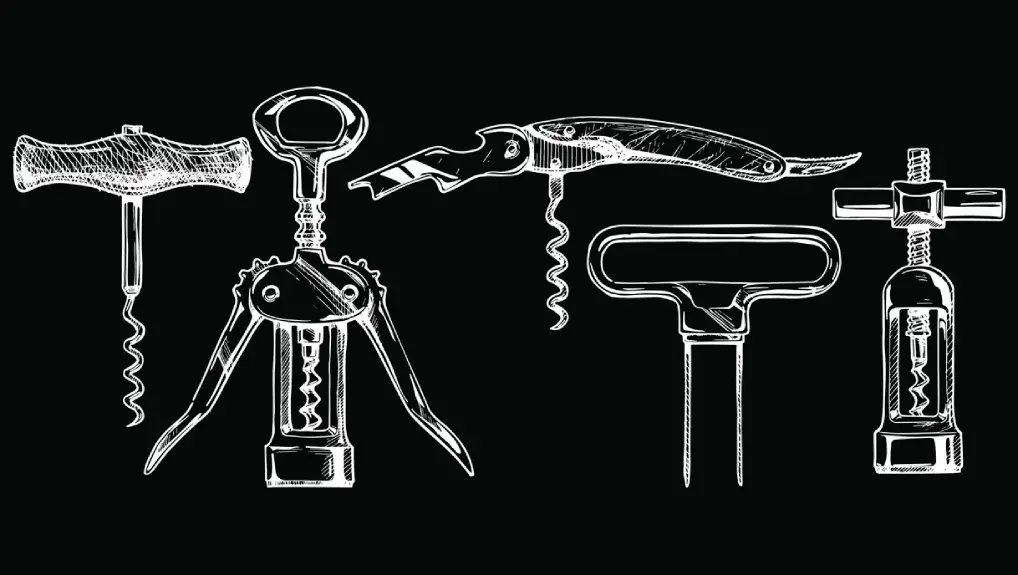
Bar tools have come a long way since ancient times when gourds were used. By the mid-19th century, metal cocktail shakers and special strainers like the Hawthorne were popular, as seen in Jerry Thomas’s 1862 bartending book. Prohibition sparked innovation, leading to bar carts and improvised bar tools throughout history.
If you’d like to see the modern tools that this history has produced, our bar equipment collection is worth browsing before reading on. For a broader sweep through the story behind these tools, our guide to the evolution of bar tools through history sets the scene well.
Today, digital and automated technology means precision in modern mixology, combining old-school techniques with new equipment.
Summary
- Bar tools evolved from simple natural materials to metal by the mid-19th century.
- Jerry Thomas’s 1862 book made shakers and strainers standard in the industry.
- Prohibition-era innovations included bar carts and improvised tools and ingredients.
- Modern bar tools feature digital scales, automated mixers and programmable dispensers for precision and efficiency.
- Contemporary mixology blends old-school tool design with new technology, aesthetics and function in bar equipment.
Ancient Origins and Early Developments
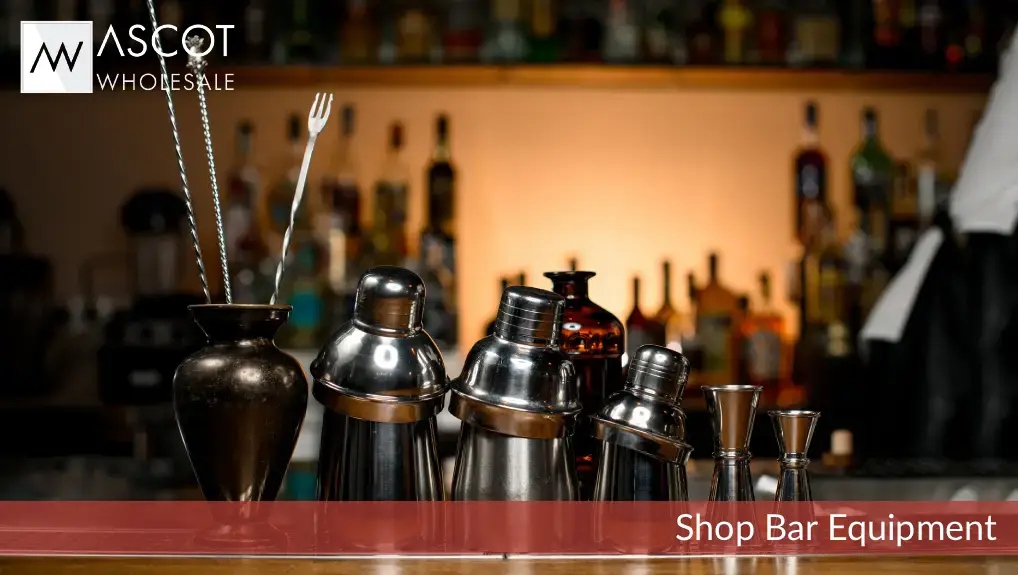
As you explore the ancient origins of bar tools, you’ll find that even the old mixologists had their versions of essential equipment. Take the cocktail shaker and strainer, fundamental tools that have come a long way from their humble beginnings. Centuries of cocktail culture and technological advancements shape each piece’s story.
Cocktail Shaker
You might think of cocktail shakers as a modern bar staple, but their origins go back to ancient times. Shakers started as simple hollowed-out gourds in South America around 7000 BCE. These early tools were the beginning of what would become modern mixology.
By the mid-19th century, the cocktail shaker had undergone a major transformation from natural materials to all metal. This was a huge technological advancement and reflected the growing sophistication of bartending. This laid the groundwork for the cocktail shaker to become an essential tool in drink making, how mixologists work today.
Strainers
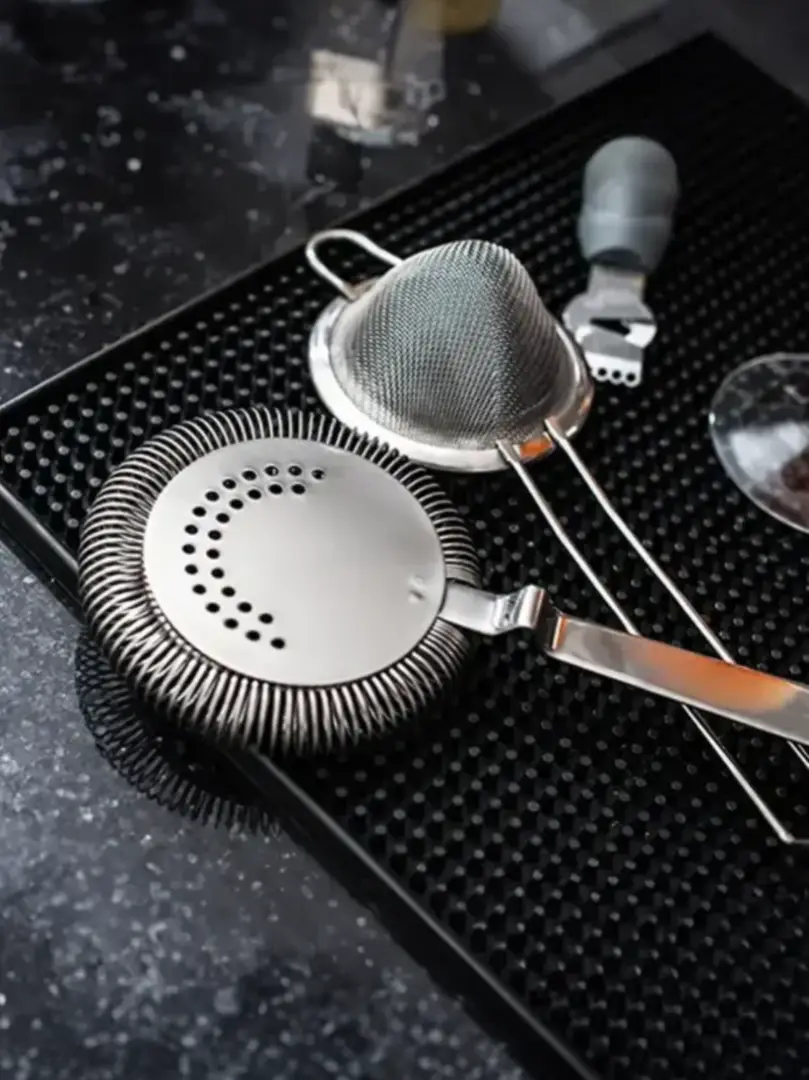
Early strainers were primitive. The Julep strainer that emerged with the Mint Julep is a big deal in cocktail history. It was initially used like a spoon, lying across the glass to hold back ice and herbs. By the late 19th century the Hawthorne strainer changed the game with its spring loaded design. This allowed for a tighter fit against the shaker and better ice separation from the liquid. This made cocktails smoother and better and set a new standard in bartending.
Muddlers
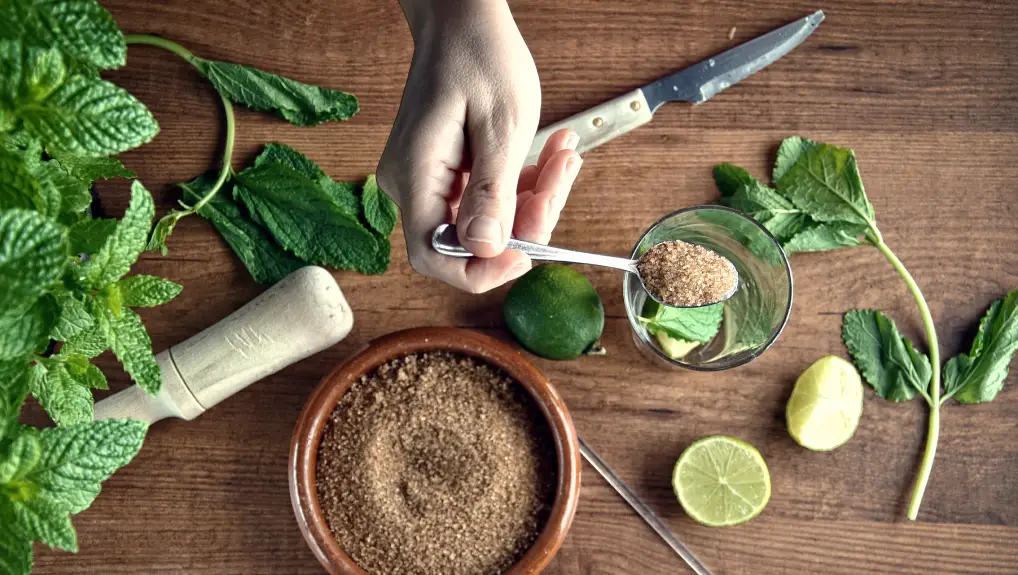
Muddlers, those humble wooden sticks have been essential in making early cocktails like the Mint Julep. They crush fruits and herbs to release deep flavours. You’ve probably seen these tools at work in classic cocktails, where their role is simple but critical. Initially, just basic wooden rods and muddlers were necessary to extract the full spectrum of flavours from ingredients, which is fundamental in mixology.
Over time they’ve evolved from their primitive form to stainless steel and plastic to maximise efficiency and durability. But despite all the advances, the purpose of muddlers in creating delicious, flavour-packed cocktails remains the same, proving that some tools stand the test of time in the ever-evolving craft of bartending.
How Bar Tools Evolved Through the Centuries
In the 16th-18th century, bartending tools were basic but essential for the drinks of the time.
You’d find bartenders starting out with just a few basic tools on the bar;
- A knife for cutting
- A reamer for extracting juice from citrus
- A toddy stick (the precursor to the muddler)
As cocktail culture got more sophisticated, bartenders’ toolkits changed significantly during this period.
Here’s how these tools affect modern mixology:
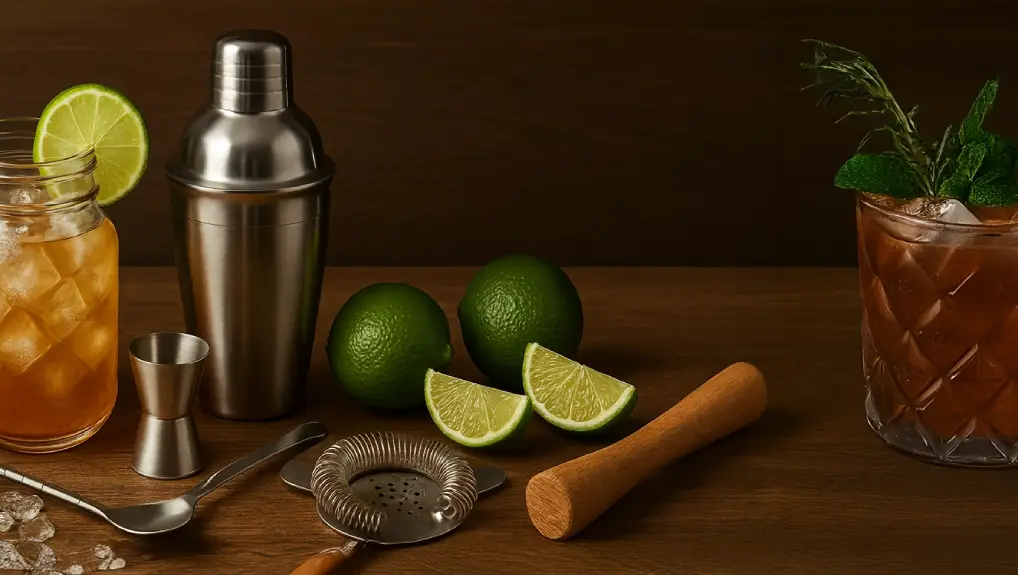
- Muddler: The muddler evolved from the 18th-century toddy stick and became a staple bar tool by the mid-19th century. Designed to gently crush fruits, herbs, and sugar, it unlocks fresh flavours. Though materials have modernised, from wood to stainless steel, the muddler’s pestle-like form has remained largely unchanged.
- Bar Spoon: Early bar spoons introduced long handles and slender designs to stir drinks in tall glasses without disrupting clarity. As cocktail culture grew, twisted stems were added to improve control and enable precise layering techniques.
- Jigger: Before the double-sided jigger appeared in 1893, bartenders relied on wine or sherry glasses for measuring, often leading to inconsistency. The jigger finally introduced a purpose-built tool, bringing accuracy and consistency to cocktail making.
- Shakers: By the early 19th century, “throwing” drinks between glasses was common. The 1840s introduced the Boston shaker, followed by durable all-metal shakers in the 1850s. Later, the French/Parisian and Cobbler shakers emerged.
- Strainers: Strainers evolved from simple slotted spoons used to remove ice and solids, into specialised cocktail tools. By the mid-19th century, the Julep strainer, first marketed as an “ice spoon”, became the standard, later improved in 1889 with added holes and a spring. The Hawthorne strainer was introduced in the late 19th century, whose spring edge offered a tighter seal and finer filtration.
Classic Cocktails
As you go into the history of classic cocktails you’ll find timeless drinks like the Old Fashioned, the Manhattan and the Martini. Each of these cocktails show unique flavours and tool evolution.
Here are some of the most iconic examples:
| Cocktail | Origin | Ingredients |
|---|---|---|
| Old Fashioned | Early 19th century | Whiskey, sugar, Angostura bitters, citrus peel |
| Manhattan | 1870s, Manhattan Club | Rye or bourbon, sweet vermouth, Angostura bitters |
| Mojito | 16th century, Cuba | White rum, lime juice, sugar, mint, soda water |
| Negroni | 1919, Florence | Gin, Campari, sweet vermouth |
| Martini | Late 19th century | Gin, dry vermouth, lemon twist or olive |
| Daiquiri | Late 19th century, Cuba | White rum, lime juice, simple syrup |
| Bloody Mary | 1920s–30s, Paris | Vodka, tomato and lemon juice, Worcestershire sauce, hot sauce, spices |
| Gin and Tonic | British India | Gin, tonic water, lime |
| Margarita | Multiple origin stories (1930s–40s) | Tequila, lime, triple sec |

Cocktail Culture
As the cocktail scene has evolved, so has the culture surrounding it, how we think about and enjoy our drinks. You’ve probably noticed that cocktail culture isn’t just about drinking; it’s an art form driven by an ever-growing arsenal of mixology tools.
Here’s how this culture has refined itself:
- Sophistication of Tools: Tools have become more specialised, from shakers to strainers.
- Knowledge Expansion: Bartenders now have extensive training in mixology.
- Cultural Impact: Cocktail bars are social hubs in cities worldwide.
- Innovative Recipes: New mixtures and techniques emerge, pushing the boundaries of traditional cocktail making.
These elements combine to make each sip a reflection of centuries of refinement.
What Vintage Bar Tools Tell Us About Cocktail Culture
As you explore the craft cocktail movement you’ll find it’s deeply rooted in classic cocktail recipes and the art of mixing drinks. This isn’t just about mixing drinks; it’s a revival of craftsmanship and a nod to the flavours of the past. You need to understand how these classic recipes and techniques have shaped the cocktails you drink today.
The craft cocktail movement has elevated mixed drinks from mere beverages to an art form. As you explore this era you’ll see how modern mixologists draw from ancient bar tools and the foundations of cocktail culture. This mix of old and new has propelled the cocktail evolution and turned your drink into an experience.
Here’s a quick look at how it all comes together:
| Era | Tool | Impact on Mixology |
|---|---|---|
| Georgian | Basic Distill | Laid the ground for spirits |
| 19th Century | Shaker | Standardised mixing |
| Early 20th | Strainer | Refined drink textures |
| Prohibition | Hidden Compartments | Innovated secrecy in bars |
| Modern | Precision Tools | Accurate drinks |
This table shows the progression from simple to sophisticated and how we appreciate every sip.
As you explore the craft cocktail movement you’ll find classic cocktail recipes aren’t just about mixing spirits and flavours; they’re a nod to the art of drink making refined over centuries. Classic cocktails, steeped in cocktail history, are the embodiment of traditional techniques and modern mixology. As you dig into these recipes you’ll see how they’ve evolved yet remained the same.
Each ingredient and method tells a story of cultural and technological change. By mastering these cocktail recipes you’re not just pouring a drink; you’re reviving history and contributing to a long tradition. This mix of past and present is what makes the craft cocktail movement a unique and enduring part of culinary art.
The Golden Age of Cocktails (1860-1920)
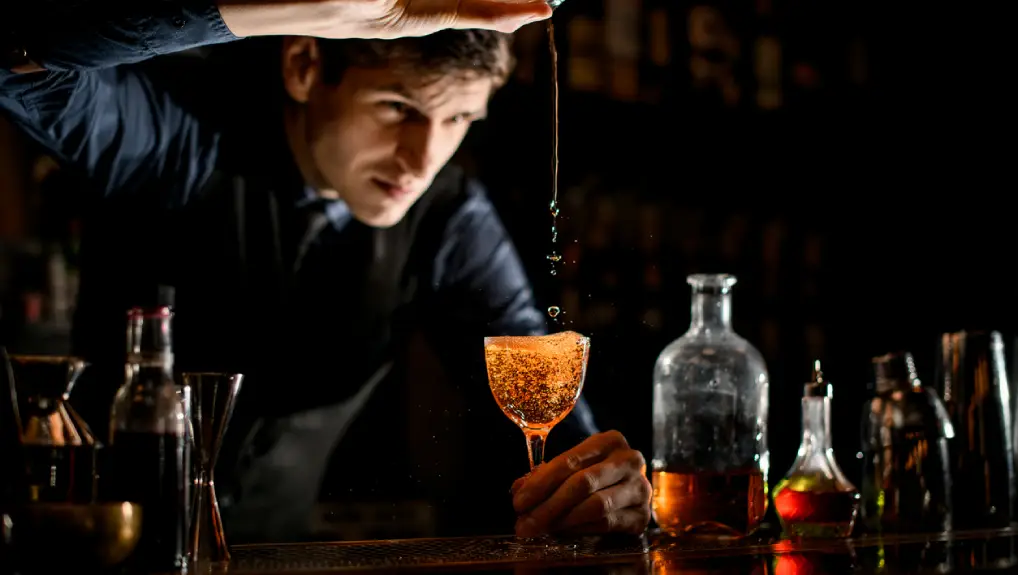
Exploring the Golden Age of Cocktails from 1860 to 1920, you’ll see how pioneer Jerry Thomas changed the game with his cocktail book. This era also saw the standardisation of glassware, which helped bartenders achieve more consistent presentations and flavours. You’re witnessing the foundation of modern cocktail culture being laid.
Jerry Thomas and The Cocktail Book
Jerry Thomas, often called the father of American mixology, changed the game with his 1862 book “How to Mix Drinks”. This book introduced many cocktails. It standardised the use of specific bar tools like shakers which are essential in modern bartending. As a cocktail historian, you’d appreciate how Thomas’s contributions went beyond recipes.
Here’s what you need to know:
- Shakers: Popular for efficiency in mixing ingredients.
- Strainers: Essential for smooth texture.
- Jiggers: Introduced for precise measurement.
- Spoons: Improved stirring techniques.
These tools are at the heart of the craft and show how important “How To Mix Drinks” was in shaping today’s cocktail culture.
Standardisation of Glassware
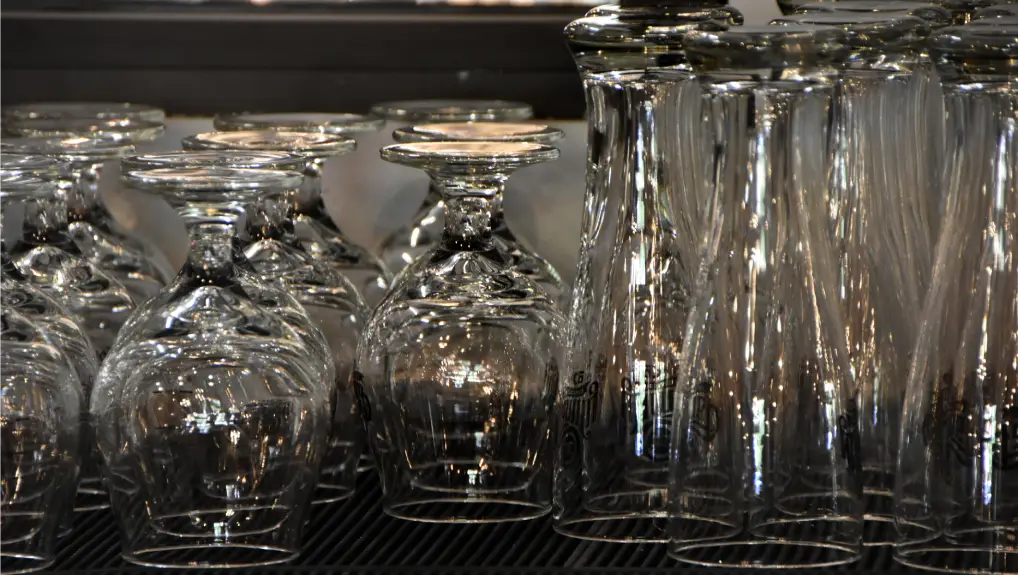
During the Golden Age of Cocktails from 1860 to 1920 standardisation of glassware was a big deal in mixology. Bartenders started to use specific glasses for specific drinks. This wasn’t just about aesthetics; it was about enhancing the flavours and aromas of classic cocktails.
For example, the martini glass wasn’t just for looks; it was to maintain the drink’s cold temperature and deliver the aromas directly. The tall, slender highball glass was standardised to keep cocktails cool and carbonated longer. This era shaped how you drink cocktails today, and the form and function are combined seamlessly.
Prohibition and Its Impact (1920-1933)
As you explore the Prohibition era, you’ll find that despite the legal restrictions, innovation in bar tools didn’t just survive; it thrived. The need to conceal beverages led to the popularity of bar carts, cleverly designed to hide and transport liquor. This era forced bartenders and enthusiasts to rethink their tools and techniques, setting the stage for modern mixology.
Innovation During Prohibition
While Prohibition banned the production and sale of alcohol, it inadvertently sparked an era of innovation among bartenders. You might be surprised at how creative those in the Prohibition era had to be.
Here’s how they left their mark on cocktail innovation:
- Ingredient Substitution: Bartenders used local or homemade ingredients to get around the restrictions, resulting in unique flavour profiles.
- Improvised Equipment: They innovated with makeshift solutions without standard bar tools.
- Secret Venues: Speakeasies encouraged discreet yet sophisticated cocktail environments, further pushing creativity.
- Cultural Influence: The allure of the forbidden drinks fuelled a cocktail culture that would influence mixology long after Prohibition ended.
Thus, necessity became the mother of invention, and limitations became a cocktail renaissance.
Bar Carts
Designed initially as tea trolleys, bar carts found a new life during Prohibition. They smoothly transitioned into mobile stations for spirited libations, wheeling from room to room. As you imagine these stylish carts gliding through secret gatherings it’s clear they became crucial in the illegal consumption of alcohol.
At a time when the sale and consumption of alcohol was banned, bar carts offered a stylish façade, hiding their true purpose. They allowed hosts to serve drinks with a veneer of legality, turning into symbols of rebellion and resourcefulness. This adaptability preserved the tradition of cocktail hour and highlighted the ingenuity of the social life of that era.
Modern Developments
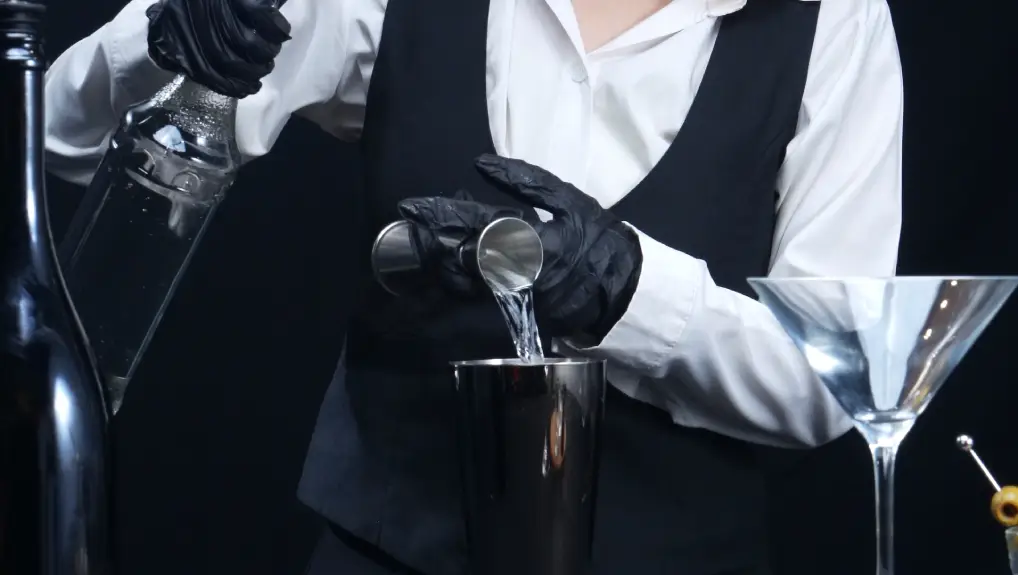
As you explore modern bar tools you’ll see a significant evolution in design and functionality. Automated equipment has revolutionised the craft of mixed drinks, speeding up the process while maintaining quality. The craft bartending revival has brought an aesthetic and technical renaissance to tool design, celebrating tradition and innovation.
Bar Tools
In recent years, bartending has seen significant advancements in the tools used to make cocktails.
Here’s how you can stay up to date with the latest in bar equipment and essential tools:
- Digital Scales: Precision is key, and digital scales ensure that your ingredient measurements are spot-on for consistent cocktails.
- Electric Juicers: Electric juicers extract fresh juices quickly and mess-free, saving time and energy.
- Molecular Mixology Kits: Experiment with textures and flavours using tools designed for molecular gastronomy.
- Smart Bartending Systems: These systems automate measurements and suggest recipes so you can make the perfect drink every time.
Keep up to date by adding these innovative tools to your bartending kit.
Famous Bar Tools That Shaped Cocktail History
While the Boston Shaker is a favourite among bartenders for showmanship and versatility, another contender in the world of cocktail shakers is the French Shaker. You’ll find this all metal bar tool essential for your cocktail making. Unlike the others, the French Shaker has an elegant design and a safer, more durable build—no glass to shatter here. It’s a staple among modern cocktail enthusiasts who value style and function.
As part of your bar tools, the French Shaker not only improves the look of your bar but also guarantees a smoother mixing experience. It’s a must have in making the perfect cocktail.
Building on the tradition of precise cocktail making, the Japanese jigger, introduced to the US in the early 2000s, has become a favourite among bartenders for its accuracy and sleek design. This tool has redefined the art of drink making, so each cocktail is made with the perfect balance of flavours using fresh ingredients.
| Feature | Benefit | Impact on Cocktail History |
|---|---|---|
| Precision | Consistent measurements | Improved drink quality |
| Two-sided design | Versatility in measuring | Streamlined tool collection |
| Stainless steel | Durability and easy cleaning | Sustainable bar practices |
| Elegant aesthetics | Appeals to high-end bars | Raised cocktail presentation |
| Cultural origin | Japanese craft influence | Diversified mixology techniques |
You’ll find this jigger not just a tool but a bridge between tradition and modern innovation in cocktail history.
As you explore the world of cocktail making you’ll find the long bar spoon is a must-have. Its length allows you to stir drinks properly, reach the bottom of even the tallest mixing glasses. This tool isn’t just functional; it’s a symbol of the finesse and precision in mixology.
A long bar spoon, essential in cocktail making, is your go-to tool for stirring and layering drinks. Key in cocktail history this slender utensil helps you mix stirred cocktails smoothly and consistently.
Here’s why you’ll want to have one:
- Versatility: Mix ingredients gently or layer drinks perfectly.
- Precision: Reach deep into tall glasses to integrate flavours without splashing.
- Historical Significance: A symbol of traditional cocktail craftsmanship.
Whether you’re making a delicate martini or a complex Pousse-Café, the long bar spoon is a must-have. It’s not just about mixing; it’s about the art of cocktail making.
Timeline of Bar Tool Innovations
As you look back at the early days of bar tools before the 19th century you’ll see bartenders used basic tools like jiggers and stirrers. These simple instruments were the tools of the trade in taverns and inns. Large format punches were popular for gatherings, a communal way to enjoy spirits and make social connections.
Early bartenders used basic tools like the toddy stick and reamers but they also made drinks in bulk. Large format punches were the cornerstone of early cocktail making, where drinks were not just mixed but celebrated as a social experience. Alcoholic beverages were communal, not just mixed.
These communal containers marked the beginning of cocktail evolution, where social drinking was as important as the drink itself.
Here’s how this tradition evolved:
| Era | Container | Impact on Cocktail Crafting |
|---|---|---|
| 17th Century | Pewter Bowls | Introduced communal drinking |
| 18th Century | Porcelain Punch Bowls | Improved presentation |
| Early 19th | Glass Punch Bowls | Visibility of the beverage |
| Mid 19th | Silver Punch Bowls | Luxury and refinement |
| Late 19th | Ornate Punch Bowls | Artistic expression in serving |
This played a big role in the development of modern cocktail culture.
In 1917 the R. Perlick Brass Company was founded, a big moment in bar tool history. As you look at the history of mixed drinks consider how Perlick’s innovations helped the rise of craft cocktail bars. Perlick’s focus on quality and precision made their equipment a staple in modern bars, making cocktail recipes execution easier.
This advanced mixology and encouraged cocktail classes, people to refine their craft with professional grade tools. Perlick equipment allowed bartenders to innovate and perfect their techniques, set new standards in the industry and redefine the cocktail experience for customers and professionals alike.
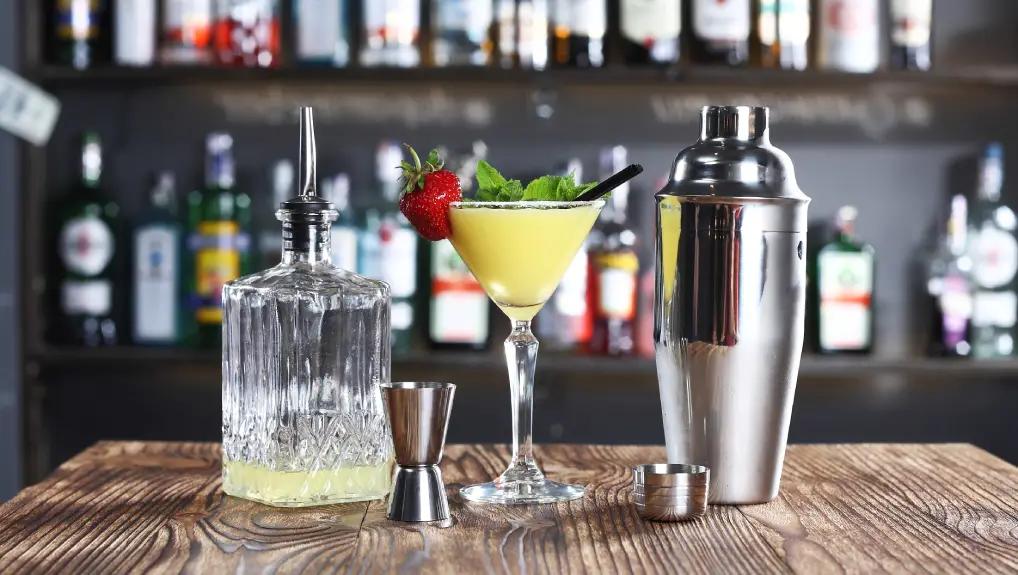
During the 1930s Perlick revolutionized bar technology with mechanical refrigeration, a big leap from the ice boxes of the past. This innovation not only preserved craft spirits better but also enabled modern bars to serve colder, more consistent cocktails. As the cocktail world evolved the demand for more advanced bar tools increased.
Perlick’s technology paved the way for energy efficient equipment which became essential as the industry grew. This not only improved the overall efficiency of bars but also supported the rising popularity of refined mixology. By improving storage and energy usage Perlick helped shape the landscape of modern bartending, making sophisticated cocktail creation smoother and more accessible.
While the 1930s saw significant advancement in bar technology with Perlick’s mechanical refrigeration the 1940s continued this trend with more innovations that shaped modern bartending. In this era cocktail consumption in American cocktail culture saw a big shift.
Innovations included:
- Black Beauty Dispenser: Changed the way bars served chilled drinks.
- Advanced Cooling Solutions: Allowed bartenders to maintain ideal drink temperatures, improved beverage quality.
- Smart Tools: Started to emerge, laying the ground work for future integrations in bar equipment.
These advancements streamlined operations in hidden bars and mainstream venues and had a big impact on how cocktails were made and enjoyed across America.
Building on the momentum of the previous decades the 1960s saw significant advancements in bar technology that further refined the experience for both bartenders and customers. The Century Beer System, launched during this era, revolutionised beer dispensing and the overall drinking experience. This innovation allowed bartenders to serve well-crafted drinks more efficiently as the speakeasy culture grew in appreciation for sophisticated cocktail menus.
As you looked around bars in the ’60s you’d see a shift towards more advanced bar tools that supported the creation of complex and flavorful cocktails. This period didn’t just modernise equipment; it redefined how patrons and mixologists perceived and interacted with the art of cocktail-making, setting a new standard in the industry.
As the 1980s unfolded bar technology saw innovation that streamlined operations and improved the overall experience. Automatic glasswashers by Perlick revolutionized glassware management, freeing up staff to focus more on the drink making process. This decade also saw:
- Molecular mixology, science in cocktail creation
- The return of classic cocktails, bartenders revisiting and refining old recipes
- The rise of tropical drinks, as customers demanded more exotic and visually appealing drinks
These trends and tools made bartenders more creative and efficient and elevated the bar scene.
From late 20th century to present bar tool innovations have continued to shape mixology. One of the innovations is the Perlick Tobin Ellis Signature Cocktail Station, launched in 2015. This piece of equipment changed bar design by focusing on efficiency and ergonomics for high volume cocktail bars.
Key features of modern bar innovations:
- Ergonomic design reduces strain and increases speed.
- Integrated technology for consistent cocktail quality.
- Customisable setups for different bartending styles.
These are not just about looks; they’re about creating better experiences behind the bar and across the counter.
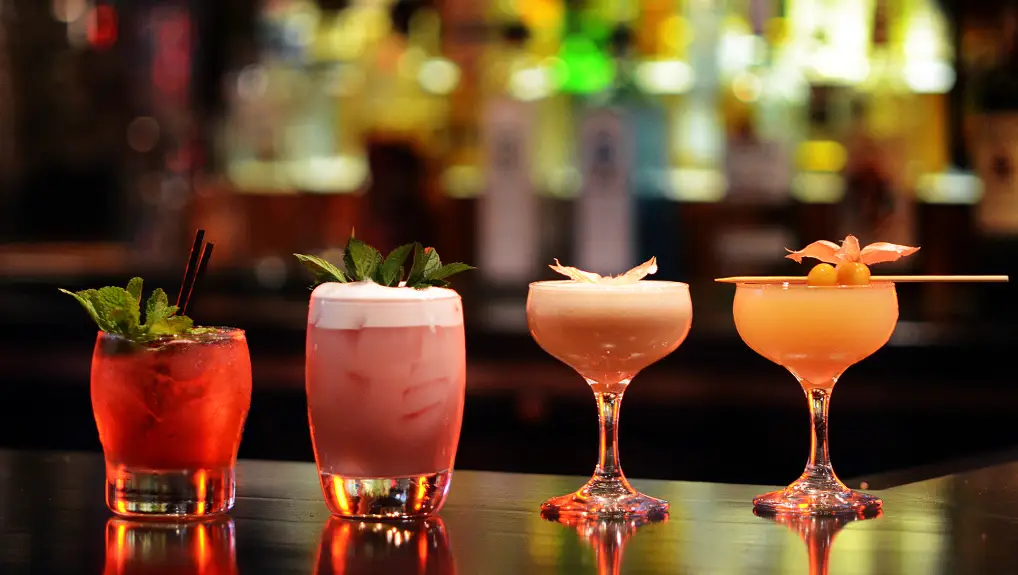
How Bar Tools Have Changed Over Time
While the fundamentals of bartending haven’t changed much the tools have. You’ve seen a big shift towards “smart tools” that are precise, efficient and waste reducing in modern mixology.
Here’s what that looks like:
- Automated Pour Systems: These devices guarantee exact measurements with every pour, no over pouring and no spillage.
- Smart Shakers: With sensors these shakers tell you when the mixing force is right, so you can make consistent cocktails.
- Digital Measurement Tools: These tools allow you to add ingredients precisely so every drink made is to high standards.
These advancements turn bars into high tech arenas where precision and efficiency rule.
While the craft cocktail movement is a new phenomenon it has roots that go back to the history of bar tools. The double sided jigger has improved spirit measurements which is essential for the balance of flavours in today’s cocktails.
The martini glass is an icon of elegance but it’s also designed to serve stirred or shaken drinks perfectly chilled. Advances in molecular mixology has taken it to the next level, requiring tools that can manipulate ingredients at a molecular level. And eco-friendly glassware and training programs are now standard so new generations of bartenders are skilled and stewards of sustainability in mixology.
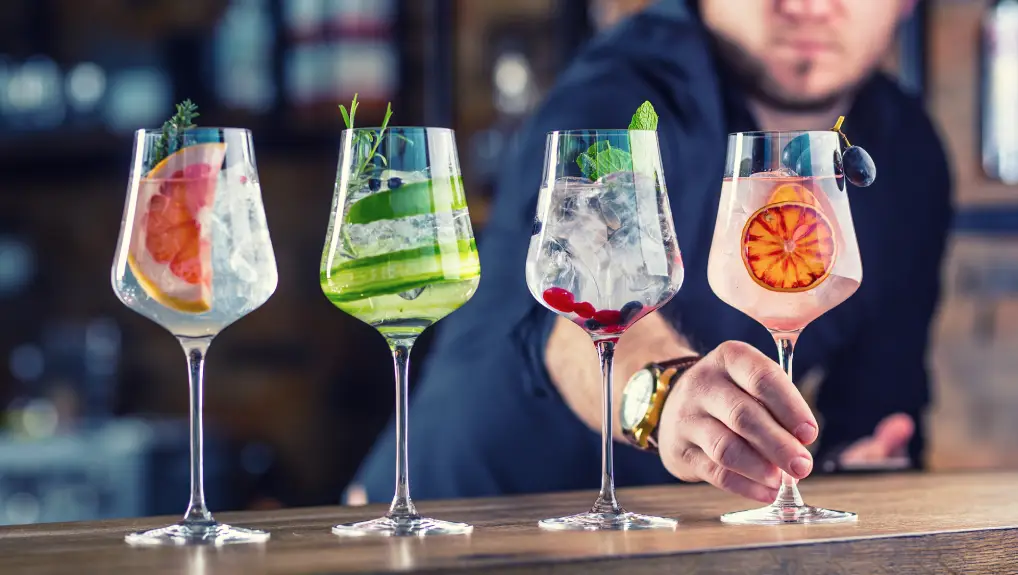
Modern Bar Tools Inspired by Historical Designs
Want to improve your cocktail skills? Check out the latest ergonomic designs in modern bar tools. These innovations not only add charm to your modern bar carts but also precision and accuracy to cocktail-making.
Here are a few highlights:
- Japanese Jiggers: Designed for balance, these tools give you precise measurements with minimal effort.
- Precision Bar Spoons: Long, spiralled handles for comfortable stirring, reducing hand fatigue.
- Ergonomically Shaped Bottles Openers: Fitted to the palm, makes bottle opening easy and quick.
Get these ergonomic designs to boost both the fun and efficiency of your mixology. Manufacturers are using eco-friendly materials and production methods to meet consumer demand for green products. At the same time, there’s a growing love for bar tools that echo the designs and craftsmanship of the past, blending old-world charm with modern functionality.
While bar tools have evolved, so has the focus on their environmental impact. You’re seeing a lot of eco-friendly practices in the world of barware, especially with glass. This material looks great on your bar and is 100% recyclable.
Here’s how you can go modern and sustainable with your barware:
- Choose glass tools and accessories that are durable and sustainable.
- Opt for products made from recycled materials to reduce your environmental footprint.
- Support brands that commit to eco-friendly practices in manufacturing and packaging.
By doing so, you can enjoy your cocktails responsibly and care for the planet.
When you walk into a modern bar, you might notice a mix of old and new. The revival of vintage-inspired barware isn’t just about looks; it’s about going back to the roots of mixology. Many bars now feature antique punch bowls and vintage shakers, highlighting the return to the old ways of drink-making.
This historical revival adds to the drinking experience, blending the past’s charm with modern techniques’ precision. As you sip your cocktail, think about how these tools reflect a deeper appreciation for the craftsmanship of bygone eras yet cater to the efficiency of today. It’s a thoughtful combination of old and new, creating a unique, timeless atmosphere in the world of modern drinks.
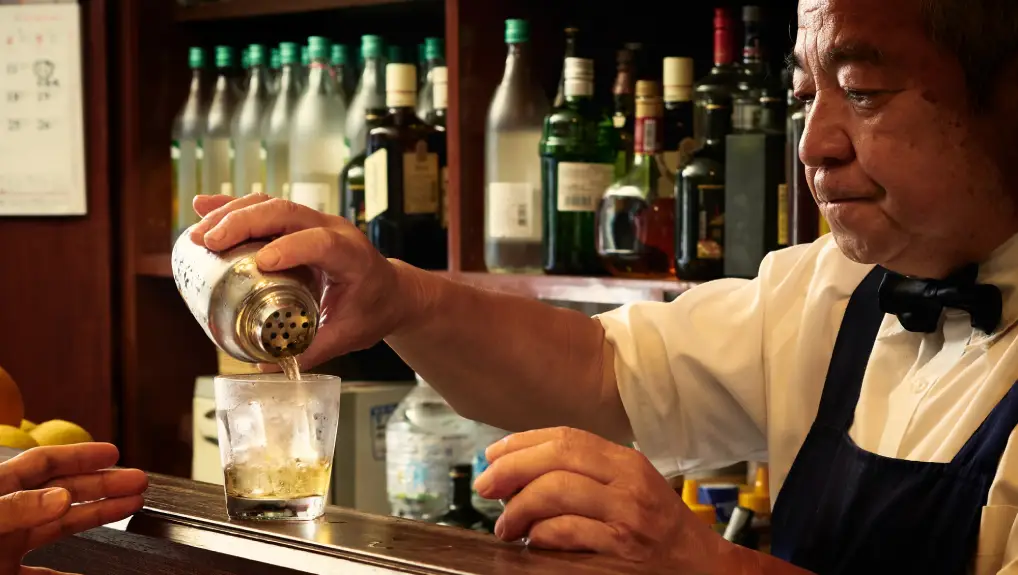
Traditional vs Contemporary Bar Tools
As you look at the differences between bar tools, you’ll notice materials and durability vary greatly; traditional tools use classic, long lasting materials while modern tools might use advanced, longer lasting composites. Design and functionality evolve from functional to ergonomic tools that improve user experience. Finally, precision and consistency are key in modern tools; every cocktail is crafted to exacting standards.
In modern bar tools, the choice of materials makes a big difference in durability and functionality. Here’s what you’ll find:
- Stainless Steel: The go-to for shakers, jiggers and spoons, stainless steel is durable and corrosion resistant, perfect for heavy use.
- Copper: Looks great and good for temperature control but requires more maintenance due to tarnishing.
- High-Tech Plastics: Selected for their flexibility and unique design possibilities in modern tools.
- Maintenance Needs: Regular cleaning and storage improves longevity and performance regardless of material.
You’ll find that aesthetics vs practicality often decides the material choice in modern bar tools.
Looking at modern bar tools reveals that these elements shape the mixology landscape. Contemporary tools prioritise ergonomics so you can mix drinks for longer periods without fatigue. For example, shakers with tapered designs have a better grip, reducing the chance of accidents mid-performance. The aesthetics can’t be ignored; materials like stainless steel and copper are durable and add a modern touch to your bar.
Moreover, the modularity of modern bar tools offers flexibility, making your workspace more efficient and adaptable. This means you’re prepared for any mixing task, making your role easier and more creative.
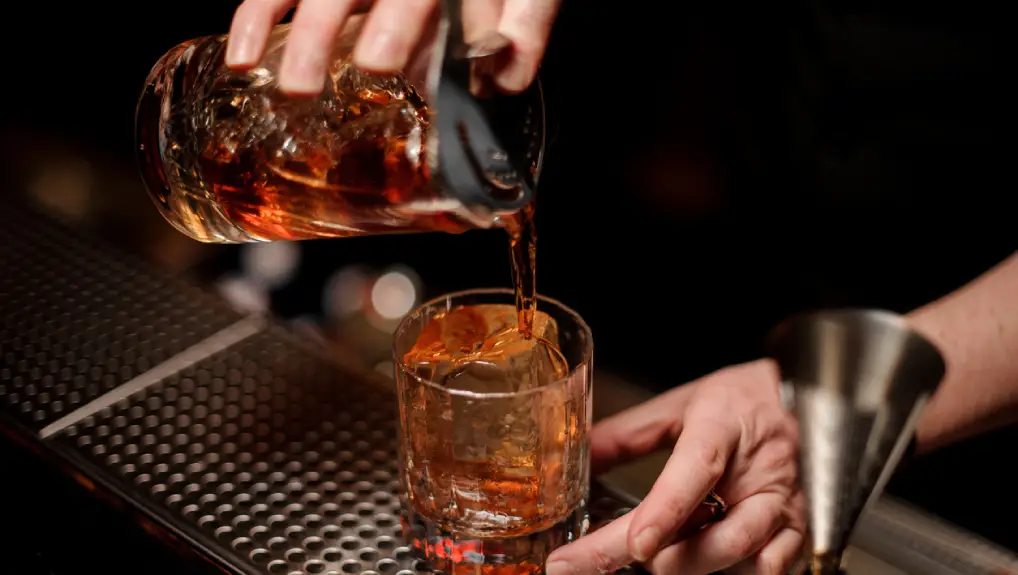
Precision and consistency are the foundation of modern bartending; every cocktail must deliver on taste and quality. Here’s how:
- Jiggers: Essential for precise measurements. Double-sided jiggers allow quick adjustments with no need to switch tools.
- Japanese Jiggers: Internal markings guarantee high accuracy; they’re a favourite for precision and design.
- Precision Liquor Bottle Pourers: Control liquid flow, consistent pours and reduce waste.
- Consistent Pours and Technology: Tools like precision pourers maintain uniformity in every drink. Technology in tools automates processes for consistent results.
You’ll find precision and consistency not only refine the craft but also efficiency and customer satisfaction.
As technology advances so does bartending, new tools change how drinks are made and served. Smart bartending tools part of your modern bar set use digital technology to measure ingredients precisely, minimise waste and ensure consistency in every cocktail.
They’re not just about speed; they allow you to interact more with your customers and enhance their experience. Automated systems and robotic bartenders like TONI now do mixing and serving, taking efficiency to new heights. Perfect for high volume settings, every customer gets a perfectly crafted drink quickly. Meanwhile digital menus and AI-driven data analytics optimise operations and tailor experiences, your bar stays at the forefront of hospitality.
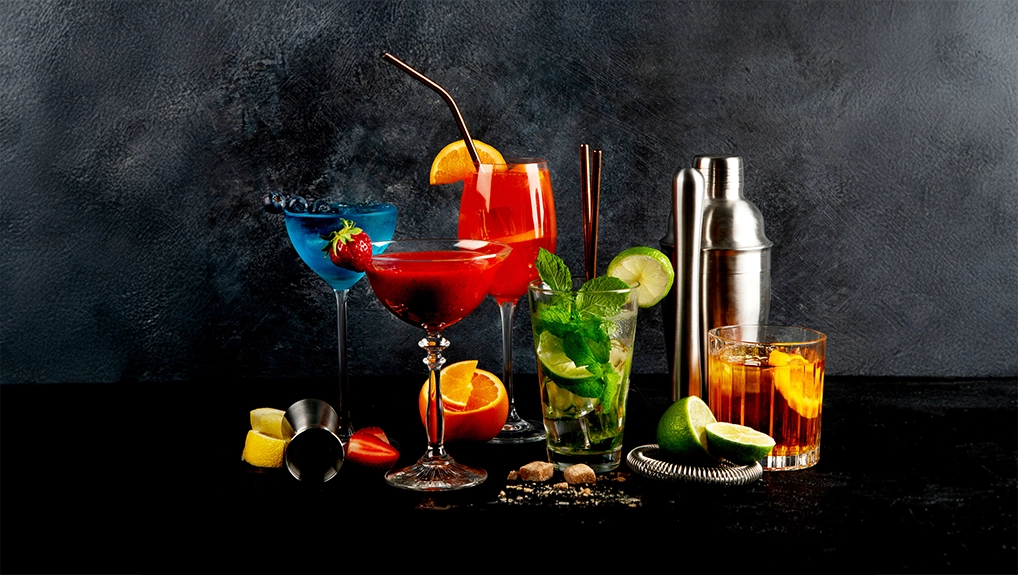
Mixed Drinks
Modern mixology has changed the way we enjoy mixed drinks. New tools and techniques have turned cocktail creation into an art form that’s both innovative and rooted in tradition. Today’s bartenders mix precision with creativity, creating unique and memorable experiences.
| Era | Tool | Impact on Cocktail Creation |
|---|---|---|
| 2000s | Digital Scales | Ingredient precision |
| 2010s | Immersion Blenders | Smooth textures |
| 2020s | Sonic Homogeniser | Flavour extraction |
| Future | AI Recipes | Personalised drink innovation |
These show how technology and mixology are intertwined, pushing the boundaries of mixed drinks.
Automated Equipment
While traditional bar tools have charm, today’s bars use automated equipment to boost efficiency and precision.
Modern mixologists are using these innovations to improve their craft:
- Automated Mixers: These devices ensure consistent cocktail quality by mixing ingredients according to pre-set recipes.
- Smart Ice Machines: Can produce ice in various sizes and shapes for specific drinks.
- Programmable Dispensers: Measure and dispense spirits accurately, reducing waste and ensuring perfect drink ratios.
- Eco-friendly Tools: Sustainable technologies with minimal environmental impact without compromising performance.
This streamlines operations and allows bartenders to focus on creativity and customer interaction.
Automated equipment is changing the face of modern mixology.
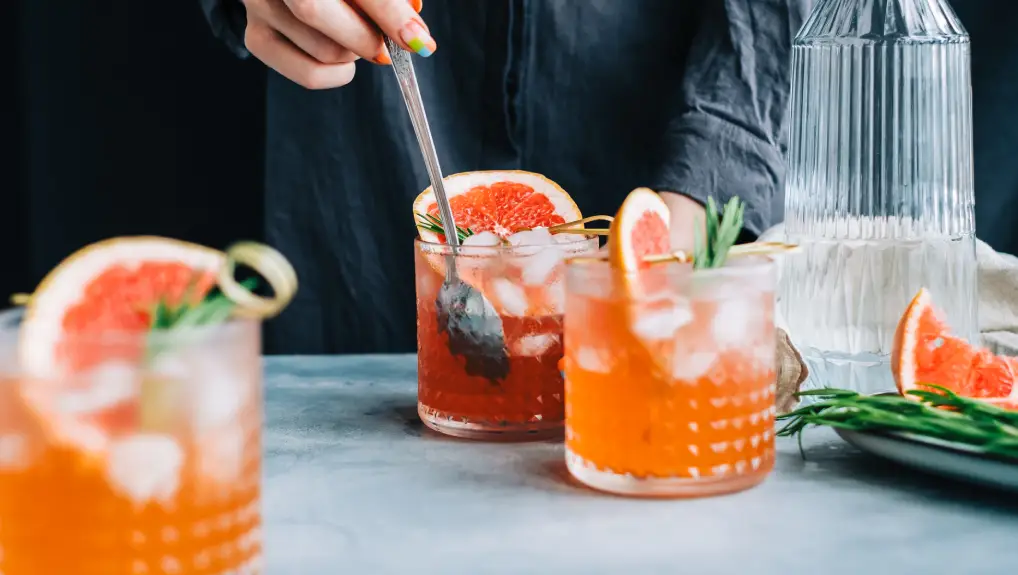
Design Evolution
Moving from the rise of automated equipment in bars we see how the design of bar tools has evolved to meet modern aesthetics and functionality. The design of bar tools has gone minimalist, metal and glass now dominate.
These materials improve the tools’ longevity and look, aligning with modern bar design.
| Material | Benefits |
|---|---|
| Metal | Durable, modern, sleek |
| Glass | Aesthetic, easy to clean |
| Minimalist Design | Less clutter, more efficiency |
| Ergonomics | Better handling, less fatigue |
| Aesthetics | Enhances bar ambiance |
You’ll notice today’s bar tools perform better and contribute to the bar environment’s style and efficiency.
Craft Bartending Revival
As the 20th century ended, a craft bartending revival began, with a renewed appreciation for classic mixology techniques and ingredients. This movement, known as the craft cocktail movement, revitalised traditional bartending, highlighting the artistry and history behind each drink.
Here are some key points of this revival:
- Rebirth of Pre-Prohibition Cocktails: Bartenders dug out old recipe books and brought back forgotten classics.
- Quality Ingredients: Fresh, local and artisanal became the buzzwords for ingredients.
- Cocktail Bars: Establishments devoted to high-quality crafted cocktails started popping up.
- Innovation in Bar Tools: New tools combine modern technology with traditional design, improving cocktail creation.
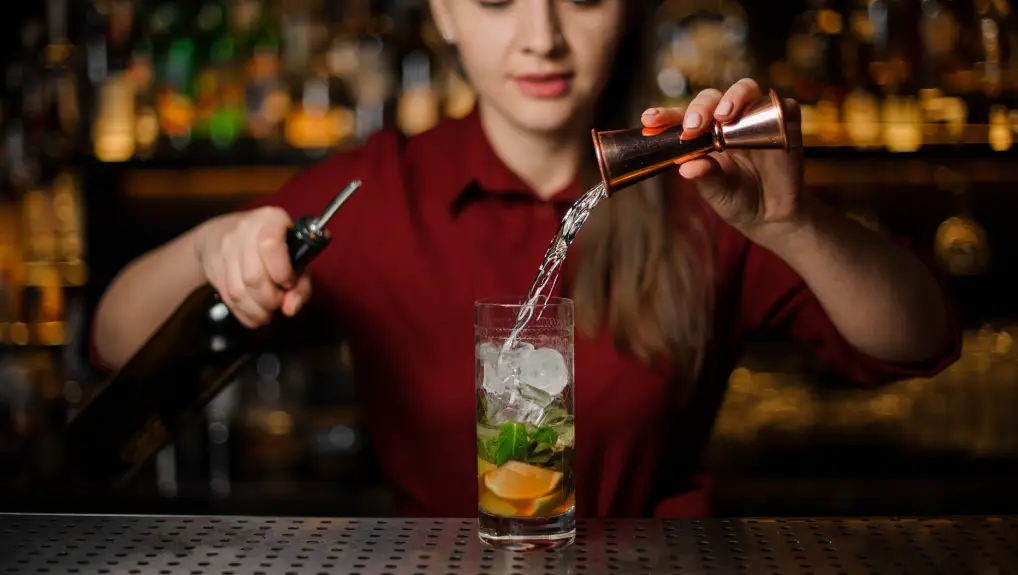
The Evolution of Barware Through History
If you’ve ever enjoyed a chilled cocktail on a warm evening, you’ve experienced the power of the Ice Revolution in mixology. This key innovation brought precise temperature control, which is essential for modern mixology. Suddenly, bartenders could raise the drinking experience and make cocktails delicious and cold.
| Impact | Detail |
|---|---|
| Cocktail Quality | Improved with precise temperature control |
| Bar Equipment | Introduction of ice machines |
| Technological Growth | Enabled mass production of ice |
| Cultural Shift | Shifted cocktail culture to chilled drinks |
This wasn’t just about colder drinks; it influenced bar equipment and technological advancements deep into cocktail culture. Ice is now not only fundamental but also a craft element in mixology.
As barware evolves, so must your business strategy. By diversifying your product line, you’re selling tools as well as the overall customer experience and setting the stage for what modern customers expect. This will differentiate your market presence and position you as a forward-thinking supplier in a competitive industry.
Diversifying your barware range caters to the eclectic tastes of modern consumers. It puts your business at the forefront of the mixology industry.
Here’s how diversifying your product line can transform your offerings:
- Art Deco Movement: Offer glassware that reflects the geometric style of this era, blending history with a modern twist.
- Vintage Inspired Tools: Provide tools that remind bartenders of the heritage of their craft while using modern materials for durability.
- Glassware Variety: Beyond the norm, including unique shapes and sizes for visual appeal.
- Modern Twist: Integrate modern technology with traditional designs to attract nostalgia lovers and tech-savvy customers.
This will ensure you’re covered for all consumer demands.
When you equip your bartenders with the latest barware technology, you’re updating their tools and the customer experience. Modern drinking glasses and mixology tools have clean lines and artistic expression and a rich history that adds to the atmosphere of your establishment.
This blend of tradition and innovation elevates every drink served and turns simple cocktails into experiences. Customers appreciate the attention to detail and the presentation, which can lead to loyalty and reviews.
In today’s competitive market wholesalers who offer both traditional and modern barware stand out, offer unique value to their customers.
Understanding how barware evolution impacts your business is key. Here’s what you need to know:
- Wine Glass Innovation: Modern wine glasses have intricate patterns and shapes, sensory experience and sophisticated customers.
- Crystal Glasses Appeal: High-quality crystal glasses mean luxury, high-end customers.
- Significant Change: Embracing both old and new in barware shows adaptability, which is key to market differentiation.
- Diverse Offerings: A mix of old-world charm and modern design caters to a wider audience, your competitive edge.
Use these insights to position your business in the barware evolution.
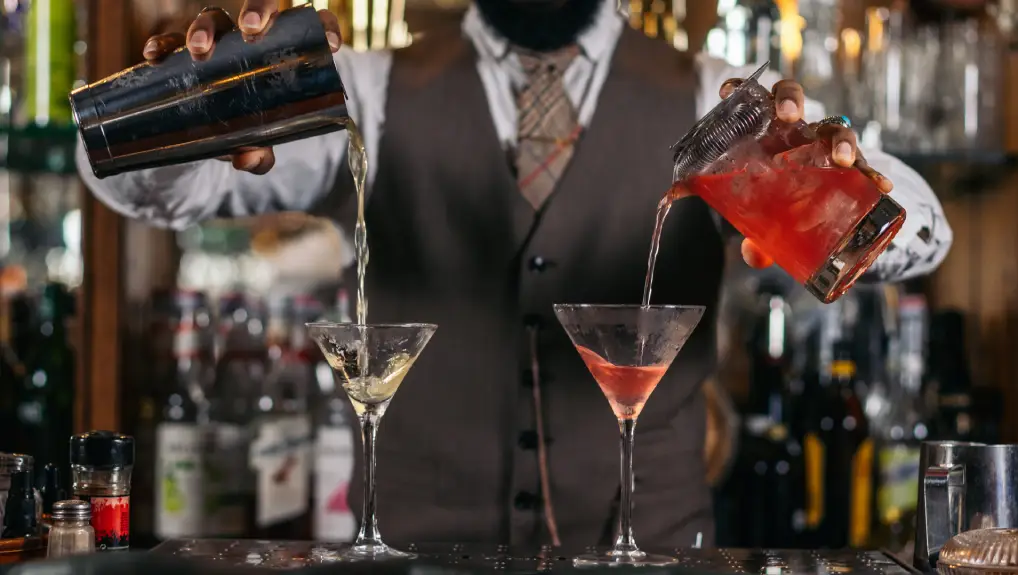
The Role of Bar Tools in the Rise of Mixology
As the range of bar tools has grown, so has the scope for creativity and precision in mixology. You’ve seen how the cocktail shaker isn’t just a tool; it’s a gateway to the craft cocktail movement, allowing you to try new techniques and revive classic cocktails. This isn’t just about making drinks; it’s about making the bartender an artist.
With these tools, you’re not just following recipes—you’re free to experiment, so each cocktail is as unique as you are. The right tool can turn a simple drink into an experience, pushing the limits of what cocktails can be.
The craft cocktail movement may seem like a modern trend. Still, it’s actually a blend of historical practices that have been reimagined through modern innovation. You’re part of a community reinvigorating classic cocktail recipes with a twist, using basic tools like the bar spoon to stir creativity into each glass.
Here’s how you’re making your mark:
- Classic Cocktail Recipes: Rediscovering and reworking drinks from the past.
- Bar Spoon: Essential for layering and precision in cocktail making.
- Modern Innovations: Incorporating techniques like molecular mixology.
- Basic Tools: Using jiggers, shakers and muddlers to perfect each drink.
You’re not just making drinks; you’re crafting experiences with each pour, guided by tradition and modern flair.
Several factors have changed the craft cocktail movement and greatly improved the customer experience by turning a simple drink into a multisensory experience. As a bartender’s guide to creating innovative cocktails, the craft cocktail culture relies heavily on the artistry and precision of advanced bar tools. Your mixing glass isn’t just a container; it’s the stage where flavours come together under your control.
Having looked at the impact of bar tools on customer experience let’s now look at how you can apply this to your own craft as a mixology expert. Elevating your service isn’t just about mastering simple mixed drinks; it’s a blend of artistry, creativity, and a deep understanding of your tools.
- Innovate with tradition: Balance classic methods with modern techniques.
- Embrace your artistic side: View each cocktail as a canvas for your creativity.
- Improve the customer experience: Create memorable moments, not just drinks.
- Choose your tools wisely: Select tools that enhance both the preparation and presentation of your cocktails.
Keep pushing the boundaries of what you can create and serve.
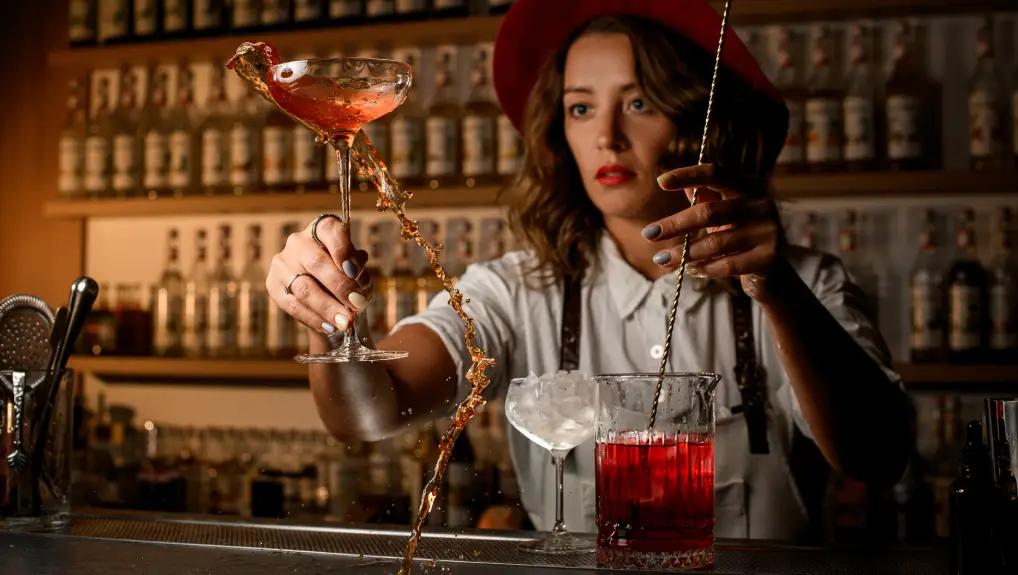
Why the History of Bar Tools Matters Today
You’ll find that knowing the history of bar tools increases your appreciation for the craft involved in making them. It also shows the progress and innovation that have led to better and more consistent cocktails. And understanding these tools’ evolution helps you understand their cultural significance and educational value in mixology.
Appreciation for Craftsmanship
Understanding why the history of bar tools matters starts with appreciating the craftsmanship behind each cocktail. Diving into the tools’ evolution, you’ll see the skill involved in making each drink.
Here’s why this matters:
- Innovation: From simple stirrers to sophisticated shakers, each tool has been refined to improve the flavour and presentation of the cocktail.
- Skill Development: Learning about these tools educates on techniques every flair bartender masters to serve drinks elegantly.
- Cultural Significance: The tools not only reflect the era’s technology but also the social trends and preferences in drinks.
Innovation and Progress
As bar tools have evolved, so has mixology, reflecting broader societal changes and technological advancements. You’ve seen how every new tool has driven innovation, pushing bartenders to explore new horizons in cocktail creation. With each new tool—from simple muddlers to elaborate shakers—mixology has mirrored these advances.
Knowing this history isn’t just academic; it inspires you to think creatively and embrace what cocktails can become. It’s about more than just mixing drinks; it’s about pushing the boundaries of what’s possible in a glass. This journey of innovation is key as it continually redefines and enriches the cocktail experience, making every sip a demonstration of both tradition and progress.
Consistency and Quality
As you explore the history of bar tools, it becomes clear that items like jiggers and shakers have played a big role in standardising cocktails.
Here’s how they impact consistency and quality of your drinks:
- Precision: Jiggers measure exact amounts of spirits and mixers; every cocktail has the right balance.
- Consistency: Shakers mix ingredients thoroughly, with the same taste and texture in every serving.
- Quality Control: Together, these tools help bartenders maintain high standards, ensuring every cocktail served is up to par.
Knowing the history of jiggers and shakers helps you understand why every sip of your cocktail tastes as expected, blending history with each pour.
Cultural Significance
The history of bar tools goes beyond practical use; they’re deeply embedded in the cultural fabric of bartending. When you explore the origins of these tools, you’re not just learning about the tools themselves but also the cultural heritage that has shaped modern mixology. Each tool, from shakers to strainers, has evolved to improve the creation of both exotic cocktails and simple drinks.
They carry stories of innovation inspired by the desire to perfect the art of cocktail making, including tropical drinks that evoke far-off places. Knowing this history adds to your appreciation of bartending as a craft and how bar tools are more than just instruments; they’re vessels of a rich, ongoing cultural saga.
Educational Value
Diving into the history of bar tools sheds light on the evolution of mixing techniques and the cultural shifts in beverage service over the centuries.
Knowing this history offers:
- Technique Mastery: Knowing why a pint glass or two bar spoons became staples can help you craft a perfect mint julep.
- Cultural Appreciation: Each tool’s development reflects societal trends, adds to your appreciation of cocktail history, how lemon juice became a key ingredient in a few cocktails.
- Innovation Inspiration: Historical insights inspire modern innovation, guides you to possibly invent the next big trend in mixology.
You’ll gain more respect and mastery over your craft by exploring these aspects.
Additional Resources
If you want to learn more about bar tools history consider checking out some key books that track their evolution and impact. Also, courses will give you hands-on experience and deeper insights into using these tools in modern mixology. These resources will give you a broader understanding and improve your skills in cocktail creation.
As you explore the history of bar tools, you’ll find supplementing your knowledge with specialised literature will help a lot.
Here are three must-reads:
- “The Joy of Mixology” by Gary Regan – This book covers the craft of mixing drinks from basics to advanced techniques and includes the historical context of how bar tools evolved.
- “Imbibe!” by David Wondrich – A deep dive into the history of American cocktails and bartending, this book looks at the development of bar tools and their impact.
- “Liquid Intelligence” by Dave Arnold – Explores the science behind modern cocktail techniques, a unique perspective on contemporary bar tools.
After reading about the history and development of bar tools, you might want to apply and expand your knowledge hands-on. Online courses like those from the European Bartender School are a great resource. These courses combine theoretical knowledge with practical training; you’ll practice with the tools that have shaped modern mixology.
You’ll not only learn how to use these tools but also understand their historical context which adds to your mixology skills. This way you’ll be well-prepared for contemporary cocktail making and your skills will stand out.
Last Orders
We’ve travelled from ancient bar tools to modern ones, and it’s clear these are more than just accessories; they’re part of the mixology. The evolution of these tools mirrors technology, culture, and taste. Knowing their history helps us appreciate the cocktail-making process. It highlights the creativity and skill of the world’s best bartenders. Here’s to future innovations in bartending!
Knowing where bar tools have come from makes it easier to appreciate what’s available today. If you’re curious about what the modern range looks like, take a look at our wider bar accessories selection at your own pace.