






What is a Professional Bartender’s Choice? When choosing between types of cocktail shakers like: Boston, Cobbler, and French shakers consider your needs.
Alongside this piece, our professional bar equipment selection is worth a look for anyone building or refining a professional setup. For the full breakdown of how each style differs, our types of cocktail shakers guide covers the ground worth knowing before reading on.
Boston shakers are great for speed and volume, mixing multiple drinks fast but require a separate strainer. Cobbler shakers have built-in strainers, great for beginners but can be a pain to clean. French shakers are sleek and durable but you need extra tools like a strainer to make your bar look nice. Each has its pros, and further reading will reveal which one is best for your bar.
Summary
- Which Shaker Should Beginners Start With?: For beginners, the Cobbler shaker is the way to go.
- Pros and Cons at a Glance: Generally the Boston shaker is cheaper because of its simpler design and use of common materials.
- Shaker Types, Materials and Maintenance: Stainless steel shakers are wear and tear resistant, perfect for your home bar and high-volume professional environments.
- Choosing the Right Shaker for Your Type of Bar: Many professional bartenders prefer the Boston Shaker which excels in high volume settings.
- How to Use Each Type of Shaker: Shake for 10-15 seconds. This will combine and chill the ingredients.
- Most Popular Styles and Current Trends: You’ll see the future of cocktail shakers unfold with innovative improvements aimed at professional bars and enthusiasts alike.

Which Shaker Should Beginners Start With?
For beginners, the Cobbler shaker is the way to go. It has a built-in strainer and measuring cap so it’s super convenient and you don’t need any extra tools to learn basic mixology. While it may not be big enough for large parties, it’s perfect for personal use or small gatherings.
When you’re just starting out in the world of cocktail making the Cobbler shaker stands out as a great choice because of the user friendly features. It’s arguably the best cocktail shaker for beginners because it’s easy to use, has a built in strainer so you don’t need extra tools. It’s convenient and cost effective.
Plus many Cobbler shakers come with a measuring cap so you get the proportions right every time. It’s compact size is perfect for small gatherings or personal use and won’t clutter your kitchen. And the vintage look of the Cobbler shaker is stylish to your bar setup, functionality and form.
Cobbler Cocktail Shaker
The Cobbler shaker is a favourite among home bartenders, but professionals might point out some flaws. We’ll go through the pros and cons to see if this type of shaker is for you.
Cobbler Design and Functionality
While the Cobbler shaker’s design might appeal to you because of its simplicity, its functionality really shines for beginners.
This three-piece design consists of a main body which holds the cocktail ingredients, topped with a lid that has a built-in strainer and a cap to close it all up. The built-in strainer makes it easy, no need to use a separate tool to filter out ice and other solid ingredients.
The whole package makes the Cobbler shaker very beginner friendly, you don’t have to juggle multiple pieces of equipment. It’s streamlined so you can focus more on mastering your cocktail craft without worrying about the complexity of a professional setup.
Go for the Cobbler over the Boston shaker if you like convenience and style in your cocktail mixing.
Cobbler Drawbacks
Despite its stylish design and all-in-one functionality the Cobbler shaker isn’t without its flaws. You might find the small capacity limiting especially when you’re looking to mix large batches or complex cocktails with multiple ingredients. The Cobbler’s built-in strainer also has issues; it’s not always effective at keeping bits out of your drink so you might have to strain your cocktail twice.
Also, cleaning the Cobbler shaker can be a pain. It has more parts than other types of shakers so more time spent scrubbing after a busy night. If you’re running a high-volume bar these can be major slowdowns.
What are the common issues with a Cobbler Shaker?
When you’re using a Cobbler shaker you’ll find the cap sticks annoyingly tight after shaking making it hard to open. The built-in strainer might seem convenient but it limits the smoothness of your pour and can clog with finer ingredients. And losing the small cap is a common annoyance and the overall design presents more challenges for cleaning compared to other types of shakers.
Sticking Issues
While the Cobbler shaker looks sleek with its three-piece design it’s not without its problems. One of the main sticking issues you’ll face is when the metal contracts. This happens because the cold from the ice causes the metal to shrink creating a vacuum effect that makes it hard to separate the parts. This can be frustrating especially if you’re working in a busy bar.
Here’s a quick rundown:
- Metal Contracts: Metal shrinks due to cold, increases friction.
- Vacuum Formation: Creates a seal, makes it hard to open.
- Three-Piece Design: More seams means more sticking points.
- Separating Parts: Requires extra effort when it sticks.
Strainer Limitations
If you’re using a Cobbler shaker you’ll notice the built-in strainer presents several issues. The strainer limitations become apparent with larger holes which sometimes allows ice shards and fine ingredients to slip through making messy pours. This can be a real pain when you’re going for a clean presentation in your cocktail.
And if you’re working with muddled fruits or herbs these can easily clog the strainer cap making the shaking process complicated and affecting the consistency of the drink. Getting a precise strain becomes a struggle, you might have to double strain the cocktail which adds to your workload and complicates what should be a simple task.
Cap Loss
Beyond the strainer issues the other common problem with the Cobbler shaker is the cap. The small metal cap on your Cobbler cocktail shaker is easy to lose and can fly off during shaking. This is usually due to the pressure build up from the ice chips and liquid inside.
Here’s a quick rundown of the cap issues:
- Cap Loss: Easy to lose due to its small size.
- Pressure Leak: Can fly off when shaking causes pressure.
- Wear and Tear: Frequent use can loosen the fit of the cap.
- Replacement: Hard to find a matching cap.
Cleaning Challenges
Although the Cobbler shaker looks convenient for its all-in-one design its multiple parts present cleaning challenges. Residues from ingredients like syrups and egg whites stick to the strainer and lid. This can be a real problem if you’re using sticky or fibrous ingredients. Cleaning each part—cap, strainer and cup—means more nooks and crannies for residue to hide.
Stainless steel shakers can withstand rigorous scrubbing but glass shakers are more delicate and need to be handled with care to avoid breakage. You need to fully dismantle and clean each part after use so no old mixtures spoil your next cocktail.
Limited Capacity
Many bartenders find the Cobbler shaker’s limited capacity a major drawback especially when making cocktails in bulk or using voluminous ingredients like egg whites. In a busy cocktail bar efficiency and speed is key and the Cobbler shaker isn’t always up to the task. Its smaller volume means you’re making drinks one at a time which isn’t ideal during a rush.
While it’s one of the best cocktail shakers for home use or smaller settings due to its ease of use in a professional environment this can hinder your ability to serve customers quickly. This makes larger capacity shakers like the Boston more suitable for high-volume situations and a professional bartender’s choice.
Quality Variability
While the Cobbler shaker seems like a practical choice for your home bar it’s worth noting the significant variability in quality among different brands. This can affect your cocktail mixing experience.
Here are some common issues:
- Seal issues: Sometimes the seal isn’t tight, leaks.
- Difficult disassembly: After shaking it’s hard to open.-
- Wear and tear: Components may wear out faster.
- Part replacement: Hard to find specific parts without buying a new set.
- Material quality: Some are made with poor materials that affect durability.
When stocking your bar cart consider these factors along with the French shaker or other shakers.

Boston Cocktail Shaker
You might wonder why the Boston shaker is the go-to for pros. Its design and functionality make it stand out. Fundamentally, it’s two parts—a mixing glass and a metal tin that fits together snugly.
But while these features make cocktail mixing quick and easy to pour, they can be a problem if the seal is too tight or hard to separate after shaking.
Design and Functionality
While many cocktail shakers get attention, the Boston shaker stands out because of its rugged design and functionality. As a professional bartender you’ll love the Boston shaker’s two-part system—a large metal tin paired with a smaller one. This isn’t just sleek, it’s functional, making cocktail mixing smoother and faster. Easy to clean and large capacity means you can mix multiple drinks at once.
Whether you’re shaking up a storm on a busy night or crafting a complex cocktail, the Boston shaker’s design and functionality makes it the top choice for pros. A common staple in professional bars because you can shake multiple cocktails at once, including complex recipes with egg whites.
This type of shaker is a favourite among bartenders for its reliability and speed of service, making it one of the most versatile cocktail tools. Plus it’s super easy to clean, so you can keep your bar tidy.
Immerse yourself in the Boston shaker and you’ll see why it’s so popular.
Boston Drawbacks
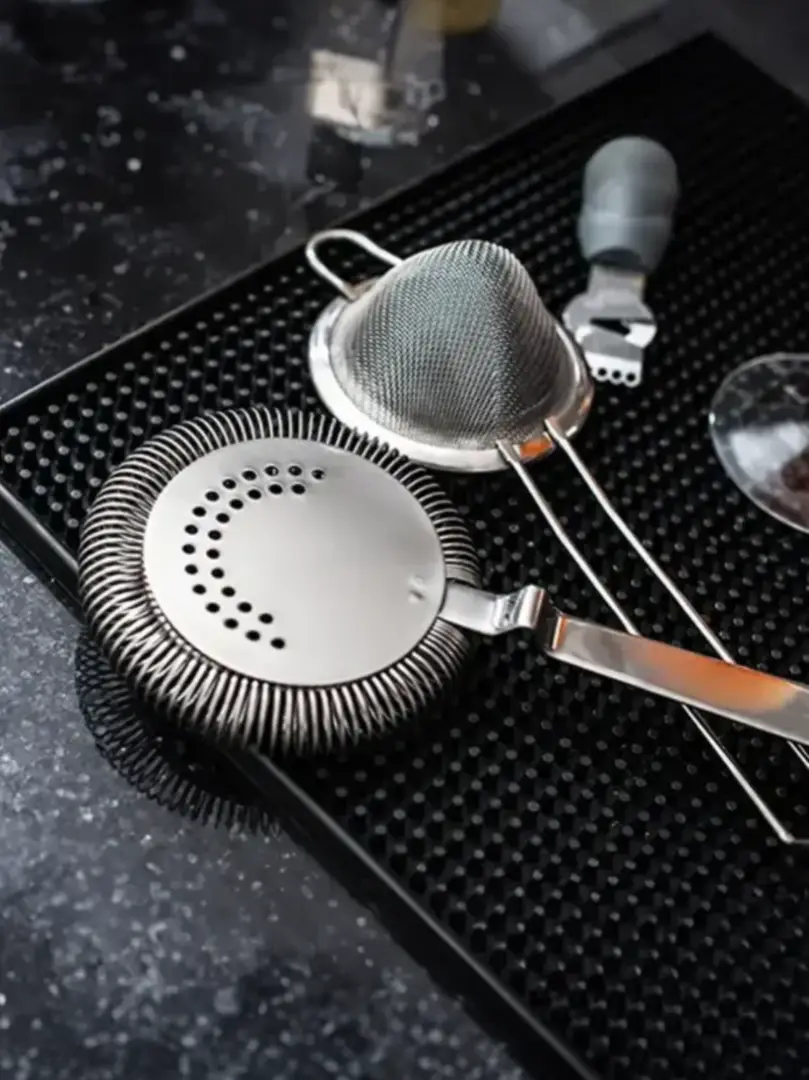
Despite being popular, the Boston Shaker isn’t without its downsides. As a professional bartender you’ll find that the Boston style shaker requires a separate strainer like a Hawthorne to filter out ice and other solid ingredients from your cocktail. This means you’ll have an extra piece of equipment to manage, clean and possibly replace.
While the Boston shaker is a must have for many behind the bar, this can be a bit of a pain especially during a busy shift. Your personal preference may sway you towards simpler all-in-one options if you prioritise convenience and speed.
Ultimately, whether the Boston shaker is for you depends on how you balance its pros against these practical considerations.

What are the main advantages of using a Boston shaker over a Cobbler shaker?
If you’re leaning towards a Boston shaker you’ll love its larger capacity to mix multiple drinks at once. Since its a two-piece design you’ll also find it’s easier to clean. Its versatility and durability makes it a reliable choice for a fast paced bar.
Larger Capacity
One of the main advantages of choosing a Boston shaker over a Cobbler shaker is its larger capacity. This is a game changer if you work in a busy bar. With a Boston shaker you can mix multiple drinks at once, greatly increasing your productivity during peak hours. Unlike the Cobbler shaker which is more suited for individual cocktails, the Boston shaker’s big size allows you to handle the high volume with ease.
Ease of Cleaning
When choosing between a Boston shaker and a Cobbler shaker, consider the ease of cleaning—a crucial factor for both home enthusiasts and professional bartenders.
The Boston shaker, a two-piece shaker, stands out for its simplicity and straightforward design. Unlike the three-piece Cobbler shaker which has a built-in strainer and a cap that can trap ingredients and create more cleaning hassle, the Boston shaker has only two cups. This minimalistic design means fewer crevices for ingredients to get stuck and less time spent scrubbing small parts.
You’ll love how quickly you can rinse and wipe it down, making it a favourite among many professional bartenders who value efficiency and simplicity in their tools.
Versatility
While the Boston shaker may seem simple with its two-piece design, its versatility really shines especially when making cocktails that require vigorous shaking. It excels at mixing drinks with egg whites, with plenty of room for aeration and getting the perfect frothy texture.
Professional bartenders prefer the Boston shaker for its adaptability in cocktail making. Unlike the Cobbler shaker which can be restrictive due to its smaller volume and built-in strainer, the Boston shaker has more room to shake up complex cocktails. This makes it a must have for creative mixology, you can experiment with different ingredients and techniques without limitations.
Durability and Reliability
Considering the demands of frequent use in a busy bar, you’ll appreciate that Boston shakers are more durable and reliable than their Cobbler counterparts. The best Boston shaker has a simpler design with fewer parts, less chance of something breaking or malfunctioning. This is important because many professional bartenders rely on a good shaker to withstand the daily cocktail mixing.
In contrast, while nice for its built-in strainer, the Cobbler shaker has more parts that can wear out or get stuck. This difference makes a big impact on durability and reliability, putting the Boston shaker ahead in these areas.
Speed and Efficiency
A Boston shaker outpaces the Cobbler when it comes to speed and efficiency, it’s a top choice among professional bartenders. You’ll find that a Boston shaker allows for quicker mixing and pouring without the built-in strainer which often slows down the process in a Cobbler shaker.
This means you can serve drinks faster, keep up with the high demands of a busy bar. It’s especially useful when you’re handling a rush of orders. For you, the cocktail fan or home bartender, mastering the Boston shaker may take some practice but the payoff in speed is worth it.
Once you get the hang of it you’ll be mixing drinks faster than ever, impressing your guests and upping your mixology skills.
French Shaker
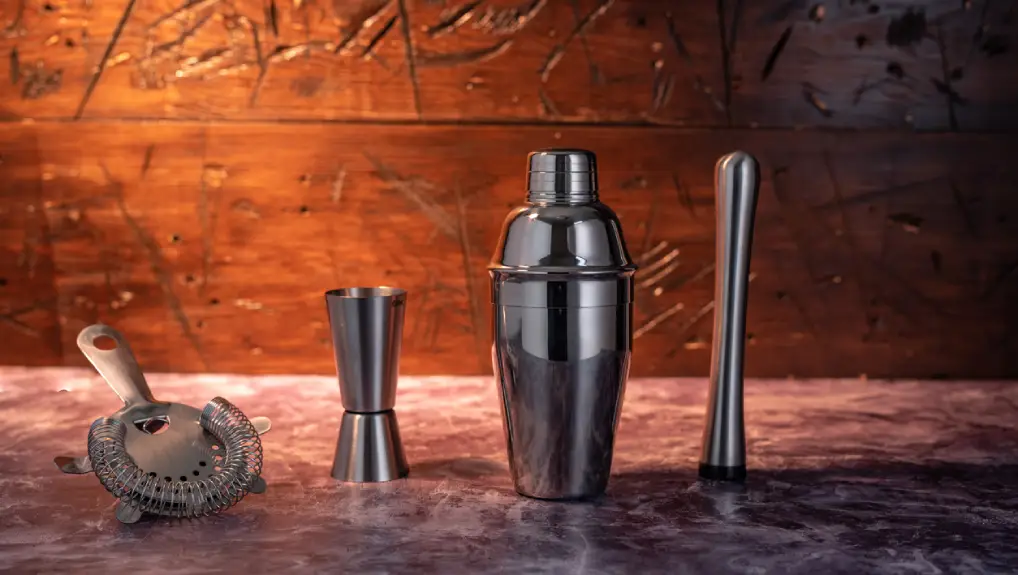
Now the French shaker, it’s a chic combination of style and function, often praised for its design and simplicity. Unlike other shakers the French shaker is only two pieces — metal bottom and metal cap — so it’s easier to handle and clean. But you might find it’s not as fool-proof as the Cobbler when it comes to preventing leaks during shaking.
French Design and Functionality
If you prefer a sleek all-metal option consider the French shaker, known for its two-piece design. Unlike the Boston shaker which often comes with a mixing glass the French shaker (also called Parisian shaker) is all metal. This makes it more durable. You’ll find it a tighter fit than even the best Cobbler shaker so less mess and more efficient mixing.
- All-metal construction: Improves durability and looks
- Two-piece setup: Simplifies assembly and cleaning
- Tight seal: Minimizes leaks during shaking
- Sleek design: Looks stylish
- Rhythmic rattling: Provides feedback to gauge mix consistency
Building on the French shaker’s unique features it’s clear its all-metal design boosts its longevity. This type of shaker not only looks sleek and stylish adding to your bar’s aesthetic but also durable enough for heavy use. You’ll find the metal lid seals tight so no spills when you shake your cocktails, a smoother mix with your bar spoon. While the French shaker brings style and durability to your bartending arsenal it’s not without flaws.
French Drawbacks
- Requires separate strainer: You’ll need an extra tool to filter out ice and herbs, complicating your mix process.
- Harder to open: After shaking the tight seal between the shaker tin and the small cap can make it tricky to separate them.
- More expensive: Buying an extra strainer adds to the cost.
- Time consuming: Needing a separate strainer slows down cocktail preparation.
- Leaks possible: If not sealed properly you might get spills during shaking especially if you’re new to using this favourite cocktail shaker.
What Really Makes Each Shaker Different
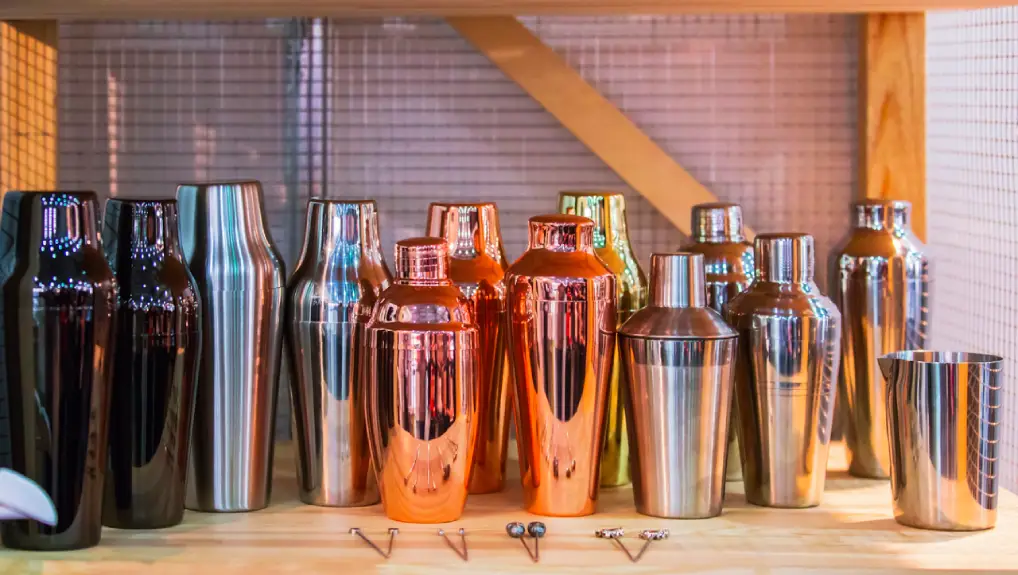
Now that we’ve seen the ease of use and style differences between French and Cobbler shakers let’s see how French shakers compare to Boston shakers in durability.
- Material Quality: French shakers often have high quality stainless steel, same as Boston shakers, for longevity and resistance to dents and corrosion.
- Seal Integrity: Unlike Boston shakers which may show wear at the glass and metal interface, French shakers have a consistent seal due to all metal construction.
- Professional Use: Both shaker types can withstand heavy use in professional settings, but French shakers have fewer parts, so they have fewer failure points.
- Maintenance: With no extra parts like the Cobbler and French shakers, Boston shakers are slightly easier to maintain but both are durable in busy environments.
Boston and French shaker weights
When comparing the weights of Boston and French shakers you’ll find both are designed to balance heft and manageability. Boston shakers like the Cocktail Kingdom Koriko Weighted Shaking Tins weigh around 447 grams. Their solid construction adds weight so the shaker feels solid in your hand as you mix drinks.
A standard French shaker weighs around 430 grams. The slight difference in weight means you won’t feel weighed down even during a long bartending shift. Both have enough weight to mix cocktails without needing a separate measuring cup.

Comparison Guide: Overview of Each Shaker
| Shaker Type | Description | Pros✅ | Cons❌ |
|---|---|---|---|
| Cobbler Shaker | Three-piece design with built-in strainer and cap. | All-in-One Design: Simplifies mixing process. Built-in Strainer: No need for extra tools. Aesthetic Appeal: Improves bar appearance. Durable: Metal construction. | Small Capacity: Limited for large batches. Difficult Cleaning: More parts to clean. Strainer Issues: May not filter effectively. Sticking Cap: Can be hard to open. |
| Boston Shaker | Two-piece design with separate glass and metal tin. | Large Capacity: Mixes multiple drinks at once. Easy Cleaning: Simple two-piece design. Versatile: Suitable for complex cocktails. Durable: Reliable for frequent use. | Requires Separate Strainer: Extra equipment needed. Tight Seal: Can be hard to separate after shaking. |
| French Shaker | Similar to Boston but often more aesthetically pleasing. | Sleek Design: Upscale appearance. Durable: Long-lasting construction. | Requires Separate Strainer: Extra tool needed. Less Common: May not be as widely available. |
Shaker Types, Materials and Maintenance
When choosing the material for your shaker, consider stainless steel for durability and ease of cleaning. Stainless steel shakers are wear and tear resistant, perfect for your home bar and high-volume professional environments.
They’re also easy to clean. Unlike glass shakers, which can chip or break, stainless steel shakers are long-lasting and consistent. You’ll appreciate that stainless steel maintains temperature well, which is important when perfectly shaking icy cocktails. Plus, stainless steel often has smooth interiors that make cleaning even easier.
When choosing a shaker, consider ease of use and how easy it is to clean. Proper care of your shaker will make perfect drinks for years.
- Clean it regularly; wash your shaker immediately after use to prevent residue from setting.
- Use warm soapy water and a soft sponge, focus on the bottom and around the rim where the gunk accumulates (a cleaning agent may be needed).
- Dry your shaker thoroughly to prevent water spots and rust formation—air dry or soft cloth works.
- Store it in a dry, cool place to prevent corrosion.
- Check it often for any signs of wear or loose parts, especially if it’s stainless steel, which is durable but requires some maintenance.
- If rust shows up, treat it with a baking soda paste, then rinse and dry well.
- If your shaker has wood or rubberized grips, make sure they are completely dry to prevent warping or degradation.
Does the material of a cocktail shaker affect drink temperature?
Stainless steel shakers are excellent at transferring heat, meaning they rapidly take on the cold from ice and speed up chilling and dilution. Double-walled or insulated shakers can stay comfortable to hold while still cooling the drink efficiently, but they may slightly slow down the rate at which external frost forms on the tin.
How can I reduce the risk of a Cobbler shaker getting stuck?
Cobbler shakers are prone to “freezing shut” because the metal contracts around the lid when rapidly chilled, especially if overfilled with ice. Leaving a small air gap, avoiding overpacking ice, and briefly running warm water over the joint where the lid meets the tin can make separation easier and protect the shaker from damage.
How often should cocktail shakers be replaced in a professional bar?
With regular use, shakers should be checked frequently for dents that affect sealing, warped rims, or damaged finishes, as these can cause leaks or harbour bacteria. High-volume bars often rotate or replace their most-used tins every few years to maintain reliable seals and professional appearance, even if the metal has not completely failed.
How to Use Each Type of Shaker
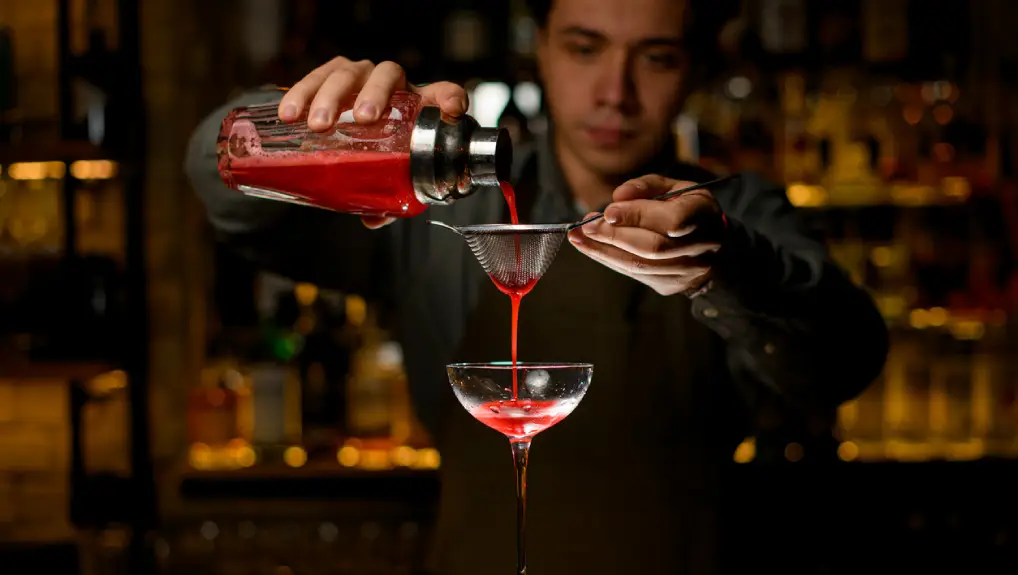
Mastering the Boston shaker is a fundamental skill for any mixologist. It’s precise and efficient in cocktail preparation. Gather your cocktail ingredients. Pour these into the mixing glass part of your Boston shaker. Add ice until the glass is two-thirds full; this will ensure proper mixing and chilling.
Next, seal the shaker by placing the metal tin over the glass at an angle and tapping it to lock them together. Now, shake hard! Shake for 10-15 seconds. This will combine and chill the ingredients.
Finally, use a Hawthorne strainer to pour your well-made cocktail into a chilled glass. Enjoy!
While mastering the Boston shaker takes practice, a few tips will make the process smoother and easier.
First, make sure you have a good shaker with a tight seal; this is essential to mix ingredients without spills. When adding your ingredients to the Boston shaker, always add the liquids before the ice. This will prevent the ice from blocking the flavours. To get a tight seal, hit the top of the shaker with the heel of your hand until you feel it click into place.
To break the seal after shaking, tap the side where the glass and metal meet.
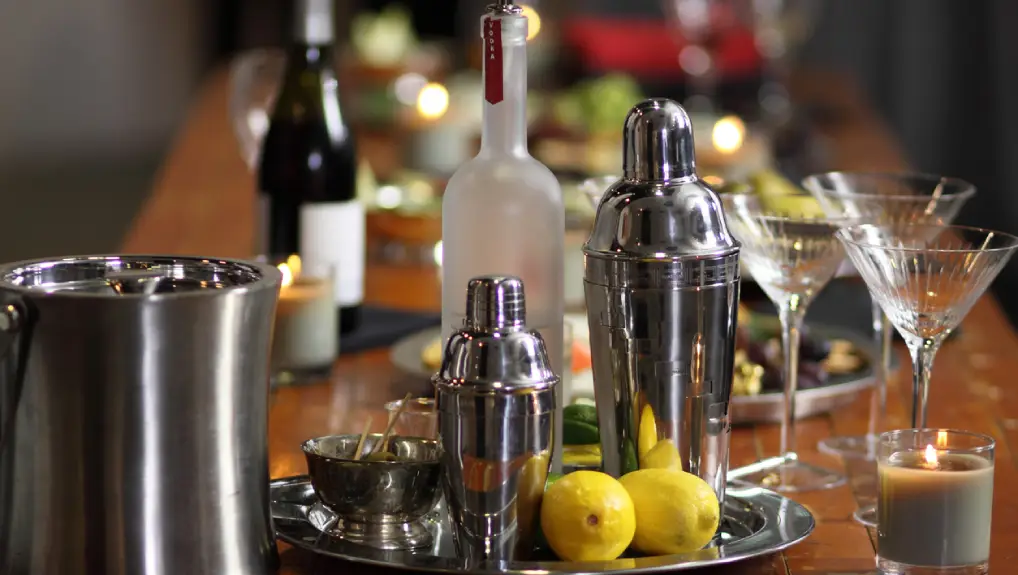
Start your mixology journey with the Cobbler shaker, which is easy to use for both beginners and pros. This cobbler shaker has a built-in fine strainer and a snug-fitting cap, making the shaking process easy. Gather your ingredients and pour them into the shaker. Add ice and fill the shaker about two-thirds full to chill the mixture.
Firmly seal the shaker and shake hard for 10-15 seconds to mix and chill the contents. Strain your freshly shaken cocktail into a chilled glass using the fine strainer. This is essential to make smooth cocktails with no ice shards or herbs.
If you’re starting with a Cobbler shaker you’re in good hands. This shaker is perfect for beginners with its built-in strainer and simple design. It’s perfect when you want to mix at home without fussing over extra bar tools.
When using your Cobbler shaker always make sure to tap the cap firm before shaking; this will prevent leaks and secure the parts together. Once you’re done shaking the fine mesh strainer will make pouring smooth and easy, no ice shards or herbs will get into your glass.

Entering the world of French cocktail shakers and you’ll find they offer style and functionality hard to beat. Known for their three-piece construction, these shakers have a cup, a built-in strainer and a cap. Gather your fresh ingredients and pour into the French shaker. Remember to add ice, fill the shaker about two-thirds full to chill.
Next, seal the shaker tight. This will prevent any spillage while you’re shaking hard for 10-15 seconds. When you’re done, the integrated strainer will filter out ice chips as you pour your cocktail into a chilled glass.
While you’ve mastered the basics of a French shaker, to improve, you need to know some advanced tips. Align the cap with the base, and you’ll get a tight French shaker fit, no leaks and efficient ingredient blending. Unlike some shakers the French shaker often has an integrated strainer, makes your workflow smoother. Use this to pour your cocktail from shaker to glass, less mess and time saving.
Also, practice with a pint glass before using the shaker to get a feel for the weight and balance. This will help you perfect your shake and get a well-blended cocktail that will impress.
Pros and Cons at a Glance
Now let’s move on to the cost, a big factor in your decision.
When choosing between a Boston and French shaker you need to consider the cost. Generally the Boston shaker is cheaper because of its simpler design and use of common materials. This makes it a good choice if you’re on a budget or buying multiple units.
The French shaker often comes with a higher price tag. This is because of its all metal construction and more elegant design. While the aesthetics and feel of the French shaker might be worth the cost for some, you need to decide if those are worth the extra investment compared to the more practical Boston shaker.
In short if cost is your top priority the Boston Shaker is the more affordable option. But if you like the sophistication and style of the French shaker be prepared to spend a bit more.
Remember the right choice is a balance of cost and your personal preference in tools.

Choosing the Right Shaker for Your Type of Bar
When choosing the right shaker for your bar consider the specific needs of your setup. If you’re setting up a professional bar you’ll need a shaker that can handle high volume service and complex cocktails. For those setting up a home bar ease of use and maintenance might be your top priority.
Choosing the perfect shaker for your professional bar is key to maintaining a fast paced, efficient cocktail service. Many professional bartenders prefer the Boston Shaker which excels in high volume settings. Its simple two piece design, a mixing glass and a metal tin, allows for quick and efficient cocktail making and easy cleaning.
The French Shaker, known for its durability and secure seal might be your choice if consistency is your top priority. It’s a combination of style and functionality perfect for professional environments.
Choosing between these depends on your bar’s needs and the expertise of your staff in handling these tools in a busy environment.
Setting up your home bar requires the right tools and choosing the perfect shaker that fits your style and needs is key. The Cobbler Shaker is your best bet if you’re new to mixing drinks. It’s easy to use and perfect for casual entertaining. If you want to experiment more and get a professional feel go for the Boston Shaker.
| Shaker Type | Best For |
|---|---|
| Cobbler | Beginners, easy handling |
| Boston | Experimentation, pros |
Each shaker has its own advantages for your home bar. Whether you’re serving a simple martini or a complex cocktail having the right shaker makes all the difference in your cocktail crafting experience.
How to Decide Which Shaker Fits You
As a professional mixologist you’ll likely prefer the Boston shaker for its great versatility and capacity, perfect for making many drinks. This two piece cocktail shaker, known for its simplicity and effectiveness, is a classic in any cocktail bar. It’s a large glass and metal tin, for quick chilling and mixing of ingredients. While the best cobbler shaker might seem tempting with its built in strainer, the Boston Shaker offers more control and faster workflow, which is key in a busy environment.
The French shaker, often praised for its elegant shape and robust construction, is the choice for those who value durability and style in their barware. Also known as the Parisian shaker, it combines the practicality of the Boston shaker with the convenience of the Cobbler’s strainer, it’s a favourite in the cocktail world.
Here’s why you should get one:
- Sleek Design: Its streamlined look isn’t just for show; it’s designed to be functional and beautiful.
- Built-In Durability: Made for heavy use, it can withstand the demands of a busy bar.
- Integrated Strainer: Simplifies your toolkit by having a strainer, makes it more user friendly and efficient.
Most Popular Styles and Current Trends
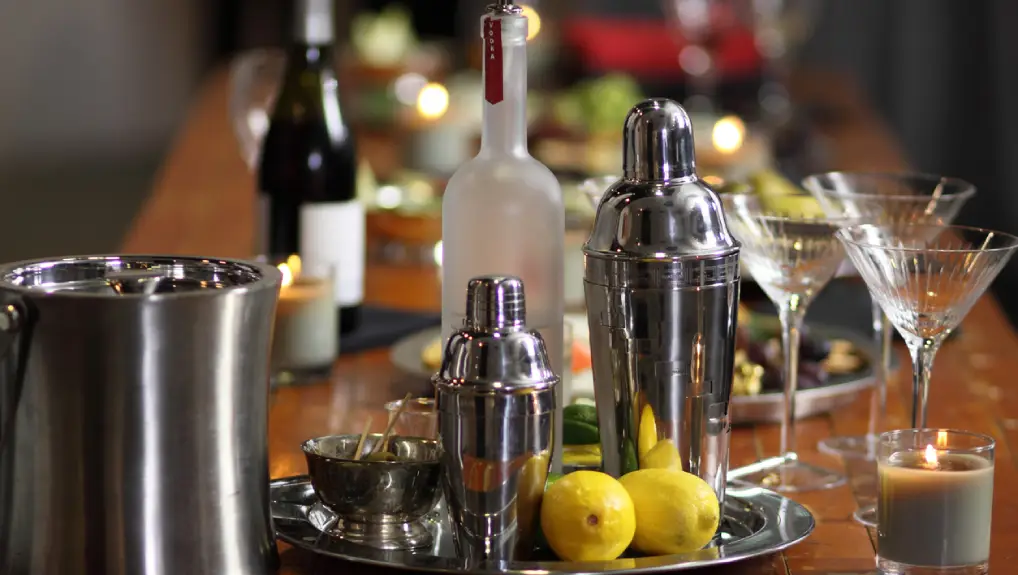
As bartending continues to evolve, modern mixologists are increasingly selecting tools that perfect their craft and improve the visual appeal of their setups. You might have noticed the resurgence of the classic three-piece shaker in upscale bars. Its elegant design elevates the overall presentation. Meanwhile, the two-piece cocktail shaker styles, or the Boston shaker, remains a favourite for its versatility and efficiency, vital in a fast-paced bar environment.
| Shaker Type | Popularity | Ideal Setting |
|---|---|---|
| Boston | Very High | Professional bars |
| Cobbler | Medium | Home use |
| French | Increasing | Upscale bars |
Choose wisely to blend functionality with aesthetics, ensuring each cocktail you craft is a masterpiece.
As the bartending scene continuously evolves, so does the technology and design of cocktail shakers. You’ll see the future of cocktail shakers unfold with innovative improvements aimed at professional bars and enthusiasts alike.
Expect materials that improve durability and add an eco-friendly touch. Sleek, ergonomic designs will likely become the norm, making shakers more comfortable and efficient during those busy shifts. Moreover, integrated technology might just revolutionise how you mix your drinks. Imagine shakers with built-in measurement tools or digital interfaces that suggest recipes based on available ingredients.
It’s an exciting time, and these advancements will certainly raise the art of cocktail making, ensuring every shake isn’t just a mix, but a masterpiece.

Last Orders
In summary choosing the right cocktail shaker depends on your bartending style and needs. The Boston Shaker is versatile and many pros favour it for its simplicity and efficiency.
The Cobbler shaker’s built-in strainer is convenient but can jam. The French shaker is stylish and comparable in weight to the Boston. Knowing these nuances will help you choose the perfect shaker to improve your cocktail skills.
Behind every professional bartender is a carefully chosen set of tools. See everything you need for your bar setup in one place and find what rounds out your collection.