



The cost breakdown for setting up a commercial bar costs £10,000 to £50,000 covering glassware and refrigeration units, inventory of various drinks and mixers and customisation to your bar theme. You’ll need to budget for licenses, permits and ongoing costs of staff, rent and utilities.
Before we get into the numbers, it may be useful to browse our wider bar equipment collection to get a sense of what you’ll need to budget for. For the full framework behind building an efficient setup, our guide to setting up a commercial bar efficiently sets the scene well.
Investing in good quality equipment and efficient stock management can reduce long term costs. There’s more to consider to understand running a successful bar.
Summary
- Total setup costs £10,000 to £50,000 including equipment, inventory and renovation.
- Essential equipment glassware, refrigeration units and cocktail shakers.
- Licenses and permits £500 to £2,000.
- Ongoing expenses staff salaries, rent, utilities and marketing.
- Specific setups like wine or sports bars require additional specialist equipment and decor.
Planning Your Bar for Your Venue
Before you dive into the world of commercial bars, you must first define your bar concept.This is the first step as it will guide your bar design and help you connect with your target market.
Who do you want to attract? Will you design a trendy cocktail bar for a younger crowd or a neighbourhood pub for an older clientele?
Your concept will influence everything from the ambience to the drink menu, so your offerings will resonate with your intended customers. A well defined concept is the foundation of a customer focused bar.
Having defined your bar concept, it’s just as important to understand who your potential customers are. Identifying your target market is key to designing a commercial bar that resonates with specific demographics.
Are you targeting trendy young professionals or a more mature crowd?
Each group has different preferences and spending habits. Analyse local demographics, current trends and competitor offerings to pinpoint your ideal customer base.
This will ensure your bar meets the expectations and desires of those you want to attract, ultimately optimising your venue’s success and customer satisfaction.
Tailor your approach to your target market. As you plan your commercial bar, you need to choose the right type. Will it be a sports bar with its lively atmosphere and big screens, a cocktail bar with its sophisticated ambiance and specialty drinks or a neighbourhood bar which becomes a local hangout, best fits your vision and target market.
Each type attracts a different customer base and sets the tone for your establishment’s overall vibe and operational dynamics.

Sports Bars:
If you’re targeting sports fans, a sports bar might be the way to go.
The key is to get the bar layout right and create an engaging atmosphere. Think about multiple large screens and every seat having a good view. Your layout should allow for easy movement for staff and customers, especially on busy game days.
Sports themed decor can enhance the environment. Such an environment draws in sports fans and keeps them longer and coming back, increasing your venue’s popularity and profitability.
Cocktail Bars:
While sports bars capture the game day energy, cocktail bars cater to a different demographic by focusing on mixology and a more refined environment.
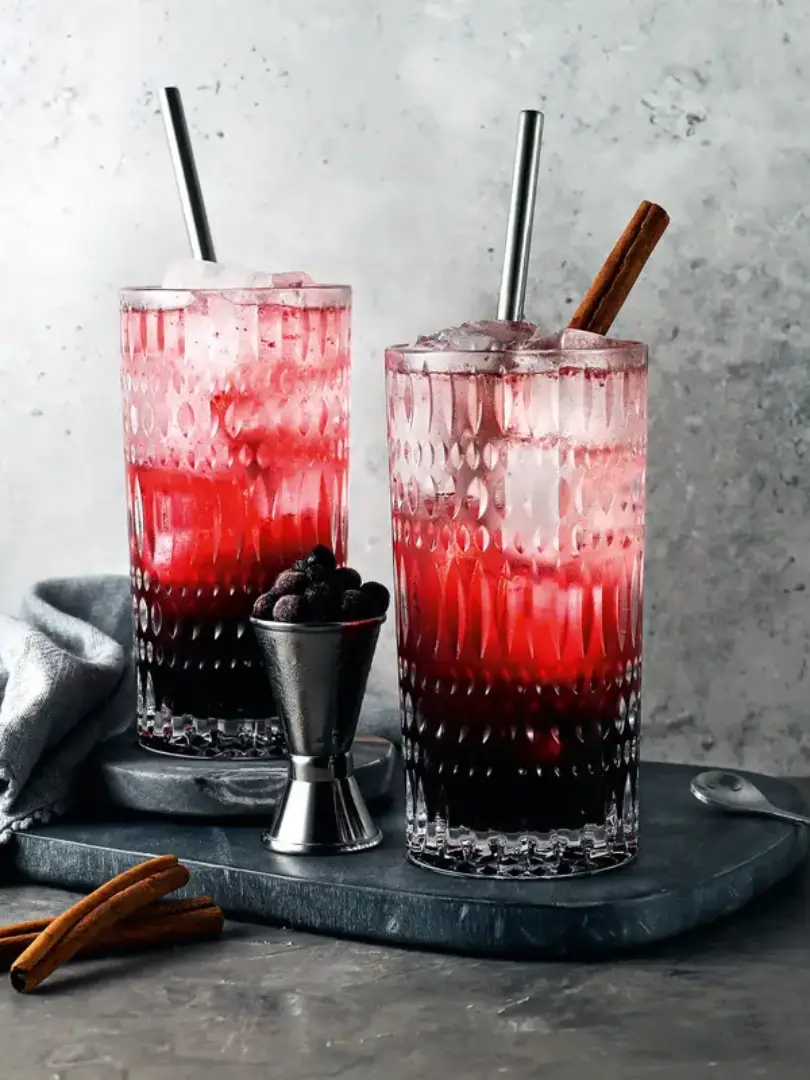
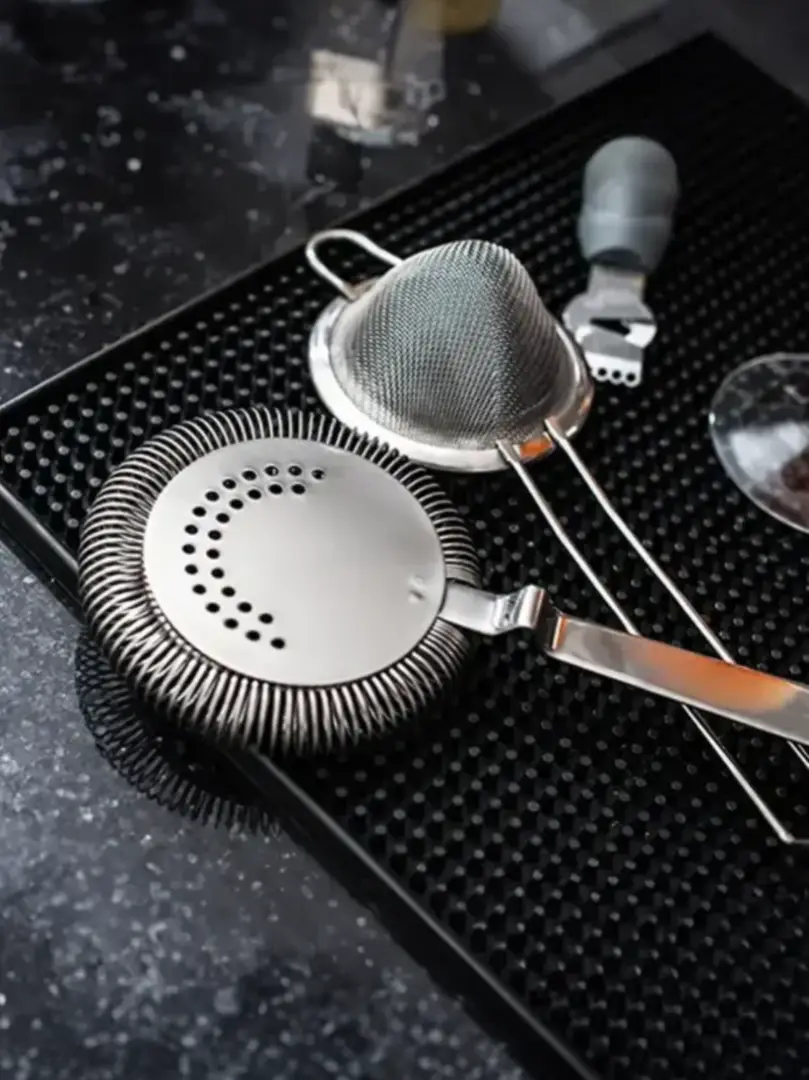
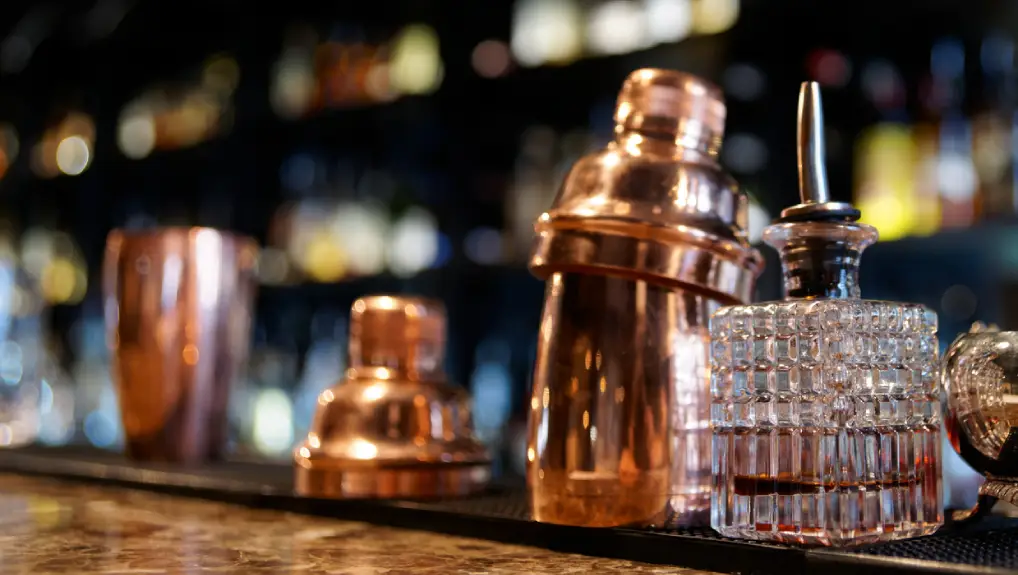
You’ll need to evaluate commercial bar design that is elegant and sophisticated. This means choosing bar equipment that can support a wide range of cocktail preparations—think high quality shakers, strainers and ice machines that are functional and stylish.
Your setting should encourage customers to linger over their drinks, with a layout that allows for interaction but still feels upscale. It’s all about creating an environment where craft cocktails are the stars.
Neighbourhood Bars:
Many aspiring bar owners find neighbourhood bars attractive because of their reputation as friendly local spots that foster a sense of community among regulars.

When planning your neighbourhood bar consider these key elements:
- Welcoming Atmosphere: Create a bar area that feels like home.
- Community Focus: Host local events to build community.
- Consistent Quality: Regulars expect the same great experience every time.
- Comfortable Work Environment: Make sure staff are happy as their mood impacts customer service.
- Accessibility: Easy for locals to pop in any time.
These will make your neighbourhood bar thrive.
To have a successful bar you need to develop a Unique Selling Proposition (USP) as it sets you apart from the competition. What makes your bar unique—perhaps a cocktail menu featuring local ingredients or decor that reflects your local area’s history?
This localised approach attracts customers interested in community and sustainability and gives your venue a point of difference. Your USP should tap into what the local community values and creates a connection that turns first time visitors into regulars.
In the fast paced bar industry staying on top of trends like hyper-localisation, the moderation movement and digital loyalty programs is key.
You’ll find focusing on these areas not only appeals to customer preferences but also makes your bar more relevant and competitive.
Implementing these trends thoughtfully will improve your customer experience and ensure your venue remains a popular destination.
Hyper-localisation:
As you plan your commercial bar consider hyper-localisation to stay current. Using locally sourced ingredients reduces your carbon footprint and makes your bar more appealing by offering a local flavour.
Here’s how you can incorporate hyper-localisation:
- Engage Local Suppliers: Build relationships with local farmers and producers.
- Craft Unique Beverages: Create signature drinks using local ingredients.
- Seasonal Food Menu: Rotate dishes based on local produce.
- Educate Bar Staff: Train your team on the benefits and sources of local products.
- Market Local Ties: Promote local sourcing in your marketing campaigns.
Moderation Movement:
Building on the local and sustainable theme, the Moderation Movement is another strategic approach to keep your bar on trend.
By offering low-ABV and alcohol-free drinks you’re not only catering to health conscious customers but also tapping into a growing trend. These options should be creative and appealing so they stand out as much as traditional alcoholic drinks.
Incorporate these drinks and you’ll expand your customer base and have a competitive edge. Always stay ahead by updating your menu with new, tasty options that meet these changing demands.
It’s a smart move for sustainability and success.
Digital Loyalty Programs:
Using digital loyalty programs can boost your bar’s customer retention rates and overall revenue.
By integrating these with your POS you’re not just tracking sales you’re building relationships.
Here’s why you should:
- Personalised Offers: Offer rewards tailored to guest preferences.
- Increased Visits: Encourage customers to come back more often.
- Data Insights: Understand buying behaviour to improve service.
- Social Sharing: Encourage patrons to share.
- Ease of Use: Simple for staff and customers.
Implementing a digital loyalty program at your restaurant bar is a smart move to stay competitive and connected.
Why not ask the source to perfect your bar concept? Gathering customer feedback is key.
By using surveys, focus groups or social media polls you’ll understand what your potential customers want in a bar space. This direct interaction helps you tailor your offerings to meet expectations so your bar resonates with your target market.
Don’t just guess what they want; ask them. This proactive approach not only refines your concept but also builds a connection with customers, making them feel involved and valued.

Step-by-Step Guide to Opening Your Bar
Choosing the right location for your commercial bar is important as accessibility and foot traffic will be a big factor in its success.
Here’s what to consider:
- High Visibility: Choose a spot that’s visible to passersby. This will attract spontaneous visitors who are bar hopping.
- Public Transport: Make sure your bar is near bus routes or train stations. Accessibility is key especially if you’re a small local bar.
- Pedestrian Areas: Areas with sidewalks and pedestrian zones will have more foot traffic.
- Proximity to Hotspots: Being near other popular venues like restaurants and clubs will allow you to tap into an existing flow of customers looking for the perfect spot to continue their night.
Before you choose a location you’ll need to make sure it meets local zoning and planning regulations. Navigating zoning laws is key to setting up your bar business. These regulations define where a bar can operate and the space requirements. You’ll need to get permits to serve alcohol and possibly modify the premises.
Knowledge is key to avoiding costs and legal issues. Check with your city or county’s planning department for the details and guidance. Being compliant from the start will make life easier for your business and keep you in good standing with your community. Don’t miss this step out.
Now you’ve chosen a location for your bar you’ll need to decide on the type of business entity to set up. Choosing whether you’ll be a sole trader, partnership, LLC or corporation will affect your liability and tax obligations. You’ll then need to register your business with the relevant state authorities to make sure everything is above board.

Choosing the right business entity is key to your commercial bar. Here’s your options:
Select a Business Entity
- Sole Trader: Easy to set up, total control but your assets aren’t protected from business liabilities.
- Partnership: Good if you’re teaming up. Like a sole trader it’s simple but involves shared liability.
- LLC (Limited Liability Company): Provides liability protection, separates personal assets from business debts. Flexible and popular for many bar owners.
- Corporation: Has the highest liability protection but more complex and costly to manage.
Choosing the right business structure like an LLC will protect your interests and simplify things.
Register Your Business
Once you’ve chosen your business entity the next step is to register your business. You’ll need to get the necessary state and local registrations to make your new bar business legal. This will involve getting a food service license (if you’ll be serving food) and a specific license to serve alcohol. Don’t forget to apply for an employer identification number (EIN) from the IRS which is required for tax purposes and hiring employees.
Each step is crucial to setting up your bar’s structure and operations legally and smoothly. Make sure you’re fully registered and compliant so you don’t have any legal hiccups as you launch into the hospitality industry.
Now you need to fund your bar idea. You can look into attracting investors or getting a loan depending on your financial situation. A detailed budget is important to show potential financiers exactly where their money will go.

Investors or Loans
Funding is key to launching your commercial bar as it covers all the startup costs you’ll encounter.
Here’s how to navigate the funding:
- Assess Your Needs: How much will you need to cover all startup costs?
- Loan Options: Check with banks and credit institutions for business loans with good terms.
- Pitch to Investors: Prepare a business plan to attract investors in the hospitality industry.
- Partnerships: Partnering with someone who shares your vision can provide funding.
Many bar owners choose between investors or loans based on their long term business goals and short term financial needs. Choosing the right funding is key to opening your bar.
Now you have designed your space it’s time to focus on hiring your team. You’ll need skilled bartenders and barbacks to run your operation. Also good management is key to overseeing daily operations and maintaining high standards.
Bartenders and Barbacks
Hiring the right bartenders and barbacks is crucial for your commercial bar. These staff are the backbone of your business. They will ensure drinks are made correctly and efficiently and the bar runs smoothly during peak times.
Here’s what to look for:
- Personality and Skill: Outgoing personalities with multitasking skills.
- Experience: Prioritise those with experience in a fast bar environment.
- Menu Knowledge: Can they make all menu items perfectly.
- Service Standards Training: They must adhere to your bar’s high service and cleanliness standards.
With the right team you’ll ensure every customer leaves happy and looking forward to returning.

Management
Once you have your bartenders and barbacks ready to make every visit memorable it’s time to focus on hiring experienced managers to run the daily operations of your commercial bar. You want managers who know the ins and outs of bar management and can promote your brand through excellent service.
Look for candidates with hospitality experience and attention to detail. They should be able to multitask, resolve conflicts and maintain a positive work environment. Interview thoroughly and consider their experience in similar bars.
Remember good managers are key to your bar running smoothly and building a loyal customer base. Choose well and you’ll set your business up for success.
Essential Equipment and Operation Costs
When setting up a commercial bar whether it’s a cosy wine bar or a busy sports bar you’ll face unique equipment and operational costs. You’ll need to budget for essential items like glassware, bar tools and refrigeration units for your bar type. Plus ongoing expenses like utilities, staffing and maintenance will vary greatly depending on your bar size and location.
Bar Owners
Understand the essential equipment and operation costs as you start up your commercial bar.
You’ll need to consider:
- Liquor License: Essential and potentially costly depending on your location.
- Bar Equipment: Everything from glassware to refrigeration units.
- Operating Costs: Utilities, staff wages and maintenance.
- Business Plan: Key to mapping out your bar setup costs and strategy.
Investing in good quality bar equipment upfront can save you money in the long run by reducing the need for replacement and repair.
Remember the right business plan will help you manage your finances and your bar will be profitable.

Wine Bar
If you’re setting up a wine bar you’ll need to focus on the essential equipment and operation costs for this type of bar.
First get a business license to serve alcohol. Setup costs can be high so budget wisely between equipment costs and stock that aligns with your bar concept. Invest in good quality wine fridges, proper glassware and a sophisticated point-of-sale system.
Remember the ambiance is key in a wine bar so factor in the cost of decor and furniture that matches your concept. Finally ongoing costs is restocking wine and maintaining equipment so your wine bar is the popular spot.
Sports Bar
When setting up a sports bar the equipment and operation costs are very different from a wine bar. Essential items for a sports bar include multiple large screen TVs, sound systems, sports memorabilia and gaming areas.
Here are the key factors to consider:
- Multimedia Setup: High quality, large screen TVs and advanced sound systems to improve game viewing.
- Gaming Equipment: Pool tables, dart boards and video game consoles.
- Decor: Authentic sports memorabilia and comfortable seating.
- License Fees: Cost for broadcasting sports events.
Understanding your target market is key. The average setup costs will be higher due to these specialist requirements. But good financial projections will help you manage these operational costs.
Ice Tools and Machines
When setting up your commercial bar don’t forget the importance of ice tools and machines, these are essential for perfecting your drinks. Invest in good quality ice makers, they range from £500 to £2,000 depending on cube, flake or nugget ice. You’ll also need ice picks and tongs for shaping and handling ice, these cost between £10 and £50.
Don’t skimp on ice crushers either. They range from £50 to £200 so you can cater for any drink specification. Remember purchasing equipment that meets all your needs will improve the quality of your drinks and efficiency of service. Prioritise these tools to keep your drinks and customers cool.
Bar Furniture and Fixtures
Next consider the essential elements of bar furniture and fixtures that are key to your business functionality and ambience.
You’ll need to invest in:
- Bar Counters: Fundamental to operations, costs £500 to £2,000.
- Stools and Seating: Comfort is key, costs £100 to £500.
- Shelving and Storage: Allocate £200 to £1,000 for organisation.
- Renovation Costs: These will vary depending on your requirements and scale of your project.
Choosing the right bar furniture improves both the look and the setup. Don’t underestimate the impact of well chosen stools and seating on customer comfort and satisfaction. Plan your budget to include these essentials.
Beverage Equipment
Once you’ve got your bar set up with the right furniture and fixtures you need to focus on the beverage equipment, the core of your bar.
Cocktail shakers and mixers for your signature drinks cost between £20 and £100. You’ll also need blenders between £50 and £200 for frozen cocktails and smoothies. Remember juicers are between £50 and £200 and are essential for fresh cocktail ingredients. Finally coffee machines between £200 and £1,000 are vital for hot drinks.
Investing wisely in these tools will improve your bar’s efficiency and customer experience.

Point of Sale (POS) Systems
While you’ve got your bar set up with the right beverage tools you must have a robust Point of Sale (POS) system to streamline your operations and customer service. A good POS system fits into your bar business plan and helps with financial management and professional fees.
Here’s what to consider:
- Integration: Does it work with your existing setups.
- User-Friendly: Easy for your staff to use.
- Data Reporting: Critical for sales and customer trends.
- Support and Maintenance: Factor in ongoing costs for updates and support.
Investing in a good POS system simplifies transactions. It gives you valuable data to manage and grow your business smartly.
Inventory Costs
Digging into inventory costs you’ll find you need to stock your bar with a range of beverages and supplies to cater for customer varying tastes. Depending on your choices, your initial stock of liquor and spirits will cost between £1,000 and £5,000. You’ll also need to budget for soft drinks and juices between £200 and £1,000.
Don’t forget the garnishes and mixers for those popular cocktails. They cost between £100 and £500. Investing in good quality glassware and utensils is important; expect to spend another £200 to £1,000. These are the big ticket items to ensure your bar can serve a range of drinks to all tastes.
Operational Costs
Now that your bar is stocked with all the necessary beverages and supplies it’s time to focus on the ongoing operational costs to keep it running.
Here are the areas you need to budget for:
- Staff Costs: Salaries and benefits for your team, bartenders, servers and management.
- Rent and Utilities: These can vary greatly but are essential to keep the doors open.
- Insurance: You’ll need liability and property insurance.
- Marketing: Expect to spend between £500 and £2,000 monthly to attract and retain customers.
Managing these operational costs is key to your bar’s long term success.
Miscellaneous Costs
Beyond the obvious costs you’ll also need to budget for miscellaneous costs often overlooked but essential for smooth operations. Depending on your location licenses and permits can cost £500 to £2,000. These are vital and vary widely by region and greatly impact your overall start up costs. Don’t forget business insurance. This not only protects you from liabilities but is often mandatory.
Finally, factor in maintenance and repairs. Regular upkeep of your equipment ensures your bar runs smoothly and prevents bigger costs down the line. These miscellaneous costs might not seem glamorous but are necessary to keep the doors open and operations flowing.

Estimated Operating Costs
The total start up cost for your commercial bar is between £10,000 and £50,000. Bar owners to be need to understand that setting up a commercial bar requires planning and a cost breakdown.
Here’s what makes up the total estimated cost:
- Equipment: Bar tools to kitchen appliances.
- Inventory: Stock of alcohol, mixers and other beverages.
- Renovations: Modify the space to fit your theme and operations.
- Licenses and Permits: Legal requirements to operate.
Getting the necessary capital requires attention to each component. Don’t underestimate the importance of a financial plan to manage your resources.
Key Considerations
When evaluating the cost of setting up a commercial bar you should also consider the following key factors that will impact your budget and your bar. When launching a bar startup you need to consider the main costs and these costs aren’t just the initial setup. You’ll need to factor in ongoing expenses like utility bills which vary by location and usage.
“Launching a bar is more than startup costs; consider ongoing expenses like fluctuating utility bills.”
If you’re taking over an existing bar evaluate the condition of the premises and equipment carefully. This can save you future expenses. To ensure your bar’s success plan for a solid budget that covers both expected and unexpected costs. This will help you deal with issues as they arise and keep operations smooth.
What You Need to Know Before Opening
Before you pour your first drink you’ll need to get the right licenses and permits, the foundation of which is the Premises Licence. This can’t be overlooked by bar owners eager to get into the industry. This licence means you’re legally allowed to sell alcohol and host live entertainment, the lifeblood of any commercial bar.
Remember each local authority may have specific conditions on safety and community standards such as fire regulations, noise control and exact hours of opening. Understanding and complying with these requirements is key to your bar running smoothly and within the law.
To get your premises licence, you’ll need to contact your local authority. They’ll provide the application forms and tell you the fees. Also, consider getting legal advice to navigate the application process and ensure you comply with all regulations.

Contact Your Local Licensing Authority
If you’re opening a commercial bar, you need to contact your local authority.
Here’s a quick guide to help you through this process:
- Understand Specific Requirements: Each area has different regulations; knowing these will help you design your bar and layout.
- Prepare Necessary Information: Gather information about your bar concept, staff qualifications and operational strategies.
- Schedule a Consultation: Meeting with the authority will clarify any doubts and ensure your bar setup.
- Follow Local Guidance: Following the advice given will streamline the licensing process and prevent any hiccups.
Don’t underestimate this step; it’s crucial for your bar’s legality and long-term success.
Application Forms
After you have all the information and have consulted with your local licensing authority, you can fill out the application forms for a premises licence. You’ll need to detail every aspect of your bar space, from bar equipment to how you’ll manage bar stock and service. Make sure you fill out the forms accurately to reflect your operational strategy and local regulations.
Remember, any mistake can delay your licence approval and your opening date. So double check every entry, make sure your bar layout and facilities descriptions are clear and outline your service protocols meticulously. This will smooth your path to opening your dream bar.
Fees
Understanding the costs involved in getting a premises licence is crucial.
Here’s what you need to know about the fees:
- Initial Application Fees: These are one-off fees paid when you submit your application for a premises licence. They cover the processing of your application and are non-refundable.
- Annual Fees: Once your bar is open, you’ll need to pay annual fees to keep your licence active. These are important for continuous compliance with the law.
- Bar Design and Equipment: You need to factor in costs for essential equipment and space design into your budget. This will ensure your bar meets customer expectations and runs smoothly.
- Space Utilisations: Efficient space use can save costs and improve customer experience, indirectly impacting your fees through operational efficiency.
Legal Assistance
While navigating the complexities of getting a premises licence for opening your commercial bar, consider the help of a legal professional. They’ll ensure your bar design complies with local regulations, which can vary greatly. Legal experts can manage everything from liquor bottles to public safety measures for restaurant bars.
As a bar owner you’ll find that legal advice not only simplifies the application process but also gets you the necessary approvals more quickly. They’re aware of potential issues that might not be obvious to someone without a legal background. This proactive approach saves you time and protects your investment from future legal problems.
As you’re opening your commercial bar, you’ll need to get an Employer PAYE Reference from HMRC, an essential step for any business that will be employing staff. This unique tax number not only identifies your business but is also important for managing your payroll and taxes. Being compliant with tax obligations creates a more comfortable work environment as it shows you’re operating within the law.
Handling payroll accurately will also contribute to a smoother operational flow so you can focus more on customer service and less on back end issues. Don’t overlook this important step as it’s the foundation of your business’s financial and legal structure.
Once you have your Employer PAYE Reference, you’ll need to make sure your business is fully registered. Here’s what you need to do:
- Register your business name with Companies House to establish your brand identity.
- Open a business bank account to separate your finances from personal ones.
- Register for VAT if your turnover is expected to exceed the threshold; this is essential for managing your financial obligations.
- Comply with HMRC requirements to keep your business legal.

Proper business registration improves your bar’s credibility and smooths operations, which impacts your customers positively. It also helps with regular stock and storage solutions.
As you plan your commercial bar you need to think about the layout and key design elements that will define your space. Think about the atmosphere you want to create which should influence your choices on seating, tables and overall decor. A well-thought-out design will attract more customers and improve their experience, encouraging repeat visits.
Key Design Elements:
Choosing the right location is key to your commercial bar’s success. Once you have the perfect spot, it’s time to focus on design that improves customer experience and operational efficiency.
Here are a few key design elements to consider:
- Bar Top: Choose a material that’s stylish and durable, can withstand the wear and tear of countless drinks.
- Foot Rail: Ensure comfort for your customers with a sturdy foot rail at the base of the bar.
- Bar Stools: Invest in high-quality bar stools that are comfortable and stylish.
- Stock Levels: Design your back bar to display and manage stock levels so your most popular drinks are always accessible.
These all combine to create a welcoming and functional space.
Ambiance:
When you open a commercial bar, creating the right ambience is essential for attracting and retaining customers.
Here’s how you can set the mood:
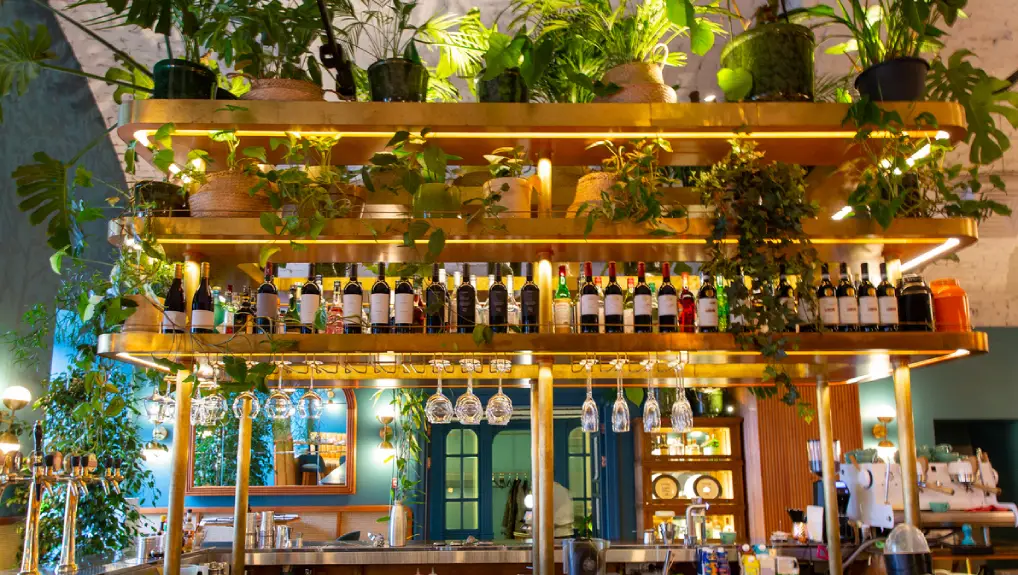
- Accent Lighting: Use soft, dimmable options to create a cosy and intimate environment.
- Decor: Choose elements that fit your bar’s theme, whether modern chic or rustic charm.
- Music: Select tunes that improve the overall atmosphere without overwhelming conversations.
- Welcoming Atmosphere: Make sure every detail from the entrance to the bar counter invites comfort and relaxation.
Seating and Tables:
You need to think carefully about the layout and design of seating and tables in your bar to ensure both comfort and functionality. The right placement and choice of furniture will impact how many customers you can accommodate and how long they stay. Think about your target market; younger crowds might prefer high stools and communal tables, while a more mature audience may like more comfortable seating with space.
Here’s a quick guide:
| Seating Type | Description |
|---|---|
| Booths | Encourage longer stays, offer privacy |
| High Stools | Ideal for bar counters, casual |
| Communal Tables | Suit large groups, foster social interactions |
| Couches | Add comfort, luxury feel |
| Patio Chairs | Great for outdoor settings, casual |
Each option plays a part in defining the atmosphere and functionality of your space.
Establishing opening and closing procedures is key to your bar’s smooth operation. Start each day with an opening checklist: do a quick building check to ensure cleanliness and security, check inventory of drinks and supplies, check all equipment is set up, brief staff on daily specials and tasks. At the close of the day, focus on cleanliness by wiping down all surfaces and equipment.
Inventory management is important; restock supplies and check inventory levels for the next day. Cash handling is key; count and reconcile cash drawers accurately. Finally, lock up to secure your premises.
Last Orders
Opening a commercial bar is a big investment. You need to budget for essential equipment, furniture and ongoing operational costs.
By understanding these costs you can make informed decisions that fit your business goals. Remember the right investments in equipment and design will be the foundation of your bar.
Consider this cost breakdown your first step to a successful and profitable bar in the hospitality industry.
As you plan your budget, it’s worth factoring in the accessories that keep service running smoothly day to day. You might find it useful to discover our full range of bar accessories to get a clearer picture of what’s involved.