
Up to 40% off
Glassware
Shop
Bar Accessories
Get 30% off
Tableware
Shop
Refrigeration

Save Up To 30%
Front of House
Shop
Kitchen Accessories
Shop
Catering Equipment
Shop
Cleaning
Get 30% off
Disposables
Category
- Catering Equipment Wholesale (27)
- Commercial Cooking Equipment (27)
- Fryers (4)
- Boiling Tops (27)
- Pasta Boilers (4)
- Solid Top Cookers (4)
- Sous Vide Water Baths (4)
- Commercial Cooking Equipment (27)
Brand
- Parry (3)
- Lincat (19)
- Instanta Water Boilers (1)
- Rational (4)
Colour
- Silver (4)
Material
- Stainless Steel (4)
Product Type
- Boiling Tops (19)
- Hob Units (3)
- Water Boilers (1)
Warranty
- 2 Years (22)
Price
Min: £
Max: £
Boiling Tops
Showing 17–27 of 27 results
-
£593.00 Ex. VAT
-
£963.50 Ex. VAT
-
£1,277.50 Ex. VAT
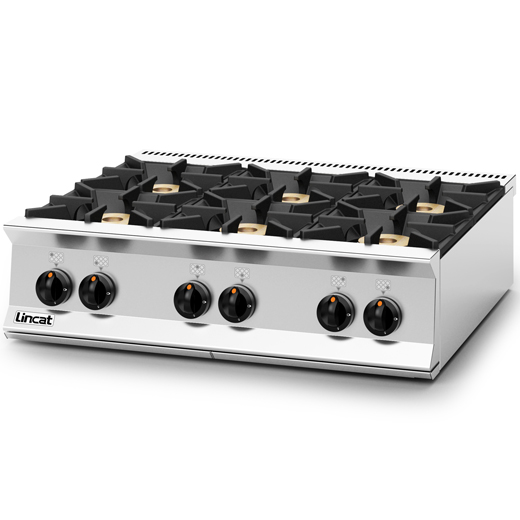
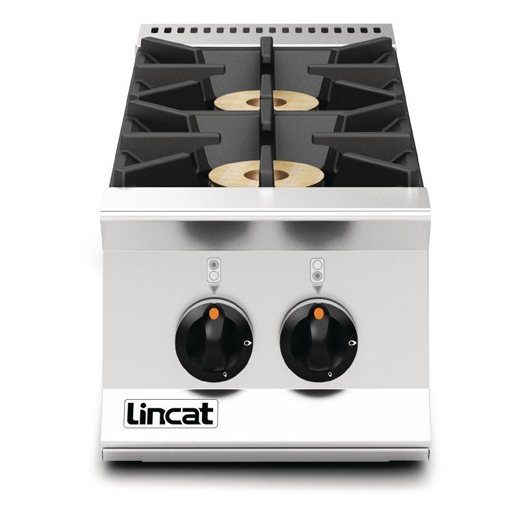
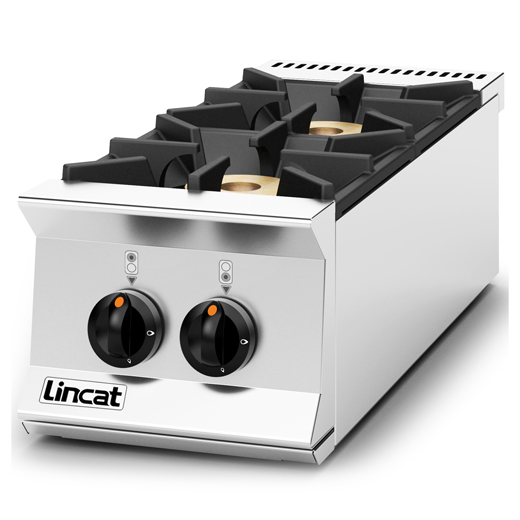
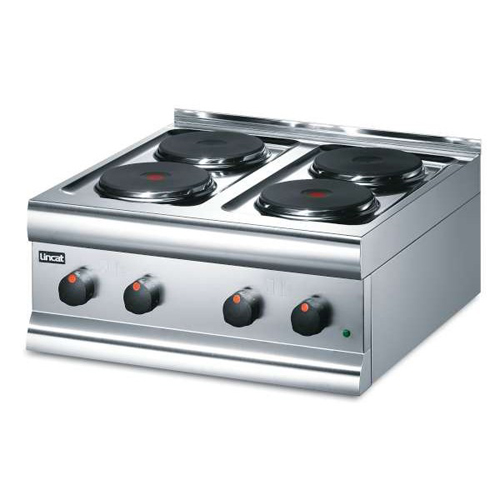
Showing 17–27 of 27 results
Commercial Boiling Tops for Professional Kitchens
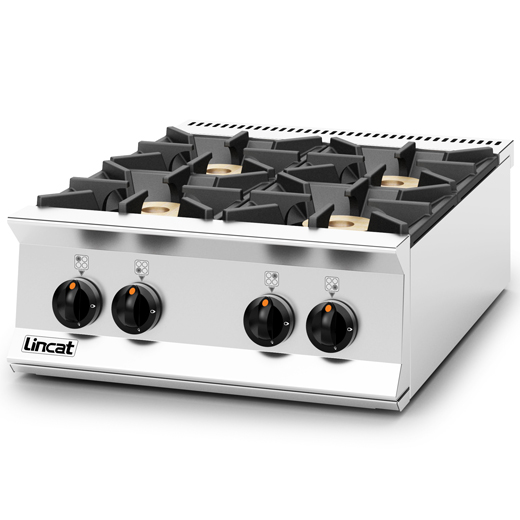
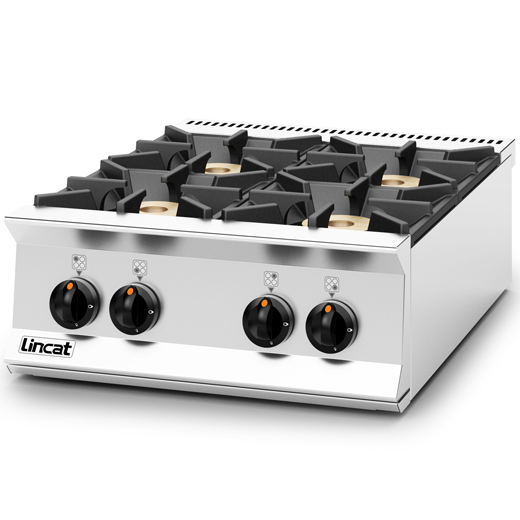
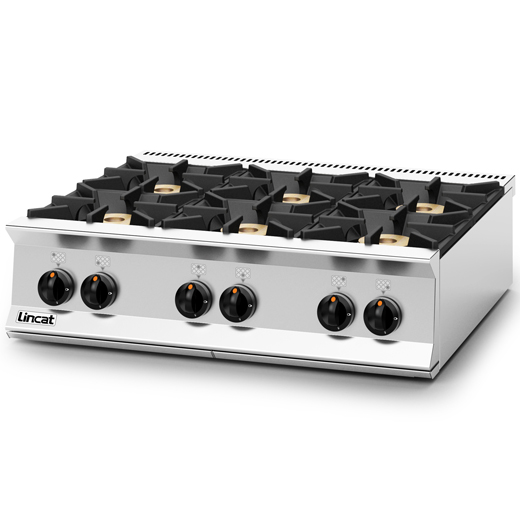
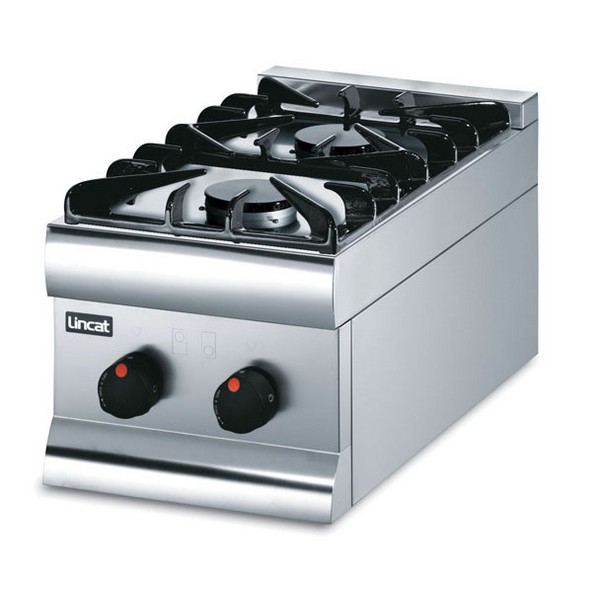
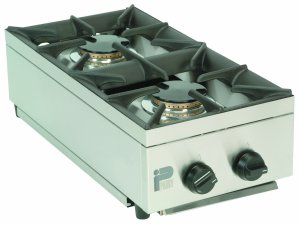
Commercial boiling tops are dedicated high-output cooking surfaces built for bulk sauce, stock, vegetable and pasta cooking – without the oven underneath. They maximise production space on the range, run at higher output than domestic hobs, and handle the sustained heavy use of a professional kitchen service. Gas and electric models available, from compact 2-burner countertop units to full 6-burner range sections.
Ascot Wholesale stocks commercial boiling tops from Lincat, Rational and Instanta – Silverlink 600, Lynx 400 and Opus 800 ranges, natural gas, LPG and electric, for restaurants, hotels, contract caterers and pub kitchens. Trade pricing, reliable stock, UK delivery.
How to Choose a Commercial Boiling Top
- Gas vs electric – Gas boiling tops deliver instant high heat and lower running cost per hour. Electric models need no gas connection and suit kitchens where flexibility or positioning matters. LPG models are available for sites without a mains gas supply.
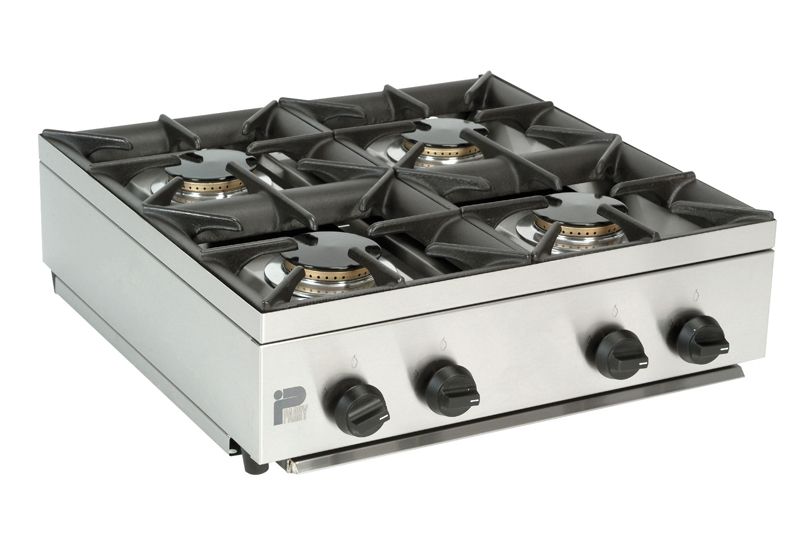
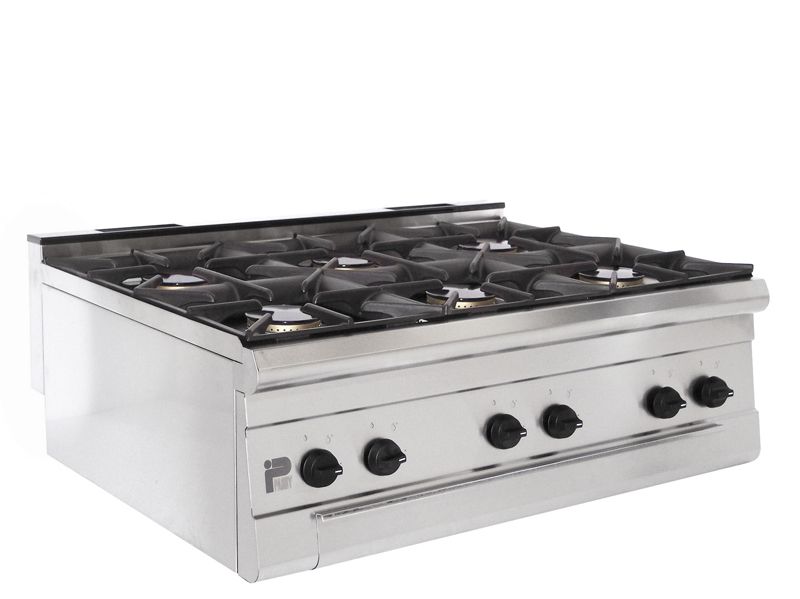
- Burner count – 2-burner units suit supplementary cooking capacity or smaller operations. 4-burner and 6-burner configurations handle bulk production – sauces, stocks and vegetables running simultaneously through a full service.
- Pan ring sizing – Match the pan ring diameter to your largest stock pots. Oversized pans on undersized rings lose heat at the edges and slow bulk cooking significantly.
- Output and recovery – Check the kW output per burner. Gas models typically run 3–7kW per burner; electric models 1.5–3kW. Higher output means faster boil times and better recovery between batches on a busy service.
- Footprint – Boiling tops slot into a cooking suite or stand alone on a range section. Measure your available range space before ordering – depth and width vary significantly across Lincat’s Silverlink 600, Lynx 400 and Opus 800 ranges.
Trade Insight
Gas recovery outperforms electric on sustained bulk cooking. Gas burners respond instantly to heat adjustments and recover faster between large batches. For kitchens running stock pots and bulk sauce production through a long service, gas is the practical choice where a supply is available.
Burner configuration decides throughput, not just capacity. A 6-burner boiling top running sauces, stocks and vegetables simultaneously is a different piece of kit from a 2-burner unit doing one job at a time. Spec to your actual production needs – a 4-burner unit covers most restaurant operations without the footprint of a full 6-burner section.
Pan ring fit is a detail that costs kitchens time. A large stock pot on a pan ring that’s too small loses heat at the base edges, extends boil times and wastes gas or electricity. Check pan ring diameter against your largest pots before ordering. Lincat’s Silverlink 600 and Opus 800 ranges offer different ring sizes across the range.
Clean-down between services is non-negotiable. Boiling tops accumulate grease, food residue and scale fast under daily use. Models with removable pan rings and smooth cast iron or stainless surfaces clean faster. Build clean-down into the close-down routine – units that are hard to strip get skipped, and that’s when hygiene problems start.
Why Buy from Ascot Wholesale
- Competitive trade pricing – across the full commercial boiling top range.
- Trusted brands – Lincat, Rational and Instanta, used daily in real UK catering operations.
- Gas and electric models – natural gas, LPG and electric across multiple burner configurations.
- Free delivery on qualifying orders – across the UK mainland.
- Trade accounts for regular buyers – restaurants, hotels and contract caterers placing ongoing orders.
- 25 years supplying UK hospitality – trade authority built on real commercial experience across restaurants, hotels and pub kitchens.
Browse our full Cooking Equipment range, or explore related categories: Hob Units and Pasta Boilers.
Frequently Asked Questions
What is a commercial boiling top?
A commercial boiling top is a high-output cooking surface without an oven underneath – essentially a standalone hob section built for professional kitchen use. It runs at higher output than domestic hobs and handles sustained heavy use across a full service.
What’s the difference between a boiling top and a hob unit?
The terms are often used interchangeably. A boiling top typically refers to a heavier-duty range section designed for bulk cooking – stocks, sauces, large pots. A hob unit may refer to a lighter countertop unit. In practice, check the kW output and burner count rather than the label.
Do commercial boiling tops need a Gas Safe installation?
Yes – any gas boiling top must be installed by a Gas Safe registered engineer under the Gas Safety (Installation and Use) Regulations 1998. This applies to natural gas and LPG models. Factor installation cost into your budget before ordering.
How many burners do I need for a restaurant kitchen?
A 4-burner boiling top covers most restaurant operations – sauces, stocks and vegetables running simultaneously. High-volume kitchens or those running a large production kitchen alongside service may need a 6-burner configuration. Size to your peak production, not your average.
Which brands of commercial boiling tops does Ascot Wholesale stock?
Ascot Wholesale stocks commercial boiling tops from Lincat (Silverlink 600, Lynx 400 and Opus 800 ranges), Rational (iVario Pro range) and Instanta. Gas, LPG and electric models available across 2, 4 and 6 burner configurations.
Can I use a commercial boiling top on a standard electrical supply?
Electric boiling tops typically require a dedicated circuit – not a standard 13A socket. Check the electrical spec for your chosen model before committing to a position on the range. Larger Opus 800 electric models in particular will need a dedicated supply.