

Up to 40% off
Glassware
Shop
Bar Accessories
Get 30% off
Tableware
Shop
Refrigeration

Save Up To 30%
Front of House
Shop
Kitchen Accessories
Shop
Catering Equipment
Shop
Cleaning

Get 30% off
Disposables
Category
- Catering Equipment Wholesale (21)
- Commercial Cooking Equipment (21)
- Chargrills (21)
- Commercial Cooking Equipment (21)
Brand
- Parry (2)
- Uropa (1)
- Lincat (12)
- Buffalo (1)
- Falcon (6)
Colour
- Silver (1)
Material
- Stainless Steel (1)
Product Type
- Chargrills (1)
- Grills (20)
Warranty
- 2 Years (14)
Price
Min: £
Max: £
Chargrills
Showing 1–16 of 21 results
-
£29.69 Ex. VAT
-
£2,131.49 Ex. VAT
-
£2,971.49 Ex. VAT
-
£3,149.99 Ex. VAT
-
£1,343.99 Ex. VAT
-
£1,847.99 Ex. VAT
-
£2,546.78 Ex. VAT
-
£1,854.40 Ex. VAT
-
£2,446.25 Ex. VAT
-
£2,446.25 Ex. VAT
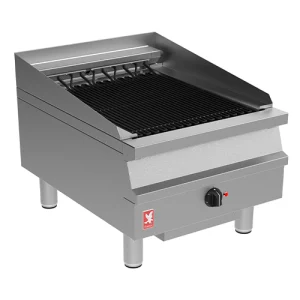
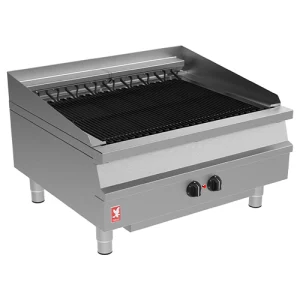
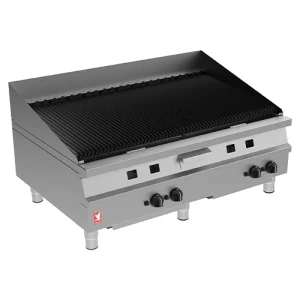
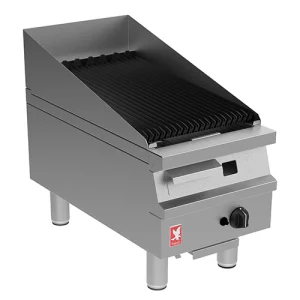
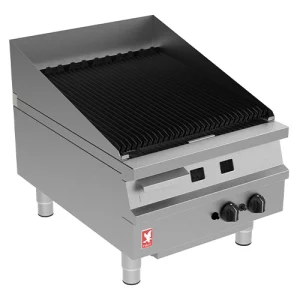
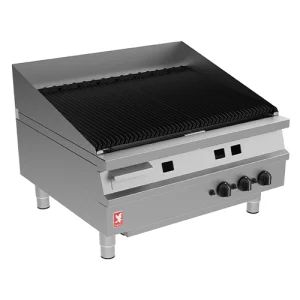

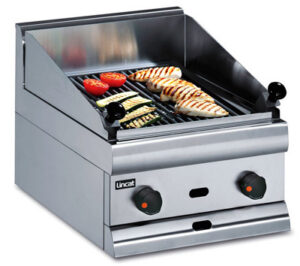
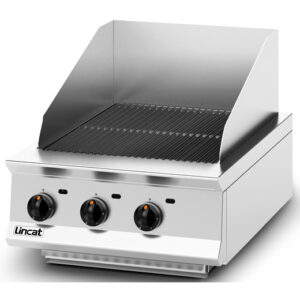

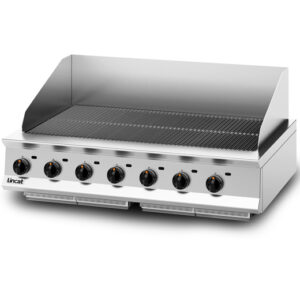
Showing 1–16 of 21 results
Commercial Chargrills for Professional Kitchens
Commercial chargrills deliver genuine char marks, smoky flavour and serious heat output – service after service. Whether you run a high-volume grill station, a steakhouse, a burger bar or a pub kitchen, the right chargrill makes a measurable difference to plate quality and throughput. Gas and electric models available, radiant and lava rock heat elements, countertop and freestanding.
Ascot Wholesale stocks commercial chargrills from Falcon and Buffalo – gas and electric models for restaurants, steakhouses, burger bars and pub kitchens. Trade pricing, reliable stock, UK delivery.
How to Choose a Commercial Chargrill
- Gas vs electric – Gas chargrills are the industry standard for high-volume operations. Recovery time after a cold protein hits the grate is near-instant, and gas models reach 370°C+ versus 280–290°C for electric. Electric chargrills suit sites with no gas supply, restricted ventilation (food halls, shopping centres) or menus skewing toward fish and vegetables where subtler heat is an advantage.
- Radiant vs lava rock – Radiant elements (ceramic or steel) direct heat upward cleanly – less flare-up, consistent temperatures, easier maintenance. Lava rock absorbs dripping fat which vaporises back through the grate, producing deep smoky flavour. For a steakhouse or smash-burger concept where flavour is the whole point, lava rock is worth the extra maintenance. For a pub kitchen running mixed proteins, radiant is the practical choice.
- Countertop vs freestanding – Countertop chargrills suit smaller operations or supplementary grill capacity alongside a main range. Freestanding models suit dedicated grill stations running continuous service. Match the footprint to your grill station layout.
- Grate size and cooking area – Match grate width to your peak production. A compact countertop unit handles 4–6 portions simultaneously. Larger freestanding models handle 10–12 portions – the right spec for a steakhouse or high-volume burger bar running continuous covers.
- Gas Safe installation – Any gas chargrill must be installed by a Gas Safe registered engineer under the Gas Safety (Installation and Use) Regulations 1998. Factor installation cost and site gas supply pressure into your budget before ordering.
Trade Insight
Gas recovery time is the spec that separates a chargrill from a griddle at volume. A gas chargrill bounces back to cooking temperature almost immediately after a cold protein hits the grate. Electric chargrills are slower to recover and cap out lower. At a busy Saturday lunch service running 20 steaks per hour, that recovery gap compounds – slow recovery means food sits on a cooling grate and loses the sear. Gas is the right tool for high-volume grill operations.
Lava rock vs radiant is a flavour decision before it’s a maintenance decision. Radiant elements are cleaner, more consistent and easier to maintain – the right choice for a pub kitchen running a varied menu. Lava rock absorbs dripping fat, vaporises it back through the grate and produces the deep smoky flavour that’s closest to charcoal cooking. For a steakhouse or burger concept where that flavour is the product, lava rock is worth the periodic rock replacement and more involved clean-down.
Chargrill vs griddle is a product decision, not a preference. A chargrill cooks over radiant or lava rock heat with an open grate – fat drips away, char marks form, smoky flavour develops. A griddle cooks on a solid flat plate – maximum surface contact, no char marks, no fat drainage. Steaks, chicken and kebabs belong on a chargrill. Burgers, eggs and bacon belong on a griddle. Some kitchens run both – a chargrill for proteins and a griddle for everything else.
Grease management determines how long the unit lasts. Commercial chargrills accumulate grease and carbonised fat fast under daily use. Clean the grate after every service – a wire brush while still hot removes residue before it carbonises. Empty and clean the grease tray daily. On lava rock models, replace the rock when it becomes visibly saturated and starts producing excessive flare-up. A chargrill that isn’t cleaned regularly runs hotter in spots, produces inconsistent results and becomes a fire risk.
Why Buy from Ascot Wholesale
- Competitive trade pricing – across the full commercial chargrill range.
- Trusted brands – Falcon and Buffalo, used daily in real UK restaurant and pub kitchen operations.
- Gas and electric models – radiant and lava rock, countertop and freestanding for every grill station layout.
- Free delivery on qualifying orders – across the UK mainland.
- Trade accounts for regular buyers – restaurants, steakhouses and contract caterers placing ongoing orders.
- 25 years supplying UK hospitality – trade authority built on real commercial experience across restaurants, steakhouses and pub kitchens.
Browse our full Cooking Equipment range, or explore related categories: Commercial Griddles and Contact Grills.
Frequently Asked Questions
What is a commercial chargrill used for?
A commercial chargrill cooks proteins, vegetables and kebabs over radiant or lava rock heat, producing genuine char marks and smoky flavour. Used in steakhouses, burger bars, pub kitchens and restaurants where char marks and flavour are part of the product. Not suited to eggs, bacon or items that need a flat cooking surface – those belong on a griddle.
What’s the difference between a gas and electric commercial chargrill?
Gas chargrills reach 370°C+ and recover heat near-instantly after a cold load – the industry standard for high-volume grill operations. Electric chargrills cap around 280–290°C and recover more slowly, but suit sites with no gas supply or restricted ventilation. Any gas chargrill must be installed by a Gas Safe registered engineer.
What’s the difference between lava rock and radiant chargrills?
Radiant chargrills use ceramic or steel elements to direct heat upward – consistent temperatures, less flare-up, easier maintenance. Lava rock chargrills use porous volcanic stone that absorbs dripping fat and vaporises it back through the grate, producing deep smoky flavour. Lava rock requires periodic rock replacement and more involved cleaning. For a steakhouse where flavour is the product, lava rock is worth it.
Do commercial chargrills need special ventilation?
Yes. Commercial chargrills produce cooking fumes, grease vapour and – on gas models – combustion gases that require adequate extraction. Check your extraction canopy coverage before positioning a chargrill. Gas models additionally require adequate ventilation for combustion gases and must be installed by a Gas Safe registered engineer.
How do I clean a commercial chargrill?
Brush the grate with a wire brush while still hot after every service to remove residue before it carbonises. Empty and clean the grease tray daily. On lava rock models, turn the rocks periodically to burn off accumulated fat and replace when visibly saturated. Deep-clean the full unit weekly on high-use operations – carbonised grease buildup creates hot spots, inconsistent results and a fire risk.
Can I use a chargrill instead of a griddle?
Not interchangeably. A chargrill cooks over an open grate with radiant or lava rock heat – char marks form, fat drips away, smoky flavour develops. A griddle cooks on a solid flat plate – maximum surface contact, no char marks. Steaks, chicken and kebabs suit a chargrill. Burgers, eggs and bacon suit a griddle. High-volume kitchens often run both for a complete grill station.