
Up to 40% off
Glassware
Shop
Bar Accessories
Get 30% off
Tableware
Shop
Refrigeration

Save Up To 30%
Front of House
Shop
Kitchen Accessories
Shop
Catering Equipment
Shop
Cleaning
Get 30% off
Disposables
Category
- Catering Equipment Wholesale (43)
- Commercial Cooking Equipment (43)
- Fryers (1)
- Ovens (1)
- Convection Ovens (1)
- Griddles (43)
- Commercial Cooking Equipment (43)
Brand
- Parry (6)
- Uropa (9)
- Lincat (25)
- Nevilles (1)
- Buffalo (9)
- Rational (2)
- Genware (1)
Case Quantity
- 6 (1)
Colour
- Black (1)
- Silver (6)
Gastronorm Size
- 1/1 (1)
Material
- Iron (1)
- Stainless Steel (5)
- Steel (1)
Product Type
- Barbecues (1)
- Griddles (39)
- Ovens (1)
Warranty
- 2 Years (27)
Price
Min: £
Max: £
Griddles
Showing 17–32 of 43 results
-
£668.20 Ex. VAT
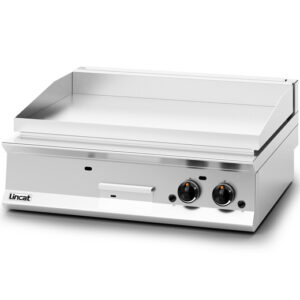
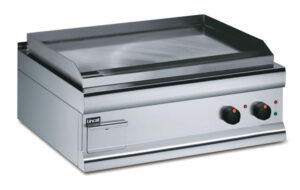
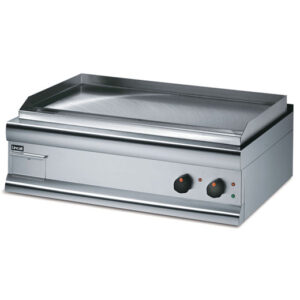
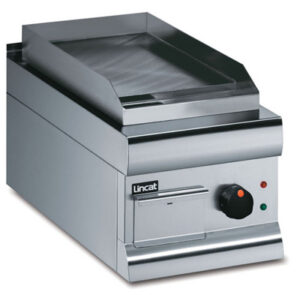

Showing 17–32 of 43 results
Commercial Griddles for Burgers, Breakfasts and Bulk Cooking
Commercial griddles – also called flat top grills – are flat cooking plates built to cook high volumes fast. Burgers, bacon, eggs, pancakes and pressed sandwiches, all on one surface, all at once. No tongs-and-basket juggling – just a hot plate and a scraper. Cafés run them for breakfast rushes, burger bars run them all shift, and canteens use them for bulk cooking when service can’t wait.
Ascot Wholesale stocks commercial griddles from Buffalo and Lincat – countertop and freestanding models, cast iron and steel plates, gas and electric, for restaurants, cafés, burger bars, canteens and outdoor catering operations. Trade pricing, reliable stock, UK delivery.
How to Choose a Commercial Griddle
- Gas vs electric – Gas griddles recover heat faster after a cold load and suit high-volume kitchens already on gas. Electric griddles need no gas connection, offer more precise temperature zone control and suit kitchens where positioning flexibility matters. Any gas griddle must be installed by a Gas Safe registered engineer.
- Cast iron vs steel plate – Cast iron retains heat better and produces superior searing – the right choice for burger bars and steakhouses running continuous high-heat cooking. Steel plates heat up faster, are easier to clean and suit operations running varied items at lower temperatures.
- Plate size and cooking area – Match plate width to your peak production. A 400mm plate handles a small café breakfast service. A 600mm plate suits a busy restaurant or canteen running continuous covers. Freestanding models (Buffalo 600 Series freestanding) suit permanent kitchen layouts; countertop models suit supplementary capacity.
- Ribbed vs smooth plate – Smooth plates are the standard for burgers, eggs and bacon – maximum contact, even cooking. Ribbed plates add char marks and suit operations where presentation matters (grilled chicken, steaks, vegetables). Some operations run both – a smooth section and a ribbed section on the same unit.
- Countertop vs freestanding – Countertop griddles suit smaller operations or supplementary capacity alongside a main range. Freestanding models with a convection oven base (Buffalo 600 Series Freestanding Griddle with Convection Oven) maximise the footprint – cooking surface above, oven capacity below.
Trade Insight
Heat recovery is the spec that matters on a busy flat top. A griddle that drops temperature when you load it cold from the fridge and takes three minutes to recover creates a queue at the pass. Gas griddles recover faster than electric – that’s the practical advantage in a high-volume burger or breakfast operation. Check recovery time on the spec sheet before ordering.
Cast iron vs steel is a maintenance decision as much as a cooking decision. Cast iron produces better searing and retains heat more evenly, but it requires seasoning, careful cleaning and protection from moisture to prevent rust. Steel plates are lower maintenance – wipe down after service, scrape clean, done. For a kitchen that can’t afford to spend 20 minutes on griddle care at close-down, steel is the practical choice.
Plate temperature zoning changes what you can cook simultaneously. Commercial griddles with independent temperature zones let you run proteins at high heat on one side and eggs or vegetables at lower heat on the other – the same plate, two different cooking environments. Single-zone griddles run everything at one temperature. If your menu runs varied items simultaneously, zoned control is worth specifying.
Ventilation requirements apply to gas griddles. Gas griddles produce combustion gases and cooking fumes that require adequate extraction. Check your extraction canopy coverage before positioning a gas griddle on the pass – an undersized canopy over a high-output gas flat top creates a compliance and safety problem. Electric griddles have lower extraction requirements but still need adequate ventilation in an enclosed kitchen.
Why Buy from Ascot Wholesale
- Competitive trade pricing – across the full commercial griddle and flat top grill range.
- Trusted brands – Buffalo and Lincat, used daily in real UK restaurant and café kitchens.
- Gas and electric models – cast iron and steel plates, countertop and freestanding, ribbed and smooth.
- Free delivery on qualifying orders – across the UK mainland.
- Trade accounts for regular buyers – restaurants, cafés and contract caterers placing ongoing orders.
- 25 years supplying UK hospitality – trade authority built on real commercial experience across restaurants, burger bars and canteen operations.
Browse our full Cooking Equipment range, or explore related categories: Chargrills and Contact Grills.
Frequently Asked Questions
What’s the difference between a griddle and a grill?
A griddle has a flat, solid cooking plate – food cooks by direct contact with the hot surface. A grill has open bars or a ridged surface, cooking food over radiant heat with char marks. Griddles suit burgers, eggs, bacon and pancakes. Grills suit steaks, chicken and items where char marks and fat drainage matter.
Gas or electric – which commercial griddle is right for a busy kitchen?
Gas griddles recover heat faster after a cold load and suit high-volume operations already on gas. Electric griddles offer more precise temperature control, need no gas connection and suit kitchens where positioning flexibility matters. Any gas griddle must be installed by a Gas Safe registered engineer.
Is a cast iron commercial griddle worth the extra maintenance?
For a burger bar or steakhouse running continuous high-heat cooking, yes – cast iron produces better searing and retains heat more evenly than steel. For a café running varied breakfast items, steel is the more practical choice: faster to heat, easier to clean, lower maintenance at close-down.
How often should you clean a commercial griddle?
After every service – scrape the plate clean while still hot, wipe down with a cloth and apply a light coat of oil to protect the surface. Cast iron plates need seasoning and must be kept dry to prevent rust. Deep-clean the grease channels and drip tray daily. A griddle that isn’t cleaned after every service builds up carbonised residue that affects flavour and heat distribution.
What size commercial griddle do I need for my kitchen?
A 400mm plate handles a small café or supplementary capacity alongside a main range. A 600mm plate suits a busy restaurant, burger bar or canteen running continuous covers. Freestanding models suit permanent kitchen layouts; countertop models suit operations needing flexibility or supplementary capacity.
Do commercial gas griddles need dedicated ventilation?
Yes. Gas griddles produce combustion gases and cooking fumes that require adequate extraction. Check your extraction canopy coverage before positioning a gas griddle – an undersized canopy over a high-output gas flat top creates a compliance and safety problem. Electric griddles have lower extraction requirements but still need adequate ventilation in an enclosed kitchen.