





Bar equipment maintenance tips for high-volume bars are essential to know, ensuring things are in top shape in a busy bar.
When running a busy bar, cleaning and care is essential for things to run smoothly, here are some examples: After use wipe down all surfaces and clean tools like shakers and strainers daily. Weekly deep clean key bits like ice machines and draught systems. And don’t forget to do monthly beer line cleanings to ensure drink quality.
If you’d like to see the equipment that needs to stand up to heavy use, our professional bar equipment selection is worth exploring before we get into the tips. For the foundational maintenance principles behind a well-run bar, our bar equipment maintenance guide provides solid grounding throughout.
Summary
- Daily clean high-use tools like shakers and blenders to prevent residue build up.
- Weekly deep clean beer lines to ensure drink quality and equipment life.
- Sanitise ice machines and fridges regularly to keep things clean and contamination free.
- Train staff on maintenance protocols, focus on frequent equipment checks and cleaning procedures.
- Clean HVAC and plumbing systems thoroughly to keep the bar clean and safe.
Bar Equipment
Proper care and regular maintenance of your bar equipment is key to running a smooth ship. Get into a regular preventative maintenance routine to ensure your essential bar equipment lasts and performs at its best. Regular maintenance keeps your gear in top nick and meets the hygiene standards of any high-volume bar.
Make sure your bar equipment lasts and performs at its best with a strict preventative maintenance regime.
This means checking for wear and tear, replacing inefficient parts and making sure everything from blenders to shakers is sanitised. Don’t forget these habits; they prevent bigger problems and ensure your bar keeps running smoothly.
Daily Tasks
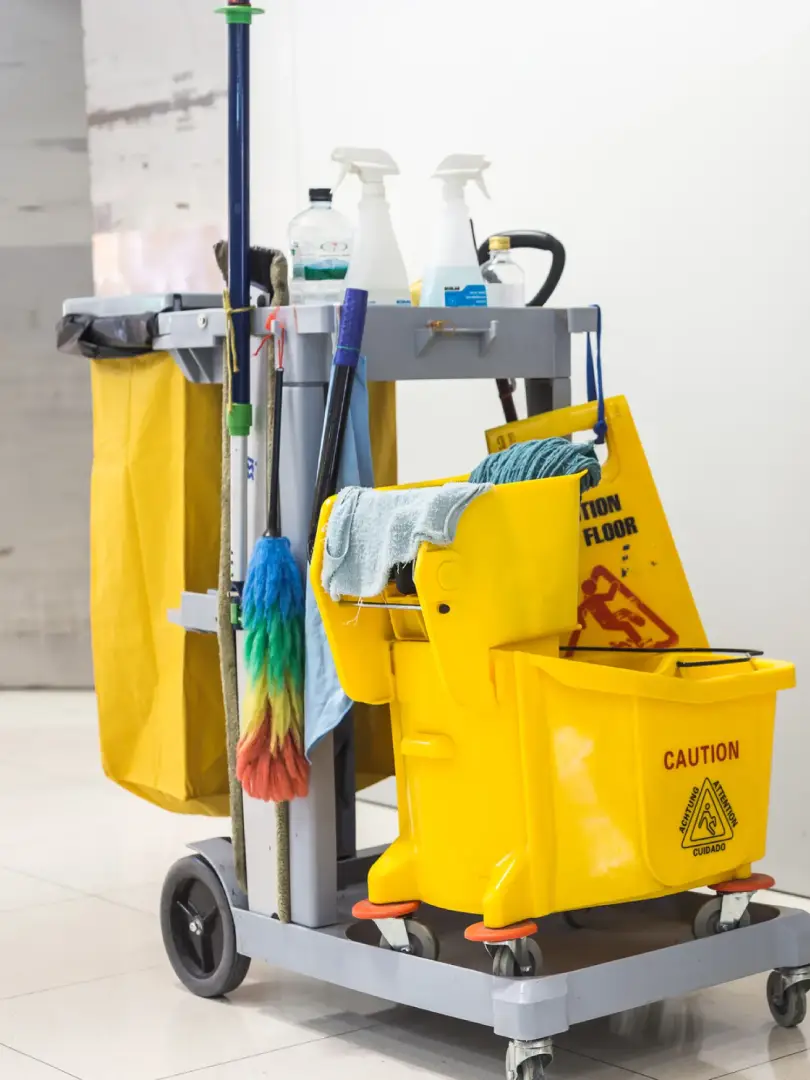
Cleaning as you go is key to your daily bar maintenance routine, so no spills or residue builds up on equipment. To keep things hygienic, wipe down all surfaces, including counters and bar tools. Also, staff should do stock checks at the end of each day to be ready for service the next day.
Clean as You Go
Keeping the bar clean is essential, especially during peak service hours. You must get your bar staff to adopt a “clean as you go” mentality. This means washing essential bartending tools immediately after use and getting rid of trash straight away.
During peak hours your workspace can get messy and impact the customer experience. Keeping the area tidy is key to efficiency and preventing accidents and mishaps. Get into the habit of rinsing tools and equipment as soon as they’re done with and always have a designated spot for waste.
This proactive approach will keep the atmosphere professional and ensure smooth sailing even on the busiest nights.
Wipe Down Surfaces
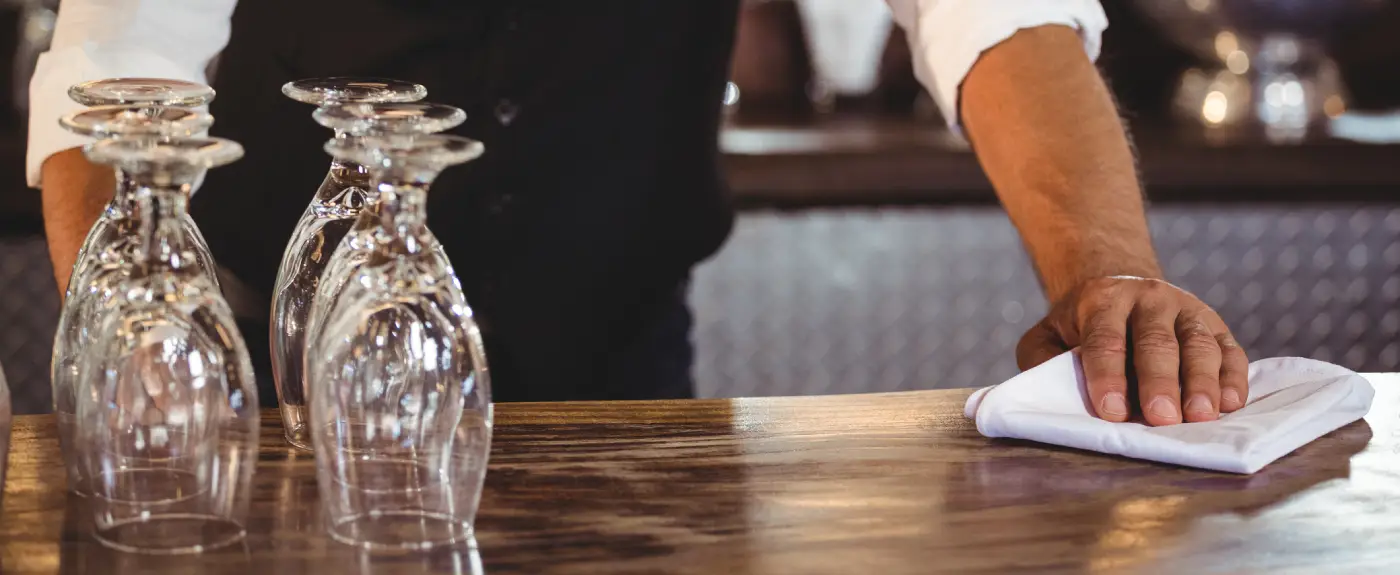
Daily task: keep your bar top, tables, chairs and other customer touch points clean.
Here’s how:
- Bar Top: Always wipe down the bar top, especially around the beverage dispensing equipment, to prevent sticky mess.
- Customer Areas: Clean tables and chairs where customers sit.
- Right Supplies: Use the right cleaning supplies for the surface.
- Inspect: After cleaning, inspect to make sure everything is clean and ready for the next customer.
Cleanliness is key to happy customers in a busy bar.
Glassware and Tools
After the bar top and seating areas are spotless, it’s equally important to clean your glassware and tools which are essential to daily operations.
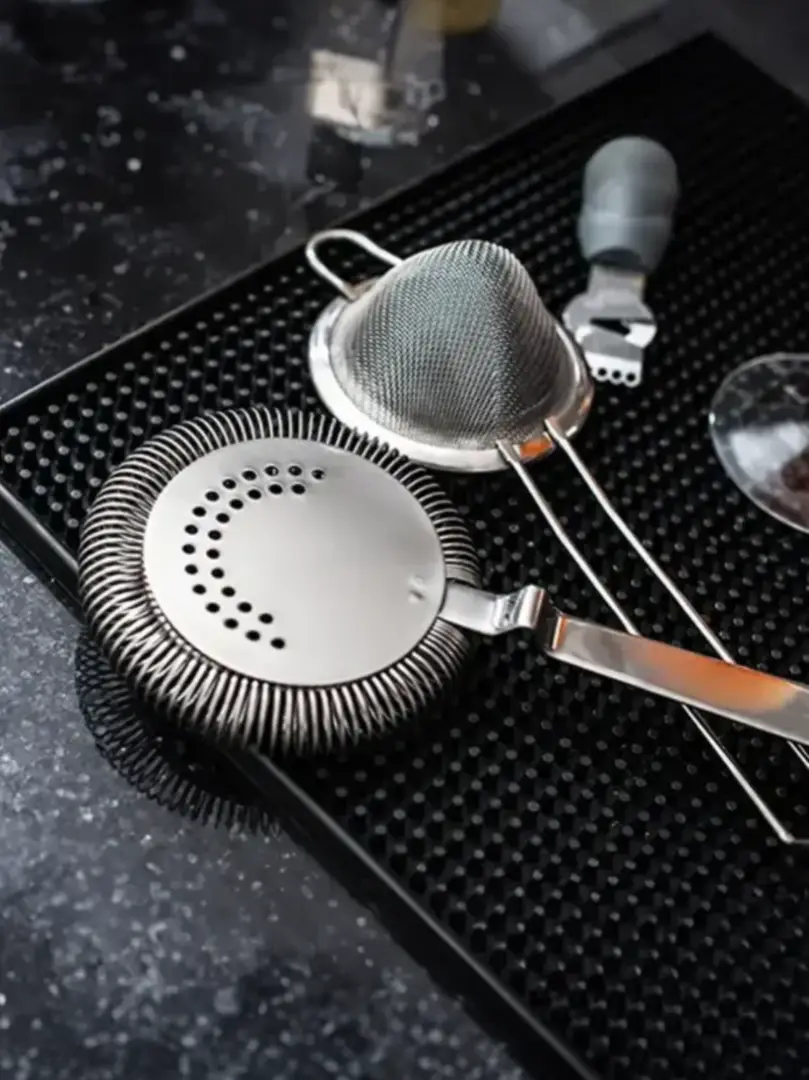
You’ll need to wash and polish all bar glasses regularly to keep them shiny and make sure they’re residue and smudge free. This keeps them looking great and preserves the quality of the drinks you serve. Also, remember to clean your cocktail shakers, strainers and other mixing tools after each use. This prevents cross contamination, ensures flavours don’t get mixed and extends the life of your tools.
Cleaning isn’t just about looks; it’s crucial for a safe and enjoyable drinking experience for your customers.
Stock Checks
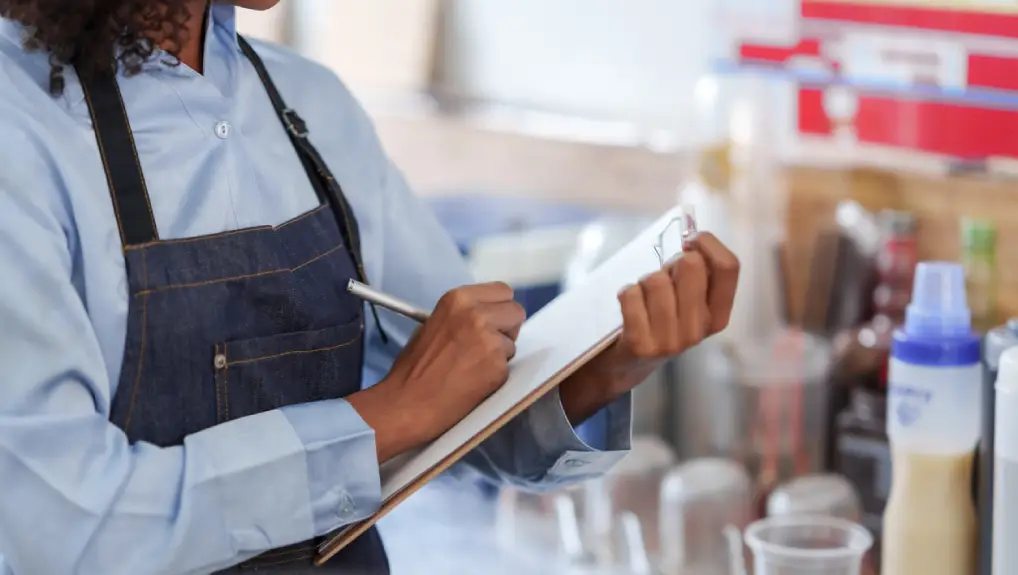
So your bar runs smoothly, do quick stock checks at the beginning of each day.
Here’s how you can make sure you’re always ready to serve:
- Check Your Bar Equipment List: Double check ice machines, blenders and mixers to make sure they’re working.
- Inspect Bar Tools: Make sure all essential tools like shakers, strainers and muddlers are available and in good condition.
- Verify Ingredient Stock: Check your spirits, mixers and garnishes inventory. Running out during service is a no-go.4.
- Restock Your Stations: Restock napkins, straws and coasters so everything is within arm’s reach.
This will prevent surprises and keep your service running smoothly.
Bar tools
Bar tools, the behind the scenes heroes of cocktail making, need regular attention to function at their best. You’re juggling multiple tasks from serving mixed drinks to managing bar furniture and these tools are essential to speed and efficiency. Regular maintenance of shakers, strainers and spoons means they’re always ready to go.
Don’t overlook simple tasks like rinsing and drying each tool after use; it prevents residue build-up and extends its life. Proper storage of tools is as important as their cleanliness. Keeping them in an organised, easily accessible place means quick retrieval and prevents damage from overcrowding.
Regular checks of your supplies, like making sure your metal tools are rust free, also play a big part in smooth bar operation.
Weekly Tasks for Equipment Maintenance
As you move into your weekly tasks, you need to schedule time for a deep clean. This includes cleaning beer lines to prevent build-up and maintain taste quality. Also make sure all equipment is sanitised to keep your bar safe and hygienic for staff and customers.
Deep Cleaning Schedule
Having a rotating deep cleaning schedule each week means every nook and cranny of your bar stays spotless, including critical areas like fridges and draught beer systems.
Here’s a quick list to keep your bar clean and operational:
- Scrub and sanitise all ice wells – Prevent build-up and ensure ice purity.
- Deep clean fridges – Remove old stock, check for expired products and wipe down surfaces.
- Deep clean draught beer systems – Exclude beer lines, focus on taps and exterior surfaces.
- Organise and wipe down under-bar storage – Minimise clutter and dust.
These preventative measures are essential in high-volume bars. They should be part of your monthly tasks.
Beer Line Cleaning
After deep cleaning your bar’s critical areas, it’s time to focus on regular beer line cleaning. Clean beer lines every 7 days, especially in high-volume venues, to maintain the quality that keeps your bar successful.
Beer line cleaning isn’t just a recommendation; it’s essential for serving fresh, great tasting beer. Regular cleaning prevents yeasts, bacteria and beer stones from building up which can affect the beer’s taste and hygiene. Use the right cleaning solutions and techniques for beer lines.
This will give your customers the best taste and extend the life of your bar equipment. Don’t underestimate the impact of clean beer lines on your business.
Sanitising Equipment
While maintaining your bar’s beer lines, don’t forget to sanitise your keg lines, taps and other equipment weekly. Regular cleaning prevents contamination and gives a top-notch drinking experience.
Here’s a quick list to keep your equipment spotless:
- Sanitise Equipment: Clean and sanitise keg lines and taps to prevent bacterial growth.
- Check Grease Traps: Regularly check and clean grease traps to prevent odours and maintain hygiene.
- Wipe Down Liquor Bottles: Dust and sanitise the exterior of all liquor bottles to keep your bar looking professional.
- Deep Clean Surfaces: To keep your bar clean and inviting, focus on areas prone to spills and residues.
Periodic Tasks to Upkeep Equipment Maintenance
Now let’s get to the periodic tasks you can’t afford to skip. You’ll need to schedule sessions for deep cleaning, equipment maintenance and checks on your HVAC and plumbing systems. These are essential to prevent costly repairs and keep your bar running smoothly.
Deep Cleaning
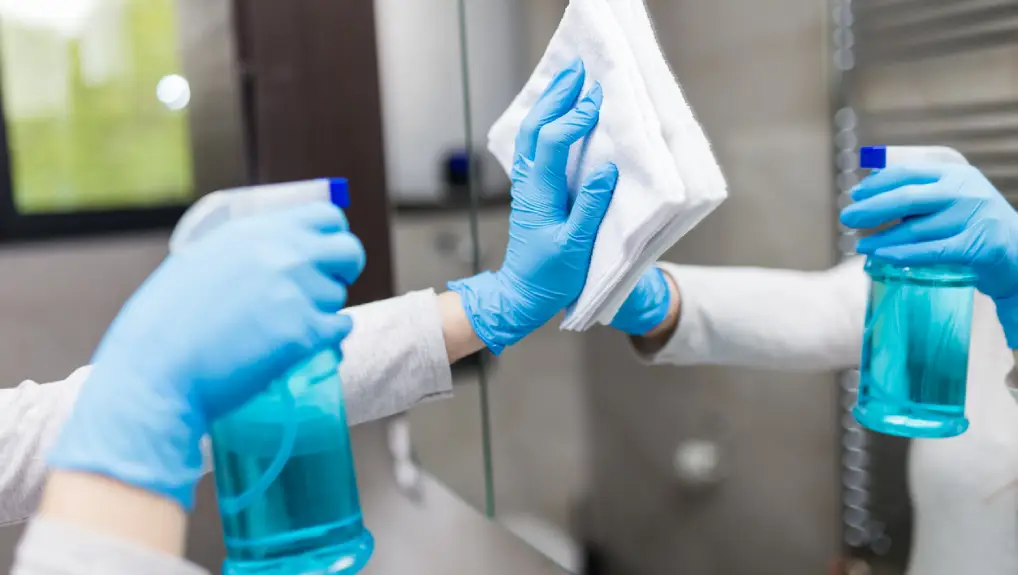
Every 4-6 months you need to schedule a deep clean for your bar equipment, targeting those hard to reach areas that harbour dirt and grime.
Here’s a quick list to keep things sparkling:
- Wine Glasses: Check all wine glasses are free of stains and residues, especially after busy periods.
- Kitchen Equipment: Disassemble and deep clean mixers, blenders and slicers.
- Bartenders’ Tools: Scrub shakers, jiggers and strainers to remove build-up.
- Surfaces and Floors: Tackle sticky floors and countertops where spills happen daily.
This will keep you hygienic and your gear in top shape so you’re always ready for the next rush.
Equipment Maintenance
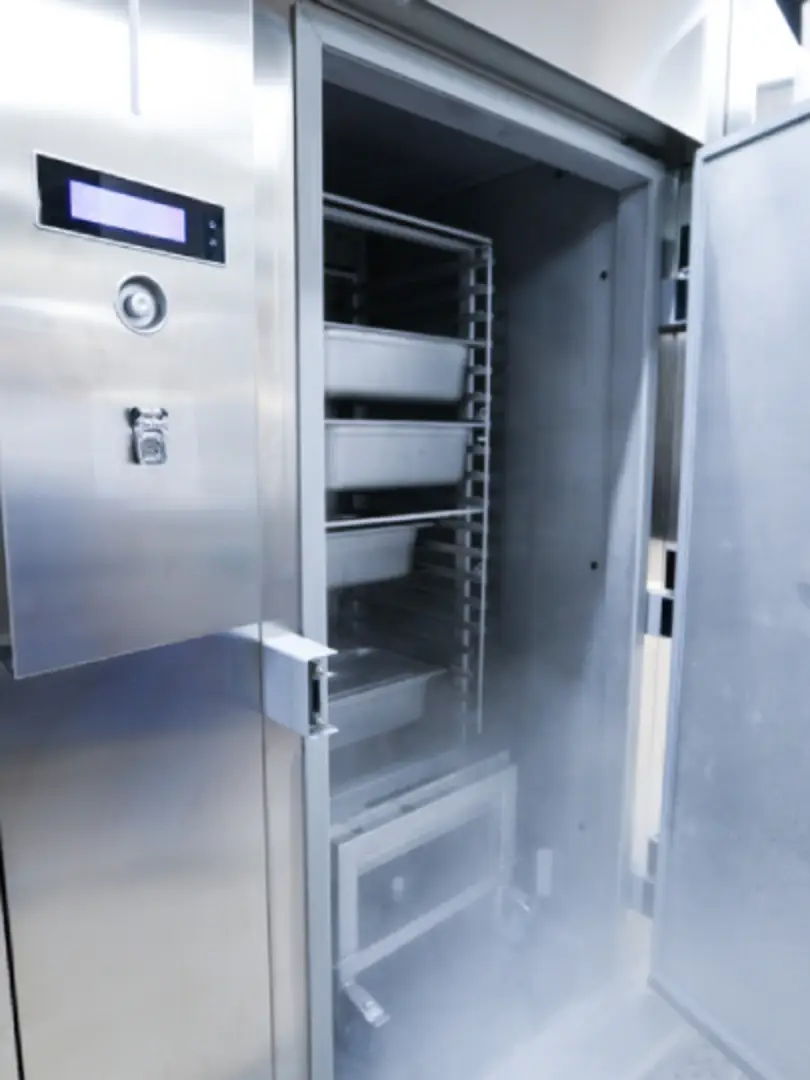
After your bar is deep cleaned, remember some equipment needs attention beyond just cleaning. Schedule regular maintenance checks for your refrigerators, ice machines and other vital equipment. This isn’t just about keeping things running; it’s about preventing costly breakdowns that can disrupt your busy bar’s operation.
Check the seals on your refrigerators and make sure ice machines are descaled and sanitised periodically. Don’t wait for a failure to occur, be proactive and keep a maintenance log to track the health of each piece of equipment. This will keep your bar in top shape and ready for the high volume you’re used to.
Inspect Refrigeration Units
Regularly inspecting your refrigeration units is a key part of maintaining your overall bar equipment. Make sure you’re inspecting refrigeration units not just for immediate issues but also to improve energy efficiency and operational efficiency.
Here’s a quick guide to what to focus on monthly and bi-monthly:
| Task | Frequency |
|---|---|
| Inspect door seals | Monthly |
| Check temperature accuracy | Monthly |
| Clean the condenser coils | Bi-Monthly |
| Verify interior lighting | Monthly |
| Confirm proper airflow | Bi-Monthly |
HVAC and Plumbing
While maintaining your bar’s atmosphere and customer service, don’t forget the role of HVAC and plumbing systems in creating a comfortable environment.
Here’s what you need to do periodically:
- Check HVAC Systems: Make sure your air conditioning and heating units are working correctly to keep the atmosphere right.
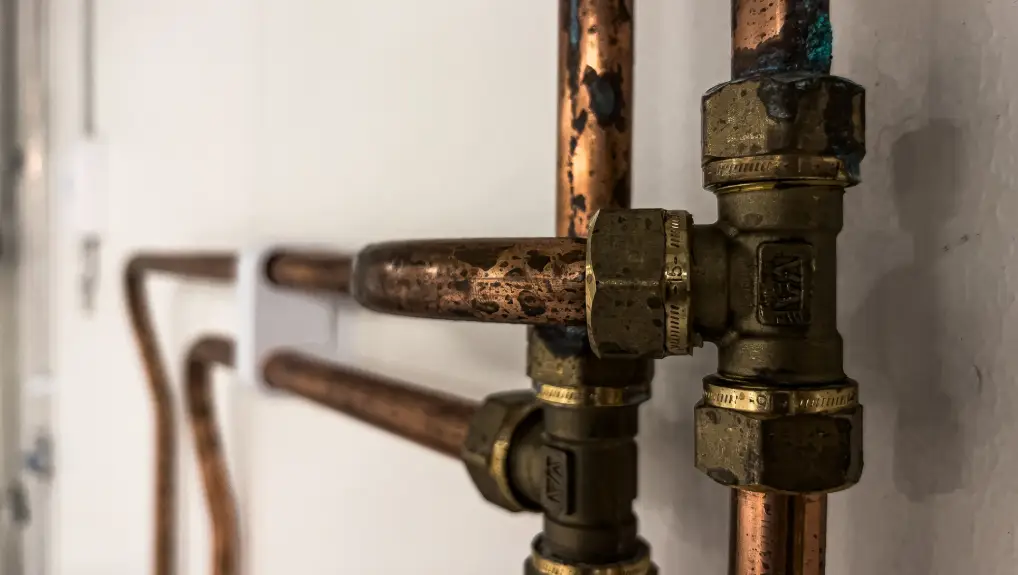
- Check Plumbing: Regularly check your plumbing for leaks or blockages to prevent issues that can disrupt your operation.
- Service Hot Water Systems: Hot water is essential in bars for cleaning and sanitising; make sure these systems are serviced regularly.
- Clean Air Vents: Dust and debris can accumulate and affect air quality and system efficiency.
Stay on top of these tasks and your bar will run smoothly and be a welcoming place for your customers.
Signs Your Bar Equipment Needs Maintenance
Cracks, Dents, and Broken Parts
Visible damage, cracks, dents and broken parts on your bar equipment should never be ignored as they mean maintenance or repairs must be done now. Cracks can compromise the structural integrity of your tools. Dents can weaken materials over time and affect both functionality and appearance. Broken parts like loose handles or faulty hinges make equipment unusable and pose safety risks.
You should perform regular checks to catch these issues early. If you see any damage, you must make repairs now to prevent further deterioration. Keeping a maintenance log will also help you track the history and condition of your equipment so you can address any potential problems before they get worse.
Rust and Corrosion
Rust and corrosion are big threats to your bar equipment, especially the metal parts that are part of its operation. If you see rust, it’s time to act fast.
Regular maintenance, including thorough cleaning and checks, can catch these issues early. Moisture is often the culprit, so make sure to dry your equipment after cleaning. Also, consider using rust inhibitors or protective coatings to protect metal surfaces from moisture and chemical exposure. Remember to store equipment in low-moisture environments.
Ignoring rust and corrosion can lead to structural weaknesses, hygiene problems and costly repairs or replacements. So, to maintain ideal bar operations, be proactive about these issues.
Unusual Noises
If you hear grinding, squeaking or screeching sounds from your bar equipment, it’s time to investigate mechanical issues. These unusual noises often mean your machines need immediate maintenance to prevent further damage. Grinding may mean worn gears or belts with lodged debris. Regular checks and cleaning can catch these minor issues early.
Squeaking usually means inadequate lubrication or loose parts; applying a suitable lubricant or tightening screws will resolve this. Screeching, especially in espresso machines, means overpressure valves or rotary pumps. Addressing these sounds now with proper care means your equipment will remain in top condition and avoid major breakdowns and costly repairs.
Leaks and Water Issues
If you see water or gas leaks around your bar equipment, it’s time to act. These leaks can’t only disrupt your business operations but also pose big safety risks. Also, condensation build up on surfaces or inside equipment should be addressed to prevent water damage and maintain peak functionality.
Water or Gas Leaks
Leaks from your bar’s water or gas lines should never be ignored. If not addressed immediately, these can cause severe water damage and potentially structural damage. To prevent breakdowns and costly repairs you should regularly check for signs of moisture or hissing sounds that mean leaking. If you see any, it’s essential to repair these leaks now.
Corroded pipes, damaged seals or worn out valves are often the cause of these problems. Fixing them not only prevents further damage but also ensures safety and functionality of your bar. Remember, neglecting these maintenance can lead to bigger problems down the line and affect your wallet and bar operations.
Condensation Build up
Excessive condensation around your bar’s refrigeration units should catch your attention as it often means poor insulation or failing seals. This isn’t just a cosmetic issue; it’s a sign you face energy inefficiency and potential equipment failure.
Be proactive with if your equipment needs maintenance to prevent further complications.
- Droplets forming on the outside of unit panels means internal temperature discrepancy.
- Puddles on the floor near your equipment mean leaks that can become slip hazards.
- Frost build up inside the units means the cooling system is not sealing properly.
Address these now to avoid higher energy bills and costly repairs. Don’t wait until your equipment breaks down—be proactive about checking for malfunctioning seals and insulation issues.
Inconsistent Performance
Inconsistent performance in your bar equipment may seem like a minor annoyance but can lead to big inefficiencies and poor customer experience. When your machines act up, it’s often a sign of maintenance neglect. Regular cleaning and proper maintenance are your best bet to prevent these issues.
If your espresso machine or beer dispenser isn’t performing as expected, check for mechanical problems like faulty pumps or worn-out parts. Don’t let improper maintenance ruin your bar’s reputation. Instead, tackle these challenges head-on by ensuring all equipment undergoes regular inspections and maintenance. This proactive approach keeps everything running smoothly and your customers happy.
Increased Energy Bills
After addressing the inconsistencies in your bar equipment performance, another area that needs your attention is the surge in energy bills. High energy bills often mean inefficient equipment that needs regular maintenance or replacement to avoid costly repairs.
Keeping your equipment in top shape not only saves you costs but also ensures energy efficiency.
- Vampire Energy: Imagine your idle equipment sucking energy like a vampire even when off.
- Aging Warriors: Visualise your old machines working twice as hard, guzzling energy to keep up.
- Neglected Filters: Picture clogged filters forcing your systems to overwork, increasing energy bills.
Investing in energy-efficient appliances can greatly reduce these costs and keep your bar operations smooth and sustainable.
Frequent Breakdowns
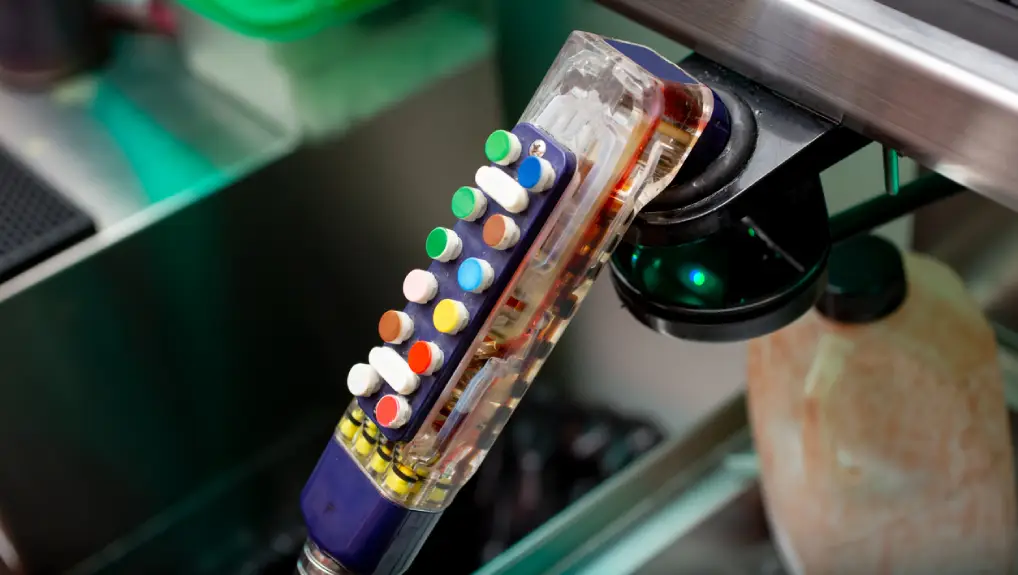
Frequent breakdowns mean your bar equipment needs maintenance or replacement. When your machines start failing more often, it’s not just a minor issue; it’s a big problem affecting your bar’s performance. These breakdowns usually mean internal components are worn out, or settings are incorrect, leading to inefficiencies and further damage.
Maintenance can prevent these issues, but it’s time to consider replacing your old equipment if repairs are becoming more frequent and costly. Don’t wait until a breakdown happens during a busy shift—keeping an eye on how often your equipment fails is key to smooth operations.
Additional Tips for Equipment Maintenance
When maintaining your bar equipment, use the right cleaning products that won’t harm surfaces or leave residue. You’ll also need to train your staff regularly on the correct maintenance procedures to ensure consistency and care. Don’t forget to schedule seasonal maintenance checks to keep everything running smoothly throughout the year.
Use the Right Cleaning Products
Choosing the right cleaning products is key to maintaining your bar’s equipment. Using the correct cleaning agents will prevent damage to various surfaces and extend the life of your equipment.
Here’s what to consider:
- pH-neutral cleaners for delicate surfaces to avoid corrosion or staining.
- Degreasers for areas exposed to oily drinks and food residue.
- Non-abrasive tools and soft cloths when cleaning to preserve finishes.
- Soapy water for daily maintenance tasks and quick clean-ups.

Staff Training
Train your staff thoroughly on maintenance protocols and beer line cleaning to ensure your bar runs smoothly and efficiently. Staff training ensures your high-volume bar delivers top service. Educate your team on the “how” and the “why” of each task. This will help them understand the importance of their role in keeping the bar in top shape.
Emphasise the routine of beer line cleaning, a critical task that affects the taste and safety of your drinks. Regular hands-on sessions and refreshers will keep these skills sharp so your bar can continue to serve great drinks and experiences. Make sure everyone’s on the same page to improve overall efficiency.
Seasonal Maintenance
With each season’s change, it’s time to do a thorough inspection of your bar’s heating and cooling systems to prevent service disruptions.
Here are some extra tips to keep everything running smoothly:
- Speed Rails: Make sure they’re clean and clear of obstructions, especially before peak hours.
- Refrigeration: Check all seals and temperatures against the National Restaurant Association’s standards.
- Pest Control: Seasonal changes bring pests; schedule regular inspections.
- Key Considerations: Don’t forget less obvious equipment like ice machines and blenders.
Professional Service Technician
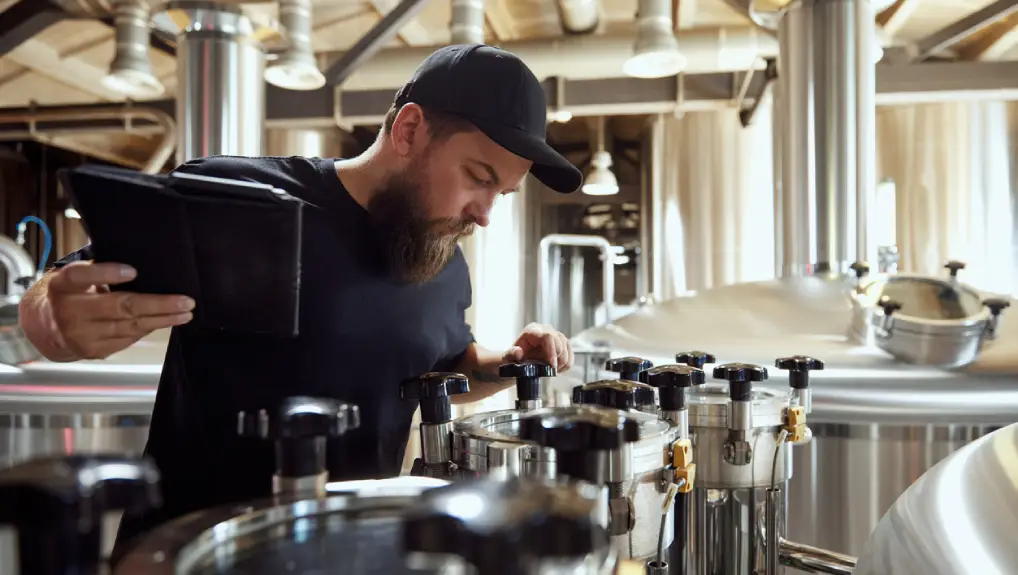
Maintaining bar equipment is key to successful operation in a bar, restaurant or any venue that serves drinks. Hiring a professional service technician isn’t just about fixing things when they break; it’s about preventing problems from happening in the first place. You’ll want to check seals and hoses for wear and tear, clean dispensing lines frequently, and descale sinks and taps to prevent buildup.
| Pros: | Cons: |
|---|---|
| ✅ Professional service prevents unexpected equipment failures and costly repairs. | ❌ Requires time and resource investment for maintenance activities. |
| ✅ Ensure drink quality by maintaining dispensing and cooling systems. | ❌ Equipment may be temporarily unavailable during checks and repairs. |
| ✅ Improves customer satisfaction through reliable service | ❌ Training staff on maintenance procedures takes time. |
Regular Equipment Checks
While maintaining your bar equipment, regular checks are crucial to catching any issues before they become major problems.
Here’s how to stay on top of this:
- Schedule Regular Inspections: Follow the manufacturer’s guidelines for how often each piece of equipment should be checked.
- Look for Worn Out Parts: Regularly check for signs of wear and tear. Replace worn parts to prevent mechanical failures.
- Train Staff on Basic Checks: Make sure your team knows how to spot potential problems and understands to report them immediately.
- Keep Maintenance Records: Document every check and repair to track equipment history, which helps predict and prevent expensive repairs in future.
Last Orders
Following these maintenance routines will ensure your bar equipment runs smoothly even during the busiest shifts. Regular care prevents breakdowns and extends the life of your investment.
Remember, being proactive with maintenance impresses customers and improves your bar’s efficiency.Stick to the schedule, keep an eye on the details and your bar will be the busy hotspot your customers love.
Running a high-volume bar takes reliable tools. Discover our full bar accessories collection built to handle the demands of busy service.