

Up to 40% off
Glassware
Shop
Bar Accessories
Get 30% off
Tableware
Shop
Refrigeration

Save Up To 30%
Front of House
Shop
Kitchen Accessories
Shop
Catering Equipment
Shop
Cleaning

Get 30% off
Disposables
Category
- Catering Equipment Wholesale (57)
- Commercial Food Preparation Equipment (57)
- Commercial Food Mixers (57)
- Commercial Food Preparation Equipment (57)
Brand
- Uropa (13)
- Buffalo (14)
- Dualit (1)
- Metcalfe (11)
- Hamilton Beach (2)
- Sammic (1)
- Roband (5)
- Vorwerk (2)
- KitchenAid (11)
- Dynamic (11)
Colour
- Black (3)
- Silver (6)
- White (2)
Material
- Aluminium (1)
- Stainless Steel (11)
Product Type
- Blenders (1)
- Mixers (44)
- Processors (2)
Warranty
- 1 Year (3)
Price
Min: £
Max: £
Commercial Food Mixers
Showing 49–58 of 58 results
-
£396.20 Ex. VAT
-
£422.80 Ex. VAT
-
£410.00 Ex. VAT
-
£410.00 Ex. VAT
-
£410.00 Ex. VAT
-
£410.00 Ex. VAT
-
£410.00 Ex. VAT
-
£342.62 Ex. VAT
-
Was £1,499.99.
£787.99 Ex. VAT Now £787.99. -
Was £169.99.
£79.99 Ex. VAT Now £79.99.
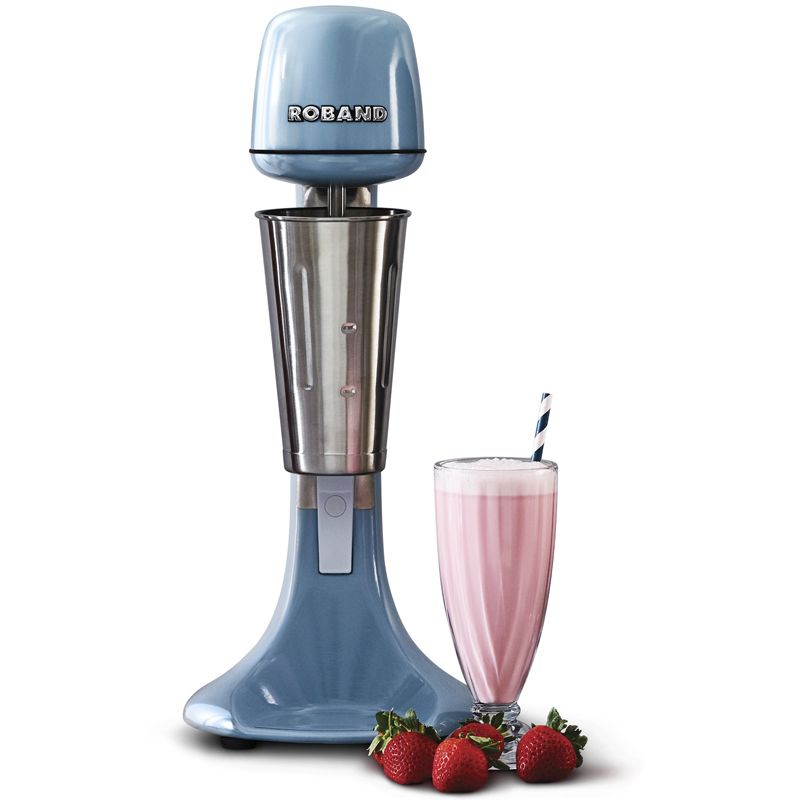

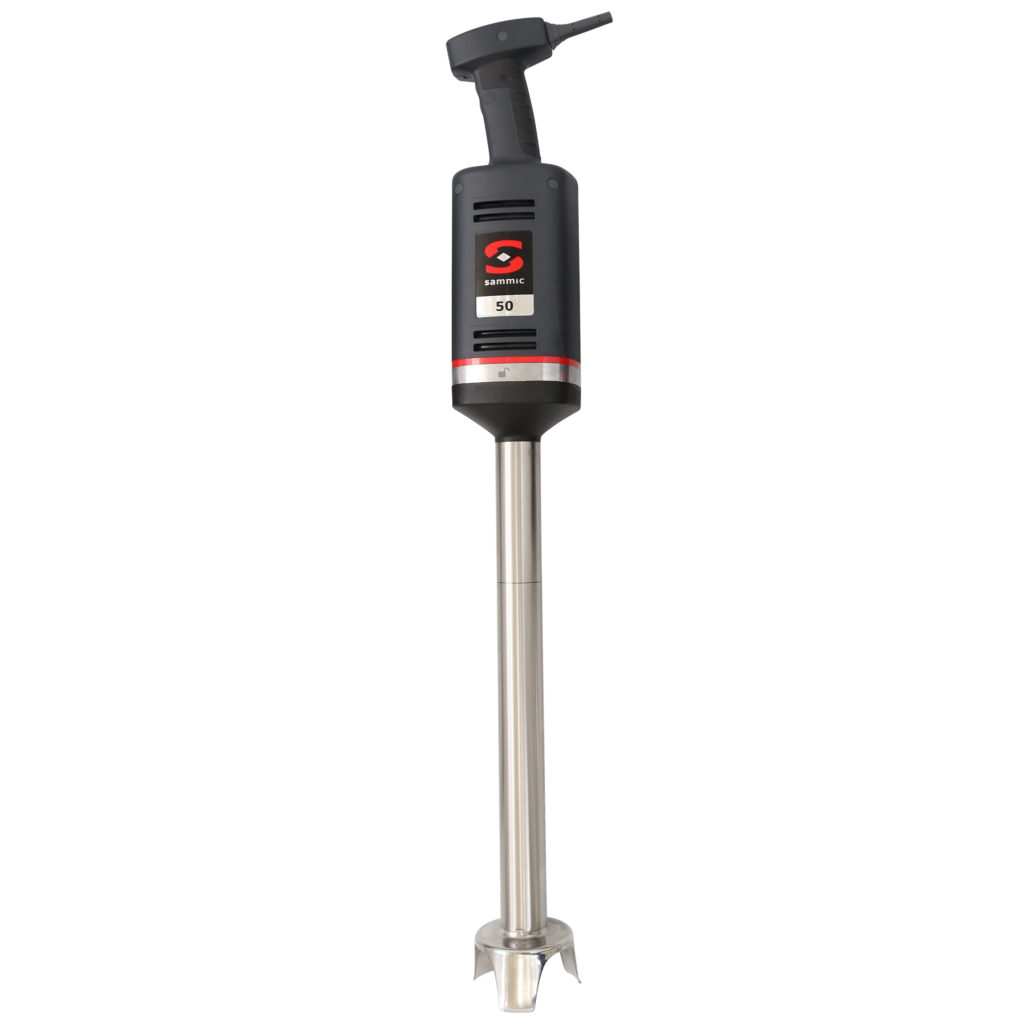


Showing 49–58 of 58 results
Commercial Food Mixers for Restaurants, Bakeries and Catering Kitchens
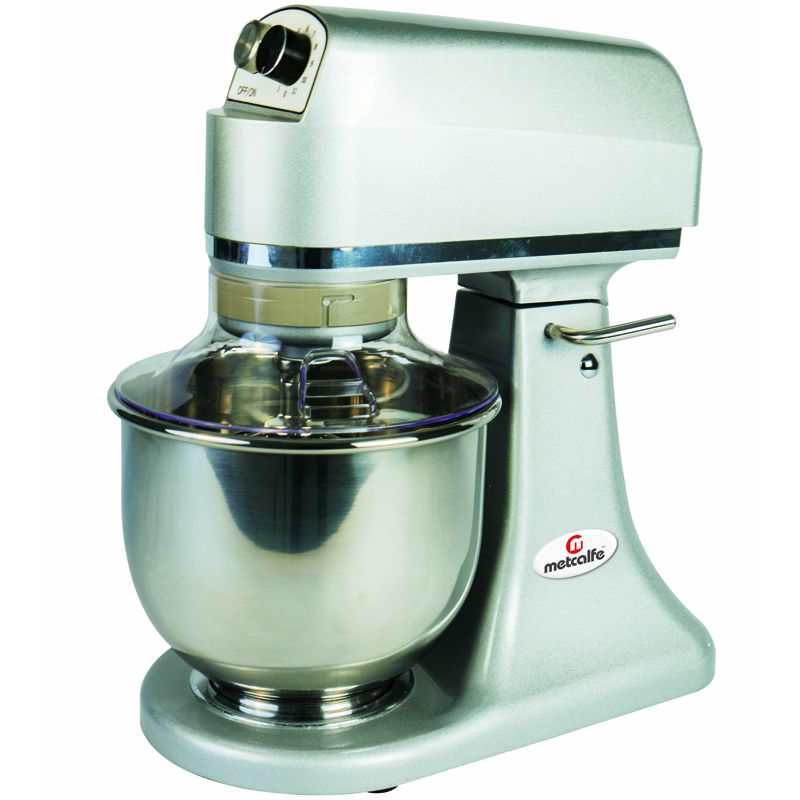
A commercial food mixer handles the volume and duration of mixing that a domestic unit cannot – dough batches, cake batter, sauces, whipped cream and meringue at the scale a professional kitchen runs every service. Planetary mixers rotate the attachment around a fixed bowl, covering the full bowl with every pass – the standard for general prep, pastry and batter work. Stick and hand mixers suit sauces, soups and smaller-batch blending directly in the pan or container. Both are built for continuous commercial use, not occasional home baking.
Ascot Wholesale stocks commercial food mixers from Buffalo and Dynamic – Buffalo planetary stand mixers in 10L, 20L and 30L bowl sizes, and the full Dynamic range of professional stick and hand mixers from compact handheld units to high-output turbo models. Trade pricing, reliable stock, UK delivery.
How to Choose a Commercial Food Mixer
- Planetary vs stick mixer – A planetary stand mixer suits dough, batter, pastry and whipped preparations – anything that needs sustained, consistent mixing in a bowl. A stick or hand mixer suits sauces, soups, purées and smaller-batch blending directly in a pan or container. Most professional kitchens run both: a planetary for prep, a stick mixer for service.
- Bowl size – Match the bowl to your largest single batch, not your average. A 10L bowl (Buffalo Digital Planetary 10L) suits small restaurants and cafés running moderate prep volumes. A 20L bowl suits medium-volume bakeries and catering kitchens. A 30L bowl (Buffalo Digital Planetary 30L) suits high-volume production kitchens running continuous dough and batter batching. Fill the bowl to two-thirds capacity – underfilling means the hook doesn’t engage the mix; overfilling causes the dough to heat and lose consistency.
- Motor power – Heavier doughs (bread, pizza, enriched dough) demand more motor power than lighter batters. Check the motor rating against your heaviest regular mix. A motor that struggles on heavy dough overheats and fails early – match power to your hardest task, not your easiest.
- Speed settings – Multiple speed settings give you control across different preparations: slow for initial dough incorporation, fast for whipping and aeration. Digital speed control (Buffalo Digital Planetary range) gives precise, repeatable settings across every batch.
- Attachments – A dough hook for bread and pizza dough, a flat beater for pastry and batter, a whisk for cream and meringue. Confirm which attachments are included and which are optional extras before ordering.
Trade Insight
Bowl capacity is the spec most kitchens get wrong. A bowl that’s too small means constant batching – the mixer runs more cycles than necessary, motor hours accumulate faster, and prep takes longer. A bowl that’s too large sits half-empty, the hook never properly engages the mix, and results are inconsistent. Size to your peak single batch, not your daily average – and factor in the two-thirds fill rule when calculating the usable capacity.
The Dynamic range covers stick mixing from compact handheld to high-output floor-standing. The Dynamic Dynamix DMX 160 is the entry point for sauce and soup work. The Dynamic Senior DMX 300 and SMX 600/800 Turbo models suit high-volume sauce production and large-batch blending. The Dynamic Gigamix XS is a floor-standing unit for the highest-output operations. All Dynamic models run on UK plug – no rewiring, no adaptor.
Planetary mixers need regular attachment and bowl inspection. Check the bowl lock mechanism before every use – a bowl that isn’t seated correctly can dislodge under load. Inspect the dough hook, flat beater and whisk for cracks or deformation after heavy use. Clean attachments and the bowl after every session; dried dough residue in the attachment collar causes premature wear on the drive mechanism.
Spare parts availability is a real-world spec. A mixer that breaks down mid-prep with no spare parts available costs more in lost production than the price difference between budget and professional brands. Buffalo and Dynamic both carry UK spare parts – bowls, attachments, drive gears – through established supply chains.
Why Buy from Ascot Wholesale
- Competitive trade pricing – across the full commercial food mixer and planetary mixer range.
- Trusted brands – Buffalo and Dynamic, used daily in real UK restaurant, bakery and catering operations.
- 10L to 30L planetary mixers – plus the full Dynamic stick and hand mixer range for sauce and service work.
- Free delivery on qualifying orders – across the UK mainland.
- Trade accounts for regular buyers – restaurants, bakeries and contract caterers placing ongoing orders.
- 25 years supplying UK hospitality – trade authority built on real commercial experience across restaurants, hotel kitchens and production bakeries.
Browse our full Food Preparation Equipment range, or explore related categories: Food Processors and Blenders.
Frequently Asked Questions
What is the difference between a planetary mixer and a spiral mixer?
A planetary mixer rotates the attachment around a fixed bowl, covering the full bowl with every pass – suited to general prep, pastry, batter and whipped preparations. A spiral mixer rotates the bowl around a fixed spiral hook – designed specifically for bread and pizza dough where gluten development and dough temperature control matter. For a kitchen running mixed prep, a planetary mixer is the more versatile choice.
What bowl size do I need for my kitchen?
Match the bowl to your largest single batch and apply the two-thirds fill rule – a 10L bowl has a usable capacity of around 6–7L of dough or batter. A 10L bowl suits small restaurants and cafés. A 20L bowl suits medium-volume bakeries and catering kitchens. A 30L bowl suits high-volume production kitchens running continuous batching. Size to your peak demand, not your average.
Can a planetary mixer handle bread dough?
Yes, with a dough hook attachment. A planetary mixer handles standard bread dough, enriched dough and pizza dough at moderate volumes. For very high-volume bread production where gluten development and dough temperature are critical, a dedicated spiral mixer is the better tool. For a restaurant or café running bread as part of a wider menu, a planetary mixer with a dough hook is sufficient.
How do I clean a commercial planetary mixer?
Remove the bowl and all attachments after every use and wash separately. Wipe down the mixer head and column with a damp cloth – never immerse the motor unit in water. Check the attachment collar for dried dough residue and clean thoroughly – residue in the collar causes premature wear on the drive mechanism. Dry all parts before reassembling.
What is the difference between the Dynamic stick mixer models?
The Dynamic range scales from compact handheld units (DMX 160, MX 225) for light sauce and soup work, through mid-range models (DMX 300 Senior) for sustained service use, to high-output turbo models (SMX 600, SMX 800) for large-batch production. The Gigamix XS is a floor-standing unit for the highest-output operations. Match the model to your batch size and daily use frequency.
Do commercial food mixers come with attachments included?
Most planetary mixers include a dough hook, flat beater and whisk as standard – confirm the included attachments on the product spec sheet before ordering. Additional or replacement attachments (extra bowls, specialist hooks) are available separately. Dynamic stick mixers include the mixing shaft as standard; additional whisk attachments are available as optional extras.