
Up to 40% off
Glassware
Shop
Bar Accessories
Get 30% off
Tableware
Shop
Refrigeration

Save Up To 30%
Front of House
Shop
Kitchen Accessories
Shop
Catering Equipment
Shop
Cleaning

Get 30% off
Disposables

Catering Equipment Wholesale
Fitting out a commercial kitchen? Ascot Wholesale supplies catering equipment wholesale to restaurants, hotels, cafes, bars and catering companies across the UK, with trade prices from the first unit; no account tier required. From ovens and fryers to food prep machines, beverage equipment and servery display units, every commercial equipment line is built for high-volume, continuous-duty use. Browse the range below, or contact us to set up a trade account.

Showrooms & Samples
We may arrange product samples or visits to our manufacturer’s showrooms..

Price Match Promise
We ensure you get the lowest prices on all our products by checking prices on branded and identical stocked items.
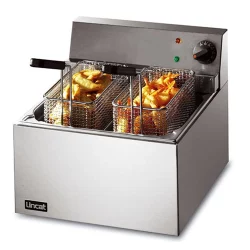
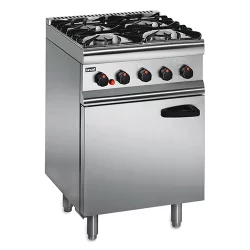
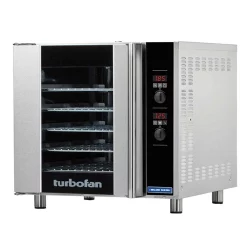
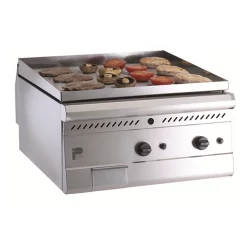


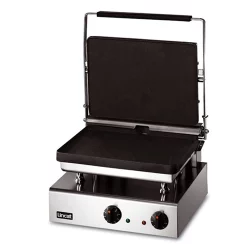

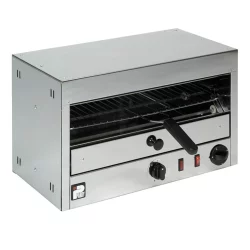
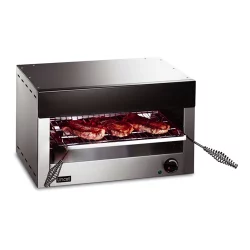
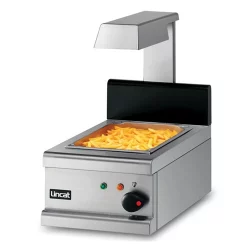
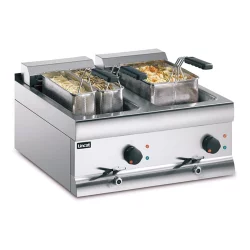
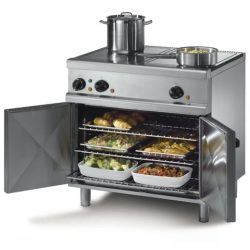
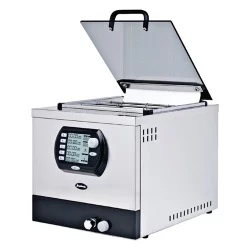
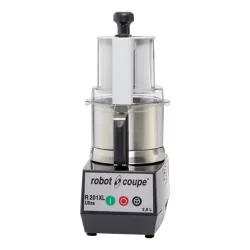
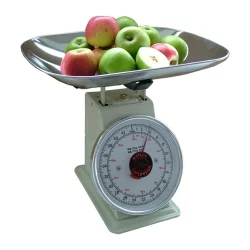
Commercial Food Preparation Equipment
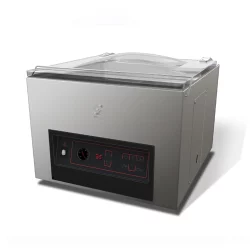
View all categories
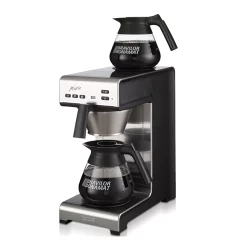
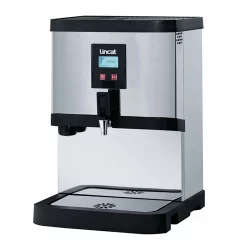
Commercial Beverage Machines
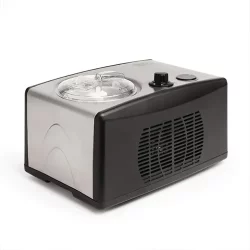
Servery & Display Equipment
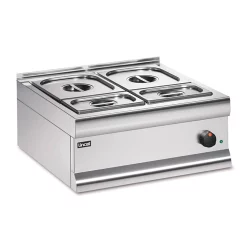
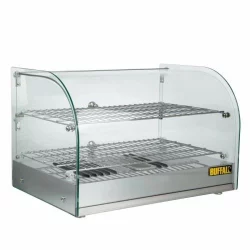
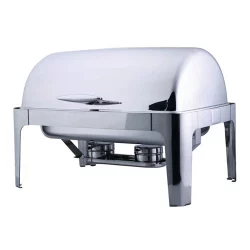

View all categories
Ordering Catering Equipment: Trade Accounts & Pricing
We select each line in our range for durability, output and total cost of ownership in demanding hospitality environments – not for how it looks in a showroom photo. That’s the difference between a catering equipment wholesale supplier who understands daily service pressure and one who’s just shifting stock.
Buying for a single site or a 40-unit chain, the process is the same: pick your category, check the spec against your covers and power supply, and order at trade price. No account tier gates you out of trade pricing – everyone gets trade rates from the first order.
Set up a trade account and you’ll get credit terms, faster reordering, and a contact who actually knows commercial equipment specs – not just a sales script. Our range spans cooking, food prep, beverage and servery equipment, so multi-site buyers can order everything on one invoice.
Commercial Catering Equipment for Restaurants, Hotels & Catering
Our wholesale catering equipment is purpose-built for high-volume commercial kitchens, not the lightweight domestic appliances you’ll find in a consumer electricals store.
Every line we stock is designed to run for multiple services a day, every day, for years – not for an evening a week. That means heavier-gauge steel, industrial motors and compressors rated for continuous duty, and components that are field-serviceable rather than throwaway.
We stock professional-grade cooking equipment, food prep machines, beverage equipment, and servery display units at bulk prices, so you can equip a full catering operation without overspending on kit that’s overspecced for your covers – or underspending on kit that can’t keep up.
What “commercial-grade” actually means in practice:
- Certification – look for CE/UKCA marking as standard, and NSF or equivalent hygiene certification on food-contact equipment.
- Duty cycle – commercial units are rated for continuous or near-continuous operation across a full service, not intermittent domestic use.
- Build spec – stainless steel construction (usually 304-grade for food-contact surfaces), reinforced hinges, and commercial-spec castors on mobile units.
- Serviceability – commercial equipment is designed to be repaired, not replaced. Spare parts and service manuals are available for years after purchase.
- Compliance – gas appliances must carry the correct certification for UK installation, and electrical equipment needs to meet UK wiring regulations for commercial premises.
Whether you’re opening a new venue, refitting an existing kitchen, or managing procurement across a multi-site catering operation, our range covers everything a professional kitchen needs – and our team can talk you through spec differences between models if you’re not sure which one fits your service.
Cooking, Food Prep, Beverage & Servery Equipment
We stock a comprehensive range of commercial catering equipment across four main categories:
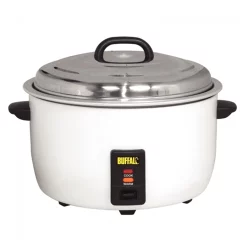
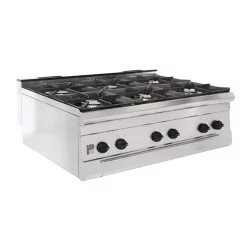
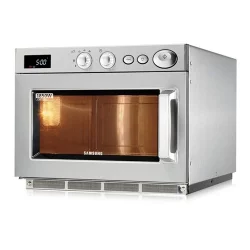
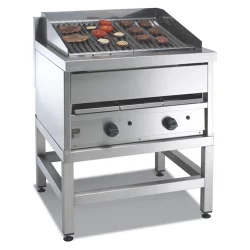
Cooking equipment – commercial ovens, convection ovens, pizza ovens, fryers, griddles, chargrills, contact grills, hob units, boiling tops, pasta boilers, salamander grills, sandwich grills, commercial microwaves, rice cookers, and more, built for continuous high-volume use. Most countertop units run on standard UK single-phase electric; larger ovens, combi ovens and multi-basket fryers typically need three-phase power, so check the data plate against your kitchen’s electrical supply before you order.
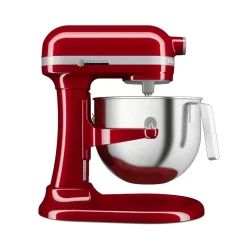
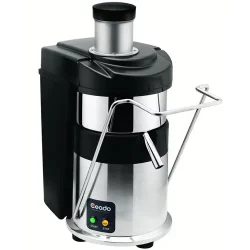
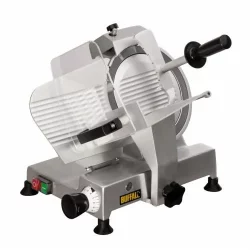
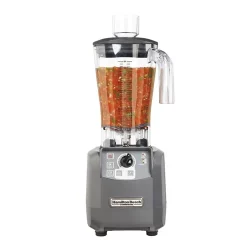
Food prep equipment – mixers, blenders, food processors, meat slicers, juice extractors, vacuum pack machines, and scales, designed to speed up kitchen workflow and reduce prep time. A commercial planetary mixer or a heavy-duty meat slicer will outlast a domestic equivalent many times over because the motor is rated for hours of continuous work, not minutes.
Beverage machines – commercial coffee machines, water boilers & catering urns, and ice cream & slush machines, keeping hot and cold drinks flowing throughout service. Volume matters here: a 10-litre catering urn that recovers to temperature in minutes is the difference between keeping up with a breakfast rush and falling behind it.
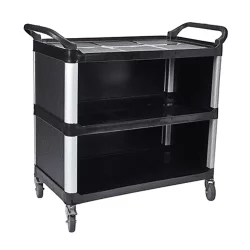
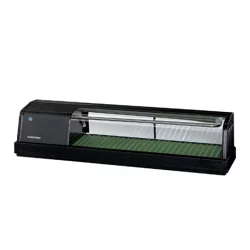
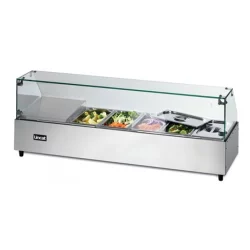
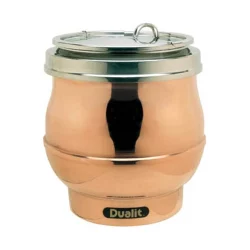
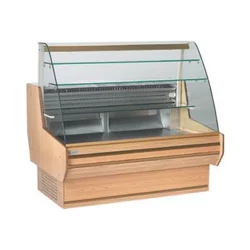
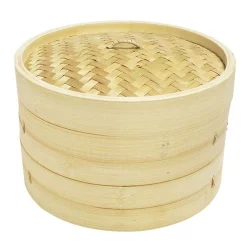
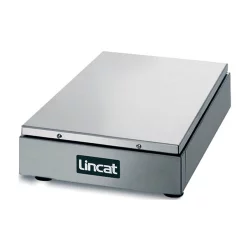
Servery & display – bain-maries, chafing dishes, hot cupboards & plate warmers, soup kettles & warmers, steamers, hotplates, display units, food prep bars, catering trolleys & racking, sushi counters, and patisserie counters, keeping food at the right temperature and presented correctly during service. Food safety regulations require hot food to be held above 63°C, so servery equipment needs to consistently hit and hold that temperature throughout a full service, not just when it’s freshly filled.
All products are selected for commercial-grade durability, built to handle continuous daily use in demanding professional environments.
Looking for refrigeration? We have a dedicated Refrigeration & Freezers page covering commercial fridges, freezers, under-counter units, and display cabinets.
Trade Insight: Commercial vs. Domestic Ratings
Many new business owners make the mistake of buying high-end domestic appliances for a commercial setting to save money. This rarely works out, and here’s why.
Warranties are voided. Almost every domestic appliance warranty has a clause excluding commercial or trade use. If a domestic oven fails in a restaurant kitchen, the manufacturer can – and usually will – refuse the claim on inspection. You’re left covering the repair or replacement cost yourself, on top of the downtime.
Duty cycles don’t match your service pattern. A domestic fridge compressor is designed to run intermittently and recover overnight. A commercial fridge compressor is built to recover temperature quickly after being opened 50+ times a day during service – that’s a fundamentally different mechanical spec, not just a bigger box. Push a domestic compressor to commercial duty, and it will fail early, often within months rather than years.
Insurance and EHO inspections. Business insurance policies typically require commercial-grade equipment in commercial premises, and Environmental Health Officers will flag domestic appliances used in a professional kitchen during an inspection. That’s a compliance risk on top of a mechanical one.
Gas and electrical certification. Gas catering equipment installed commercially needs to be signed off by a Gas Safe registered engineer, and the appliance itself needs to be rated and certified for commercial installation – a domestic gas oven isn’t a legal substitute. Electrical equipment above single-phase 230V generally needs three-phase power hardwired by a qualified electrician, and periodic PAT testing is a standard requirement for commercial kitchens.
IP ratings matter in wet areas. Equipment near sinks, wash-down areas or outdoor servery points should carry an appropriate IP (Ingress Protection) rating. Domestic appliances are rarely rated for this at all.
Always check the duty rating, certification, and power spec before you buy. It’s a five-minute check that saves thousands in the long run – and it’s the difference between equipment that lasts 8-10 years of daily service and equipment that fails in the first busy season.
You May Also Be Interested In
Cooking Equipment →
The engine room of service. Find heavy-duty ovens, fryers, and ranges that give you precise heat control and reliable output, shift after shift, whatever the covers count.
Food Prep Equipment →
Speed up your workflow. Our mixers, slicers, and prep machines handle repetitive tasks so your chefs can focus on cooking, not chopping.
Beverage Machines →
Keep the drinks flowing. From commercial coffee machines to high-volume water boilers, reliable hot drinks systems are essential for front-of-house efficiency.
Servery & Display →
Hot food needs to stay hot; cold food needs to stay cold. Present your menu safely and legally with heated gantries, merchandisers, and buffet display units.
Trade Prices on Leading Brands
We stock trusted brands used by hospitality professionals across the UK – Lincat, Buffalo, Falcon, Blue Seal, Victor, Polar, Adexa and Rational among them – all available at wholesale prices with no minimum order.
Buying in bulk saves you money. Ordering catering equipment by the case or pallet means a significantly lower cost per unit, essential when you’re equipping a full kitchen, refitting multiple sites, or stocking a new franchise location. The more units you order, the better the per-unit price – that applies whether you’re buying ten bain-maries for a contract catering rollout or a single combi oven for an independent café.
We also offer a Price Match Promise – if you find the same product cheaper elsewhere on a like-for-like basis, we’ll match it. That includes matching on identical stocked branded items, not just similar-spec alternatives.
Why Choose Ascot Wholesale?
We’ve spent over 25 years supplying the UK hospitality trade. In that time, we’ve learned which brands hold up to daily commercial abuse and which ones don’t – and we only stock the former.
- Trusted Brands: We only sell gear we’d use ourselves, sourced from manufacturers with a track record in UK commercial kitchens, not unbranded imports with no local parts support.
- Trade Accounts: Credit terms and quick setup for verified hospitality businesses. Most trade accounts are approved within a few working days once we’ve confirmed your business details.
- Bulk Value: Better prices when you order for the whole kitchen – cooking, prep, beverage and servery equipment together, not just single items.
- Fast Shipping: Free delivery on qualifying orders, dispatched direct to your venue, with next-day delivery available on selected in-stock lines – check individual product pages for lead times.
- Real Support: A team you can actually call. If you’re not sure whether a fryer needs single-phase or three-phase power, or which oven size fits your covers, ask us before you order, not after it’s delivered.
- Aftersales: Manufacturer warranties for every product, plus access to spare parts and service information for equipment long after the sale.
Hospitality businesses choose Ascot Wholesale because we offer trade value without cutting corners on build quality, certification, or aftersales support.
Perfect for Restaurants, Hotels, Cafes & Catering Companies
Our wholesale catering equipment is used by:
- Independent restaurants and fine dining venues – precision cooking equipment and finishing kit like salamander grills and water baths.
- Chain restaurants and fast-food outlets – high-throughput fryers, griddles and chargrills built for consistent output across multiple sites.
- Hotels, B&Bs, and serviced apartments – breakfast service equipment, banqueting servery kit, and beverage machines for guest areas.
- Cafes, bistros, and coffee shops – coffee machines, sandwich grills, and compact food prep equipment for smaller footprints.
- Bars, pubs, and gastropubs – combined cooking and servery ranges to run a food offer alongside a drinks trade.
- Contract catering companies and event spaces – mobile servery units, catering trolleys, and equipment that can be redeployed across venues.
- Holiday parks and leisure facilities – durable, high-volume equipment built to handle seasonal peaks in footfall.
- Schools, hospitals, and institutional catering operations – equipment specified for volume output, hygiene compliance, and long service life.
Whatever your operation, our range gives you the commercial catering equipment to perform at scale, at prices that make sense for the trade.
Frequently Asked Questions About Commercial Catering Equipment
Where can I buy commercial catering equipment in the UK?
Ascot Wholesale supplies commercial catering equipment online at wholesale trade prices, with delivery across the UK. Browse by category – cooking, food prep, beverage or servery – or contact us to discuss your requirements and set up a trade account.
What’s the minimum order for catering equipment?
There is no minimum order. You can buy a single unit at trade price or equip an entire catering operation – the same wholesale pricing applies either way.
Do you offer bulk discounts on commercial catering equipment?
Yes. The more units you order, the better the per-unit price. This applies whether you’re buying for a single site or rolling out equipment across multiple locations. Contact us for a quote on larger orders.
Is your catering equipment suitable for commercial use?
Yes. Every product in our range is selected for commercial-grade durability and rated for continuous-duty use in professional kitchens. All equipment carries CE/UKCA certification as standard.
What brands of catering equipment do you offer?
We stock trusted brands used by hospitality professionals across the UK – including Lincat, Buffalo, Falcon, Blue Seal, Victor, Polar, Adexa and Rational – all at wholesale trade prices.
Can you help me spec equipment for a new kitchen fit-out?
Yes. Contact our team with your cover count, menu type and kitchen dimensions and we can advise on the right equipment category, output rating and power supply requirements for your operation.
How quickly will my catering equipment order arrive?
Most in-stock orders are dispatched within 2–5 working days. Next-day delivery is available on selected lines – check individual product pages for lead times and delivery options.
Do you offer trade accounts for catering businesses?
Yes. Trade accounts are available for verified hospitality businesses and are typically approved within a few working days. Trade accounts give you credit terms, consolidated invoicing and a dedicated contact for your orders.
What’s the difference between commercial and domestic kitchen equipment?
Commercial equipment is built for continuous-duty use across multiple services per day, every day. It uses heavier-gauge steel, industrial motors and compressors rated for hours of operation, and components designed to be repaired rather than replaced. Domestic appliances used in a commercial setting void warranties, fail EHO inspections and typically break down within months rather than years.
Explore More Wholesale Supplies for Hospitality
Looking for other commercial supplies? Browse our full range:
- Wholesale tableware → crockery, cutlery, serving dishes & more
- Wholesale glassware → beer glasses, wine glasses, tumblers & more
- Bar accessories → cocktail tools, ice buckets, bar mats & more
- Cleaning supplies → bulk chemicals, mops, janitorial equipment & more
- Refrigeration & freezers → commercial fridges, freezers, under-counter units & more
- Front of house → cafetieres, trays, service equipment & more
Written by the Ascot Wholesale team – hospitality experts with over 25 years of experience supplying professional equipment and accessories to the UK trade.